



Antique Davenport China
These antique davenport china pieces are fine 19th-century ceramics from Longport, offering collectors rich handpainted patterns and durable stone china.
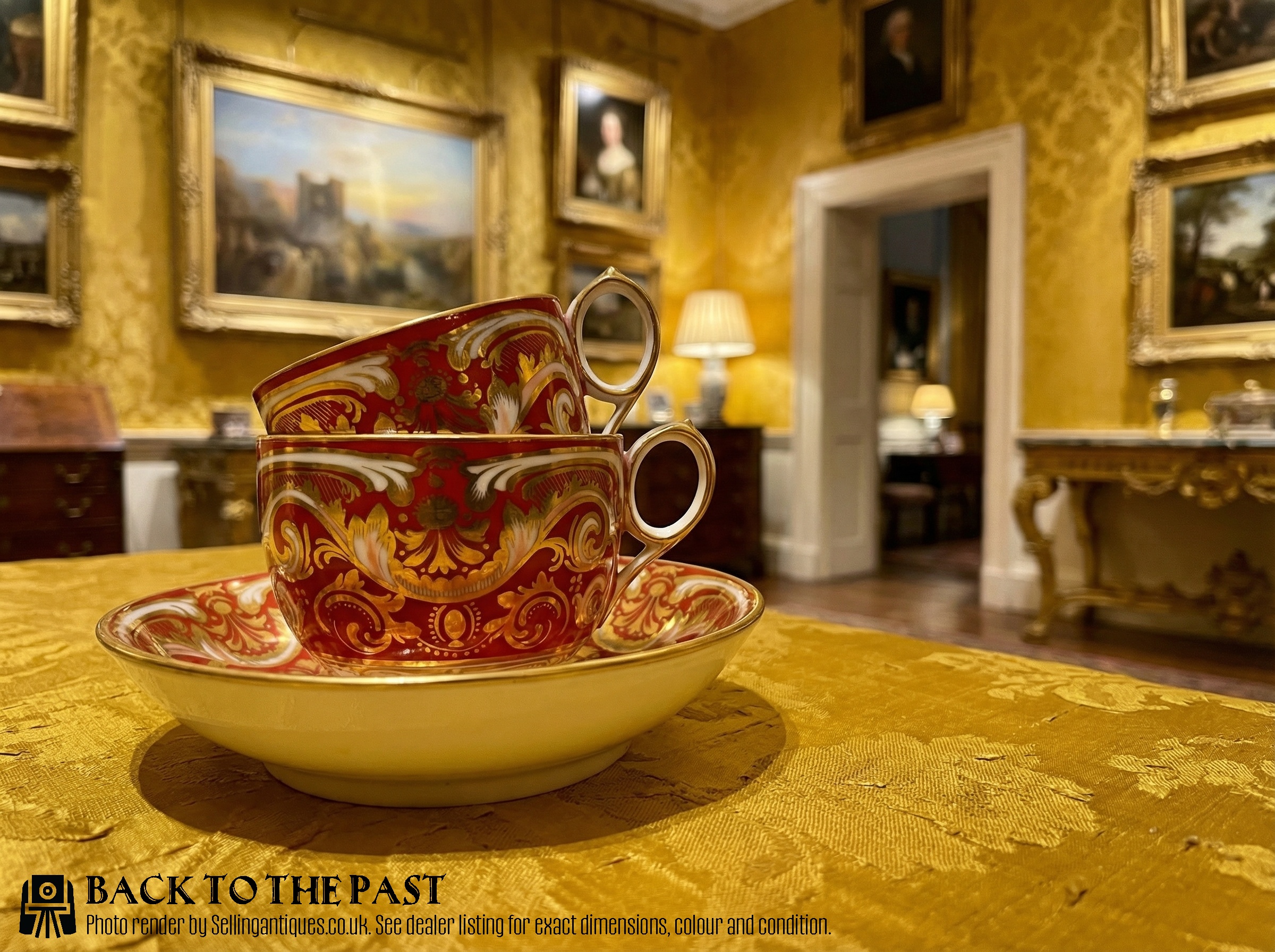
Antique Davenport China
When you search for antique davenport china, you encounter tableware and cabinet pieces produced by the Davenport pottery in Staffordshire. The selection spans Georgian, Regency, and Victorian periods, showcasing the evolving tastes of the 19th century.
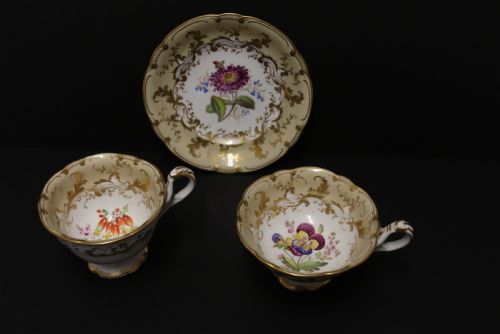
Teacups, saucers, and trios dominate the current offerings, alongside decorative plates and robust ironstone jugs. Early 19th-century cabinet trios and blue and white plates provide strong examples of the factory's output.
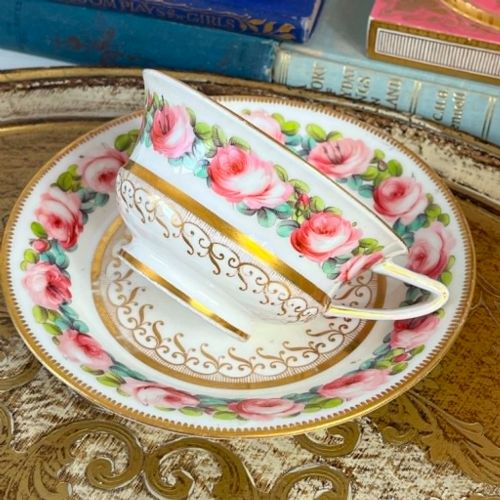
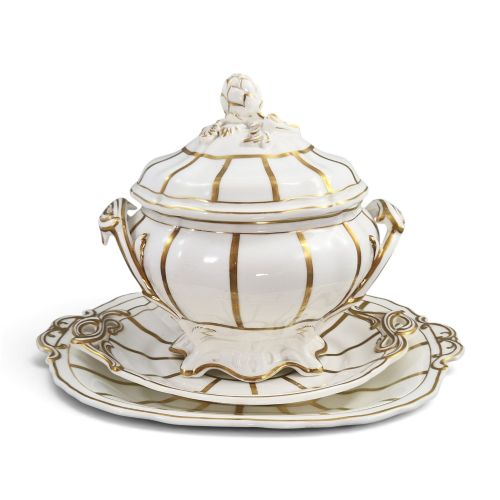
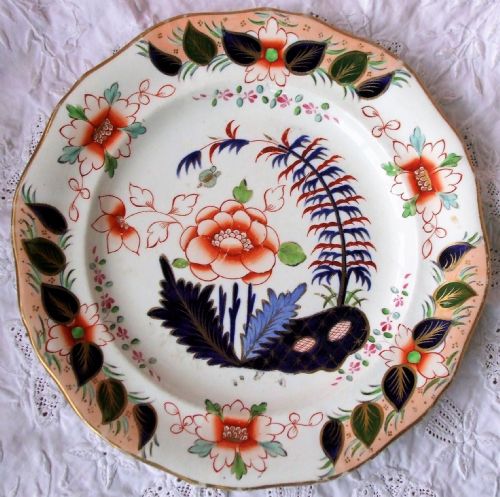
The assortment includes pattern-numbered sauce tureen sets and Imari-style ironstone plates. Buyers most frequently meet tea sets and individual teacup duos decorated with handpainted roses or transfer-printed scenes.
Materials and manufacture
Davenport utilised diverse ceramic bodies, ranging from refined porcelain and bone china to durable ironstone, stone china, and earthenware. Potters shaped these materials into octagonal jugs, plates, and tureens suited for daily dining or display.
Decoration relied on skilled handpainted details, such as pink cabbage roses and Imari palettes, combined with blue and white transfer printing. Artisans applied gold leaf and gilt accents to elevate the finished ceramic pieces.
Tea-drinking Victorians relied on Davenport trios to keep the peace while debating politics over pink cabbage roses.
What determines quality
Quality rests upon the precision of the handpainted brushwork and the crispness of transfer-printed patterns like Returning Home or The Villagers. Pieces featuring meticulous gold leaf and enamel detailing command greater attention from collectors.
The refinement of the ceramic body also sets examples apart, distinguishing delicate bone china or porcelain cabinet trios from heavier utilitarian earthenware. Well-preserved matching sets and complete tea services demonstrate higher factory ambition.
John Davenport of Longport
The Antique Davenport China Glossary
- Bone China
- A type of porcelain incorporating bone ash for strength and translucency. It allowed Davenport to produce delicate yet durable tableware.
- Ironstone
- A dense, durable ceramic developed in the 19th century as a sturdier alternative to porcelain. Davenport applied it to robust jugs and plates.
- Imari
- A decorative style inspired by Japanese export wares, featuring rich iron red, cobalt blue, and gilt. Davenport adopted this aesthetic for distinct ironstone and porcelain patterns.
- Trio
- A matched set comprising a teacup, saucer, and matching tea plate. These groupings form core components of 19th-century tea services.
- Hydra Jug
- A pitcher featuring a specific serpentine handle shape reminiscent of classical mythology. Davenport produced these in durable stone china.
Antique Davenport China: Frequently Asked Questions
How do I date davenport china?
Dating relies on factory marks stamped or printed on the underside, alongside stylistic shifts from Georgian neoclassical designs to Victorian exuberance. Pattern numbers and body types also help narrow down the decade of production.
Early pieces often feature simple painted marks or early printed anchor symbols, while later Victorian wares adopt more standardised registry stamps. Comparing the ceramic body from earthenware to bone china clarifies the chronology.
What is stone china?
Stone china is a heavy, vitrified ceramic body patented in the 19th century to resist chipping and thermal shock. It bridged the gap between fine porcelain and utilitarian earthenware.
Davenport utilised this durable material for heavy-use items like jugs, tureens, and dinner plates that needed to withstand rigorous dining room service.
How should I display tea sets?
Display these ceramics in enclosed cabinets away from direct sunlight to protect handpainted enamels and delicate gilt highlights. Ensure shelves are sturdy enough to support the weight of ironstone and stone china.
Grouping trios and matching jugs together creates a cohesive period display that highlights the factory's decorative range.
Are these pieces safe for food?
Historic ceramics with overglaze enamels and lead-based glazes are generally not recommended for modern food use. Acids in contemporary foods can leach trace elements from 19th-century glazes.
Collectors primarily preserve and display these items as decorative art rather than utilitarian tableware.