





Antique Dark Timber Cabinet
An antique dark timber cabinet grounds a room with deep tones, offering practical storage alongside centuries of craftsmanship.
Antique Dark Timber Cabinet
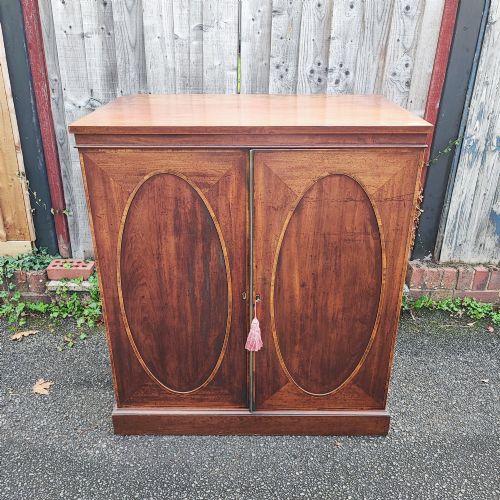
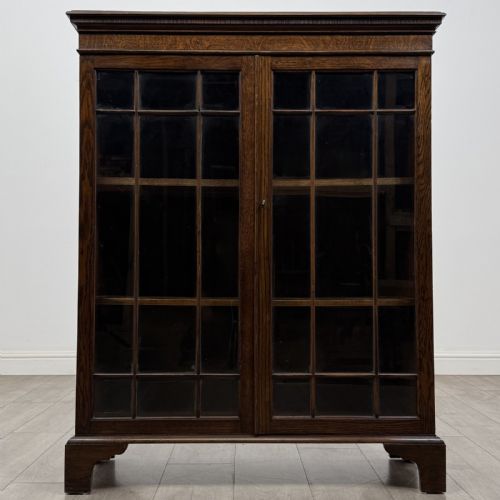
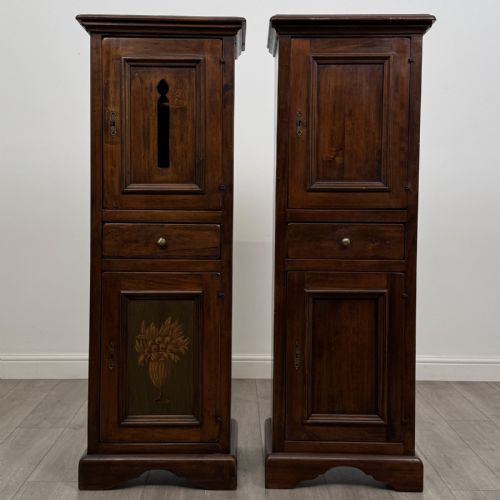
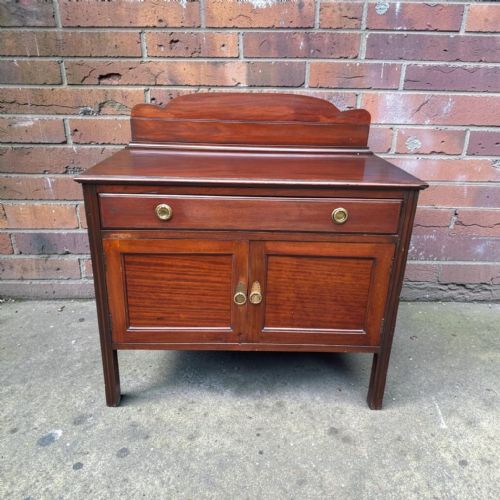
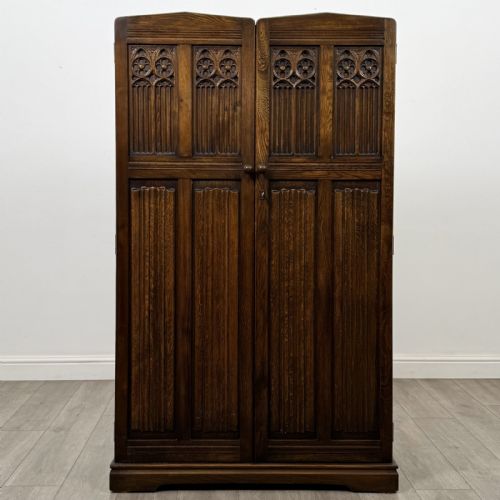
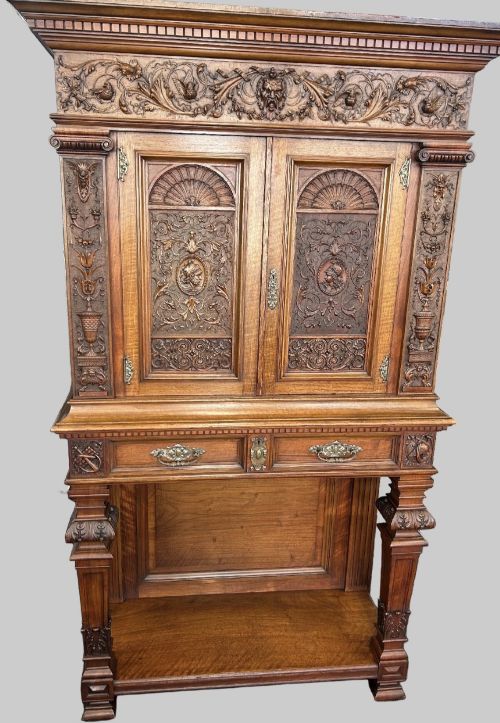
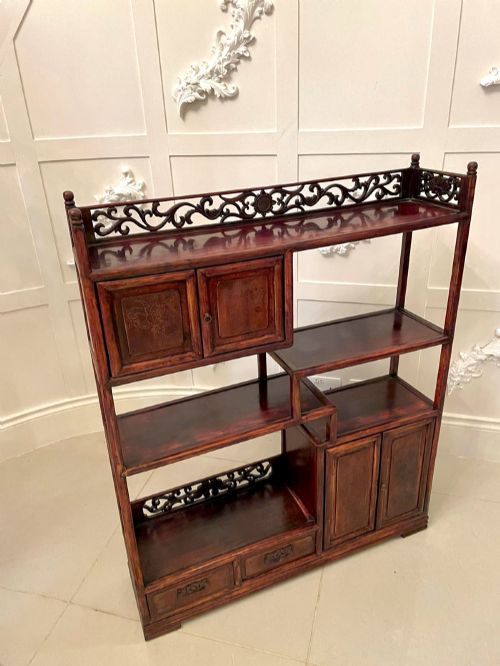
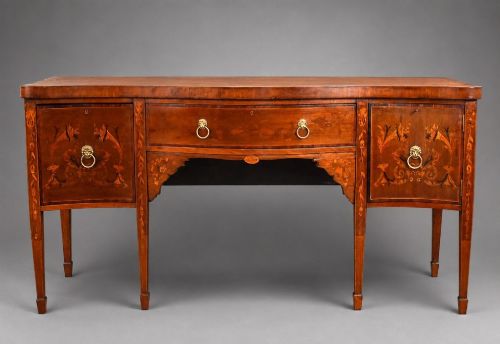
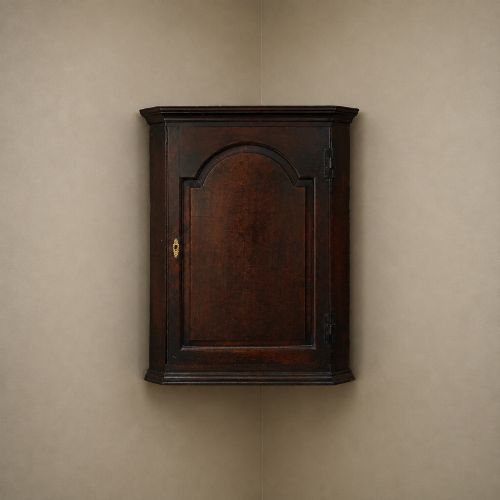
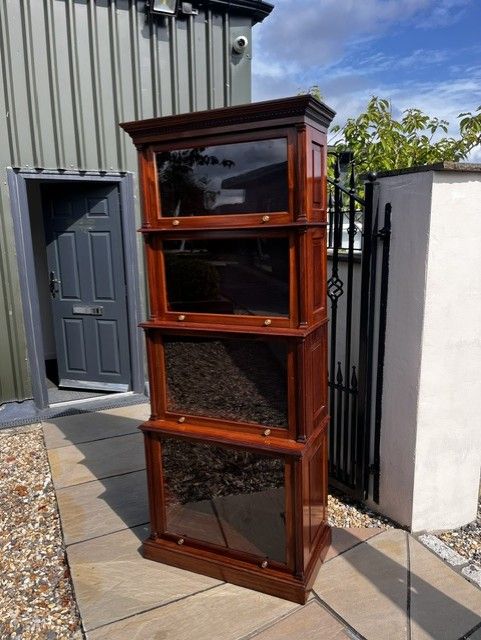
An antique dark timber cabinet encompasses storage furniture built from rich woods spanning multiple centuries and regional styles. Buyers seeking an antique dark timber cabinet encounter pieces ranging from Georgian mahogany corner cupboards to Victorian rosewood bookcases and oak cupboards originating in the seventeenth century.
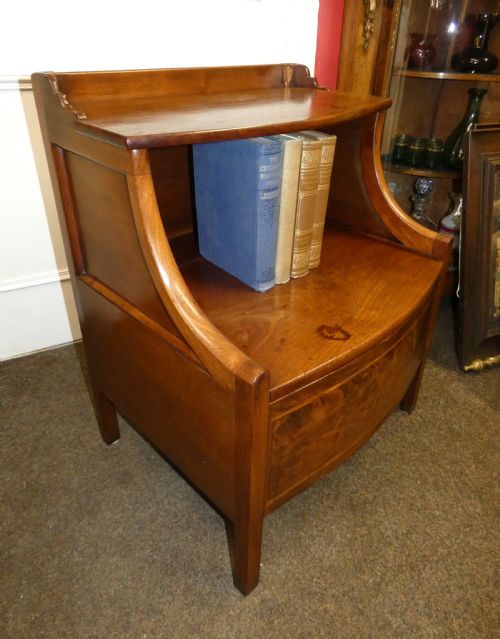
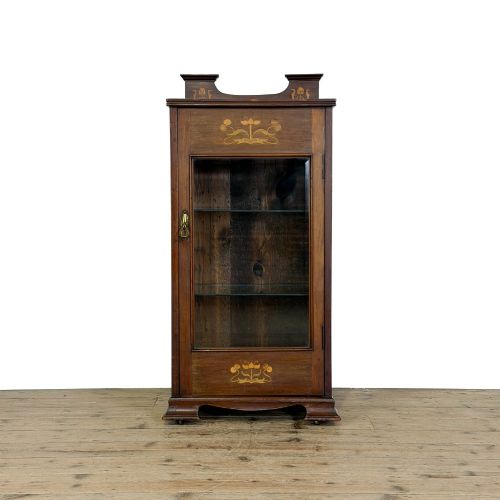
The selection includes diverse forms such as display cabinets, sideboards, open bookcases, and bedside night tables. Construction dates stretch from the seventeen-hundreds through the Edwardian era, featuring English, French Provincial, Italian Provincial, and Anglo-Indian designs.
The most common iterations on this page utilise durable timbers like mahogany and oak, shaped into bookcases or corner cupboards. These items served functional storage needs in historic homes and now provide substantial character in modern interiors.
Materials and construction methods
Cabinet makers utilised dense hardwoods including mahogany, oak, rosewood, walnut, teak, and padauk for their structural integrity and deep grain patterns. These timbers were often polished to enhance their natural dark hues.
Joinery techniques relied on solid wood construction, sometimes incorporating brass hardware, glass panels, iron accents, or intricate mother-of-pearl inlay. Carving and hand-painted details frequently adorned the exterior surfaces of finer examples.
Antique Dark Timber Cabinet Retail Price Guide 2026
Typical asking prices for dark timber cabinet among the pieces listed under this phrase on Sellingantiques today, from the lower quarter to the upper quarter. They describe what is for sale here now, not the wider market.
One unexpected Victorian entry preserves a taxidermy Nile crocodile from eighteen-eighty.
Distinguishing quality across pieces
Quality rests upon the selection of timber and the precision of the joinery rather than the sheer age of the item. Pieces fashioned from solid mahogany or finely figured walnut exhibit greater structural permanence than those built from lesser secondary woods.
Artisanal execution dictates the distinction between standard utilitarian furniture and exceptional commissions. Subtle decorative choices, such as balanced grain matching, clean carving, and integrated brass fittings, elevate the standing of a cabinet.
Gillows
The Antique Dark Timber Cabinet Glossary
- Mahogany
- A durable, reddish-brown tropical hardwood favoured for high-end antique furniture throughout the eighteenth and nineteenth centuries. It takes a high polish and resists warping.
- Rosewood
- A heavily grained, dense dark timber prized for cabinet making during the Victorian period. Its distinct oily nature allows for a smooth, lustrous finish.
- Corner Cabinet
- A storage piece specifically designed to fit into the ninety-degree angle of a room. These units maximise floor space and often feature glazed doors for display.
- Pedestal
- A supporting column or base beneath a piece of furniture, commonly seen on nineteenth-century bedside cabinets. It raises the main body off the floor.
- Inlay
- A decorative technique where contrasting materials like brass or mother-of-pearl are set into recesses flush with the wood surface. It creates detailed patterns across drawer fronts and doors.
Antique Dark Timber Cabinet: Frequently Asked Questions
How do I care for dark timber?
Keep wooden furniture away from direct sunlight and heat sources to prevent the dark timber from drying out or splitting. Apply natural beeswax periodically to maintain the sheen.
Dust surfaces gently with a dry, soft cloth rather than commercial sprays containing silicone. Proper humidity control in the room preserves the historic polish.
Where should I place a corner cabinet?
Utilise empty room angles that otherwise remain dead space in living rooms or dining areas. Wall-hanging versions attach directly to plaster or stud work.
Ensure the door swing has adequate clearance from surrounding furniture or architectural mouldings. These units perform well when paired with complementary sideboards.
How are different periods identified?
Examine the timber species, construction joinery, and decorative motifs to determine the likely era of manufacture. Georgian pieces often display restrained classical proportions, while Victorian items favour heavier ornamentation.
Consult the specific material types and regional influences noted in the listing details. Hardware styles also offer reliable clues to the decade of origin.
Can I use a bookcase for display?
Open bookcases and glass-fronted display cabinets accommodate books, ceramics, and collections safely. Adjustable or fixed shelving supports varied weights depending on the timber strength.
Ensure items placed inside do not exceed the depth of the shelf boards. Glazed doors protect delicate displays from household dust.