



Antique Damask Settee
An antique damask settee brings nineteenth-century seating into a modern interior through patterned upholstery and carved wooden frames.
Antique Damask Settee
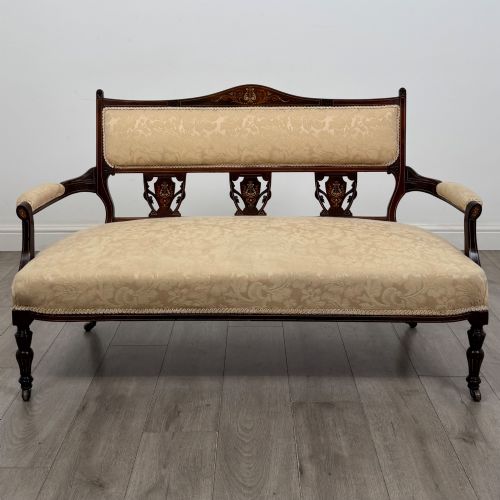
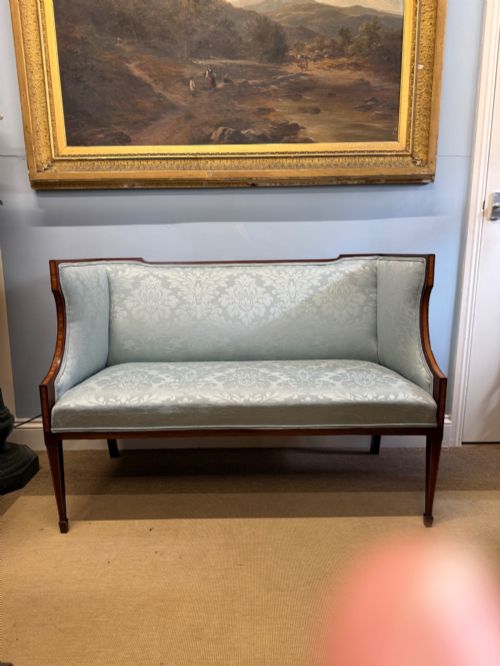
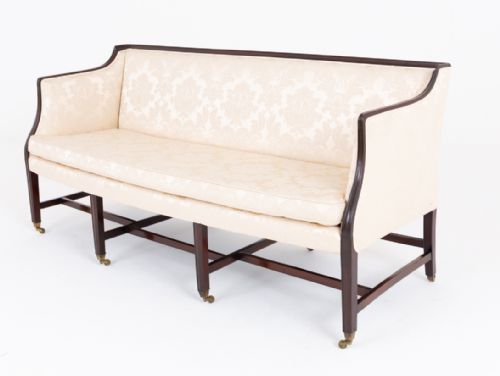
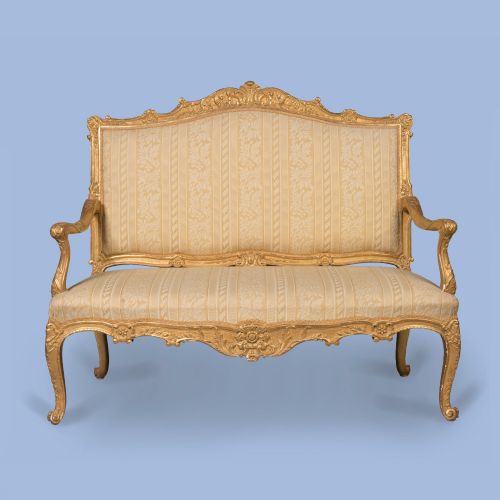
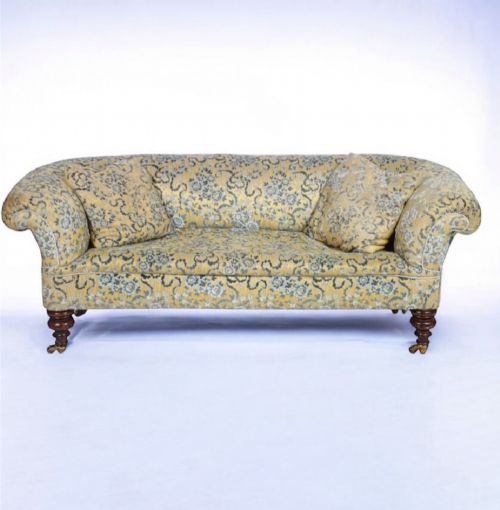
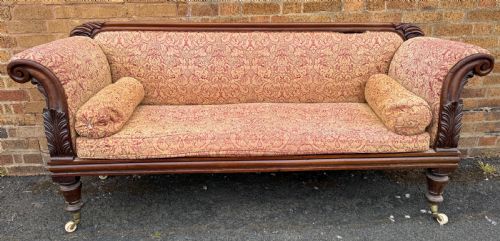
An antique damask settee functions as a principal seating piece in a reception room or salon. The pieces listed display a broad range of nineteenth-century and early twentieth-century periods, including Victorian, Edwardian, William IV, and Georgian styles.
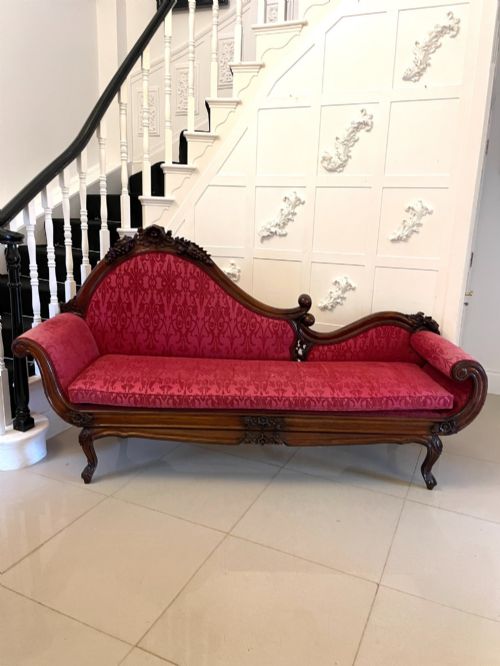
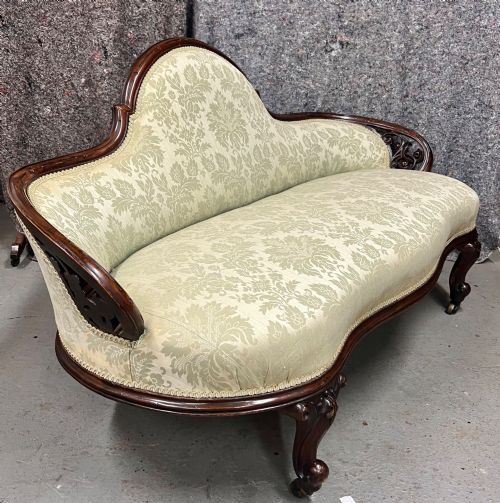
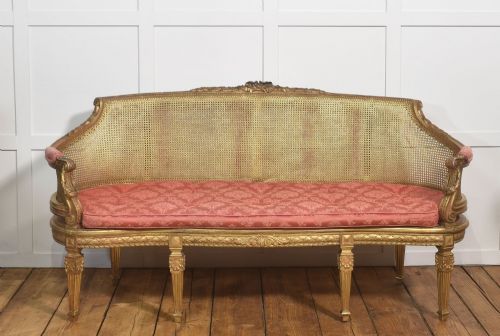
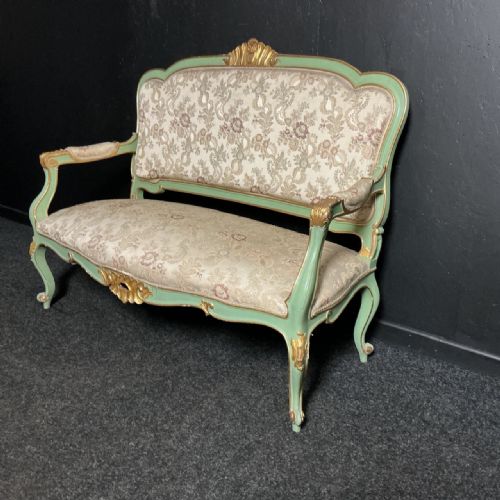
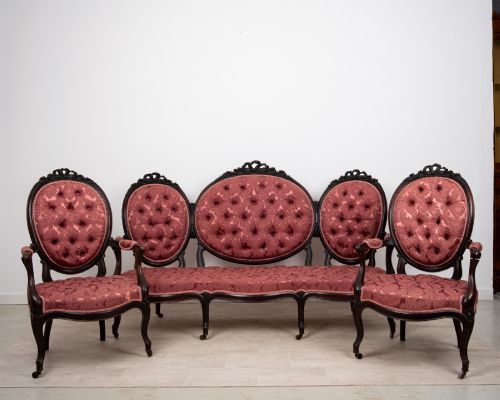
Most examples you encounter take the form of two-seater sofas, larger settees, salon suites, and chaise longues. Frames originate from English workshops as well as French traditions such as Louis XVI style, Louis XV, and Empire Revival.
Materials and construction methods
Frames rely heavily on timbers such as mahogany, walnut, and satinwood, frequently shaped with carved details or inlaid decoration. Giltwood and painted finishes appear on continental forms, alongside brass fittings and ormolu mounts.
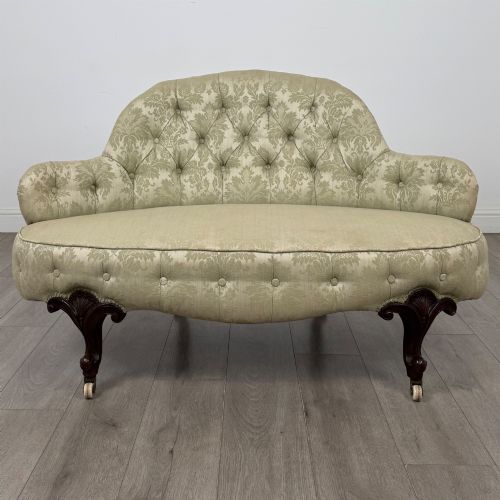
Upholstery incorporates fabric and damask, sometimes featuring deep buttoning or gold damask patterns. Caning is also utilised on specific French-influenced frames.
Listings span multiple decades from the Georgian era through the Edwardian period, utilising mahogany, walnut, and damask fabric.
Assessing quality and craftsmanship
Superior pieces display crisp, hand-carved woodwork in dense timbers like mahogany and walnut, paired with well-proportioned frames and intact structural joinery. Lower tiers often show simpler turned legs, softer secondary woods, or heavier past alterations.
The integration of the upholstery elevates certain examples, particularly where original or period-appropriate damask fabric, deep buttoning, and Ormolu mounts are preserved in balanced harmony with the carved frame.
The Antique Damask Settee Glossary
- Damask
- A reversible figured fabric with patterns formed by weaving, historically used for upholstery and wall hangings. It provides the characteristic textured sheen seen on these settees.
- Chaise Longue
- An upholstered long chair or day bed designed for reclining, combining a chair with an extended seat. Several nineteenth-century variants appear in walnut and mahogany.
- Giltwood
- Timber coated with a thin layer of gold leaf or gesso, typical of grander French salon seating. It creates a bright, reflective surface across the carved frame.
- Knole Sofa
- A traditional English sofa style featuring high adjustable or hinged arms tied with cords, originating from Knole House. Edwardian iterations often adopt this deep-seated form.
- Ormolu
- Gilded bronze mounts applied to furniture for decorative effect, frequently found on French Empire and revival pieces. These metal ornaments accent the primary wood frame.
Antique Damask Settee: Frequently Asked Questions
How do I care for antique damask upholstery?
Vacuum the fabric gently using a soft brush attachment to remove dust without snagging the woven threads. Keep the settee away from direct sunlight to prevent the damask pattern from fading over time.
Professional cleaning is recommended for deeper marks rather than using household liquids. Test any treatment on an unseen area underneath first.
Where were these settees originally placed?
These seating pieces were designed for principal reception rooms, drawing rooms, and private parlours of large houses. They served as formal seating for entertaining guests or for quiet reading.
Smaller salon suites were arranged in conversational groups within drawing rooms. Day beds and chaise longues were often kept in private boudoirs.
How do I distinguish Victorian from Edwardian settees?
Victorian settees generally feature heavier carved mahogany or walnut frames, often with deep buttoned upholstery and dark, rich timbers. They tend to be robust and richly ornamented.
Edwardian pieces frequently display lighter satinwood inlays, slender frames, and brighter mahogany or walnut. The overall aesthetic feels airier and less dense than mid-nineteenth-century work.
Can I use an antique settee every day?
Most antique settees are structurally sound for everyday seating if the internal webbing and joints remain stable. However, delicate giltwood or highly carved show-wood frames require more gentle daily use.
Check the stability of the frame and legs before heavy placement. Professional reupholstering can renew worn internal padding while retaining the original exterior frame.