


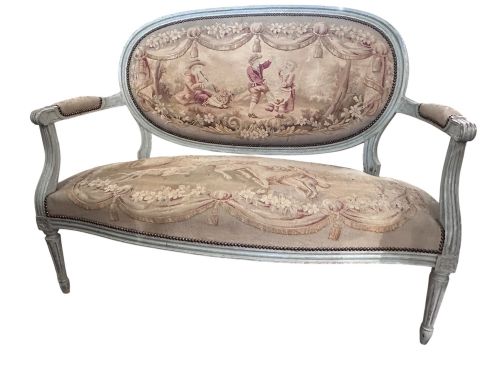


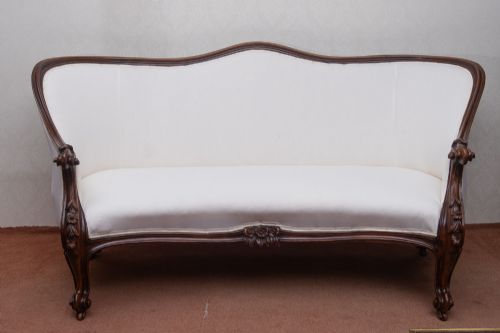
French Parlour Sofa
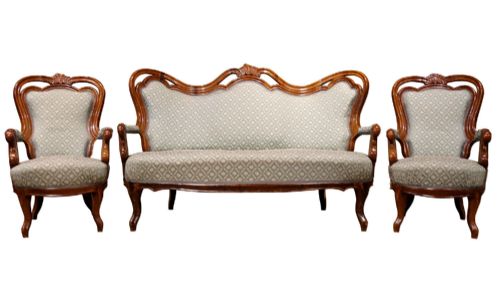
A french parlour sofa brings formal elegance to a room, offering carved wooden frames and upholstered seating shaped by nineteenth-century revival styles.
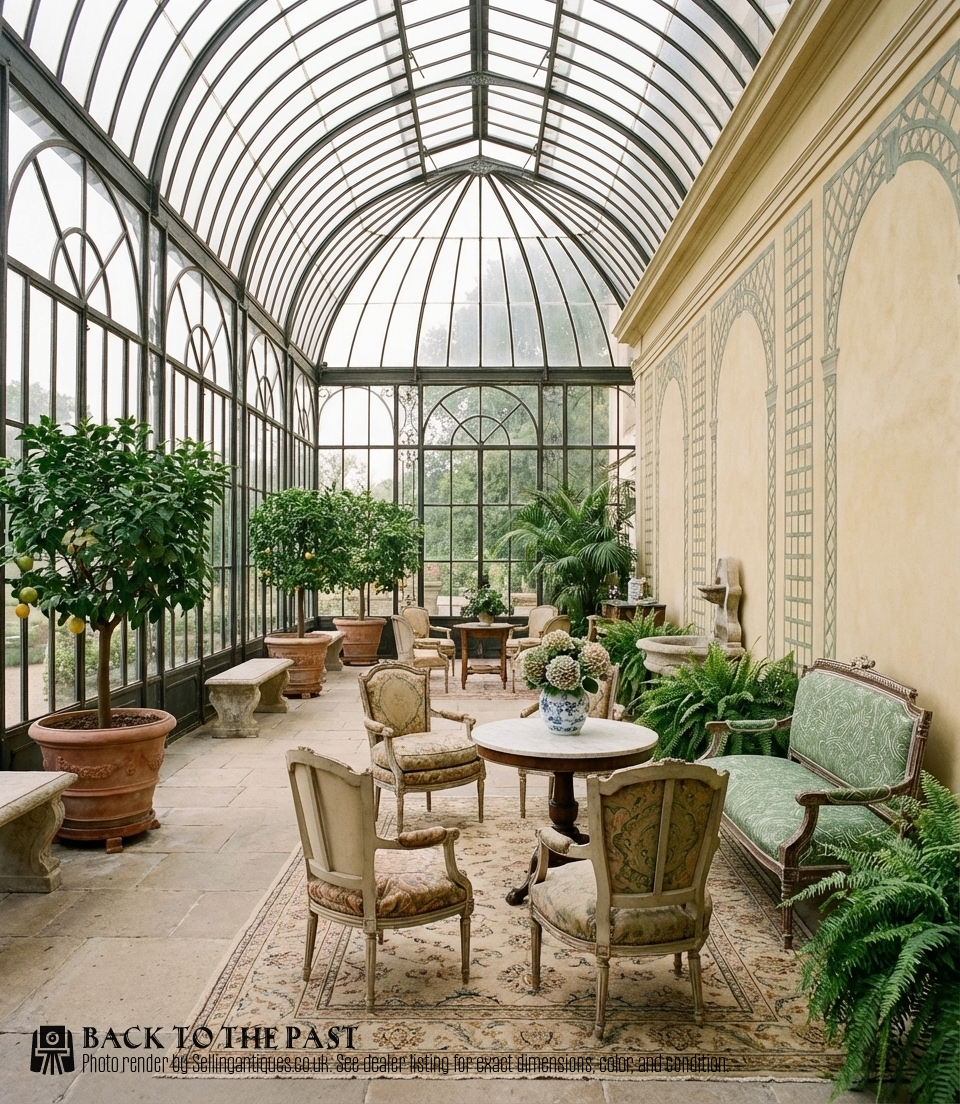
French Parlour Sofa
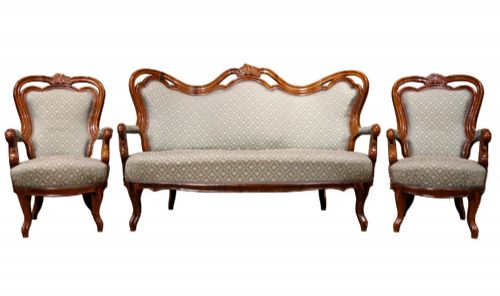
When you search for a french parlour sofa, you encounter seating designed for formal reception rooms, ranging from single settees to complete multi-piece salon suites. The inventory draws heavily on nineteenth-century pieces alongside early twentieth-century examples, reflecting sustained demand for continental revival aesthetics.
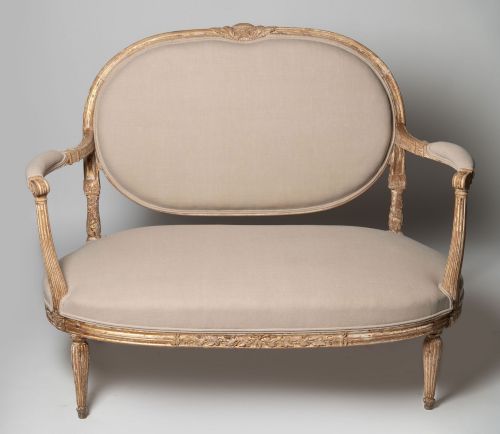
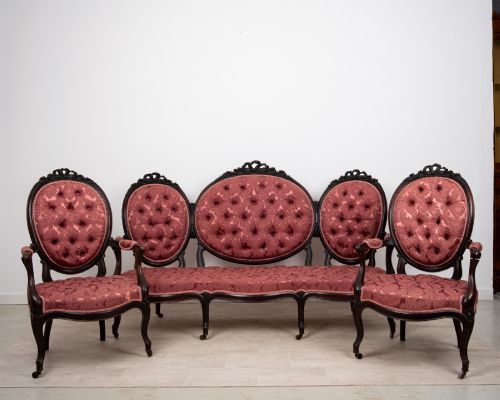
You meet variations spanning the Louis XVI style, Rococo Revival, and French Empire forms. Pieces appear as standalone two-seat settees, triple-back settees, and canapés, frequently accompanied by matching armchairs in larger suites.
Makers and manufacturers produced these items using walnut, mahogany, beech, and giltwood. Upholstery choices include silk damask, deep buttoned textiles, and traditional caning.
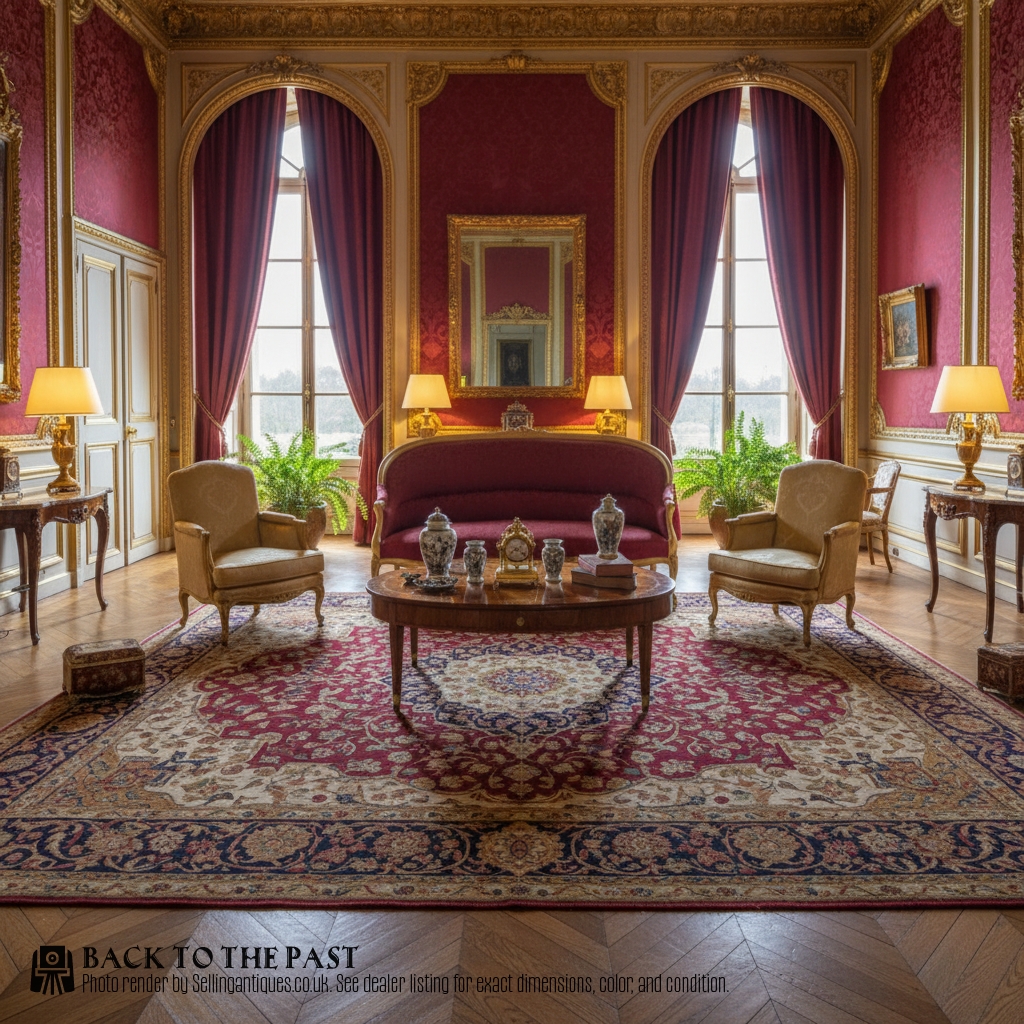
Materials and construction
Frames rely on hardwoods such as walnut, mahogany, and beech, alongside softwood or beech carcasses finished with paint, ebonising, or heavy gilding. Giltwood and gilt paint impart the characteristic metallic gleam seen across Louis XVI and Empire revival pieces.
Carving defines the structural woodwork, displaying floral motifs, classical ribbons, and fluted legs characteristic of French Neoclassical and Rococo taste. Joinery combines traditional cabinet-making techniques with applied decorative mouldings and brass mounts.
Upholstery involves textiles like silk damask and patterned fabric, often secured with deep buttoning or integrated with woven cane panels on backrests. Internal stuffing relies on period materials to support the shaped contours of the settee.
French Parlour Sofa Retail Price Guide 2026
Typical asking prices for french parlour sofa among the pieces listed under this phrase on Sellingantiques today, from the lower quarter to the upper quarter. They describe what is for sale here now, not the wider market.
Listings feature items spanning the nineteenth century through the 1930s, utilising giltwood, walnut, mahogany, beech, and textile upholstery.
Judging the standard of execution
The crispness and depth of the timber carving separate standard production from finer pieces. Sharp, hand-chiselled acanthus leaves and fluting indicate superior craftsmanship compared to soft or mechanical moulding.
The integrity of the original giltwood or painted finish dictates visual success. Surfaces retaining their authentic layered gilding or period paint show greater fidelity to original atelier standards than unsympathetic modern overpainting.
The French Parlour Sofa Glossary
- Canapé
- An upholstered sofa or settee, typically featuring an exposed wooden frame and decorative backrest. These forms were central to French salon seating arrangements.
- Giltwood
- Timber coated with gold leaf or a gold-coloured metallic preparation. This finish appears frequently on formal nineteenth-century revival frames.
- Bergère
- An enclosed upholstered armchair or sofa style featuring upholstered sides. Examples often combine exposed painted wood with cane panels.
- Salon suite
- A matched set of seating furniture comprising a settee and companion armchairs. These groupings furnished nineteenth-century formal reception rooms.
- Rococo Revival
- A nineteenth-century design movement emulating the asymmetrical curves and organic ornamentation of the eighteenth-century French Rococo period.
French Parlour Sofa: Frequently Asked Questions
What is a french parlour sofa?
A french parlour sofa is an antique upholstered settee designed for formal reception rooms during the nineteenth and early twentieth centuries.
These pieces typically feature exposed carved wooden frames in walnut, mahogany, or giltwood, following styles such as Louis XVI, Rococo Revival, and French Empire.
How were these sofas used?
These settees served as formal seating in nineteenth-century parlours and drawing rooms for entertaining guests.
They functioned both as individual decorative statement pieces and as part of larger matching salon suites alongside armchairs.
How do I identify the style?
Style identification relies on examining the woodwork motifs and overall silhouette. Louis XVI pieces display straight fluted legs and classical symmetry, while Rococo Revival examples showcase curved lines and floral carvings.
Empire items feature bolder architectural proportions with classical revival detailing.
Are they part of matching sets?
Many of these sofas originate from larger multi-piece salon suites that include matching armchairs and centre tables.
Individual settees also appear independently from suites, reflecting how rooms were furnished and subsequently dispersed.