


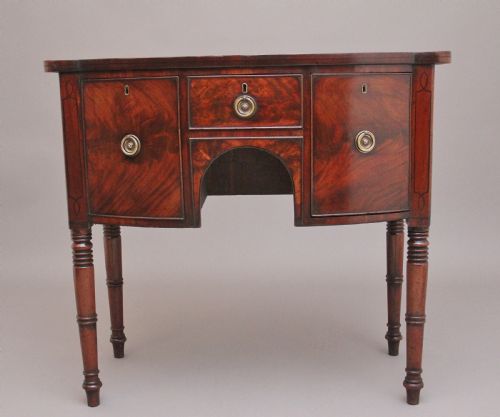


Antique Cutlery Cabinet
An antique cutlery cabinet houses silver and flatware in fitted compartments, offering collectors a practical piece of period furniture.
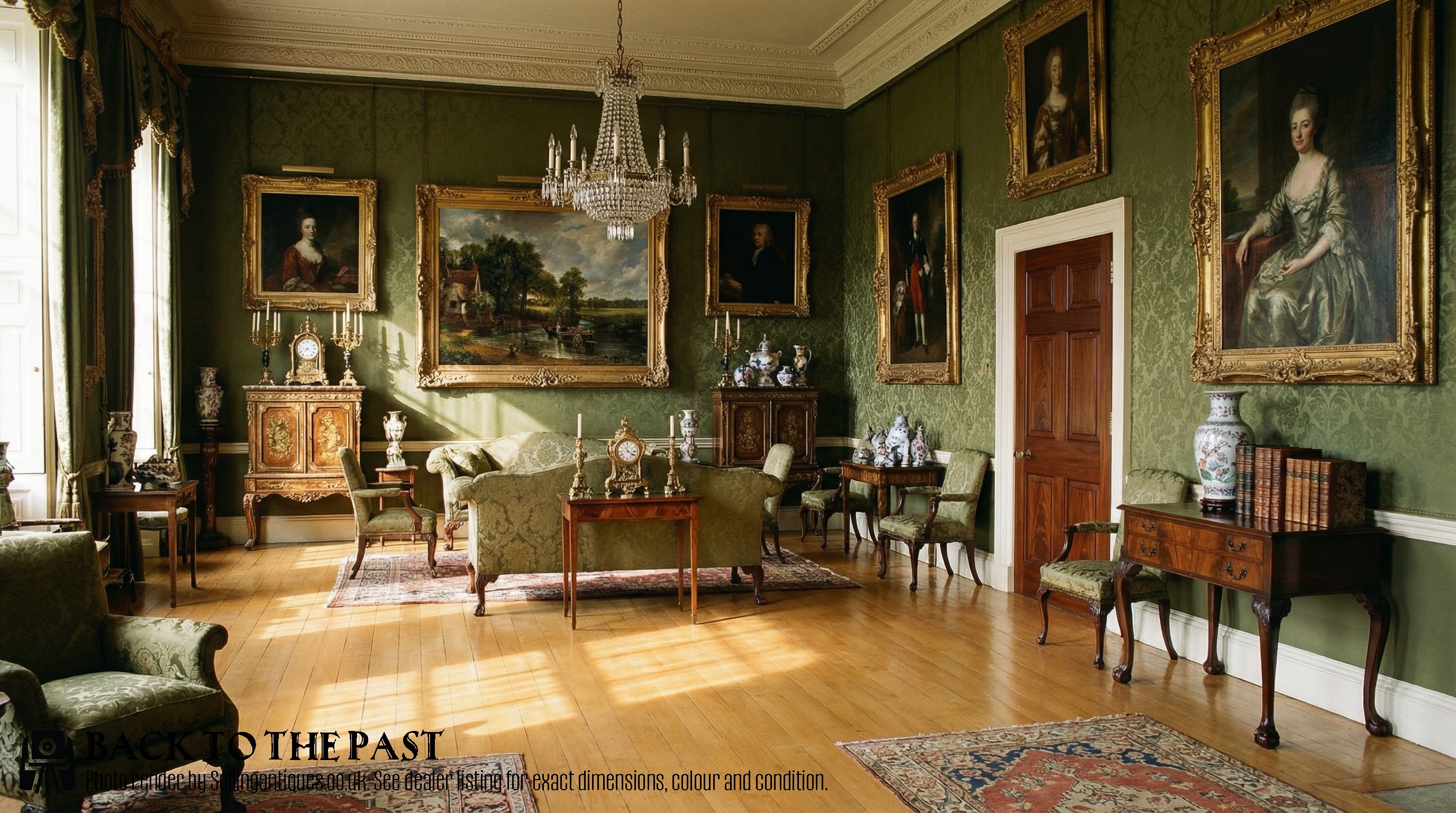
Antique Cutlery Cabinet
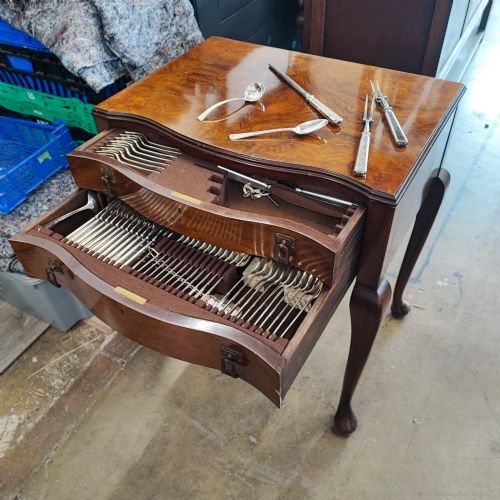
When you search for an antique cutlery cabinet, you are looking at specialised storage furniture designed to protect silver and flatware. These pieces range from tabletop chests and hanging boxes to large sideboards and canteen tables equipped with internal partitions.
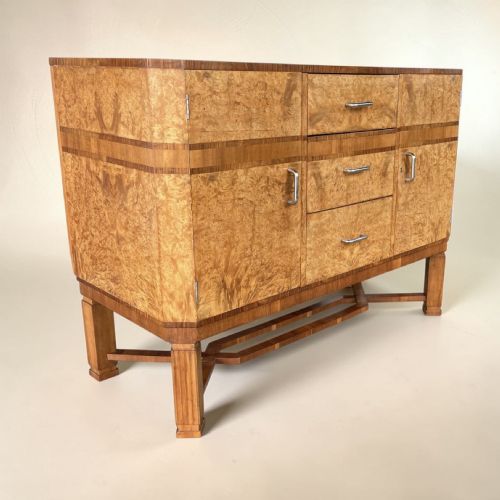
On this page, you are most likely to meet pieces spanning the Georgian, Victorian, and Edwardian periods, alongside later Art Deco examples. Materials vary from mahogany and burr walnut to oak, often lined internally with felt or velvet to cushion the cutlery.
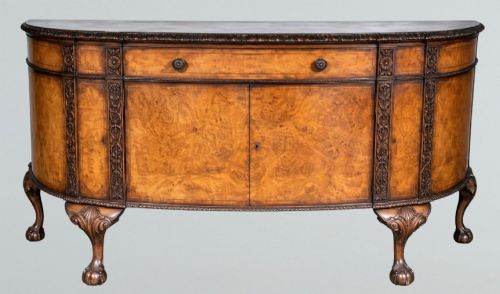
The objects listed include dedicated cutlery chests, knife boxes, and sideboards that incorporate fitted canteens. Origins trace through the nineteenth and early twentieth centuries, reflecting the domestic habits of those eras.
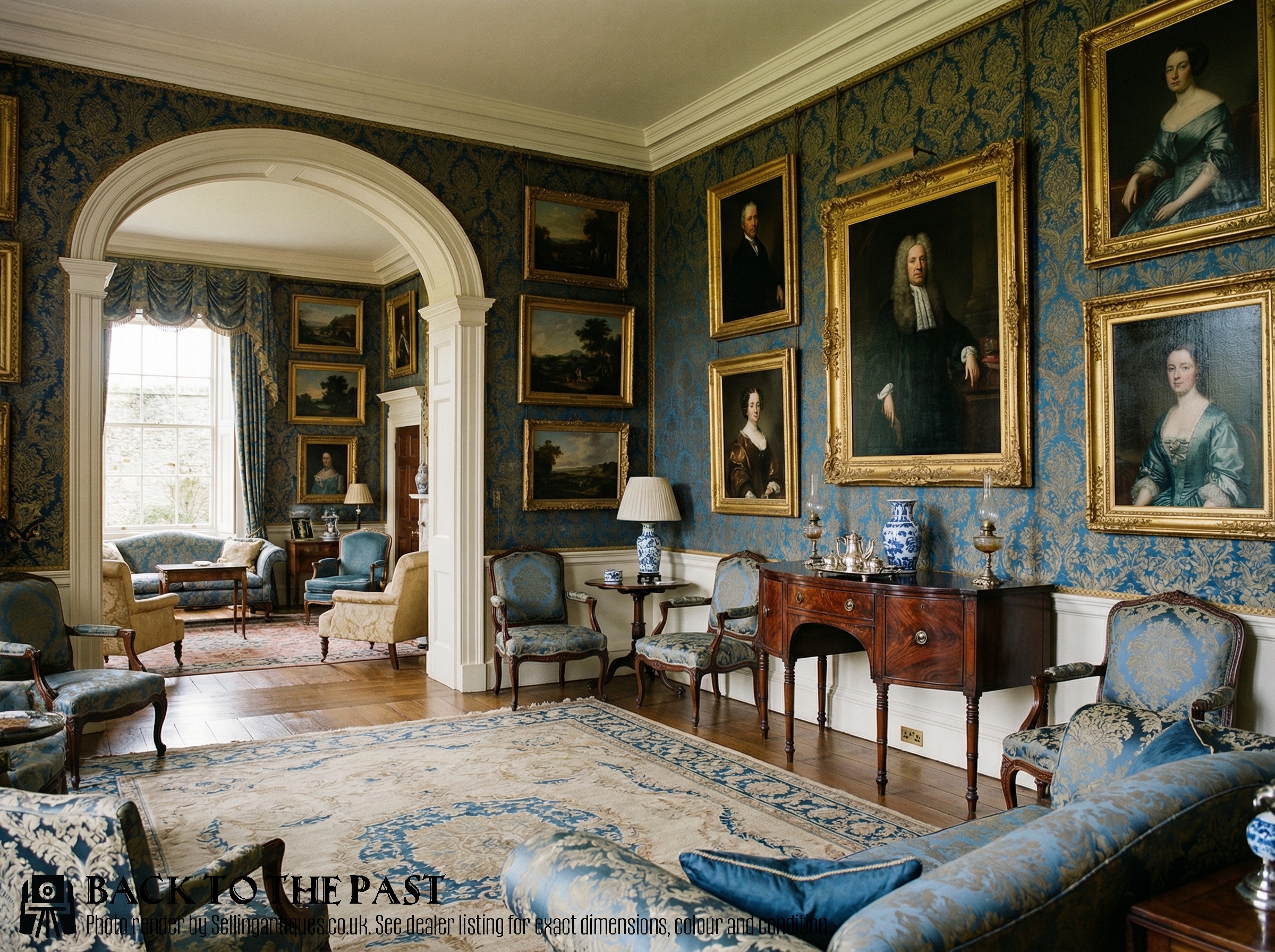
How they were made
Makers utilised dense timbers such as mahogany, oak, and burr walnut for the exterior carcasses, ensuring structural stability for heavy internal drawers. Hardwood construction provides the robust framework necessary to support multiple layers of flatware.
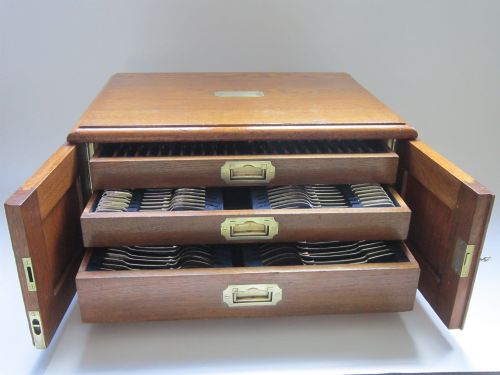
Interiors feature precise carpentry to create individual slots and compartments for forks, spoons, and knives. Linings of felt or velvet protect the metal surfaces from friction, while brass hardware such as handles and escutcheons secures the drawers and lids.
Listings feature oak, mahogany, and burr walnut cabinets, alongside brass hardware and felt or velvet linings from the Georgian period onward.
What varies in quality
The distinction between tiers of quality lies in the selection of timber veneers, the precision of the internal partitioning, and the integrity of the fitted linings. Finer examples display carefully matched wood grains on the exterior and hand-cut joinery within the drawers.
Hardware execution also separates standard pieces from superior ones, visible in the weight of the brass fittings and the smoothness of the drawer actions. Maker attribution, such as work originating from established silversmiths and cabinetmakers, further defines the standing of a piece.
Walker & Hall, Sheffield·Mappin & Webb
The Antique Cutlery Cabinet Glossary
- Canteen
- A fitted box, chest, or cabinet designed specifically to hold a set of cutlery. These interiors keep flatware organised and protected from tarnish.
- Escutcheon
- A protective plate surrounding a keyhole on a cabinet door or drawer front. They are typically cast from brass.
- Fiddle Pattern
- A traditional shape for silver flatware characterised by a stemmed handle that widens into a flattened, fiddle-like top. This style appears frequently in nineteenth-century canteens.
- Knife Box
- A small tabletop container, often sloped, designed to hold dining knives upright or flat. Georgian examples frequently feature inlaid mahogany construction.
Antique Cutlery Cabinet: Frequently Asked Questions
What is an antique cutlery cabinet?
An antique cutlery cabinet is a specialised piece of furniture built to house and organise sets of flatware. These range from portable tabletop chests to large dining room sideboards.
Inside, the pieces feature fitted compartments lined with materials like felt or velvet to keep silver and steel securely separated.
How do I date a cutlery cabinet?
Dating relies on examining the timber species, construction methods, and hardware styles. Georgian and Victorian pieces often show hand-dovetailed drawers and specific wood choices like mahogany.
Later Edwardian and Art Deco examples introduce different woods such as burr walnut alongside varied internal partitioning layouts.
Were these cabinets made for specific sets?
Many cabinets were manufactured to house particular quantities of flatware, ranging from modest family sets to large canteens containing over a hundred pieces.
The internal slots and trays were carved to match the precise dimensions of the spoons, forks, and knives intended for them.
How do I care for the interior linings?
The interior felt or velvet linings require protection from moisture and direct sunlight to prevent fading and deterioration over time. Gentle surface cleaning with a soft brush helps remove dust without disturbing the fabric.
Keeping the cabinet in a stable environment preserves both the textile linings and the timber exterior.