

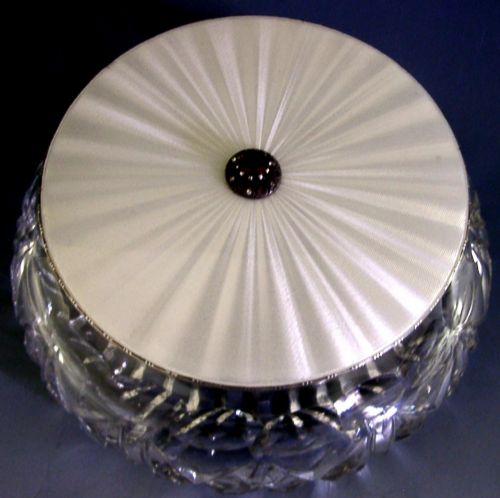


Antique Cut Crystal Jar
When you handle an antique cut crystal jar, you hold a piece designed to grace a dressing table or dining sideboard with weight and brilliance.
Antique Cut Crystal Jar
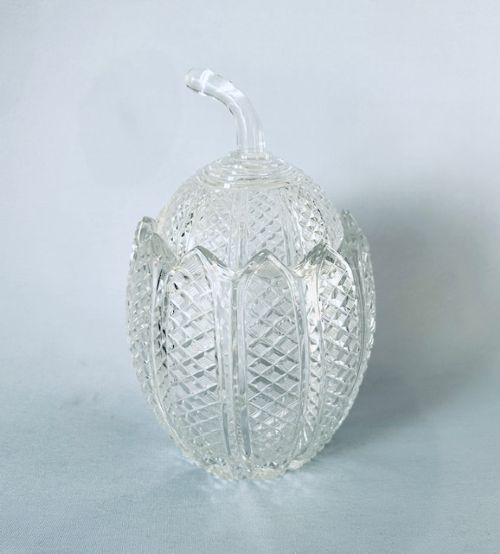
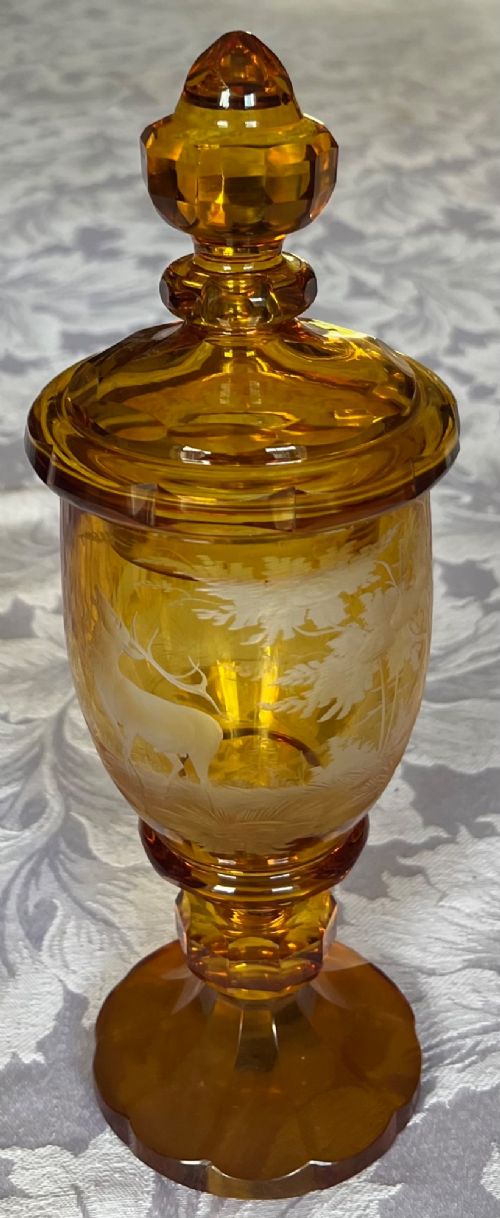
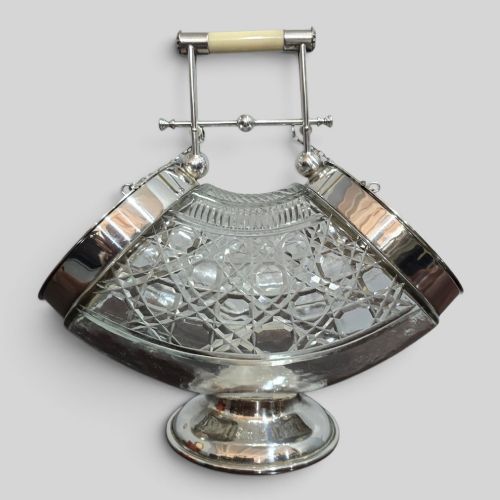
The search phrase antique cut crystal jar brings together containers made for varied domestic uses across multiple decades and design movements. The versions you meet most frequently on this page include biscuit barrels, trinket boxes, scent bottles, and vanity jars.
These vessels span the Georgian, Victorian, Edwardian, and Art Deco periods, drawing on British, French, and German manufacture. Forms range from heavy lidded butter dishes and tea caddies to small dressing table pots fitted with precious metal mounts.
Materials and technique
Makers produced these jars using lead crystal or clear glass shaped by hand blowing and then faceted with deep geometric or hobnail cuts to catch the light. The resulting heavy glass body provides the structural foundation for the piece.
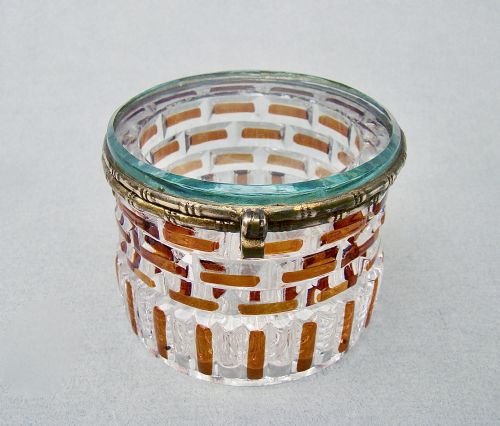
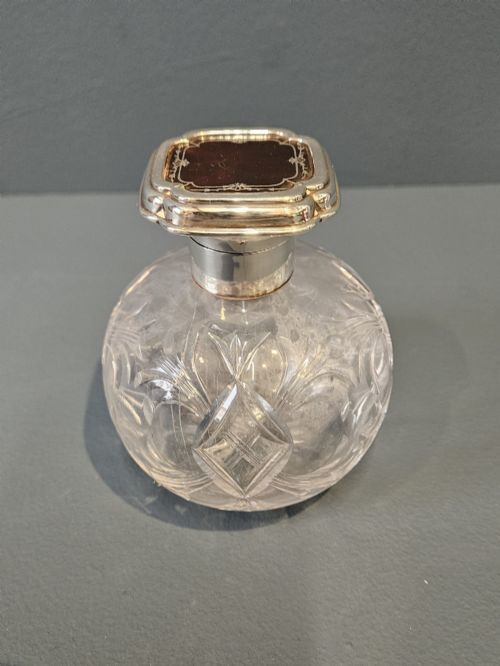
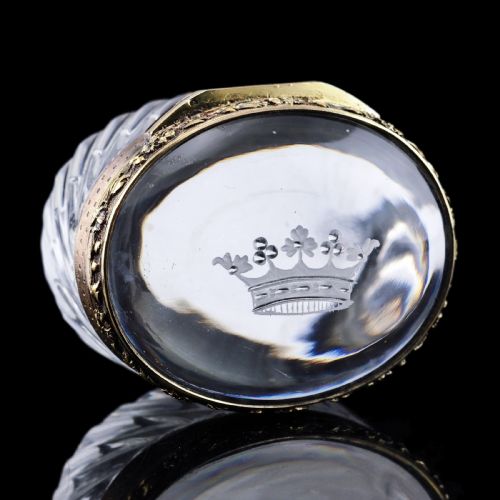
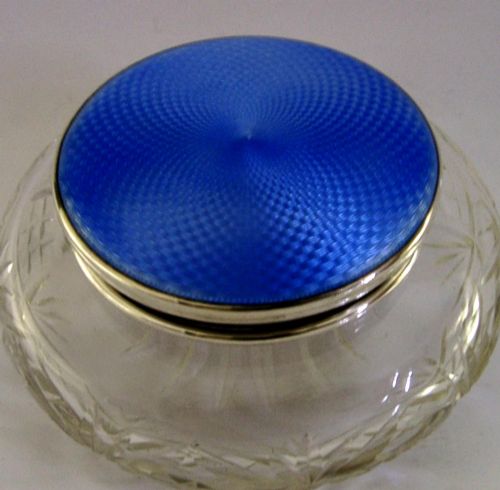
Craftsmen paired the crystal with mounts, collars, and hinged lids formed from sterling silver, silver plate, or occasionally gold gilt. Many lids incorporate additional decorative elements such as tortoiseshell, blue enamel, or engraved heraldic crests.
Listings span the Georgian, Victorian, Edwardian, and Art Deco periods, using lead crystal, sterling silver, silver plate, and tortoiseshell.
Separating the grades
The distinction between ordinary utility containers and finer examples rests on the crispness of the glass cutting and the weight of the crystal. Superior pieces display deep, sharp facets that refract light cleanly without blurring or surface ripples.
Baccarat·Walker & Hall·William Comyns·Asprey & Co·Posen
The Antique Cut Crystal Jar Glossary
- Hobnail cut
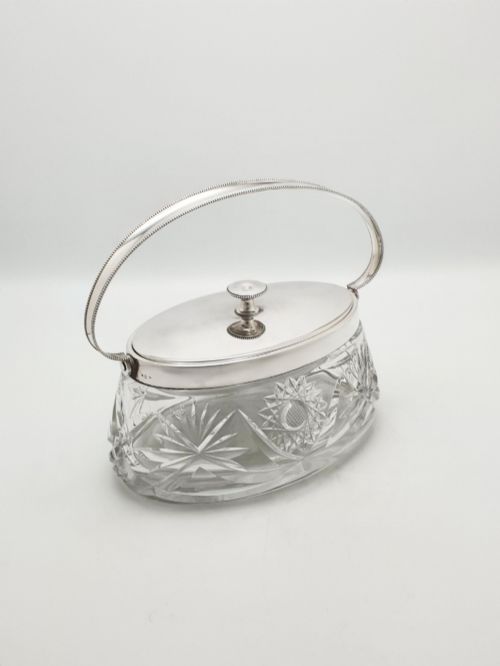
- A pattern of sharp, pyramid-shaped facets radiating across the surface of the glass. This dense cutting style creates a highly textured exterior that maximises sparkle.
- Lead crystal
- Glass containing a significant proportion of lead oxide, which increases the weight, refractive index, and clarity of the material. It allows for deeper and sharper cuts than standard soda-lime glass.
- Biscuit barrel
- A covered container traditionally used for storing dry biscuits on the dining table or sideboard. These often feature a swing handle and a silver plated or sterling silver mount.
- Vanity jar
- A small lidded container designed for a dressing table to hold cosmetics, pins, or trinkets. They frequently feature precious metal, enamel, or tortoiseshell lids.
- Pique inlay
- A decorative technique involving the insertion of tiny gold or silver pins into a tortoiseshell surface to form geometric or floral motifs. It appears on select dressing table lids.
Antique Cut Crystal Jar: Frequently Asked Questions
What were antique cut crystal jars used for?
These jars served practical and decorative functions across the home, from storing biscuits and preserves in the dining room to holding perfumes and cosmetics on dressing tables.
Wealthier households used matching sets of vanity jars and scent bottles as part of extensive dressing table services made of glass and precious metals.
How do I identify a Victorian jar from an Edwardian one?
Victorian examples tend to feature heavy, elaborate cutting and substantial silver plated mounts, sometimes incorporating heraldic finials or dragon motifs.
Edwardian pieces often shift towards lighter geometric patterns, occasionally pairing the cut crystal with blue enamel or tortoiseshell lids typical of the early twentieth century.
How should I clean and care for a crystal jar?
Wash the glass gently in lukewarm water with mild soap, avoiding sudden temperature changes that can stress old lead crystal.
Keep silver and metal mounts dry and polish them separately with a soft cloth to preserve the surface without exposing the glass to abrasive polishes.
Are silver mounts usually hallmarked?
British sterling silver mounts on these jars generally bear hallmarks indicating the assay office, date letter, and maker's mark.
Foreign pieces, such as those from French or German makers, often carry standard continental silver control marks instead of British stamps.