




Antique Curiosity Display Case
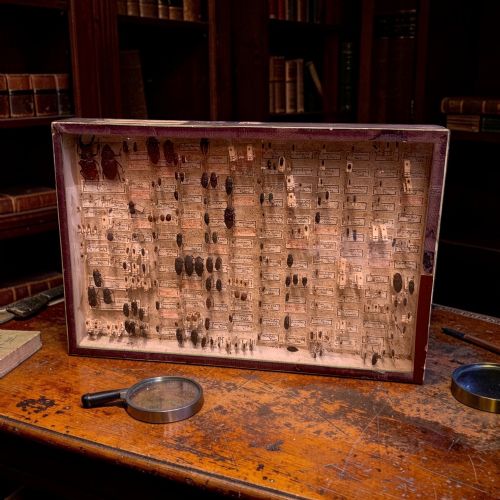
An antique curiosity display case holds the strange and singular, framing preserved nature and scientific instruments behind glass to turn personal collections into intimate museums.
Antique Curiosity Display Case
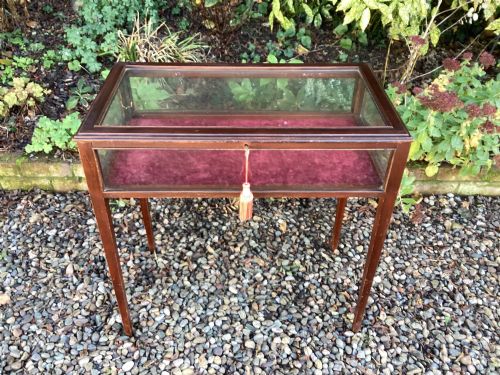
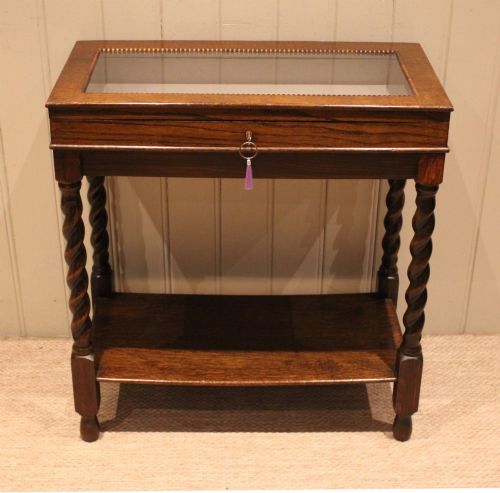
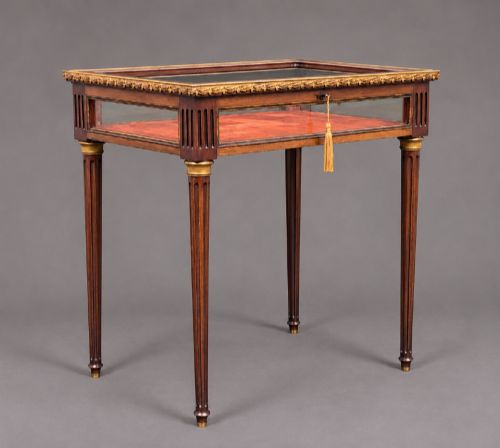
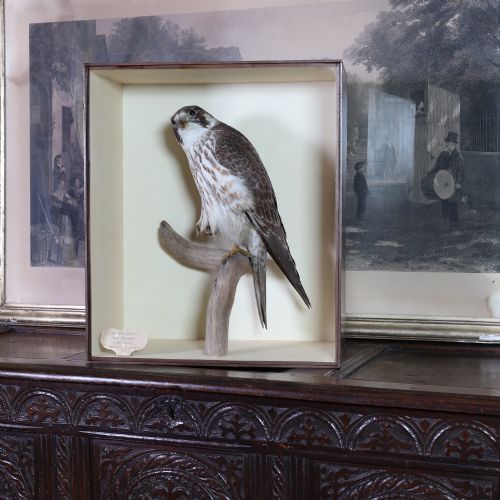
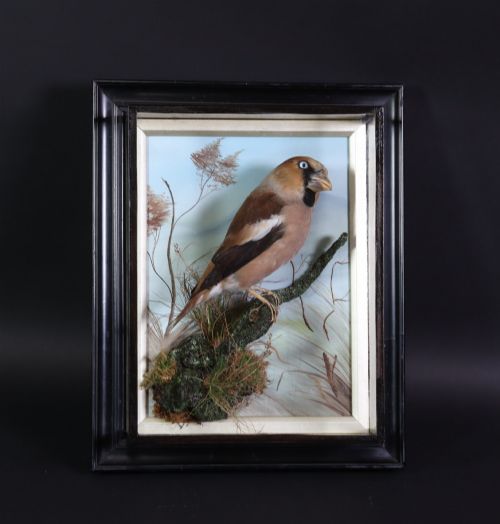
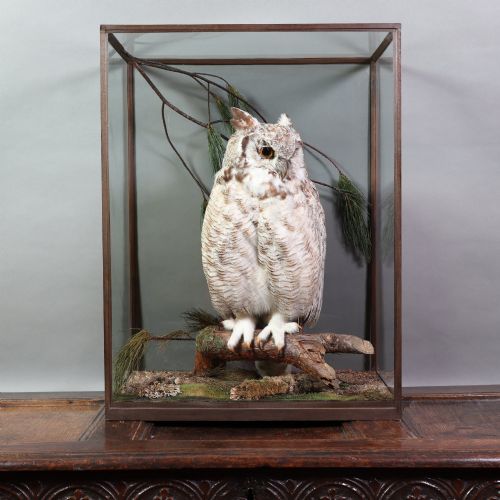
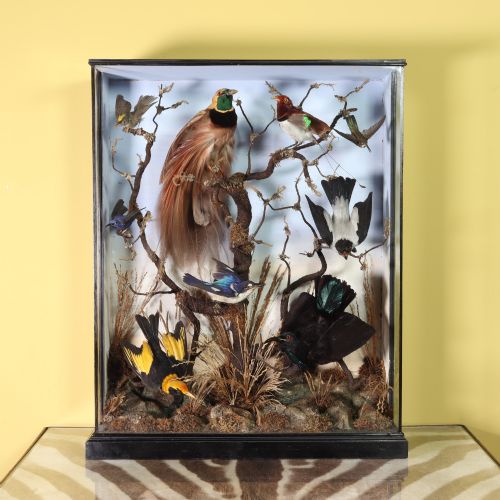
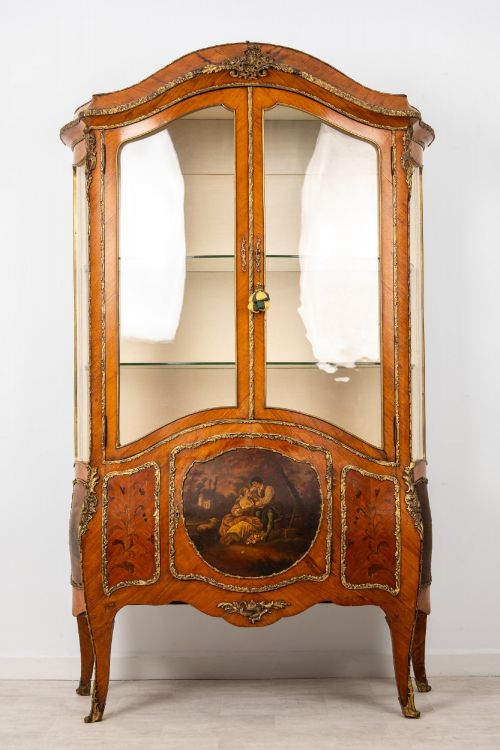
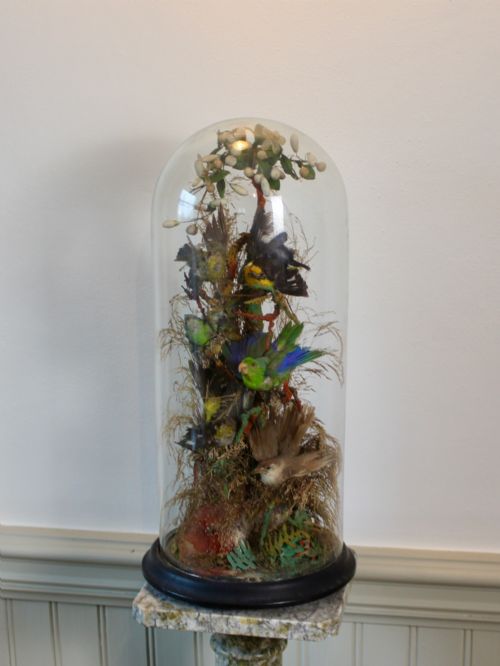
The antique curiosity display case encompasses several distinct forms designed to shelter unusual objects, spanning glass domes, table vitrines, and wall-mounted taxidermy frames.
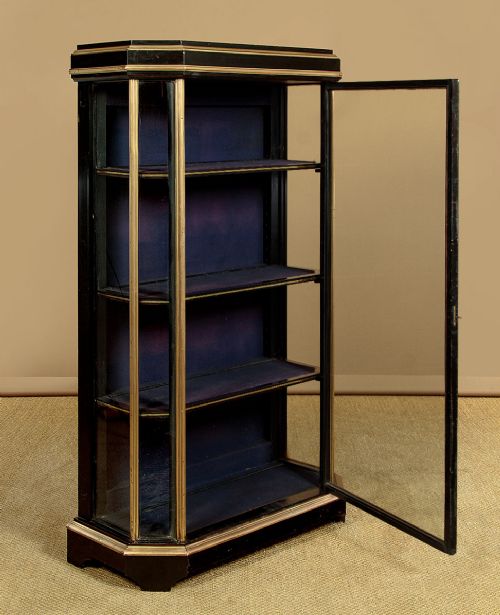
Victorian and Edwardian pieces dominate the selection, bringing mahogany, ebonised wood, and brass-mounted cabinetry from the nineteenth and early twentieth centuries directly into domestic interiors.
Buyers encounter everything from towering specimen showcases and bijouterie tables to enclosed bird compositions, each tailored for specific genres of eccentric collecting.
Materials and Technique
Makers utilised solid timbers such as mahogany and cedar alongside ebonised wood to build sturdy frames and cabinets, often enriching surfaces with delicate marquetry and inlay work.
Glazing techniques required blown and drawn glass formed into clear domes, cloches, and flat cabinet panels designed to protect delicate specimens from dust and handling.
Metal mounts in brass and ormolu fastened structural corners and hinged doors, whilst internal fabrics provided contrasting backdrops for displayed feathers, birds, and scientific instruments.
Antique Curiosity Display Case Retail Price Guide 2026
Typical asking prices for curiosity display case among the pieces listed under this phrase on Sellingantiques today, from the lower quarter to the upper quarter. They describe what is for sale here now, not the wider market.
Listings span the nineteenth and early twentieth centuries, featuring mahogany, ebonised wood, brass, and hand-blown glass.
Craftsmanship and Construction
Quality rests in the joinery of the timber frame and the clarity of the original glass, where hand-blown domes display subtle surface ripples absent in later machine-rolled panes.
The refinement of internal mounts, brass hinges, and fabric linings separates utilitarian storage boxes from finely detailed vitrines made for wealthy collectors.
Taxidermy cases and diorama integration depend heavily on the skill of the preparator, whose artistry dictates whether a mounted specimen retains lifelike posture and enduring condition.
Bill Cox of Liverpool·Cullingford of Durham·Rowland Ward Ltd·Hutchings of Aberystwyth·James Gardner
The Antique Curiosity Display Case Glossary
- Bijouterie table
- A glass-topped display table specifically designed for showing small valuables, medals, and personal trinkets. These pieces often feature hinged lids lined with velvet or silk.
- Cloche
- A bell-shaped glass cover used to protect delicate ornaments, clocks, or taxidermy specimens. They sit directly upon a wooden or mirrored base.
- Vitrine
- A glass-fronted cabinet or display case intended for the exhibition of fine porcelain, curiosities, and small artefacts. They range from tabletop models to large pedestal furniture.
- Ormolu
- Gilded bronze mounting applied to furniture and display cases during the eighteenth and nineteenth centuries. The technique creates bright metallic decorative accents.
- Vernis Martin
- A simulated Japanese lacquer technique developed in France, utilised on fine cabinets to produce a glossy, multi-layered decorative surface.
Antique Curiosity Display Case: Frequently Asked Questions
What fits inside a table vitrine?
Table vitrines suit flat and shallow curiosities such as medals, coins, pocket watches, and delicate textiles.
The glass top allows detailed inspection while keeping fragile items secure from handling.
How do glass domes attach to their bases?
Most antique glass domes rest within a routed groove on a turned wooden or polished slate base.
Gravity keeps the heavy glass securely in place without requiring permanent fixings.
Were scientific instruments displayed in homes?
Scientific apparatus like electrotherapy devices and medical instruments often found places in the studies of Victorian gentlemen.
Their polished brass and intricate mechanisms made them popular conversation pieces.
How should I clean an antique display case?
Timber frames benefit from occasional applications of beeswax to nourish the antique grain without building up heavy residue.
Old glass requires gentle cleaning with a soft cloth and mild solution, taking care near fragile joints.