


Glazed Collectors Table
A glazed collectors table lets you exhibit small treasures securely under glass, combining the utility of a display cabinet with the intimacy of a tabletop surface.
Glazed Collectors Table
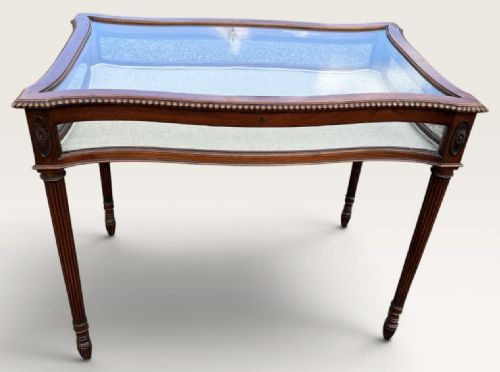
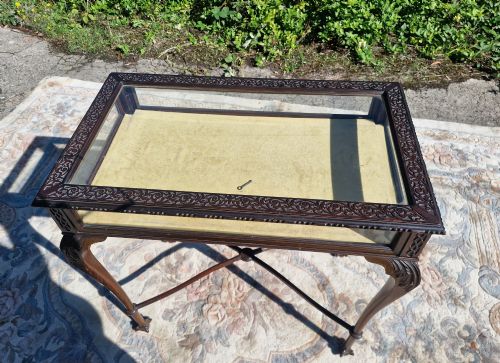
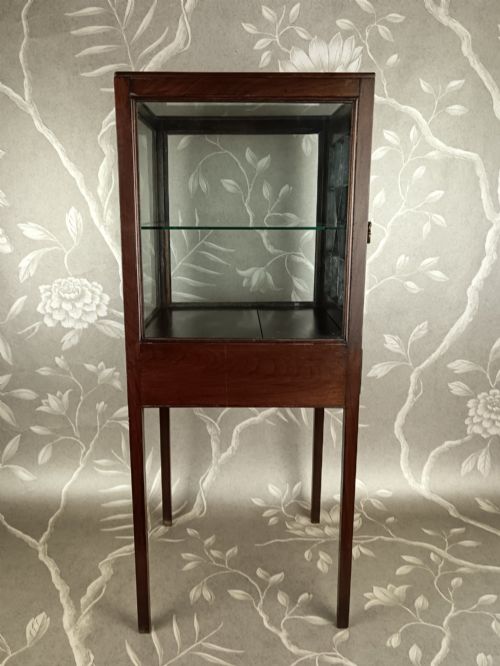
When searching for a glazed collectors table, you encounter forms that span several distinct periods, including Victorian, Edwardian, and Georgian eras. These pieces function primarily to showcase jewellery, medals, and small curiosities beneath a protective glass lid or panel.
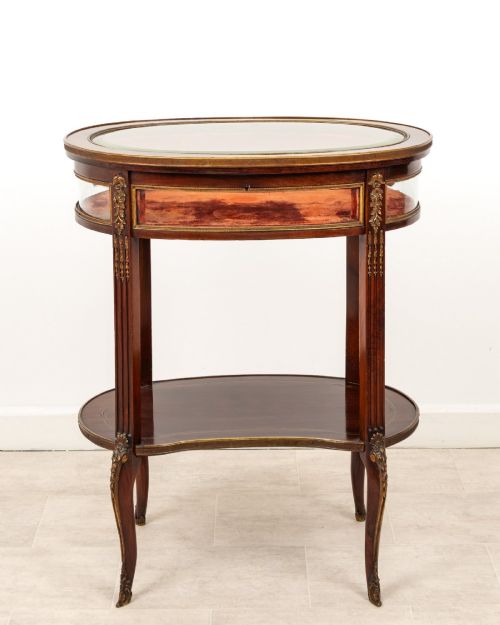
The most common versions on this page are Edwardian and 1900s bijouterie tables fashioned from mahogany, often featuring glazed tops and lined interiors designed to cushion delicate objects. Display tables and vitrines appear frequently, offering various depths and framing styles to suit different collecting habits.
The lineage of these tables stretches from nineteenth century cabinetmaking traditions into early twentieth century workshops, encompassing French revival styles alongside British iterations. Each piece balances structural timber frames with transparent upper viewing areas tailored for intimate examination.
Markers of distinction in construction and design
Quality reveals itself in the precision of the timber joinery and the selection of figured veneers like burr walnut or satinwood. Superior examples exhibit refined carving, clean lines in serpentine or heart-shaped forms, and harmonious proportions between the glazed upper compartment and the supporting legs.
Hardware and secondary materials also distinguish higher tier pieces, noting the crispness of brass or ormolu mounts and the finish of the internal velvet or fabric linings. The integration of complex inlays and well-fitted glass panels separates standard utility cabinets from masterwork display tables.
Several items carry later sign-written details related to Breitling watches, indicating past commercial use in jewellers' shops.
The Glazed Collectors Table Glossary
- Bijouterie table
- A low display table with a glazed top, specifically designed for holding jewellery and small ornaments. These pieces typically feature hinged lids that lift to grant access to the velvet-lined interior.
- Vitrine
- A glass-fronted or glass-topped cabinet used for displaying objects of curiosity. The term covers both tabletop display cases and larger freestanding furniture items.
- Ormolu
- Gilt bronze mounts applied to furniture for decorative effect. This technique was widely utilised during French revival periods to accent mahogany and kingwood surfaces.
- Marquetry
- The art of applying small pieces of veneer to a structure to form decorative patterns or pictures. Craftsmen employed this on table tops and cabinet friezes using contrasting timbers like satinwood.
- Burr walnut
- Timber taken from a tree growth that produces intricate, swirling grain patterns. Cabinetmakers prized this material for its decorative impact on prominent surfaces.
Glazed Collectors Table: Frequently Asked Questions
What fits inside a glazed collectors table?
These tables suit small personal items such as pocket watches, rings, medals, coins, and miniatures. The shallow depth keeps objects visible and prevents them from shifting about.
Deeper vitrines can accommodate slightly taller ornaments, though the primary design intent remains the flat arrangement of delicate curiosities.
How do I care for the fabric lining?
Original velvet or fabric linings require gentle maintenance using soft brush attachments or low suction to remove dust without damaging the fibres. Avoiding direct sunlight prevents fading of both the textile interior and the surrounding wooden frame.
Moisture control remains vital to protect antique timber and the glues holding the glass panels in place.
Are these tables sturdy enough for daily use?
Mahogany and walnut frames provide robust structural support suitable for regular placement in living spaces. The hinged glass lids require gentle handling to preserve original hinges and framing joints.
Positioning the table away from high traffic areas prevents accidental impacts to the glass top and delicate legs.
How do I distinguish Edwardian from Victorian examples?
Victorian pieces often feature darker timbers, heavier carved details, and robust proportions associated with nineteenth century production. Edwardian variations frequently lean towards lighter satinwood or inlaid mahogany, reflecting the brighter aesthetic preferences of the early twentieth century.
French revival styles from both eras incorporate ormolu mounts and serpentine or heart-shaped outlines.