
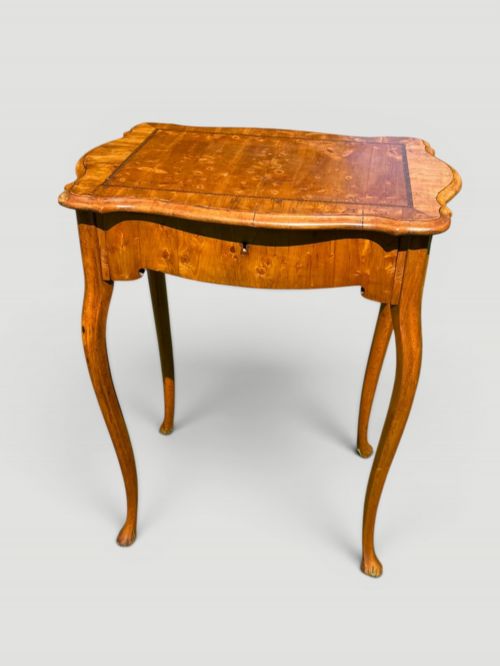


Continental Side Table
A continental side table brings European craftsmanship into a room, offering surface space with distinct regional character.
Continental Side Table
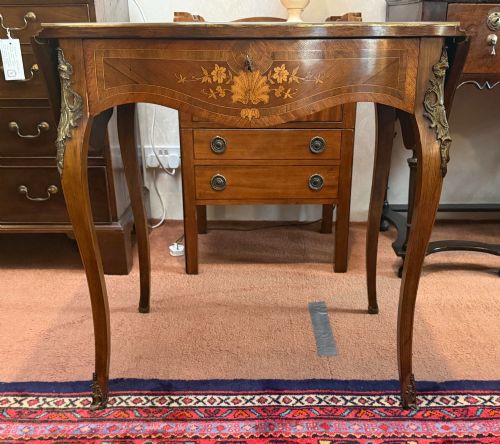
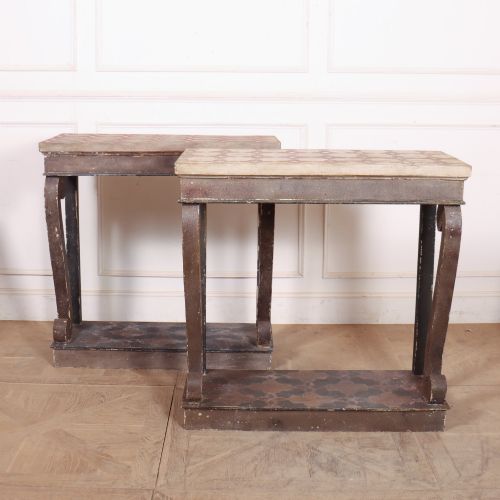
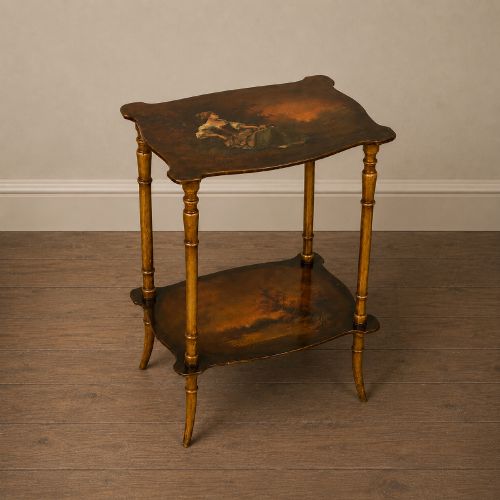
A continental side table encompasses various occasional surfaces, console tables, centre tables, and bedside cabinets originating from European workshops. Buyers seeking a continental side table encounter pieces ranging from simple regional pine to elaborate veneered walnut and marquetry creations.
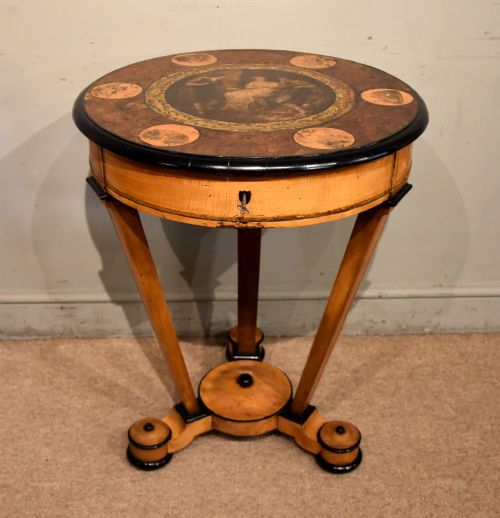
Regional variations include Dutch marquetry work, Biedermeier birch designs, and Spanish painted consoles. These tables served practical domestic functions in drawing rooms, hallways, and bedchambers across Europe.
How they were made
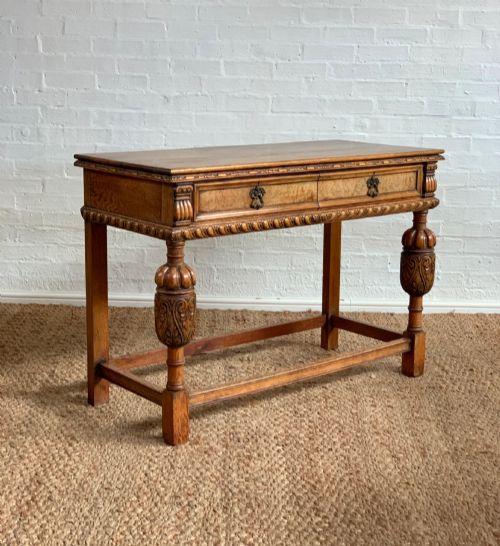
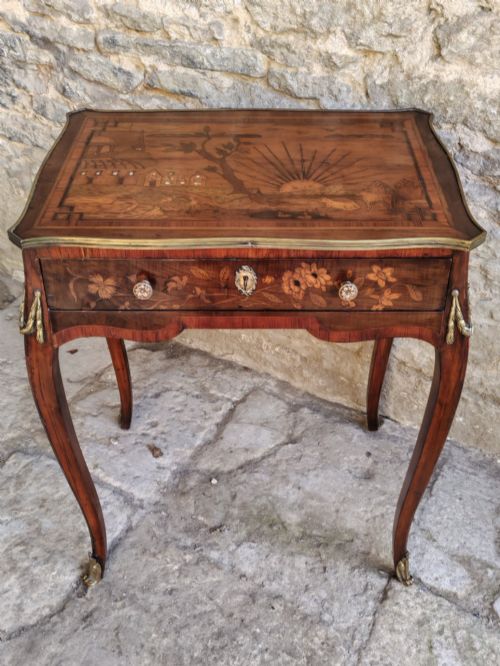
Joinery relies on solid woods such as oak, walnut, chestnut, and fruitwood, often utilised as a base for decorative veneers including kingswood, satinwood, and burr wood. Cabinetmakers employed intricate marquetry inlay techniques alongside carved ornamentation to decorate the surfaces.
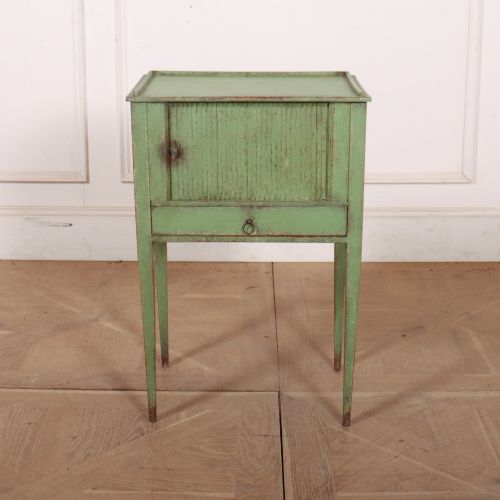
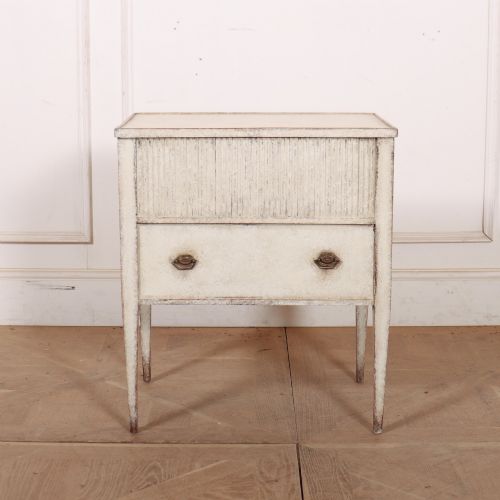
Many examples feature applied finishes such as gilt, paint, ebonisation, or clear polish to enhance the natural grain. Structural elements incorporate traditional timber joinery suited to the specific period and regional workshop traditions.
Some tables double as sewing companions, hiding compartments for thread while looking entirely serious in the hallway.
What varies in quality
Quality rests in the precision of the marquetry inlay, the selection of figured timber veneers, and the crispness of the hand carving. Superior examples display balanced proportions and cohesive decorative schemes across all visible surfaces.
Workshop execution dictates the longevity of the piece, evident in the stability of the timber construction and the retention of original surface treatments. Finer tables balance decorative ambition with structural integrity.
Beresford and Hicks London
The Continental Side Table Glossary
- Marquetry
- Decorative veneer work forming pictures or geometric patterns using various woods. This technique requires precise cutting and fitting of thin timber sheets.
- Biedermeier
- A Central European style emphasising clean lines and polished wood grains over excessive ornamentation. It flourished during the nineteenth century.
- Console table
- A table designed to stand against a wall, frequently supported by wall brackets or front legs. These pieces often feature marble tops or elaborate carved aprons.
- Étagère
- A piece of furniture with multiple open shelves for displaying small objects. These tiered tables provide vertical surface space.
- Work table
- A small table fitted with drawers or compartments for sewing and needlework. These functional pieces often incorporate decorative marquetry.
Continental Side Table: Frequently Asked Questions
What is a continental side table?
A continental side table is a movable surface or cabinet made in mainland Europe, encompassing console, centre, and bedside forms.
These pieces reflect the distinct regional styles, materials, and cabinetmaking traditions of European workshops across several centuries.
How were these tables used?
They served functional roles in European homes as serving surfaces, bedside storage, hallway consoles, and display tables.
Domestic interiors utilised them for holding lamps, writing materials, decorative objects, and personal items.
How do I identify different periods?
Period identification relies on observing the structural forms, decorative techniques, and timber choices characteristic of specific eras.
For example, early pieces often feature heavy walnut and deep carving, while Biedermeier items display minimalist lines and figured birch.
Where should I place one?
These tables adapt well to hallways, living rooms, and bedrooms, functioning as accent pieces or practical storage surfaces.
Their varied dimensions and regional styles allow them to complement both traditional and contemporary interiors.