


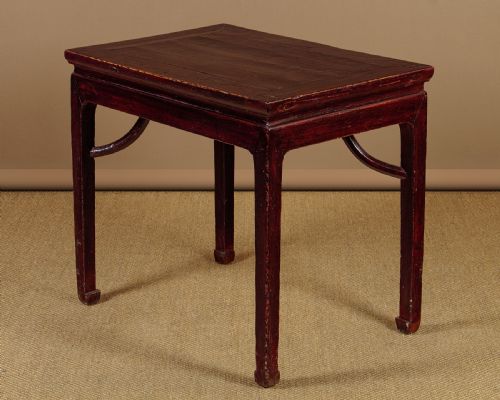

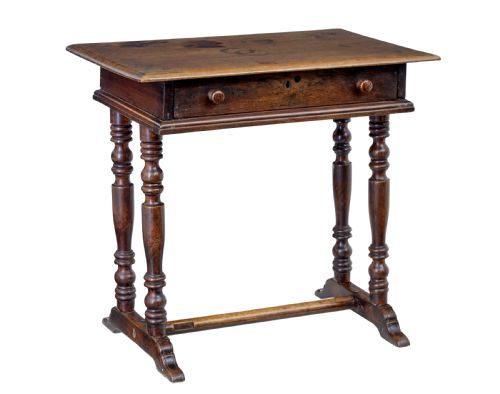


Dark Timber End Table
These dark timber end tables bring rich grain and compact form to a room, offering practical surface space with centuries of cabinet-making history behind them.
Dark Timber End Table
When searching for a dark timber end table, buyers encounter a diverse range of occasional pieces, side tables, and lamp tables spanning multiple centuries. These practical surfaces served various domestic roles in period homes, frequently positioned beside seating or against walls.
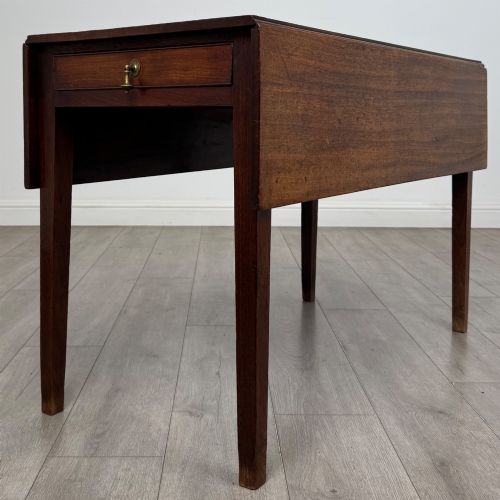
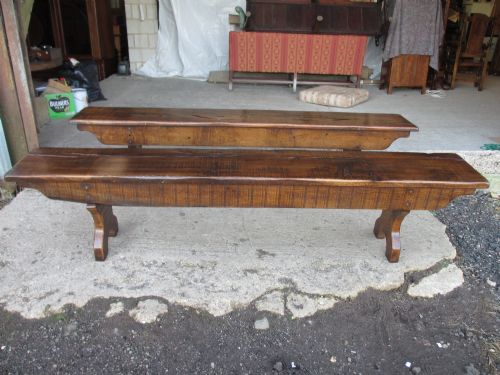
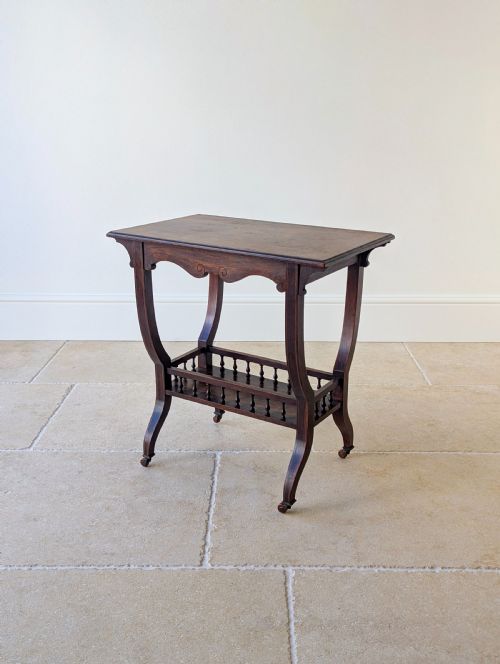
Forms vary from simple provincial tripod bases and drop-leaf designs to sculptural rustic benches and nest formations. Each piece displays the specific utilitarian requirements and aesthetic preferences of its era of origin.
How they were made
Construction relies heavily on dense hardwoods such as oak, mahogany, walnut, and rosewood selected for durability and deep natural colour. Artisans utilised traditional joinery methods to stabilise these heavy timbers against seasonal movement.
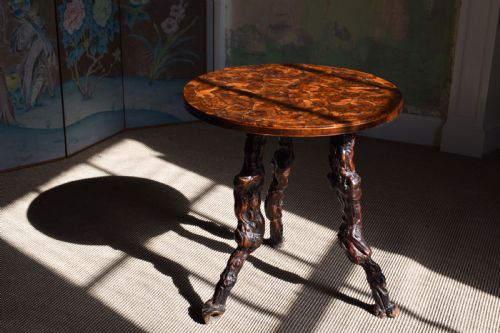
Surface treatments range from polished mahogany veneers to waxed oak and elm, often incorporating brass hardware or hand-painted details. Regional workshops adapted indigenous timbers like grapevine wood and Chinese elm to create sturdy domestic furniture.
One remarkably imaginative maker utilised actual grapevine wood to sculpt a wonderfully unusual table base.
What varies in quality
Quality rests primarily in the selection of the timber grain and the integrity of the original construction. Superior examples exhibit harmonious proportions and careful timber matching across the top surface.
Subtle differences in hand-carved detailing, such as shaped trestle ends or turned legs, distinguish standard utility furniture from finer commission work. The preservation of original surface patination significantly elevates the character of older pieces.
The Dark Timber End Table Glossary
- Occasional table
- A small, movable table designed for intermittent use in a principal room. These versatile pieces function effectively as lamp stands or bedside supports.
- Side table
- A small table traditionally placed against a wall or beside furniture. They provide convenient surface area without dominating the floor space.
- Drop-leaf
- A table featuring hinged flaps that fold down to reduce the footprint. This mechanism allows the furniture to expand only when extra surface area is required.
- Trestle
- A structural support consisting of a horizontal beam balanced on two paired legs. This design provides robust stability for heavy benches and tables.
- Patina
- The surface sheen and colour developed through age, handling, and waxing. It signals authentic historical use and distinguished ageing in hardwood.
Dark Timber End Table: Frequently Asked Questions
Where should I place a dark timber end table?
These compact surfaces fit naturally beside armchairs, sofas, or empty corners where extra space is useful. Their rich timber tones anchor lighter interior schemes and provide a functional landing spot for lamps or books.
Because historical pieces vary in height and footprint, measure the surrounding seating before deciding on placement. Lower occasional tables suit casual lounging areas, while taller side tables integrate smoothly beside standard upholstery.
How do I care for antique dark wood furniture?
Maintain the timber by dusting regularly with a soft, dry cloth and applying occasional quality beeswax to nourish the grain. Keep tables away from direct heat sources and strong sunlight to prevent the wood from drying out.
Avoid using modern silicone sprays or harsh chemical cleaners, as these damage the historic surface sheen. Gentle, natural waxes preserve the accumulated character developed over centuries.
How can I tell the period of a timber table?
Dating relies on examining the timber species, joinery techniques, and structural hardware used in construction. Early pieces often feature hand-cut joints and native woods like oak and elm, while later Victorian and Edwardian examples incorporate machine-sawn components and imported rosewood or mahogany.
Stylistic cues such as leg turnings, edge moulding, and overall proportions align with the prevailing design vocabulary of the era. Comparing these physical characteristics helps narrow down the probable decade of origin.
What is the difference between a side table and an occasional table?
Side tables are traditionally built for functional placement against walls or flanking larger furniture items. They often feature drawers or fixed tops designed for regular daily utility.
Occasional tables are typically lighter, smaller formats intended to be moved around the room as needed. They serve sporadic purposes such as holding a single beverage or a decorative lamp.