



19th Century Bijouterie Cabinet
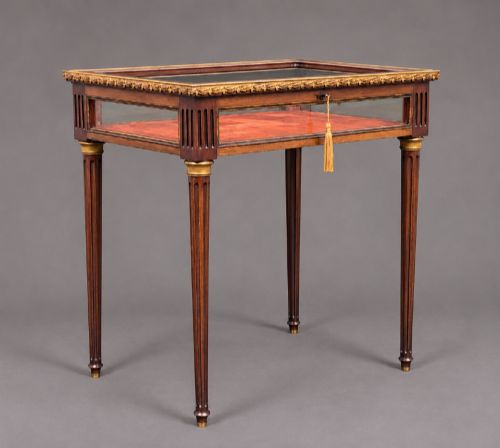
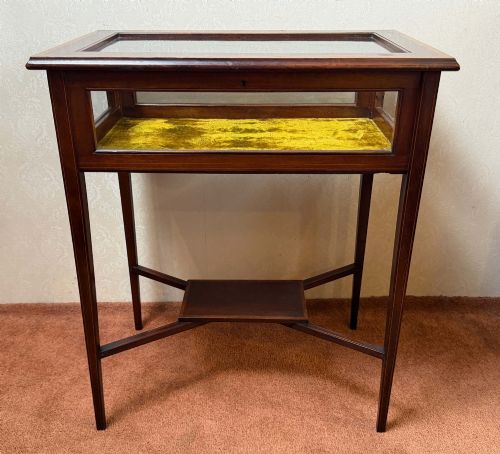
A 19th century bijouterie cabinet offers a glazed glass display surface designed to showcase small treasures and ornaments safely.
19th Century Bijouterie Cabinet
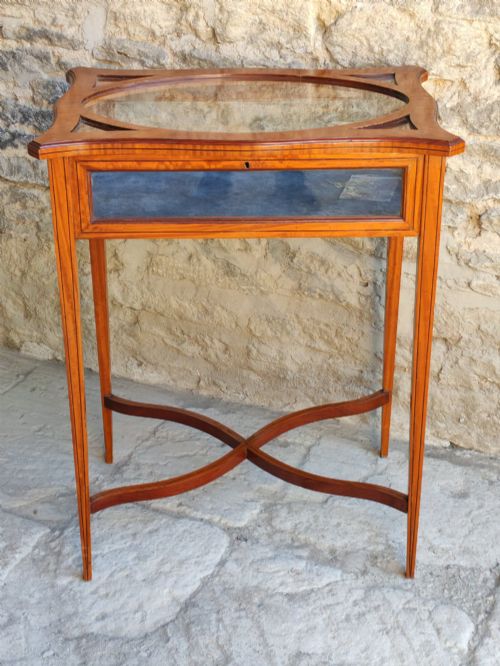
A 19th century bijouterie cabinet functions primarily as a specialised display piece for precious trinkets, medals, and small curiosities. These items typically take the form of display tables, vitrine cabinets, and low-profile show cases designed for intimate viewing.
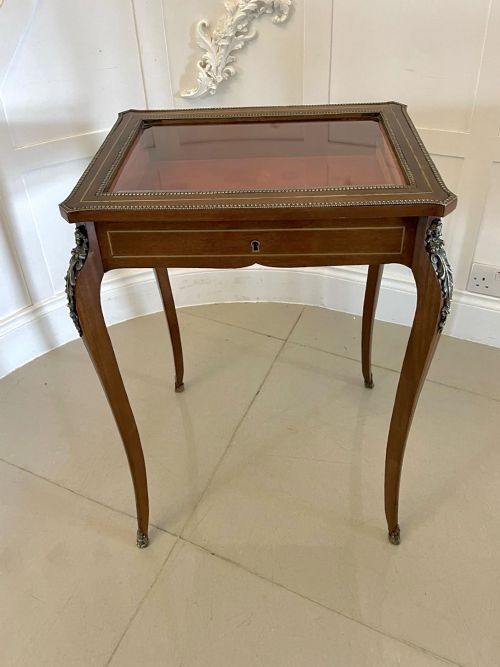
Victorian and Edwardian examples frequently arrive from French workshops, embodying stylistic revivals such as Louis XV and Louis XVI alongside late Victorian sensibilities. Mahogany, kingwood, rosewood, and satinwood form the primary timber chassis for these glazed display vessels.
Buyers encounter circular, oval, octagonal, and rectangular formats within this category. Many rest upon slender cabriole legs or stretchered frames, elevating the glazed compartment to comfortable viewing height.
How They Were Made
Cabinetmakers utilised dense hardwoods like mahogany, rosewood, and kingwood as the structural foundation, often incorporating satinwood stringing and brass inlay. These timbers provided the strength required to support glazed lids and delicate framework.
Gilt-bronze and ormolu mounts punctuate the exterior, secured at corners, legs, and aprons to emulate French rococo and neoclassical opulence. Glass panels, secured by brass glazing bars, enclose the display well.
Interiors were routinely lined with velvet or fabric to cushion delicate objects. Bamboo and lacquer occasionally appear in place of traditional European hardwoods, reflecting late nineteenth-century decorative tastes.
19th Century Bijouterie Cabinet Retail Price Guide 2026
Typical asking prices for 19th century bijouterie cabinet among the pieces listed under this phrase on Sellingantiques today, from the lower quarter to the upper quarter. They describe what is for sale here now, not the wider market.
Listings feature mahogany, rosewood, kingwood, and satinwood, frequently accented with ormolu mounts and velvet linings.
What Varies in Quality
The refinement of the ormolu or gilt-bronze mounts distinguishes standard output from exceptional examples, with chased details offering greater depth than cast duplicates. Timber selection similarly dictates standing, where figured mahogany or meticulously matched kingwood veneer elevates the piece.
Joinery execution within the glazed lid and frame determines structural longevity. Cabinetmakers who employed precise mitres and robust internal framing produced pieces that maintain alignment over generations.
The 19th Century Bijouterie Cabinet Glossary
- Bijouterie table
- A low glazed display table specifically built for small valuables and trinkets. These pieces typically feature a hinged glass top for direct access.
- Ormolu
- Gilt bronze mounts applied to furniture for decorative effect. The technique involves treating brass or bronze with a gold amalgam.
- Vitrine
- A glass-fronted or glass-topped cabinet designed for exhibition. These enclosures protect delicate items from dust while maintaining maximum visibility.
- Kingwood
- A dense, richly figured Brazilian timber utilised in high-end cabinetmaking. It displays striking dark violet and brown patterning.
- Satinwood
- A durable exotic timber known for its lustrous golden-yellow sheen. It frequently appears as a veneer or inlay element on nineteenth-century furniture.
19th Century Bijouterie Cabinet: Frequently Asked Questions
What is a bijouterie cabinet?
A bijouterie cabinet is a glazed display piece created in the nineteenth century to hold small valuables, medals, and curiosities.
These items range from tabletop vitrines to standing display cabinets with glass lids and panels.
How were these cabinets used?
Owners utilised them in drawing rooms and parlours to display personal collections of small trinkets and keepsakes.
The glazed surfaces protected fragile items from dust while allowing guests to inspect them closely.
How do I date a cabinet?
Dating relies on stylistic clues, timber choices, and construction methods associated with the Victorian and Edwardian eras.
French revival styles and specific brass inlay patterns help narrow the manufacture window to the late nineteenth century.
Where were they made?
Many surviving examples originate from French workshops embracing Louis XV and Rococo revival aesthetics.
British cabinetmakers also produced numerous variations using mahogany and satinwood during the Victorian period.
How do I care for the interior fabric?
Original velvet and fabric linings require gentle vacuuming with a soft attachment to remove accumulated dust.
Avoid direct sunlight to prevent the fading of both the textile lining and the internal timber veneers.