

Antique Cultured Pearls
When you search for antique cultured pearls, you are looking at fine necklaces, rings, earrings, and bracelets spanning the Edwardian period through the mid-twentieth century.
Antique Cultured Pearls
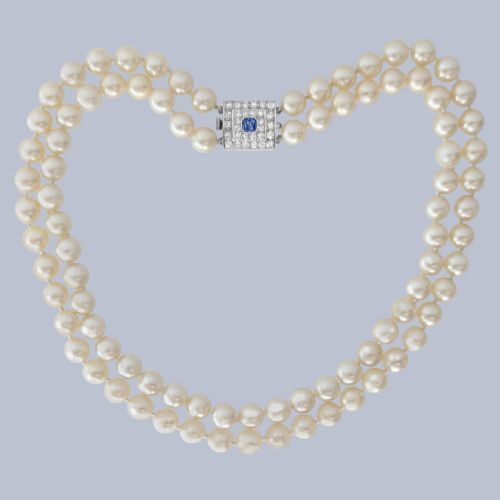
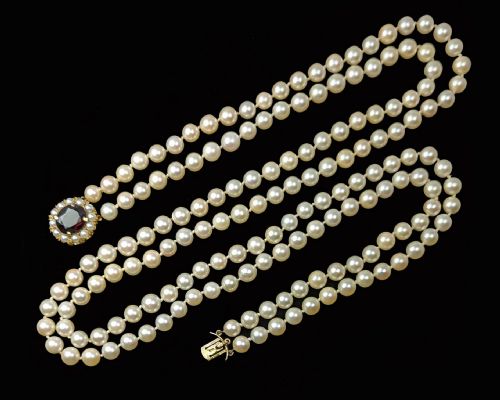
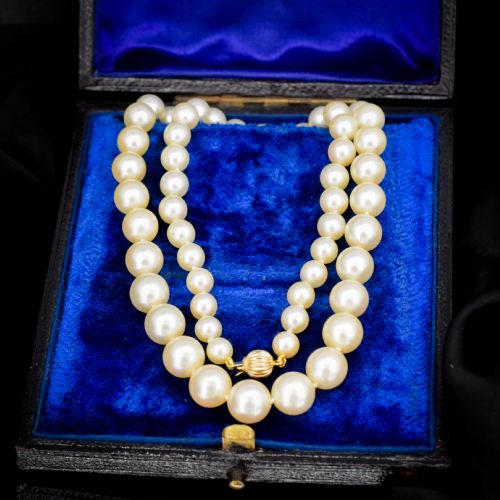
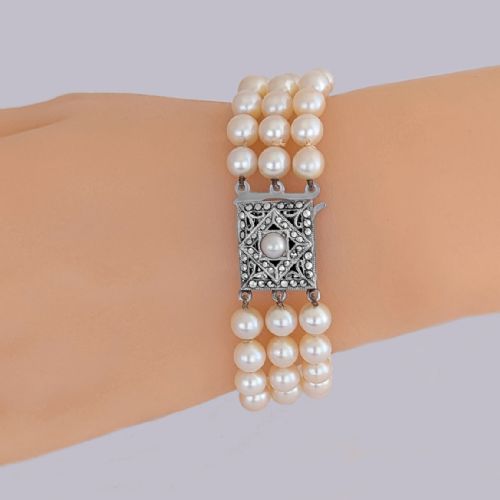
Antique cultured pearls encompass jewellery forms ranging from single and multi-strand necklaces to diamond-accented rings, earrings, and bangles. The pieces date from the Edwardian era through the Art Deco years and into the 1950s and 1960s mid-century period.
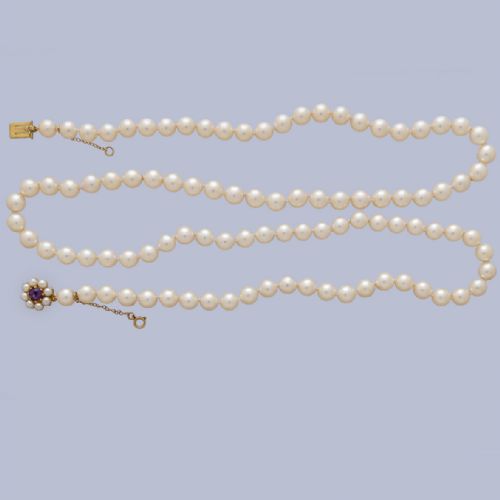
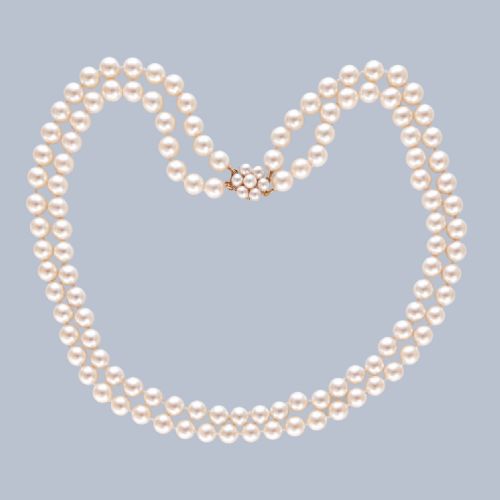
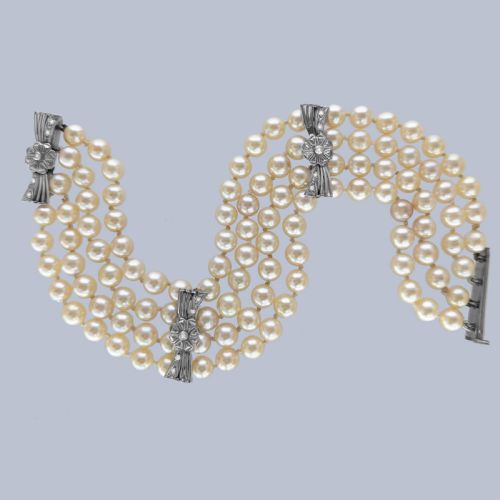
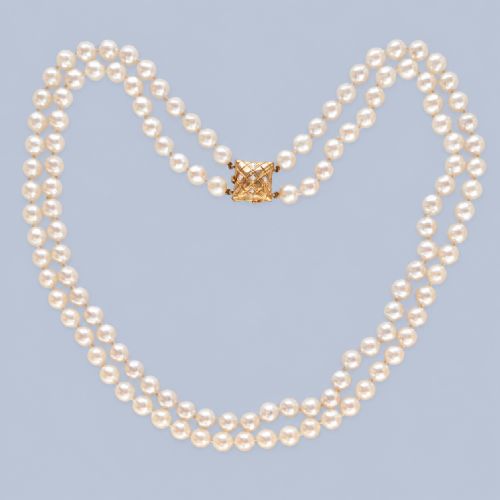
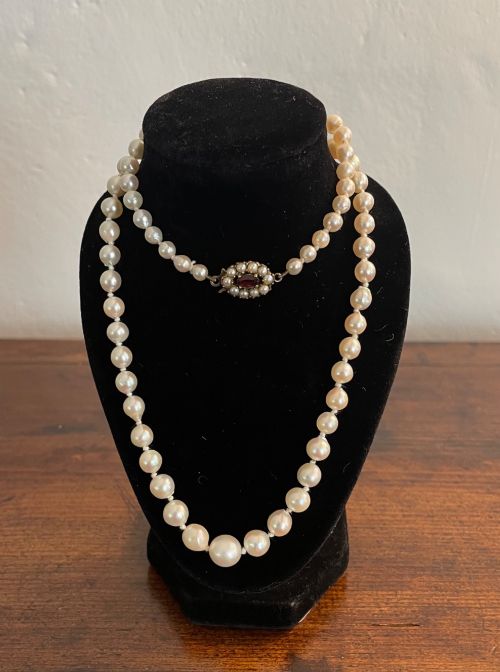
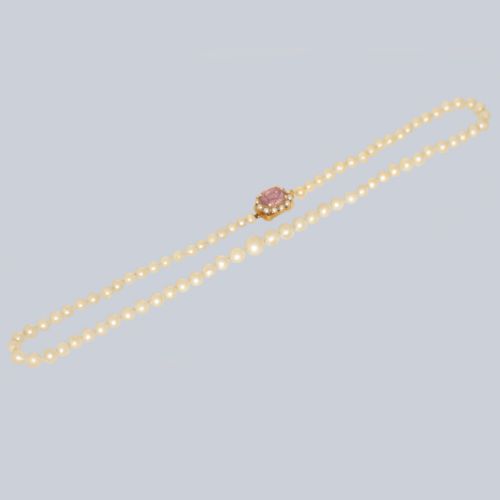
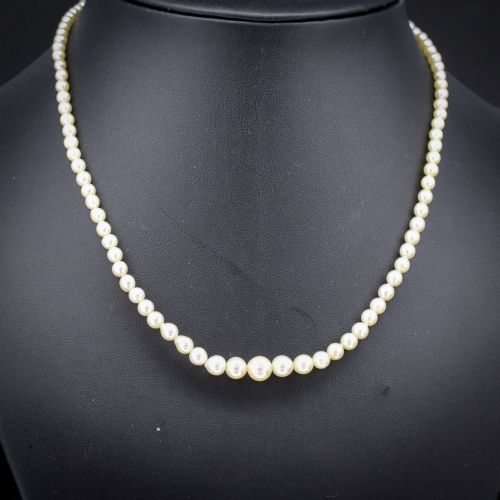
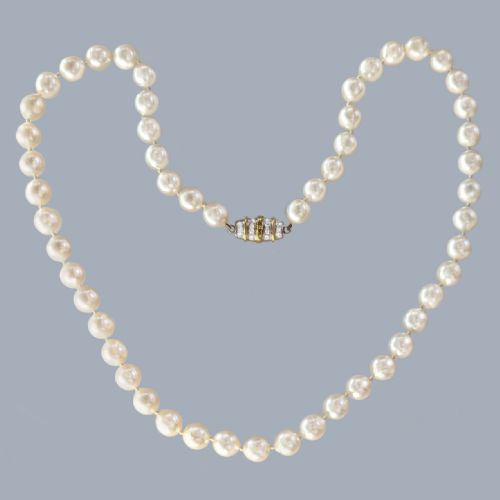
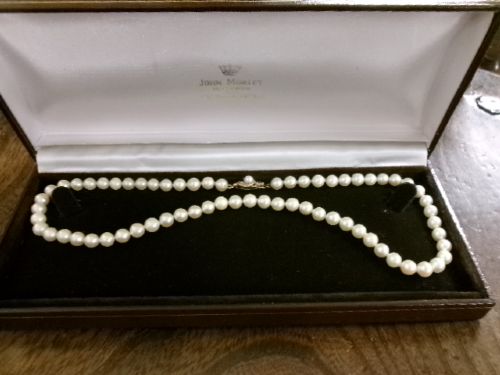
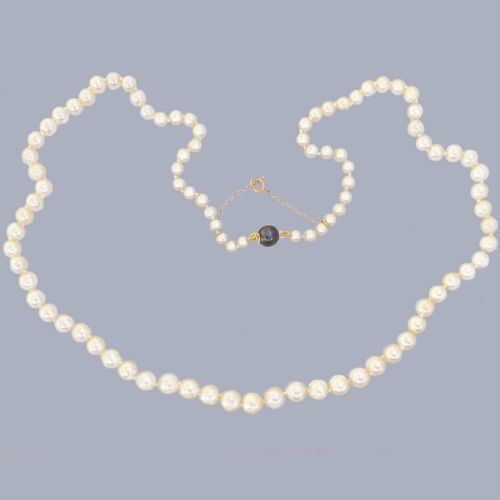
The strands you will most frequently encounter on this page are graduated or uniform pearl necklaces featuring decorative clasps set in 9ct gold, 18ct white or yellow gold, platinum, and silver. These clasps often incorporate diamonds, sapphires, rubies, garnets, or emeralds.
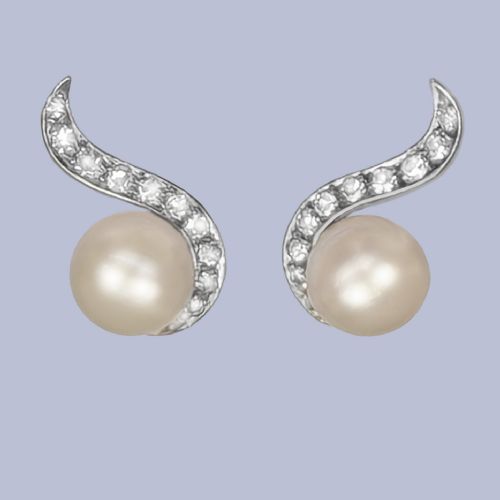
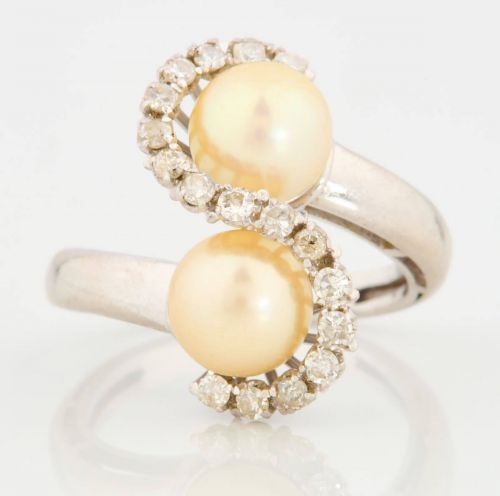
Earrings and rings from these eras pair cultured pearls with precious metals and gemstones, including turquoise, jade, rose quartz, and amethyst. Alongside necklaces, these items demonstrate the versatile application of cultured pearls across diverse twentieth-century styles.
How they were made
Jewellers of the Edwardian, Art Deco, and mid-century periods mounted cultured pearls onto precious metals such as platinum, 18ct white and yellow gold, 9ct gold, and silver. Clasps and mountings frequently incorporated claw-set or rose-cut diamonds, alongside colourful gemstones like sapphires, rubies, and emeralds.
Necklaces were assembled using knotted silk or specialised thread to secure graduated or uniform strands, often finished with barrel, box, or feature clasps. Earrings utilised screwbacks, clips, or stud configurations, while rings and bangles employed detailed metalwork settings to frame the pearls alongside accent stones.
Antique Cultured Pearls Retail Price Guide 2026
Typical asking prices for cultured pearls among the pieces listed under this phrase on Sellingantiques today, from the lower quarter to the upper quarter. They describe what is for sale here now, not the wider market.
Listings feature periods from the 19th century and Edwardian era through Art Deco, 1930, 1940, 1950, and 1960.
What varies in quality
The overall standard of these pieces depends upon the matching, lustre, and surface preservation of the pearls within the strand or setting. Uniformity in size, shape, and orient separates standard commercial items from finer examples.
Craftsmanship in the mounting elevates a piece, distinguished by the complexity of the clasp design, the quality of accompanying gemstones like certified diamonds or fine sapphires, and the structural integrity of the setting in platinum or gold.
Mikimoto
The Antique Cultured Pearls Glossary
- Cultured pearl
- A pearl created by the introduction of a irritant into an oyster or mollusc by human intervention, prompting the creature to secrete nacre. These form the primary material of twentieth-century pearl jewellery.
- Graduated strand
- A necklace arrangement where pearls increase progressively in size toward the centre. This configuration was a popular design choice for Edwardian and mid-century pearl necklaces.
- Clasp
- The mechanical closure of a necklace, which in antique pieces often doubles as a decorative focal point. These components frequently feature precious metals set with diamonds, rubies, sapphires, or emeralds.
- Toi et moi
- A ring style featuring two main stones positioned side by side, translating from French as you and me. Edwardian examples often pair a cultured pearl with a diamond.
- Rose cut
- An antique diamond cut featuring a flat base and a domed crown with triangular facets. This cut appears frequently in Art Deco and Edwardian clasps and ring settings.
Antique Cultured Pearls: Frequently Asked Questions
How do I care for antique pearl jewellery?
Protect your cultured pearls by putting them on last after applying perfumes, hairsprays, and cosmetics, as chemical residues dull the nacre over time. Store them flat in a soft pouch away from harder gemstones to prevent scratching.
Period necklaces strung on silk benefit from periodic inspection and restringing to prevent strand failure. Wipe the pearls gently with a soft, damp cloth after wearing to remove natural oils.
Can I wear an antique pearl necklace every day?
While durable enough for regular wear, pearls are organic gems that require thoughtful handling compared to diamonds or precious metals. Avoid wearing them during strenuous physical activities, swimming, or bathing.
Frequent daily wear places stress on older threading silk, so checking the security of the knots and the clasp ensures your necklace remains safe during regular use.
What does a certified pearl mean for a buyer?
Gemological certification provides an independent assessment verifying the origin and characteristics of the pearls. Certificates often detail whether pearls are saltwater or freshwater cultured specimens.
Such documentation offers assurance regarding the composition and authenticity of the piece, particularly for significant Art Deco or mid-century multi-strand necklaces.