


Antique Crystal Jugs
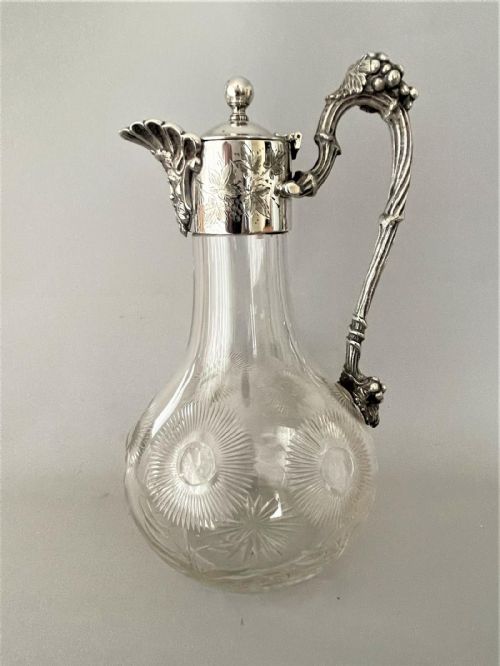
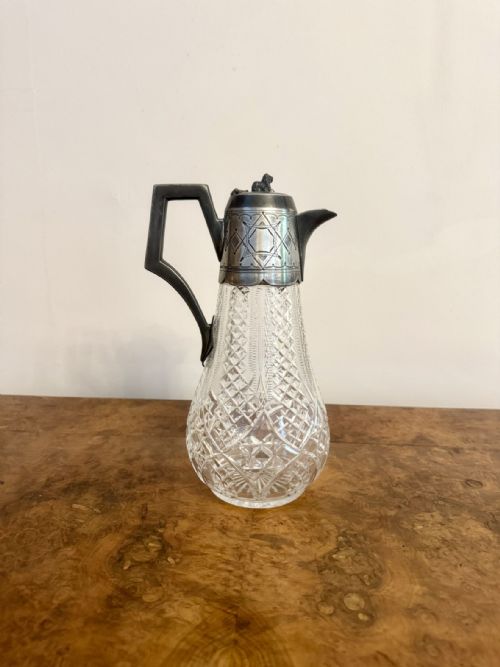
These antique crystal jugs combine heavy lead glass with silver or silver-plated mounts, offering both function and display for the dining table.
Antique Crystal Jugs
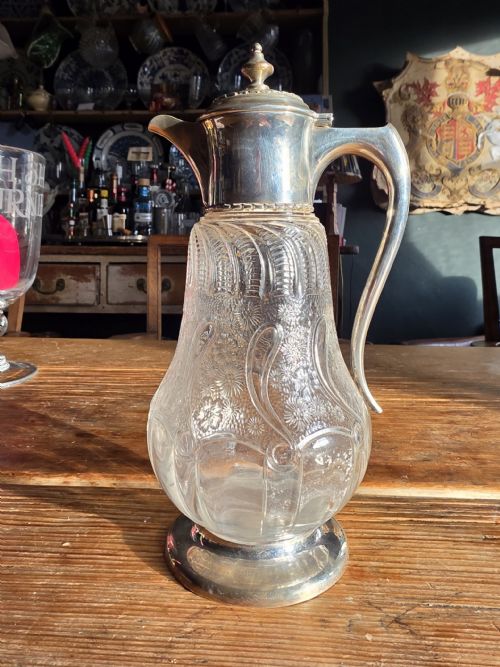
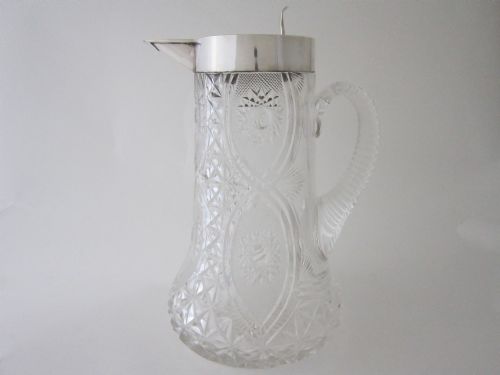
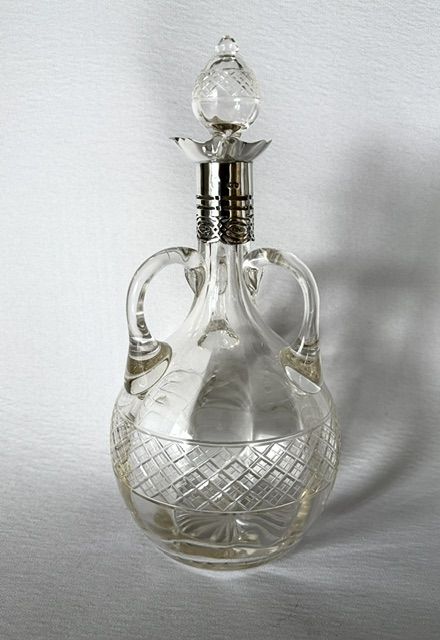
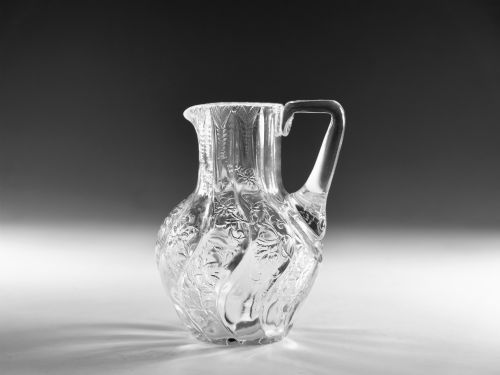
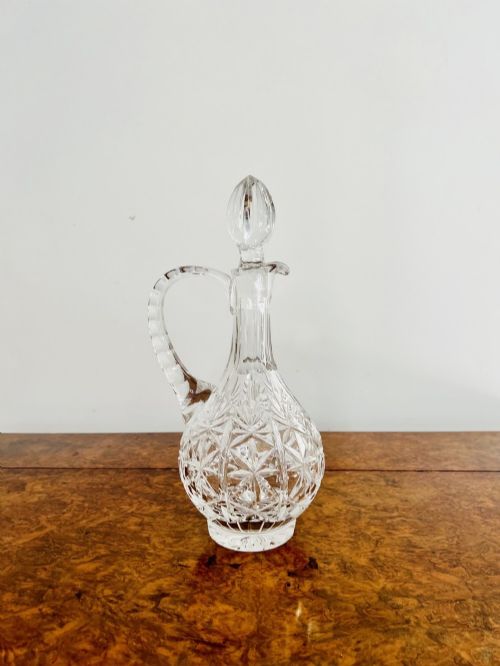
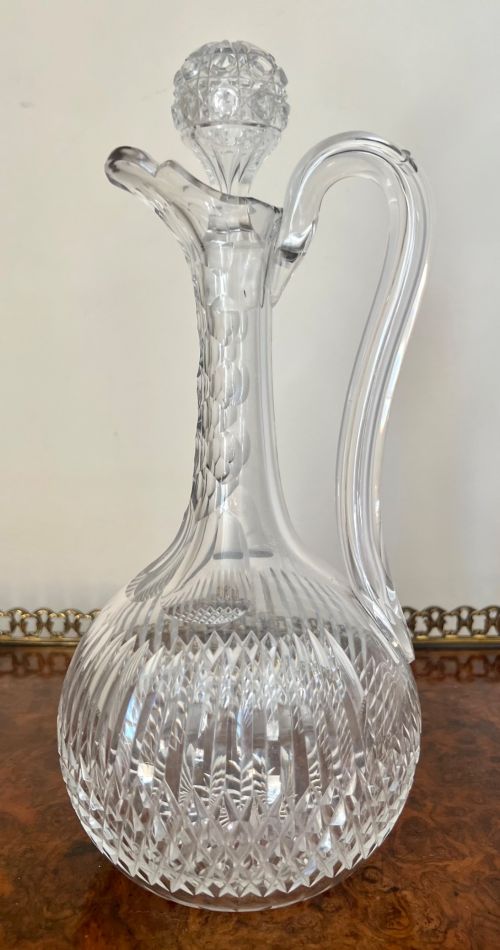
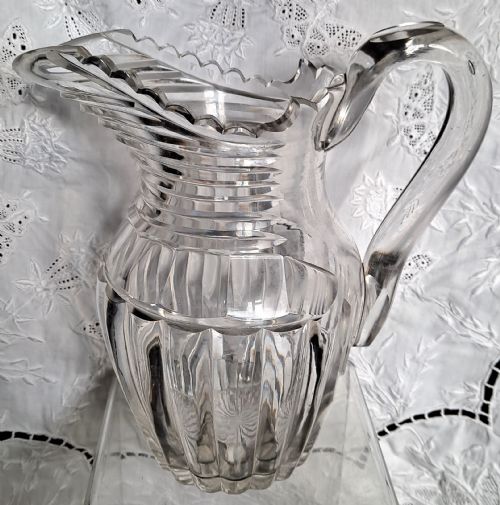
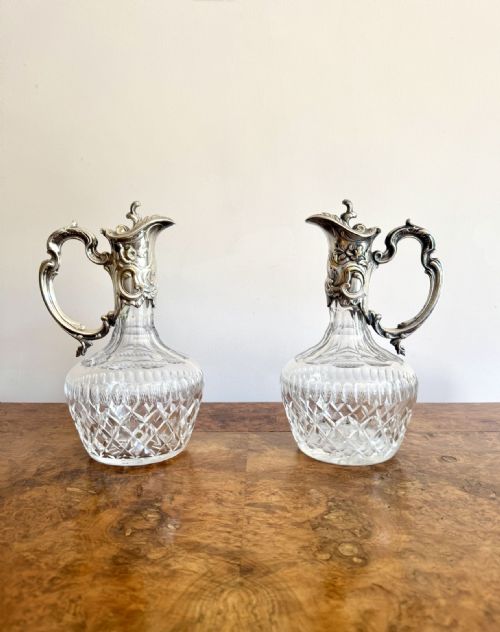
When searching for antique crystal jugs, collectors encounter vessels designed for serving wine, claret, water, and champagne across several periods. The selection here ranges from nineteenth-century pillar and prism cut water vessels to Edwardian claret jugs and mid-century pieces.
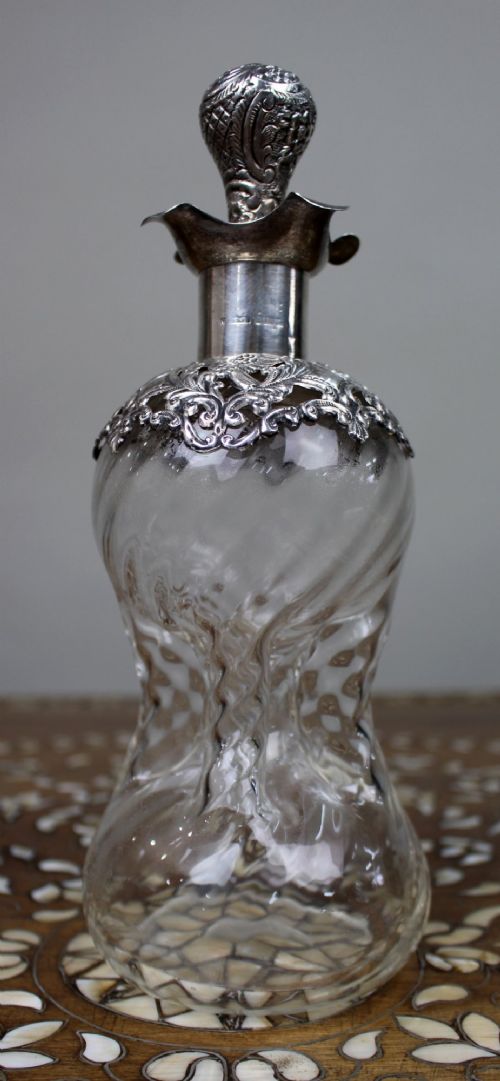
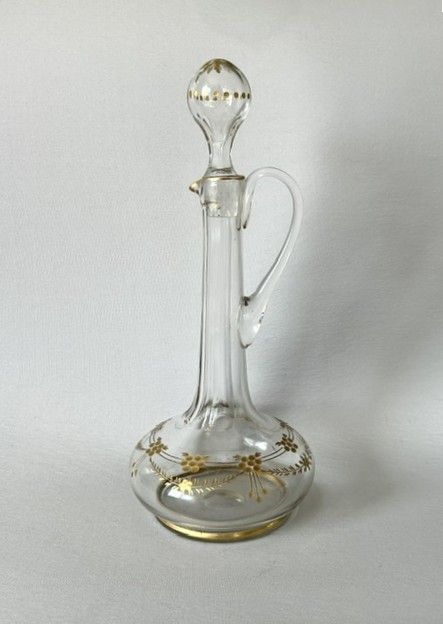
Victorian and Edwardian examples dominate the selection, frequently combining clear cut glass with sterling silver or silver-plated mounts. Formats span from traditional ewers and decanters to specialised claret jugs fitted with hinged lids and decorative handles.
Evaluating standard and craftsmanship
Quality separates simple utility vessels from pieces defined by deep, crisp wheel-cutting and substantial metal mounts. The clarity of the crystal and the weight of the glass indicate the grade of the material.
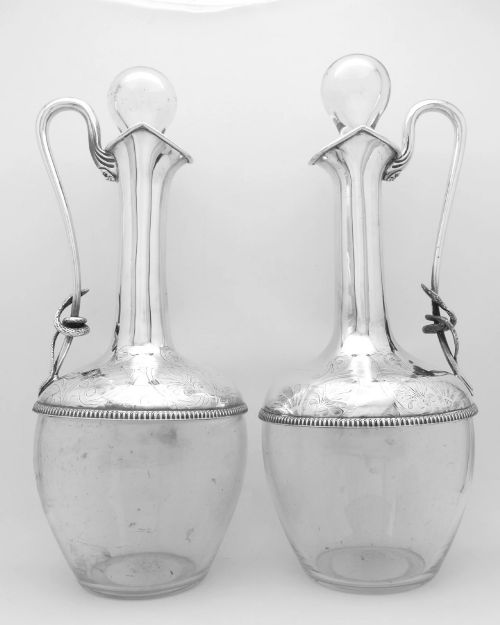
Maker attribution and the presence of clear hallmarks on the silver components elevate an item. Intricate decorative motifs, such as detailed engraving of fruiting vines or specialised serpent handles, distinguish finer examples.
Several Victorian jugs feature cast silver serpent handles, ready to strike every time you pour another glass of claret.
Asprey and Co. Ltd·Stevens and Williams·Webb Corbett·Richardsons·Tiffany
The Antique Crystal Jugs Glossary
- Claret jug
- A specialised vessel designed specifically for serving red wine, typically featuring a silver handle, hinged lid, and a wide pouring spout. These pieces often date from the Victorian and Edwardian periods.
- Lead crystal
- A type of glass containing metallic oxide that increases weight, brilliance, and refractive index, making it ideal for deep cutting. This material forms the heavy body of many nineteenth-century jugs.
- Ewer
- A large jug with a wide spout and an ornate handle, historically used for pouring water or wine at the table. Victorian examples frequently display elaborate cut patterns and silver-plated mounts.
- Intaglio
- A technique where designs are carved into the surface of the glass rather than raised in relief. It requires skilled wheel-engraving to achieve detailed motifs like foliage and animals.
- Latticinio
- A glassblowing technique incorporating fine white or coloured glass threads within the clear body. Pieces featuring this method appear in mid-nineteenth-century champagne jugs.
Antique Crystal Jugs: Frequently Asked Questions
How do I clean an antique crystal jug?
Wash the glass by hand using warm water and mild detergent, avoiding harsh abrasives that might scratch the surface. Dry the interior thoroughly with a lint-free cloth to prevent water spots.
Keep silver or silver-plated mounts polished with a dedicated cloth while taking care not to let cleaning agents pool against the glass joints.
Can I use these jugs for serving drinks?
Many Victorian and Edwardian jugs remain fully functional for serving wine or water at the table. Check the interior for any cloudiness or residue before filling.
Avoid exposing lead crystal to sudden temperature changes, as thermal shock can crack older glass.
How do I identify the period of a jug?
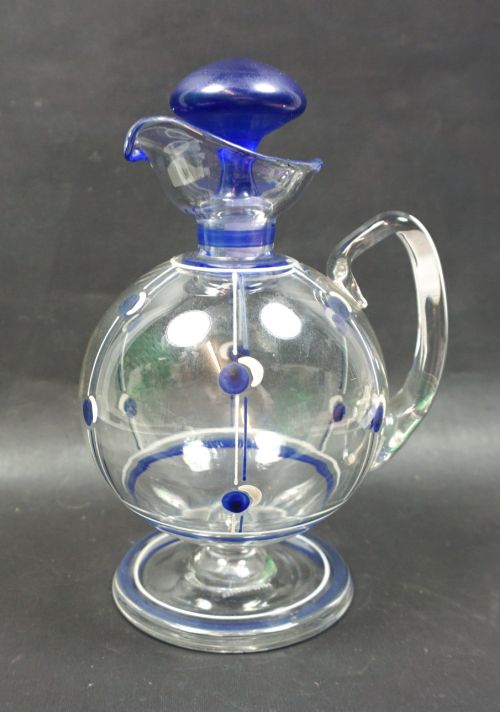
Examine the silver mounts for hallmarks, which provide town marks and date letters for exact dating. Stylistic indicators like Art Deco geometric enamel or Victorian grape motifs also point to specific decades.
Consider the depth of the cut glass and the weight of the crystal, as manufacturing standards shifted between the Georgian and Edwardian eras.
What is the difference between a decanter and a claret jug?
Decanters generally feature stoppers and stable bases designed for storing and pouring spirits or wine. Claret jugs incorporate a fixed handle, hinged silver lid, and a spout for immediate table service.
Claret jugs frequently showcase decorative metal mounts that standard table decanters omit.