
Antique Crest Wall Mirror
These antique crest wall mirror selections bring historic presence and light to a room through carved detail and gilded surface.
What these pieces are
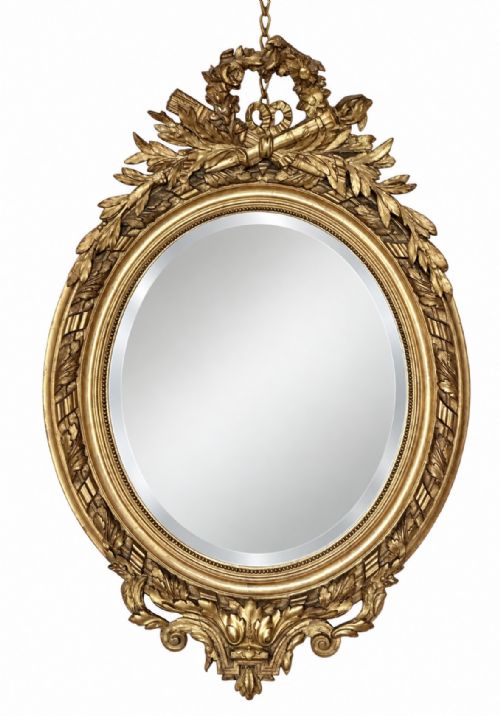
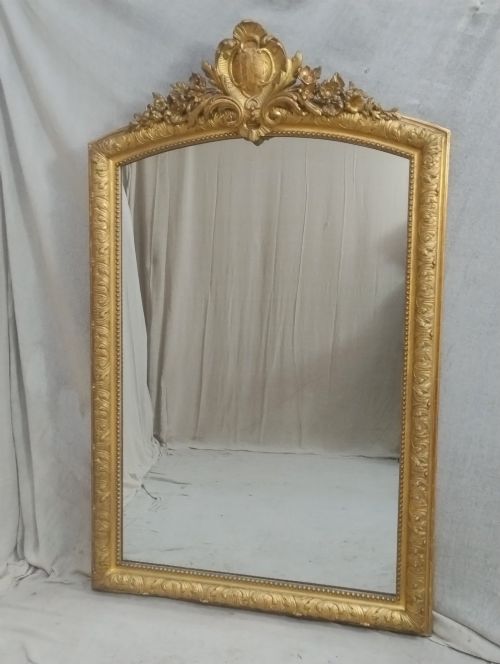
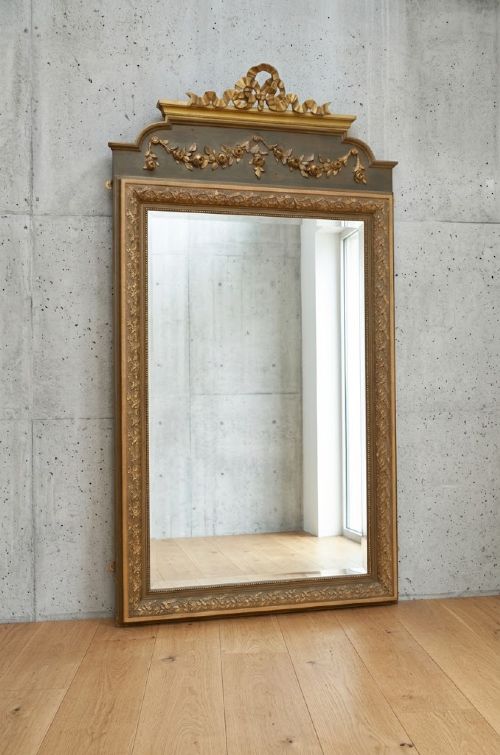
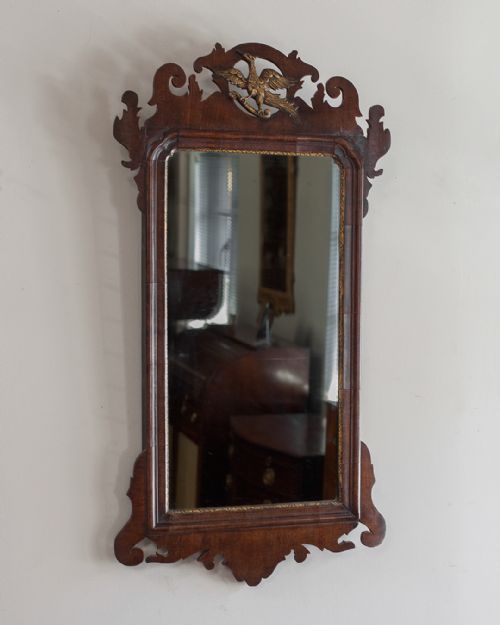
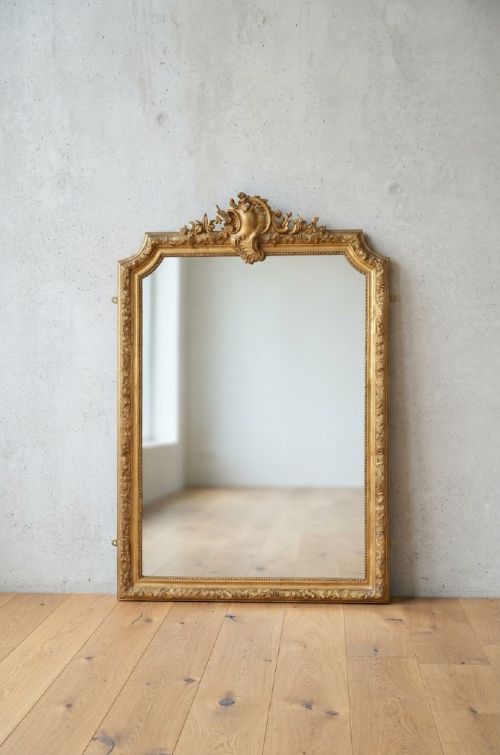
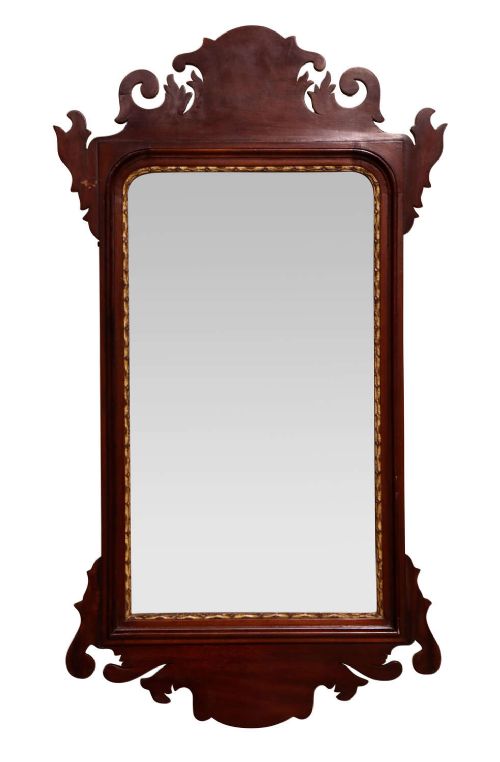
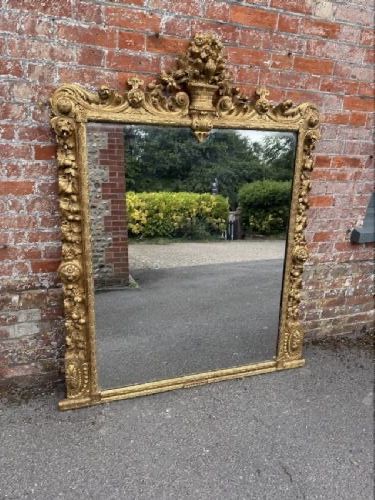
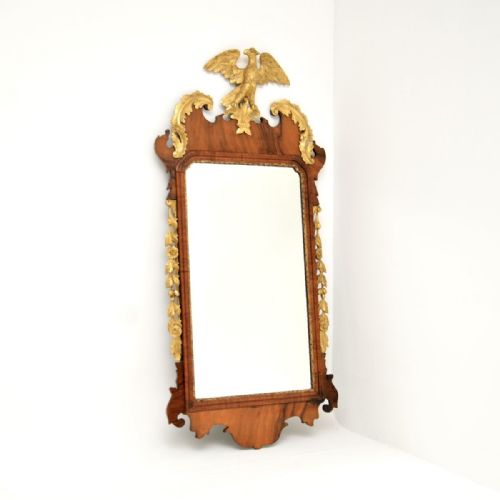
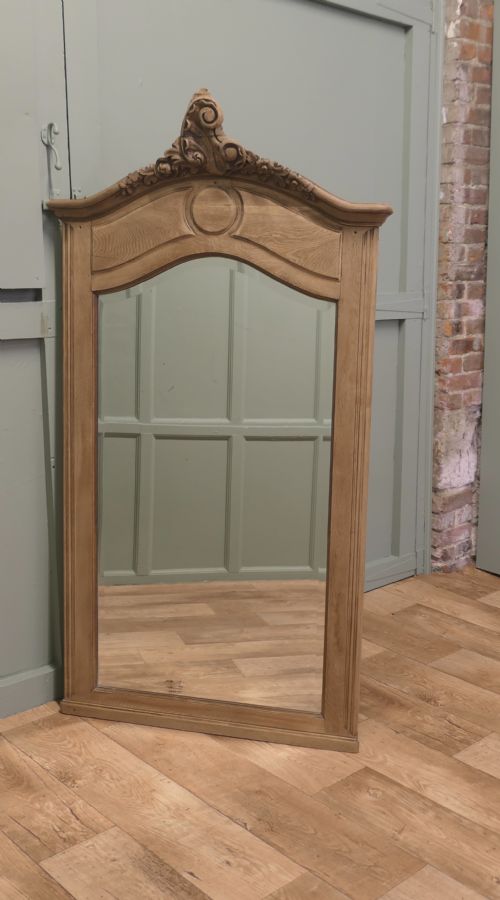
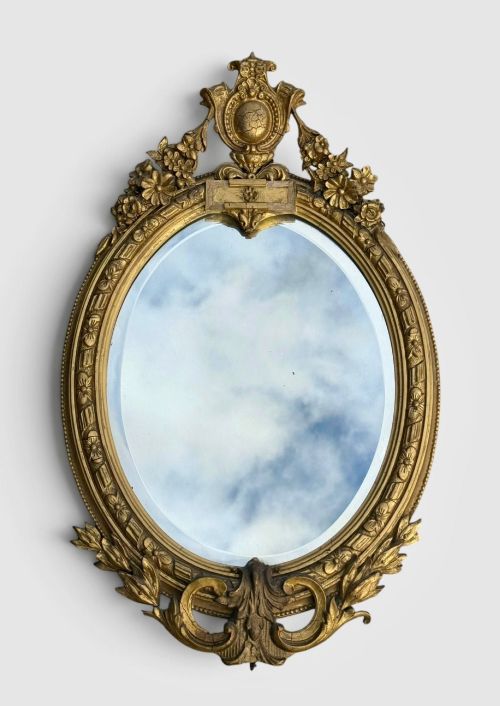
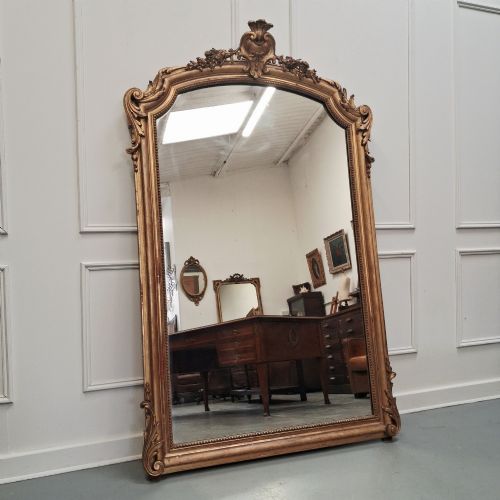
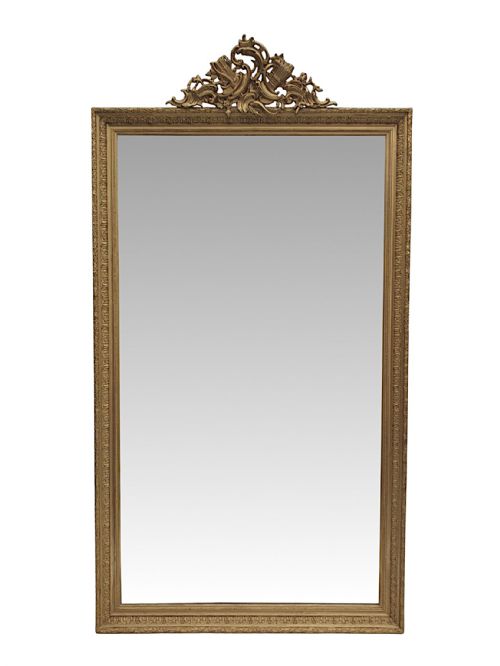
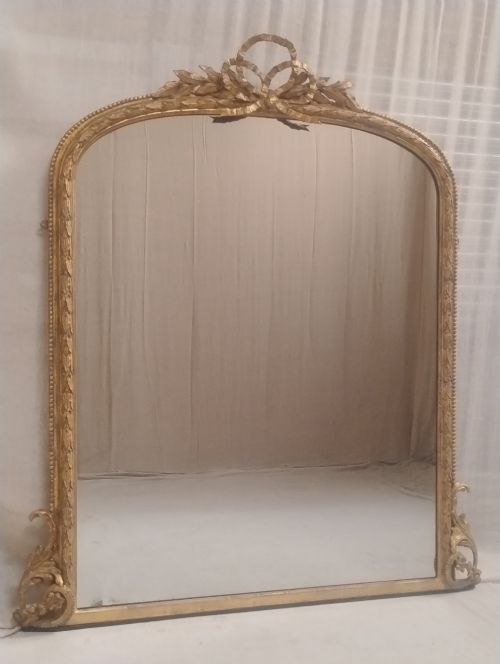
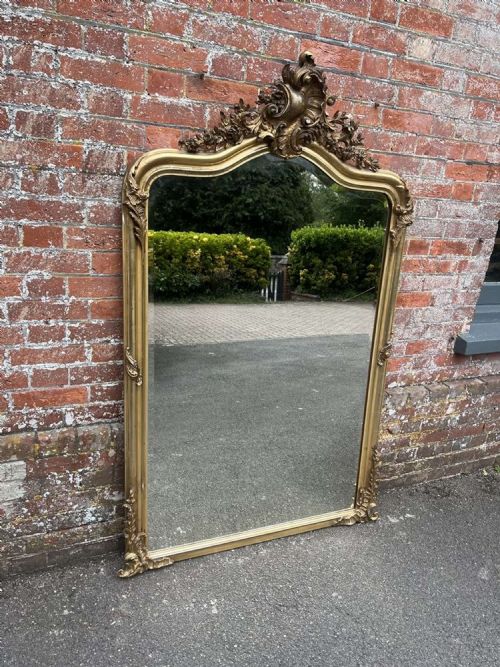
An antique crest wall mirror is a wall-hanging looking glass finished with an elaborate ornamental top, or crest, designed to draw the eye upwards. These pieces serve both as functional reflective glass and as commanding decorative focal points within traditional interior schemes.
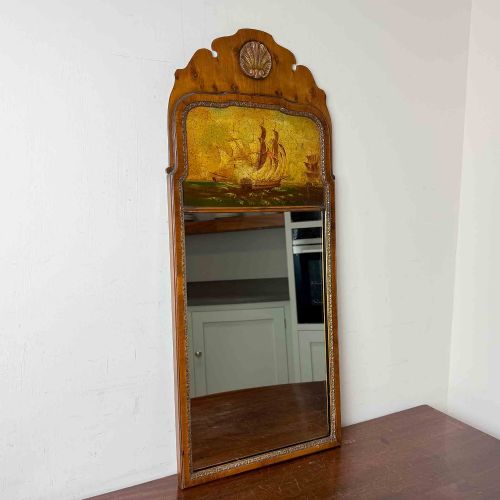
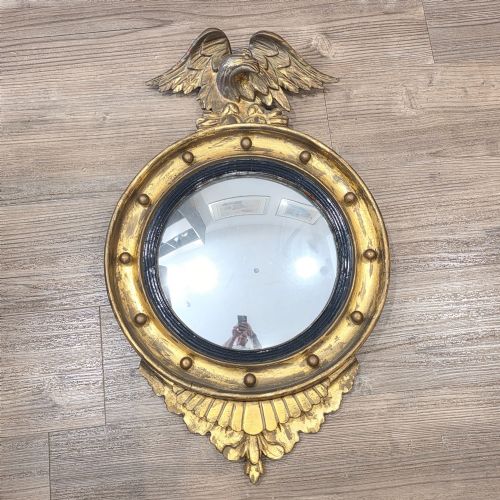
The selections available here span several distinct periods, most notably the nineteenth century, alongside earlier eighteenth-century examples. Buyers will frequently encounter pieces shaped by the Rococo Revival, Italian Rococo, French Chateau, Chippendale Revival, and French Empire styles.
Forms range from Venetian giltwood designs to French Louis XV style frames and carved Italian mirrors. Materials and construction vary widely across these origins, incorporating traditional woodwork alongside distinct decorative motifs.
How they were made
The construction of these mirrors relies heavily on carved wood, giltwood, gesso, and occasional alternative timbers such as yew wood. Artisans shaped wooden frames before applying preparatory layers and surface treatments.
Gilt bronze and gold leaf provide the luminous metallic surfaces seen across the French and Italian examples. Mirror glass is set within these ornate hand-worked frames, combining structural timber with delicate ornamental detailing.
Retail Price Guide 2026
Typical UK retail prices for crest wall mirror, calculated from the Sellingantiques database of over a million retail prices indexed since 2003. This retail price guide relies exclusively on Sellingantiques data; no external sources or auction records are used, so the figures do not describe the wider market.
What varies in quality
Quality in these mirrors rests upon the depth, crispness, and hand-carved detail of the crest and frame. Superior pieces demonstrate fluid, confident carving in the wood and gesso, whereas lesser examples rely on heavier, blunter ornamentation that lacks definition.
The application of gold leaf and the preservation of original gilt bronze or giltwood surfaces dictate the visual impact of each piece. Finer mirrors retain the subtle tonal variations of aged gilding, while inferior or heavily restored surfaces may appear flat and uniform.
The Antique Crest Wall Mirror Glossary
- Giltwood
- Wood that has been coated with gold leaf or gold dust. This finish creates a warm, reflective metallic surface characteristic of formal antique frames.
- Gesso
- A plaster-like mixture applied to wood frames as a base for gilding or painting. It allows artisans to carve intricate relief details before applying gold leaf.
- Venetian
- Pertaining to Venice, often describing mirrors known for elaborate engraved glass panels and ornate decorative surrounds.
- Crest
- The ornamental topmost section of a mirror frame. This feature forms the visual crown of the piece.
Frequently Asked Questions
How do I hang a heavy antique mirror?
These mirrors require secure wall fixings suited to their substantial weight and ornate timber frames. Professional installation into solid masonry or properly located wall studs is essential.
Take care to distribute the load evenly across robust brackets rather than relying on single picture hooks. This ensures the frame remains stable and safe over time.
How do I clean the glass and frame?
Dust the carved woodwork and crest gently using a soft, dry brush to prevent accumulation in the crevices. Avoid using standard liquid glass cleaners directly on the mirror plate, as moisture can seep behind the edges.
Instead, apply a small amount of distilled water or mild cleaner to a cloth rather than the glass itself. Keep all chemical cleaning agents well away from the giltwood and gold leaf surfaces.
How do I tell Rococo Revival from Empire style?
Rococo Revival pieces are characterised by flowing asymmetrical curves, C-scrolls, and organic floral motifs. The overall silhouette feels dynamic and whimsical rather than rigid.
Empire style frames tend to be more monumental and symmetrical, drawing inspiration from classical antiquity. They often feature architectural elements, bold geometry, and formal dignity.
Can these mirrors go in a bathroom?
The fluctuating humidity and moisture levels in bathrooms present risks to antique wood, gesso, and historic mirror glass. Damp conditions can cause the gesso to swell and the gold leaf to lift from the frame.
Dry living areas, hallways, and drawing rooms provide a much safer environment for preserving these historic materials. Placing them away from direct heat sources also protects the timber structure.