


Antique Crest Mirror
An antique crest mirror brings an elevated focal point to a room, drawing the eye upwards to a carved architectural or sculptural crown.
Antique Crest Mirror
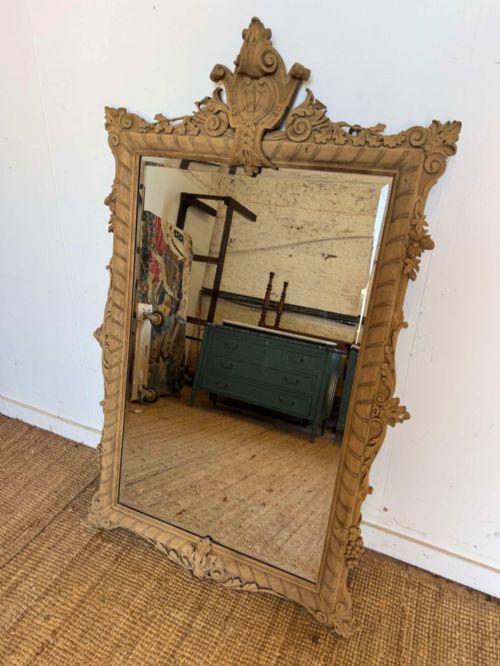
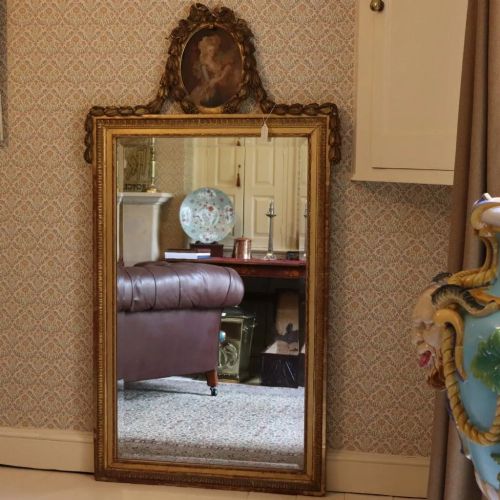
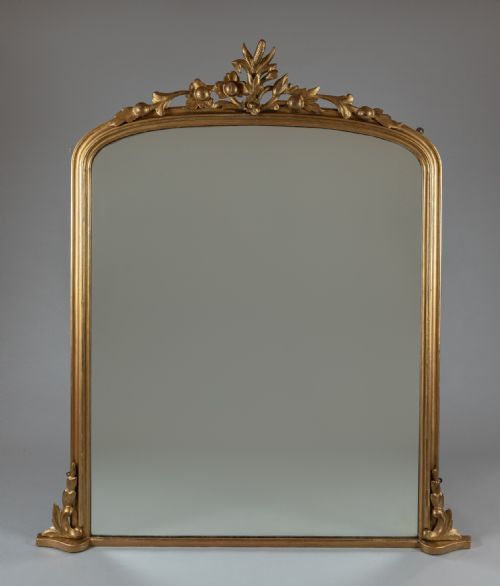
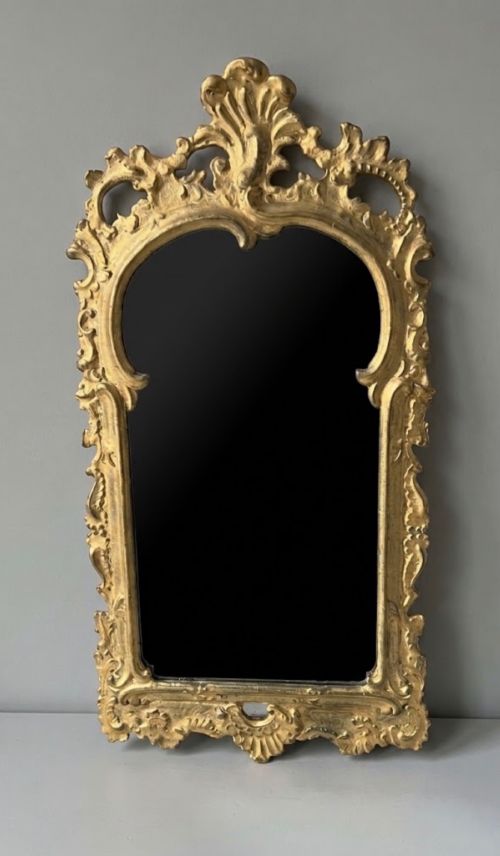
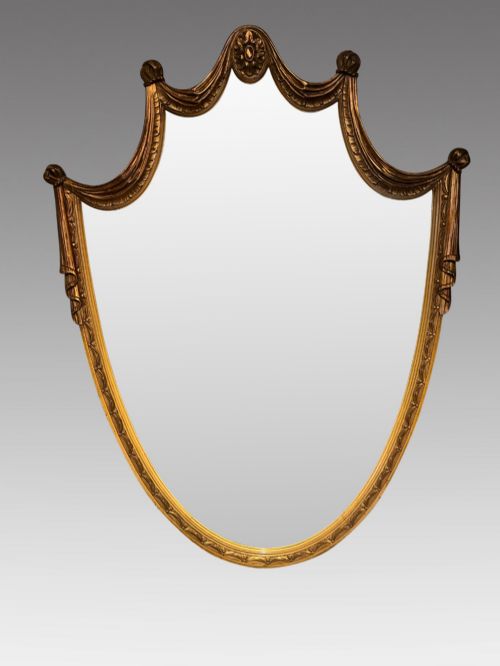
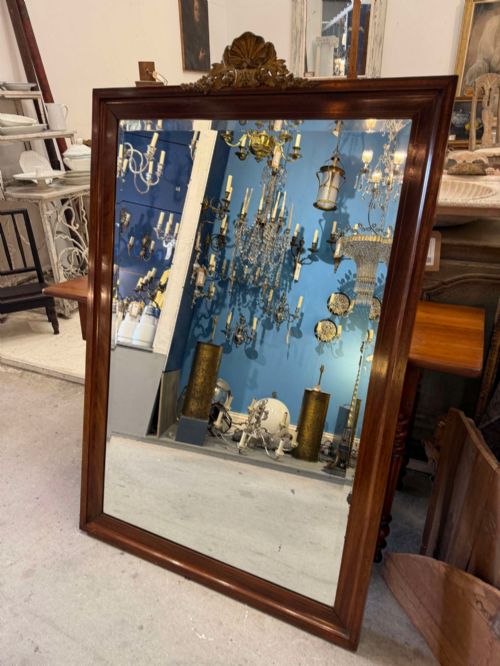
When searching for an antique crest mirror, buyers encounter a diverse selection of wall-hung and overmantel looking glasses featuring prominent decorative top sections. These pieces span from the 18th century through to the early 20th century, originating primarily from English and French workshops.
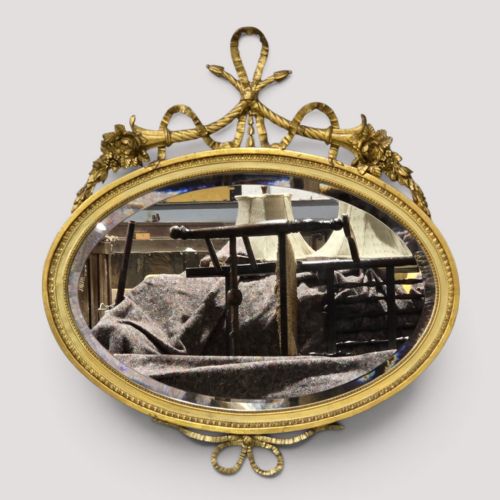
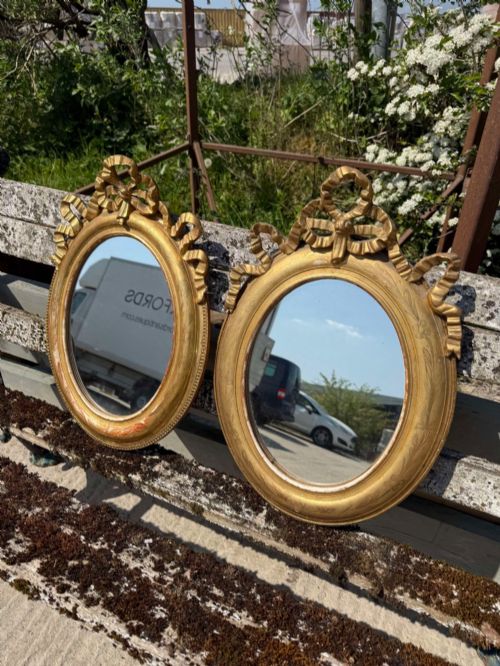
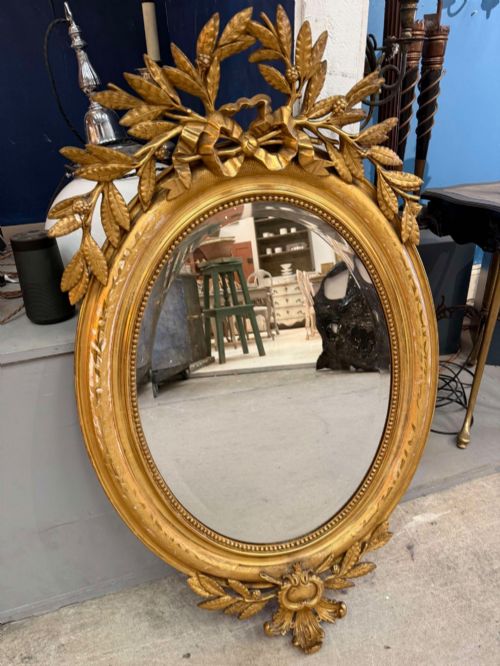
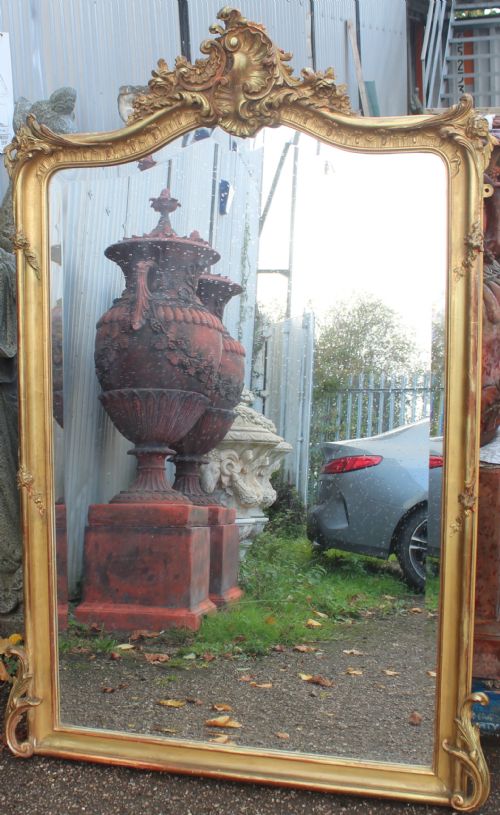
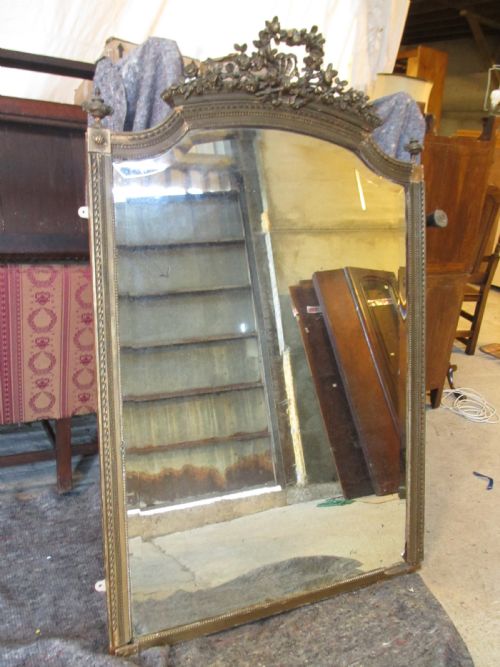
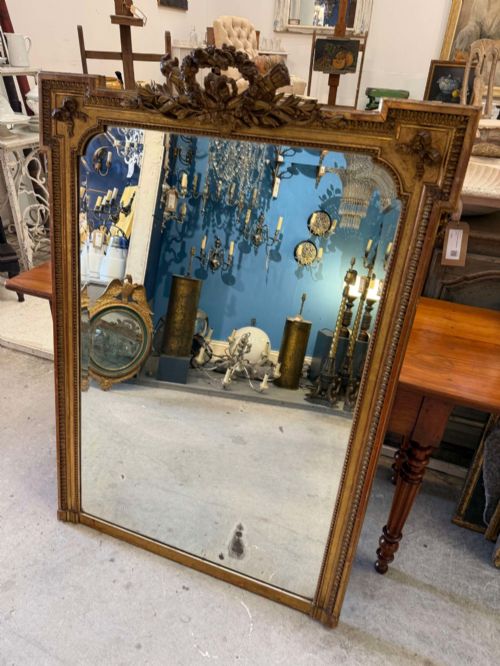
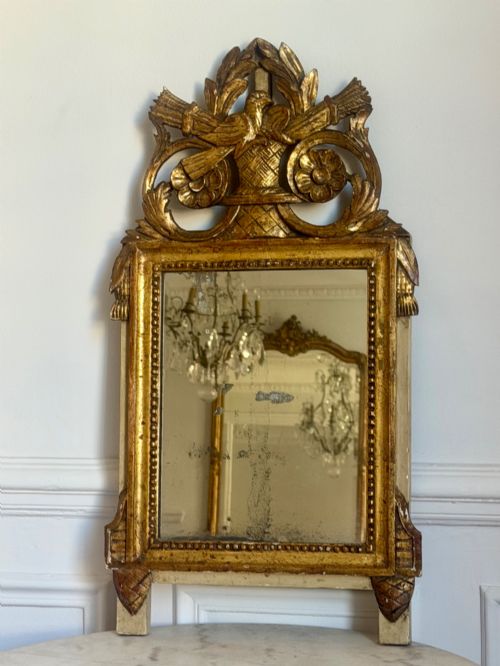
The most common versions met on this page are 19th-century French giltwood and gesso pieces adorned with floral, ribbon, or urn crests, alongside substantial overmantel and pier mirrors designed to command a formal interior space.
How they were made
Makers shaped the frames from hardwoods like mahogany, oak, and yew, or utilised softer woods built up with layers of gesso to receive intricate surface carving. Gilding was applied using gold leaf, silver-gilt, or painted finishes, often resulting in rich textures across the wooden ornaments.
Mirror plates were set into these frames, ranging from early mercury glass to later bevelled and reverse-cut plates, reflecting the technological capabilities of periods such as the Georgian, Regency, and Victorian eras.
Antique Crest Mirror Retail Price Guide 2026
Typical asking prices for crest mirror among the pieces listed under this phrase on Sellingantiques today, from the lower quarter to the upper quarter. They describe what is for sale here now, not the wider market.
Several convex mirrors on display feature alert spread eagles perched on top, keeping a watchful glass eye on the room below.
What varies in quality
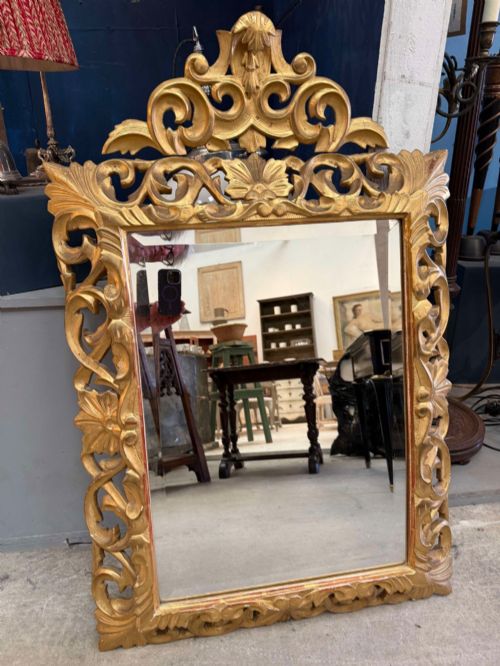
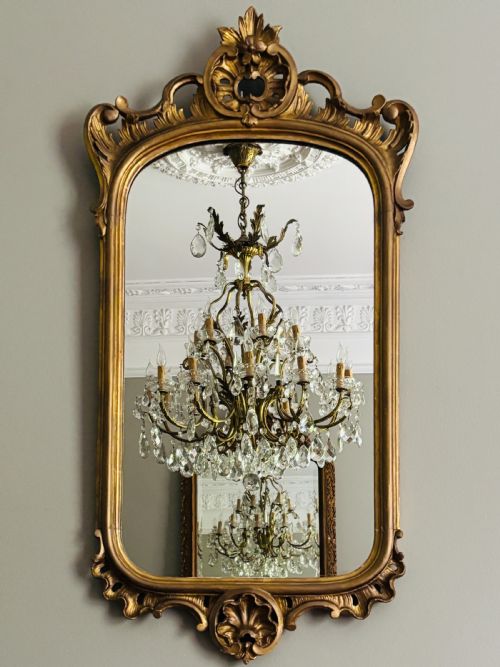
The distinction between tiers lies heavily in the depth and crispness of the hand-carved crest and framing elements, where deeply undercut wood and gesso ornamentation display superior artisan skill compared to simpler, moulded decoration.
Proportion and the integrity of the original gilt or painted surface also dictate standing, with untouched patination and well-balanced proportions holding greater aesthetic weight.
The Antique Crest Mirror Glossary
- Crest
- The decorative ornament mounted at the top of a mirror frame. It often takes the form of an eagle, ribbon, urn, or floral arrangement.
- Giltwood
- Wood that has been coated with gold leaf or gold paint. This technique was widely utilised on formal mirrors from the Georgian period onwards.
- Gesso
- A plaster-like mixture applied to wood frames and carved before gilding. It provides a smooth base for intricate surface detailing.
- Overmantel mirror
- A large glass specifically designed to hang above a fireplace mantel. These pieces frequently feature architectural crests to fill vertical wall space.
- Pier mirror
- A tall, narrow looking glass created to hang on the wall space between two windows. They often incorporate painted or gilded crests.
Antique Crest Mirror: Frequently Asked Questions
Where should I hang an antique crest mirror?
These mirrors suit locations where their height and decorative top can be fully appreciated without obstruction. Placing one above a mantelpiece or a console table allows the architectural crest to anchor the surrounding wall space.
Ensure the wall construction can support the substantial weight of carved wood and gesso frames, particularly for larger overmantel and pier formats.
How do I clean the glass safely?
Use a soft, dry cloth to remove dust from the frame and glass surface without disturbing fragile historic finishes. Avoid spraying liquids directly onto the mirror plate or the giltwood, as moisture can seep behind the glass or damage old gesso.
Apply mild glass cleaner sparingly to a cloth rather than the mirror itself if marks require removal.
What styles are available?
The selection encompasses numerous design movements including Georgian mahogany fretwork, Regency convex forms with eagle surmounts, and ornate French Louis XV and Louis XVI styles. Each style brings distinct carving motifs and proportions to the upper crest.
Victorian and Belle Époque interpretations also appear frequently, offering diverse decorative options from gilded floral wreaths to painted wooden frames.
How do I identify the period?
Dating relies on examining the construction methods of the wooden frame, the materials used in the gesso, and the characteristics of the mirror plate. Georgian and Regency pieces often display distinct mahogany framing or convex glass, while 19th-century French pieces frequently utilise elaborate carved gesso crests.
Stylistic cues such as Napoleon III or Louis XVI revival details further narrow down the decade of manufacture.