

Antique Cream Painted Seats
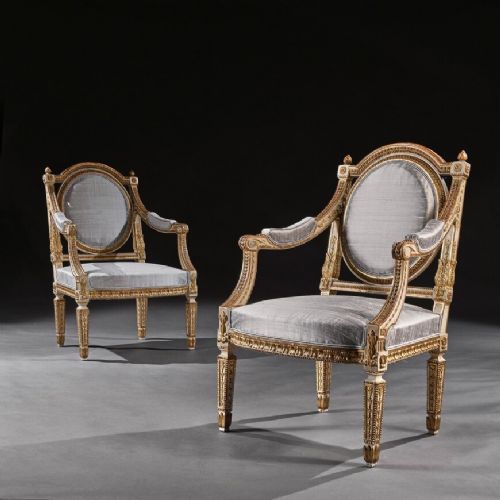
Antique cream painted seats bring lightness to a room through weathered pigment and carved wood frames.
Antique Cream Painted Seats
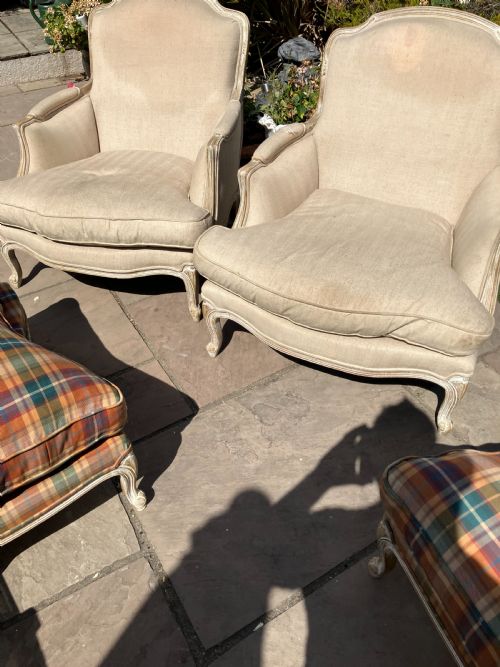
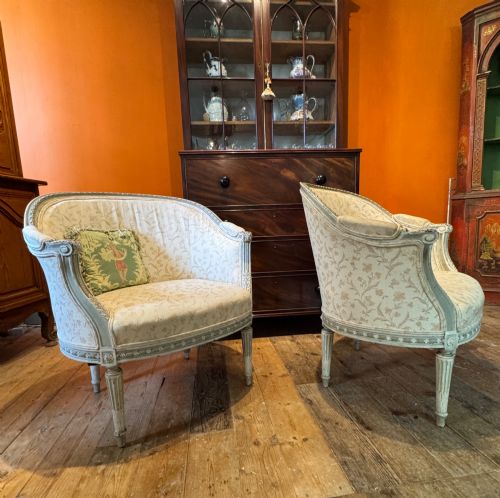
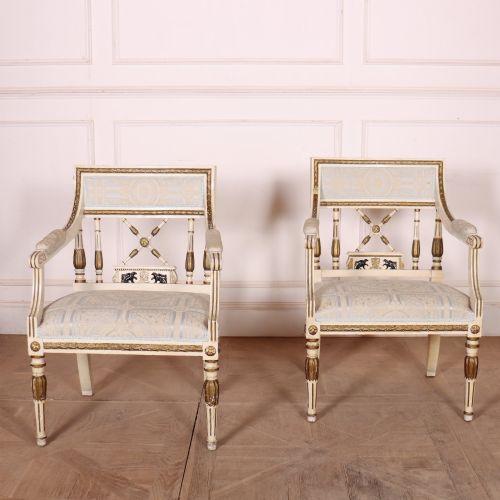
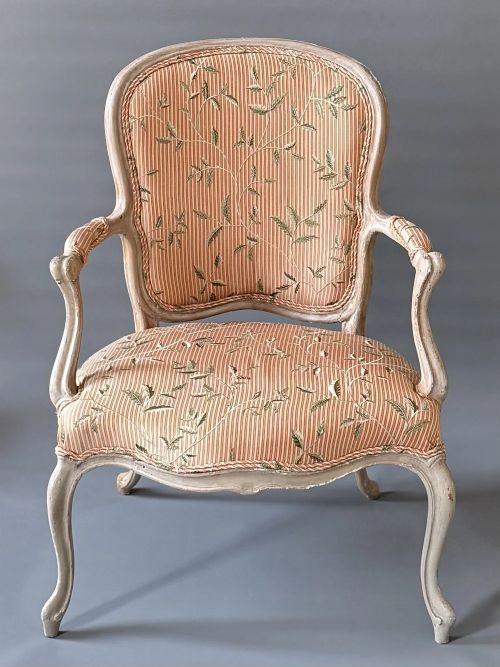
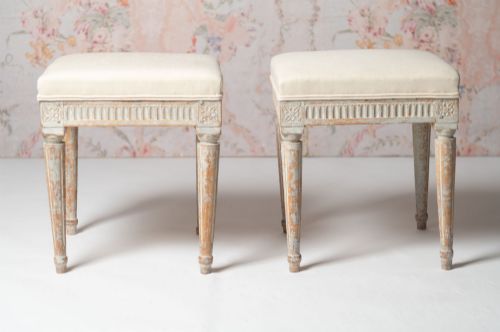
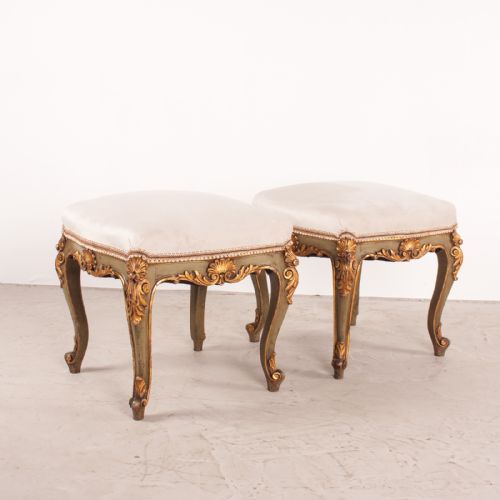
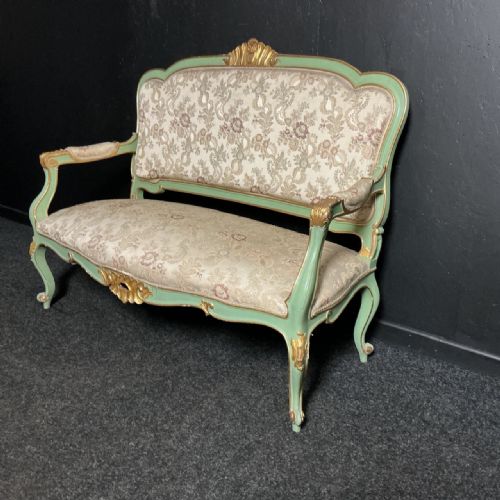
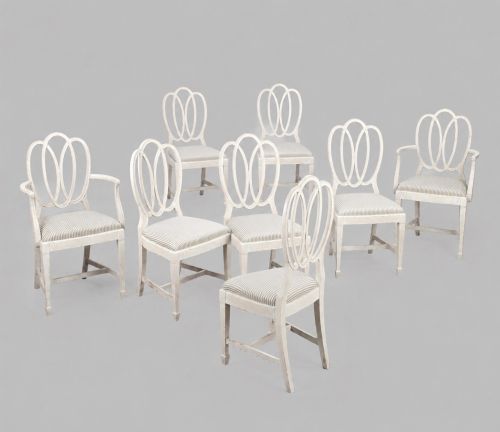
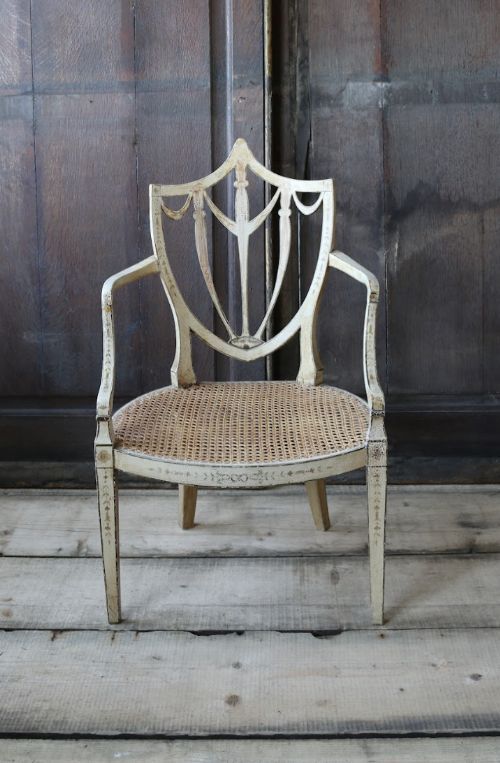
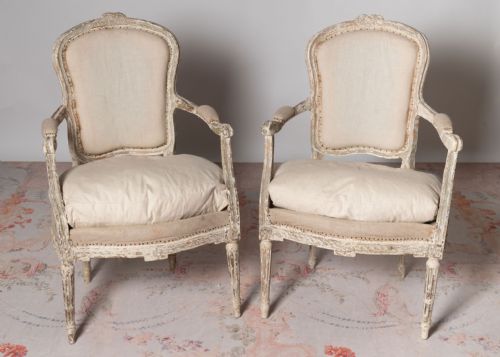
Antique cream painted seats encompass armchairs, benches, stools, and settees originating from the eighteenth century onwards. Buyers searching for antique cream painted seats encounter seating shaped by French provincial, Swedish Gustavian, and English Regency aesthetics.
The inventory on this page ranges from compact footstools and dining chairs to substantial multi-seater settles and sofas. Pieces span the Victorian era, the nineteenth century, and early decades of the twentieth century.
Continental workshops produced many of the surviving examples, particularly in France and Sweden, where pale painted finishes formed part of classical and neoclassical decorative schemes.
Materials and Technique
Frames are constructed from sturdy timbers such as beech, pine, and walnut, often shaped with hand-carved details. Artisans applied layers of paint directly to the wood, sometimes finishing surfaces with gold leaf accents.
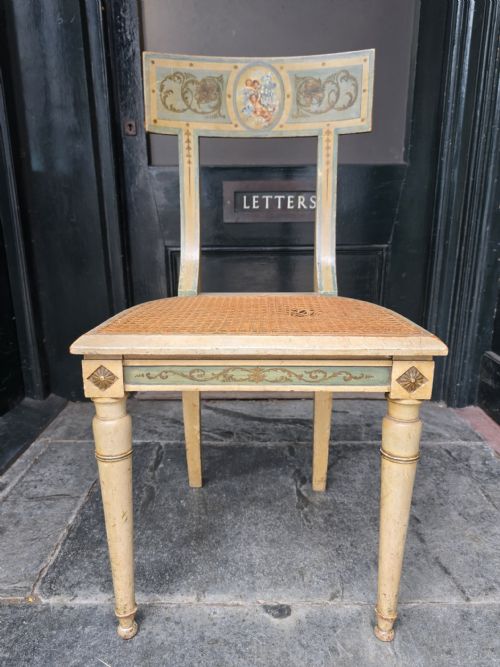
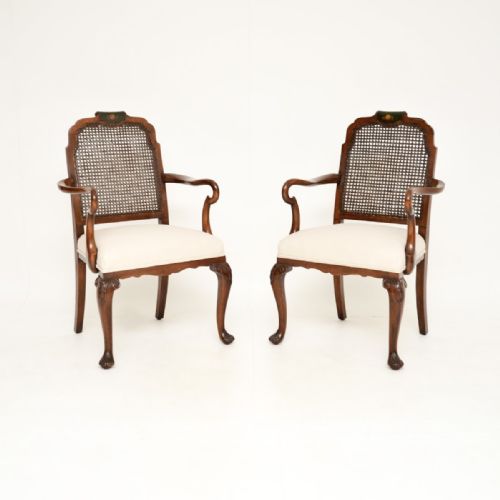
Upholstery relies on traditional textiles including linen and fabric, alongside woven cane inserts for seats and backs. Surviving examples frequently retain original layers of paint that show natural craquelure and wear from age.
Hungarian box settles double as sturdy storage chests while keeping stray boots hidden beneath the cream paint.
Craftsmanship and Surface
Quality rests in the crispness of the timber carving and the structural integrity of the frame joints. Finer pieces display balanced proportions and sophisticated stylistic references, such as classical fluting or carved scrollwork.
The integrity of the painted surface significantly impacts the character of the seating. Original untouched paint finishes with authentic patination command greater interest than later repainted surfaces.
Henri Jacob·Miles and Edwards
The Antique Cream Painted Seats Glossary
- Gustavian
- A Swedish neoclassical design style characterised by restrained classical carving and pale painted finishes. This style emerged during the late eighteenth century under King Gustav III.
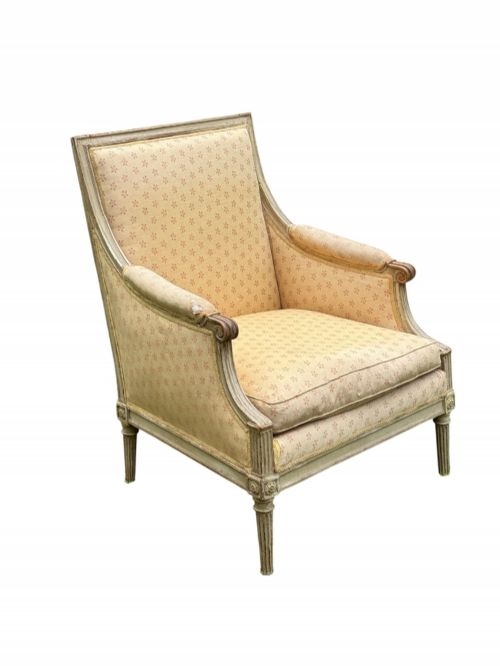
- Bergere
- An enclosed upholstered armchair with wooden framing around the sides and back. These seats typically incorporate a loose squab cushion over a cane or upholstered base.
- Settee
- A medium-length wooden or upholstered bench designed for two or more people. They often share stylistic traits with contemporary armchairs from the same period.
- Cane
- Woven rattan material used for seat panels and chair backs. It provides flexible support while maintaining a light visual appearance.
Antique Cream Painted Seats: Frequently Asked Questions
How do I clean an antique painted seat?
Dust surfaces gently with a soft, dry cloth to protect fragile historical paint layers from moisture damage.
Avoid modern chemical cleaning products and professional solvents which strip away original patination.
Are these seats suitable for daily use?
Sturdier frames tolerate regular sitting, though delicate antique joints require careful treatment.
Lighter chairs function best as accent pieces or occasional seating in low-traffic rooms.
How can I identify original paint?
Original painted surfaces show natural fading, microscopic cracking, and wear consistent with age.
Later overpainting often appears flat, uniform, and lacks the subtle depth of historic pigment layers.
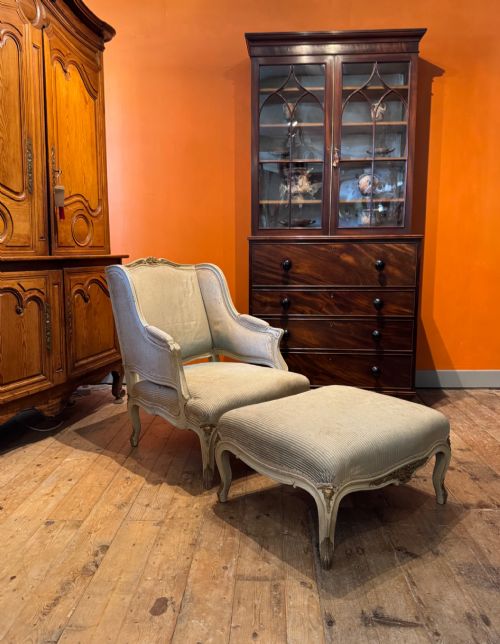
What is a duchesse brisée?
A duchesse brisée is a multi-part daybed configuration combining a chair with a matching footstool.
French makers designed these elongated seats for reclining in formal eighteenth-century boudoirs.