

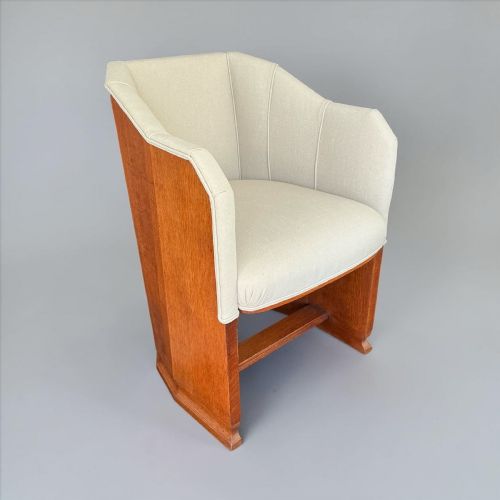
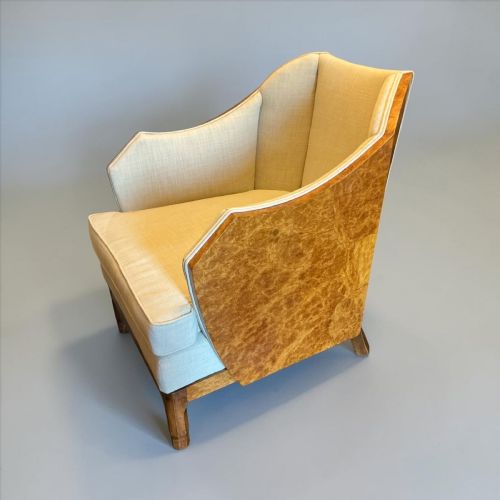
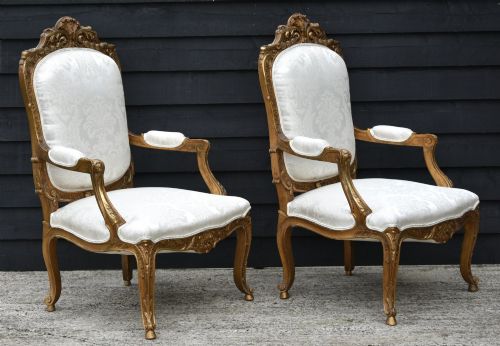
Antique Cream Armchair
An antique cream armchair brings soft upholstery and timeless woodwork together, offering a quiet focal point for a traditional or modern interior.
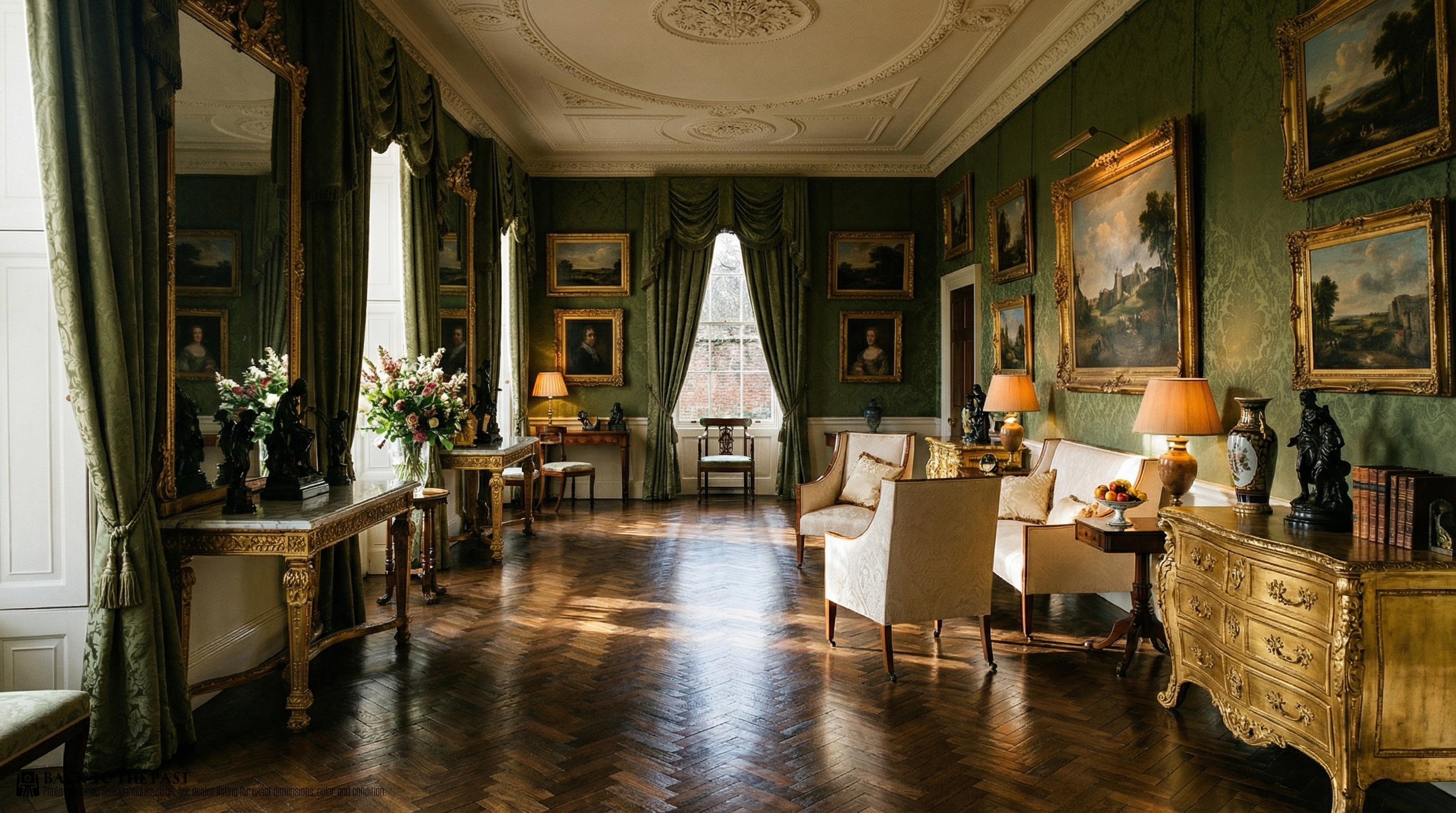
Antique Cream Armchair
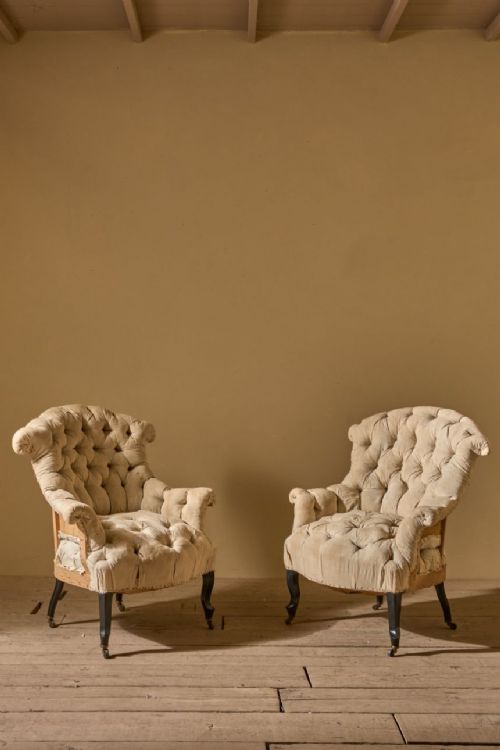
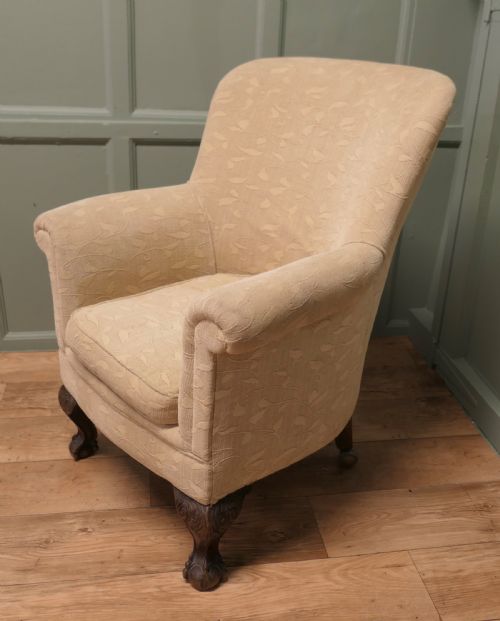
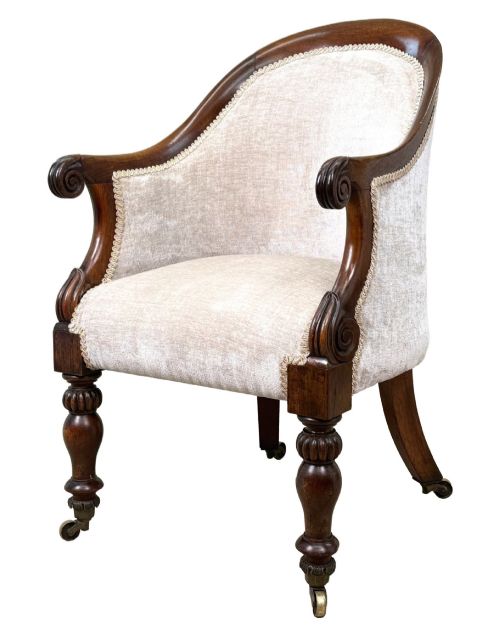
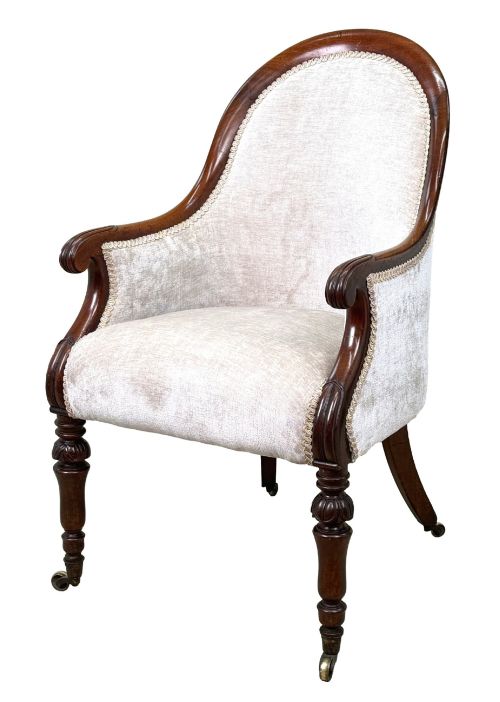
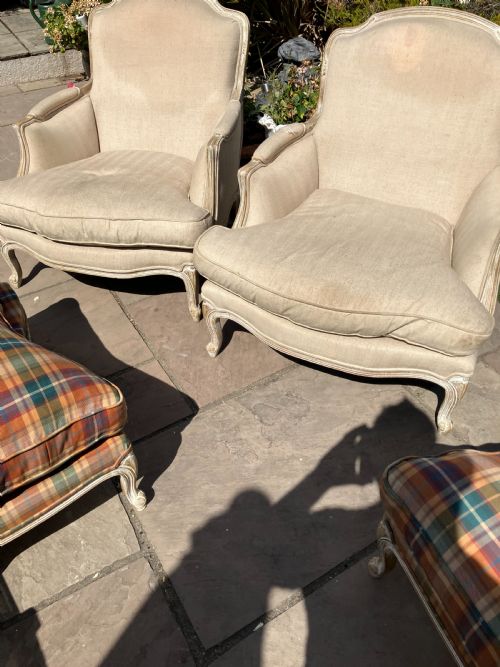
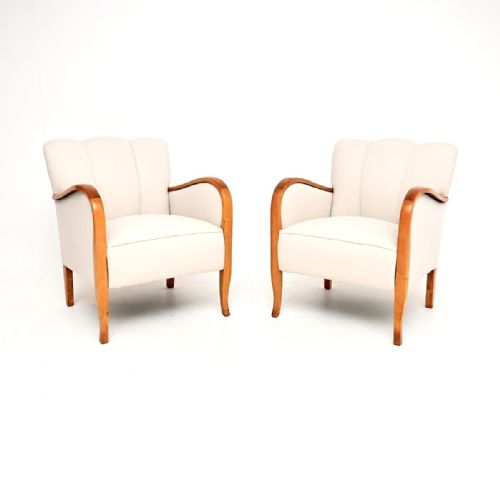
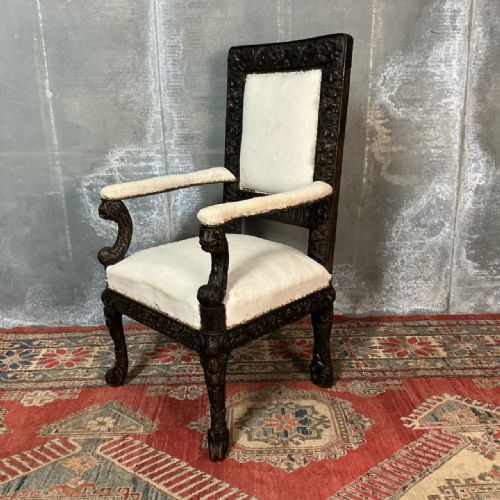
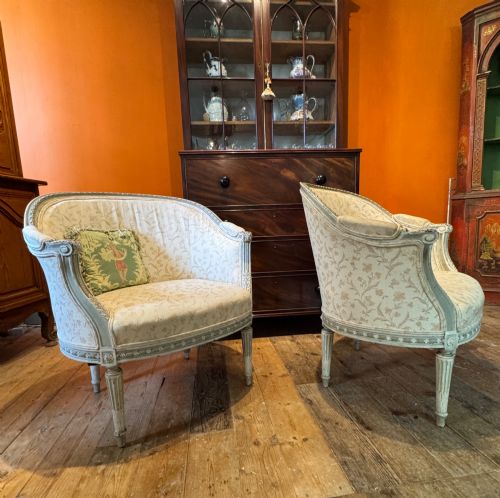
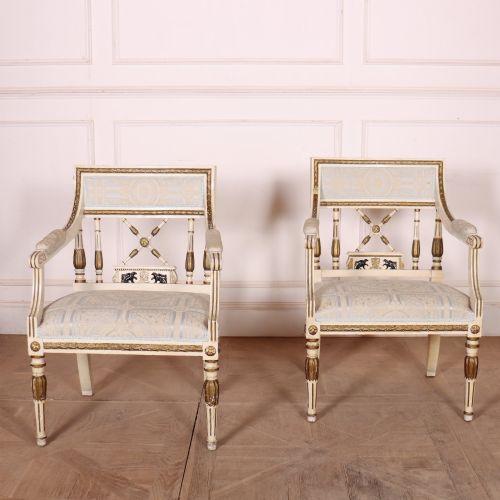
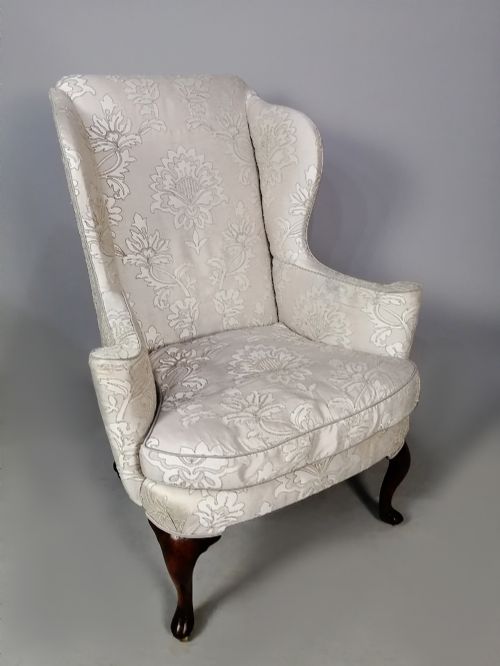
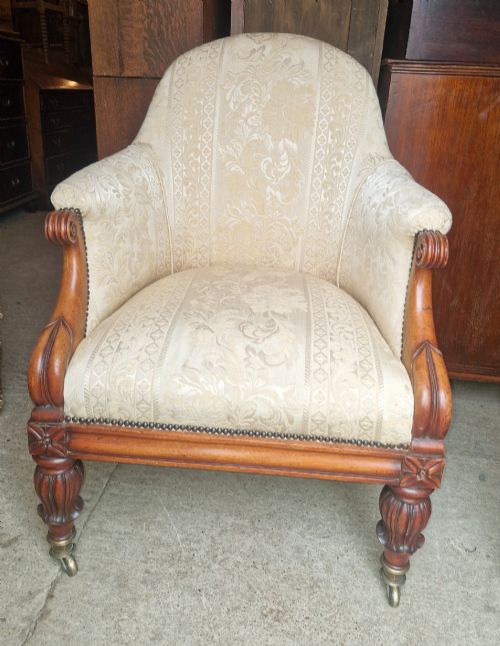
An antique cream armchair represents a seating form designed for comfort, appearing across periods from the eighteenth century through the art deco era. When searching for an antique cream armchair, buyers encounter wingbacks, tub library seats, and low lounge chairs upholstered in light textiles.
The selections span English and French workshops, utilising wood frames paired with neutral covers such as calico, linen, and leather. These pieces function as reading seats or occasional chairs, bringing understated elegance to a room without dominating the colour scheme.
How they were made
Frames rely on sturdy timbers such as mahogany, walnut, oak, and beech, shaped through traditional joinery and occasional carving. Wood surfaces range from polished grains to original painted finishes and gilt highlights.
Upholstery techniques involve traditional stuffing secured with calico or linen foundations, leading to finished surfaces in cream fabrics, leather, or decorative textiles.
Some library armchairs spent centuries quietly absorbing tobacco smoke and whispered secrets before finding a sunny spot.
What varies in quality
The integrity of the underlying timber frame and the refinement of the carved details dictate the standing of a piece. Finer examples display balanced proportions, crisp joinery, and harmonious integration between wood and textile.
The character of the upholstery work also influences the piece, whether retaining original finish or featuring fresh supportive materials that respect the historic form.
Howard and Sons·C Hindley and Sons·Mellier and Co
The Antique Cream Armchair Glossary
- Wingback
- A chair style featuring protective side panels designed to shield the sitter from draughts. This form dates back centuries and remains popular in cream fabric.
- Tub chair
- A curved seating form where the back and arms form a continuous semi-circular enclosure. These compact seats often appear in library and salon settings.
- Bergere
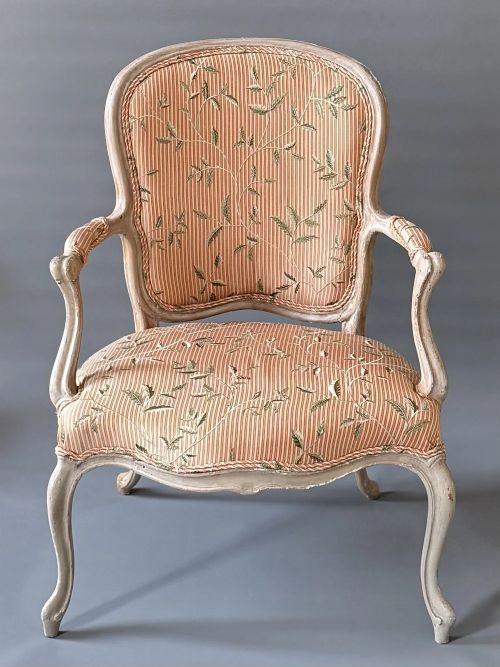
- An enclosed upholstered armchair with wooden framing exposed around the sides and back. French examples frequently showcase painted or polished woodwork.
- Calico
- A plain-woven unbleached textile often used as an initial upholstery layer or a neutral covering. Many pieces arrive freshly upholstered in this simple cotton fabric.
- Fauteuil
- An open-framed French upholstered armchair with exposed wooden arms. These elegant seats originate from historic Parisian drawing rooms.
Antique Cream Armchair: Frequently Asked Questions
How do I clean cream upholstery?
Maintenance depends entirely on the specific fabric specified in the listing, whether it is natural linen, cotton calico, or leather. Gentle surface brushing removes dust, while professional cleaning preserves older textile integrity.
Avoid harsh chemical treatments that might damage historic fibres or alter the delicate neutral tone of the cream surface.
Are these chairs comfortable for daily use?
Most antique cream armchairs were designed for relaxed seating, particularly wingback and lounge variations with generous proportions. Modern reupholstery often updates internal padding for contemporary sitting habits.
Selecting the right model involves considering seat depth and back height to match personal comfort preferences.
Can I place an antique chair in a modern room?
Neutral cream upholstery allows these historic seating forms to blend seamlessly into contemporary interior schemes. The contrast between older wood frames and clean modern surroundings creates visual interest.
Pairing a period chair with simple modern furniture lets the craftsmanship stand out effectively.