


Antique Craft Vases
Antique craft vases bring hand-modelled studio ceramics, copper vessels and art glass into domestic interiors with distinct period character.
Antique Craft Vases
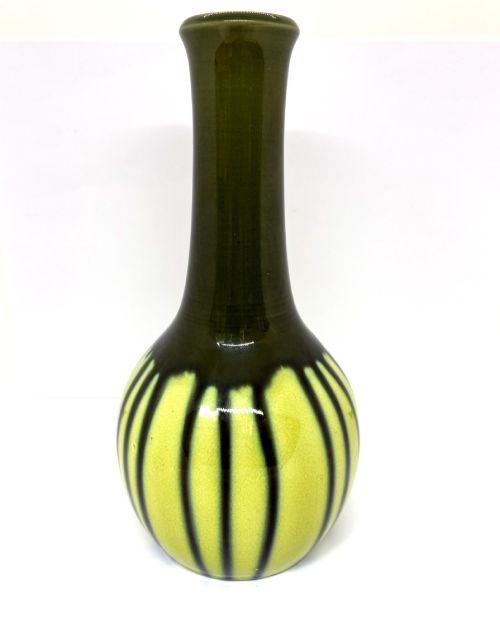
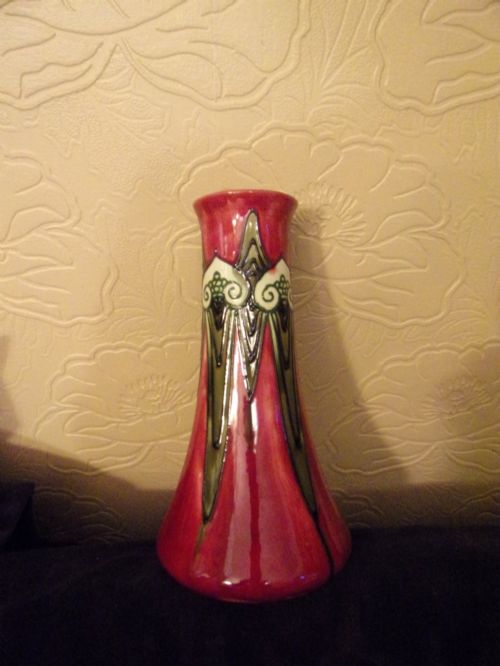
Antique craft vases encompass hand-thrown vessels, jugs, ewers and wall pockets produced during the late nineteenth and early twentieth centuries. These pieces emerge primarily from the Arts and Crafts, Art Nouveau and Art Deco movements, capturing a distinct shift toward studio-led design.
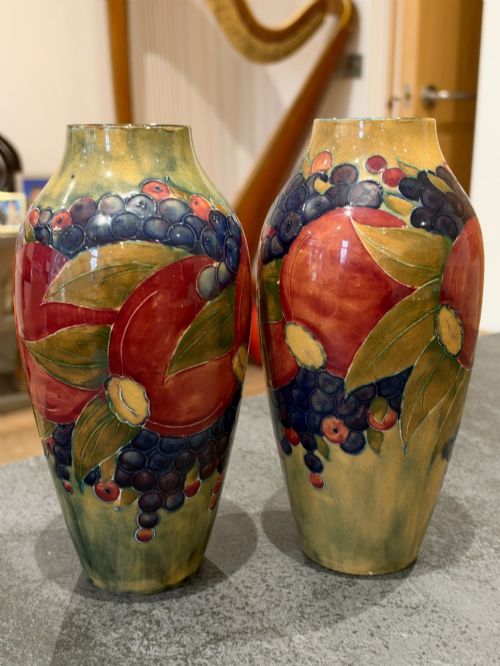
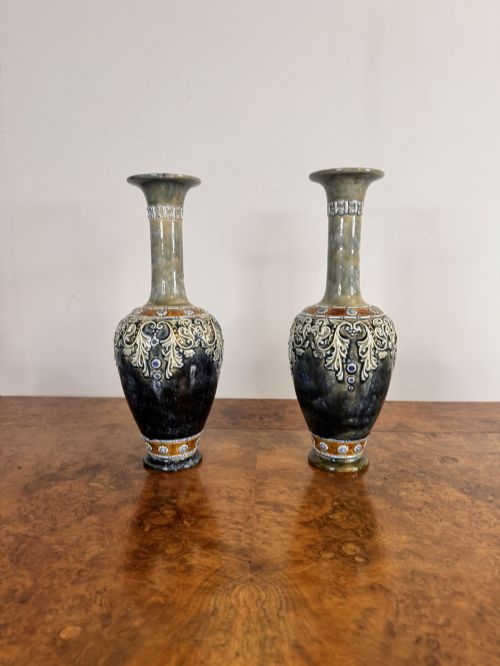
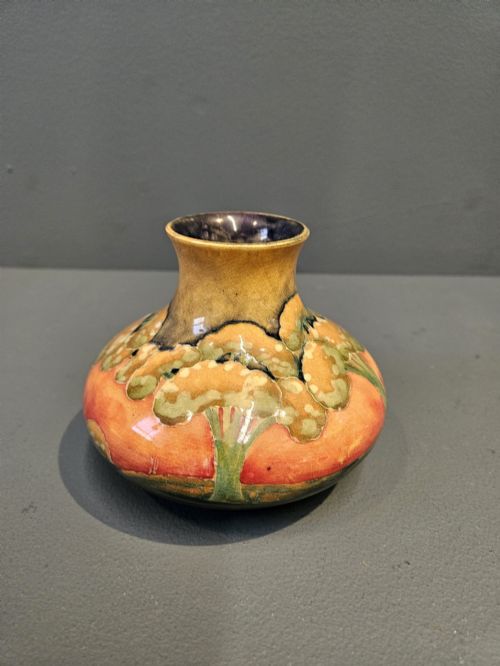
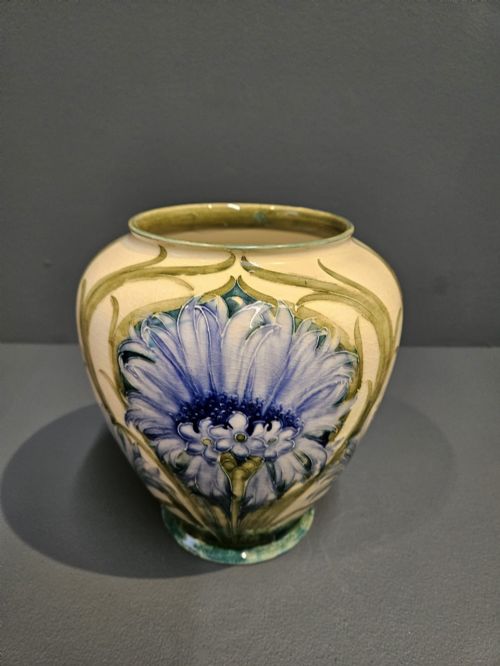
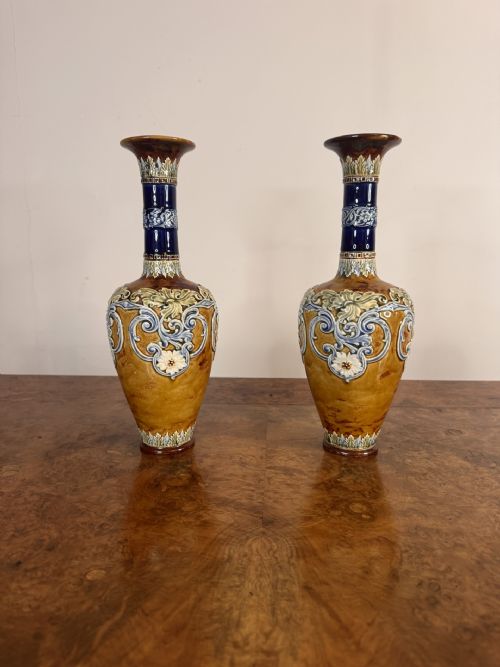
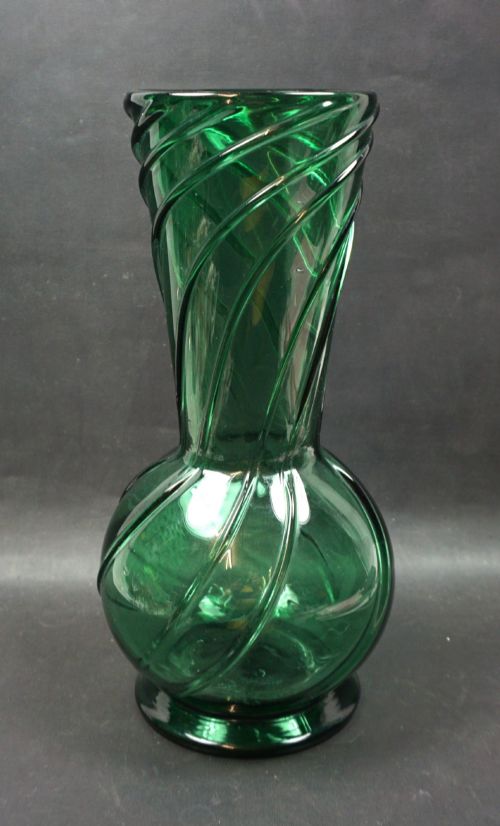
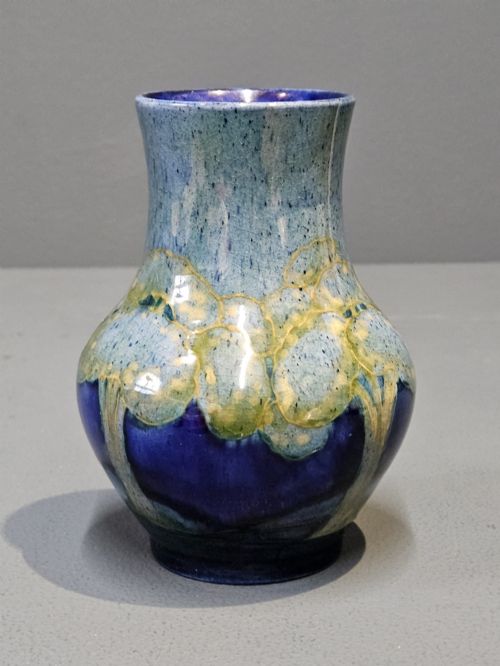
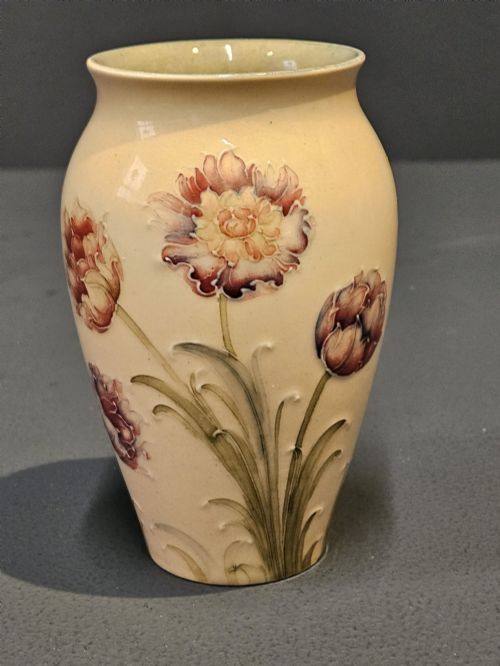
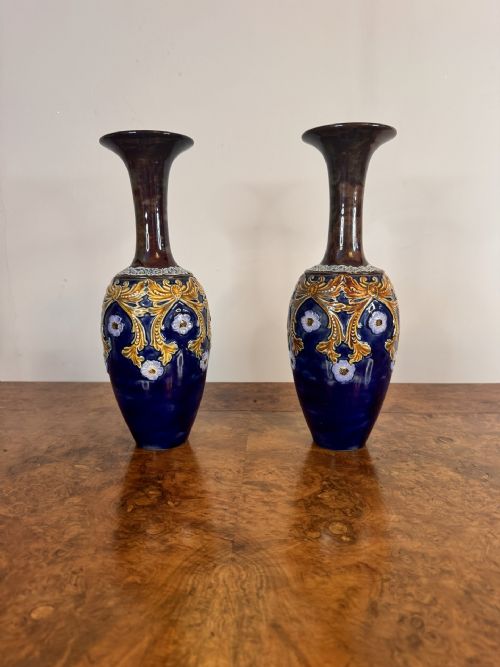
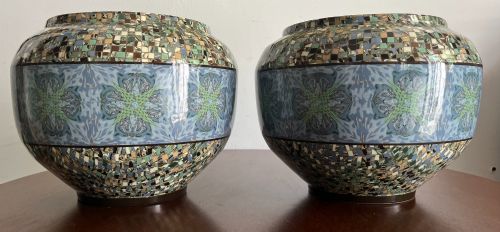
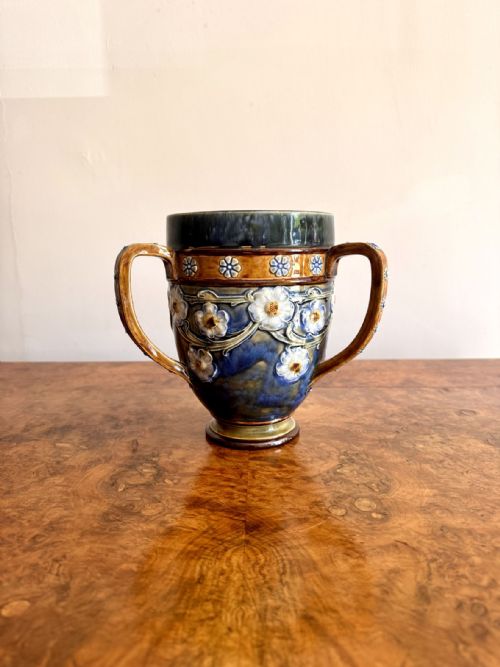
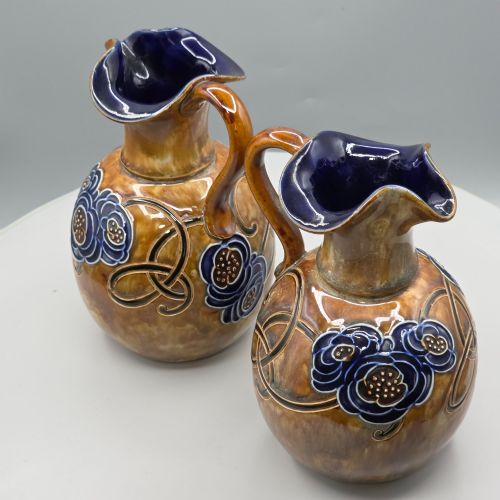
The selection on this page centres heavily on British art pottery, featuring notable contributions from Doulton Lambeth, Moorcroft, Burmantofts and Minton Secessionist lines. Alongside earthenware and stoneware, the material range extends to copper vessels and blown glass by makers such as James Powell and Harry Powell.
Forms vary from robust salt-glazed stoneware baluster vases to delicate earthenware featuring tube-lined or faience decoration. Buyers encounter everything from modest studio wall pockets to large, highly detailed pairs designed for prominent display.
How they were made
Makers utilised earthenware, stoneware and terracotta bodies, often shaping them by hand on the potter's wheel or casting them into moulds before applying intricate surface decoration. Techniques such as Slaters Patent employed textured lace impressions rolled directly into the damp clay, whilst tube-lining laid down raised outlines of slip to contain vibrant coloured glazes.
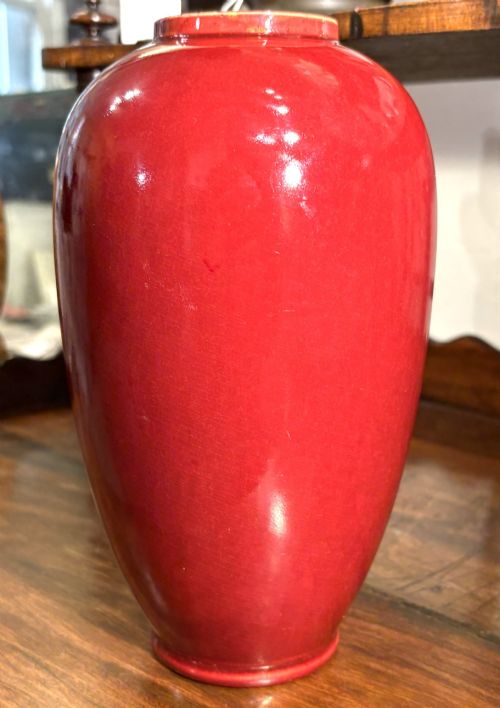
Glazing methods defined the final aesthetic, ranging from high-fired salt glazes on Doulton stonewares to lustrous Celadon, Flamminian and Secessionist ceramic glazes. Metalwork pieces utilised beaten copper with twin handles, whilst glass examples relied on optical blowing and Venetian-inspired green glass formulas.
Antique Craft Vases Retail Price Guide 2026
Typical asking prices for craft vases among the pieces listed under this phrase on Sellingantiques today, from the lower quarter to the upper quarter. They describe what is for sale here now, not the wider market.
Listings span periods from the nineteenth century through the 1920s, with a strong concentration of Arts and Crafts and Art Nouveau styles.
What varies in quality
Quality rests significantly upon the skill of the individual artist or decorator whose monogram or signature often appears on the base. Pieces painted by recognised studio artists display superior control in hand-painted floral or abstract motifs compared to standard factory output.
Depth of glaze and crispness of execution differentiate standard vessels from exceptional examples. Intricate tube-lined designs, well-defined impasto enamel work and balanced, harmonious colour palettes mark out the finer tiers of art pottery and metalwork.
Royal Doulton Lambeth·William Moorcroft·Sir Edmund Harry Elton·James Powell·Burmantofts Pottery
The Antique Craft Vases Glossary
- Stoneware
- A dense, vitreous ceramic fired at high temperatures until non-porous. It accepts salt glazes readily and forms the robust body of many Victorian and Edwardian studio pieces.
- Tube-lining
- A decorative technique where liquid clay or slip is squeezed from a bulb through a nozzle to build raised outlines. These outlines form compartments that hold liquid coloured glazes before firing.
- Faience
- Earthenware decorated with opaque coloured glazes over a tin-glazed or absorbent clay body. It permits rich, painterly surface designs typical of late nineteenth-century art pottery.
- Baluster
- A vertical architectural form featuring a rounded lower body tapering to a narrow neck. Many large studio vases adopt this stable, curved silhouette.
- Ewers
- Pitcher-like jugs fitted with a handled grip and a spouted lip. Originally functional, they were frequently produced as purely decorative display pieces during the Victorian era.
Antique Craft Vases: Frequently Asked Questions
How do I date an art pottery vase?
Dating relies on impressed factory marks, studio stamps and artist monograms found on the underside of the ceramic base. Comparing these specific ciphers against established manufacturer chronologies provides the most reliable period.
Style also offers clear clues, as flowing organic motifs point toward the turn of the century whilst geometric tube-lining often indicates later Edwardian or 1920s production.
What is Slaters Patent pottery?
Slaters Patent refers to a Doulton Lambeth technique where actual lace or fabrics were pressed into damp clay to create intricate textured backgrounds. Artisans then hand-painted these textured areas with coloured enamels and gilt highlights.
This method produced richly patterned surfaces that combined industrial innovation with individual artistic decoration.
Who were the notable designers of these pieces?
The listings feature prominent figures from the British art pottery and arts and crafts movements, including Florence Barlow, Eliza Simmance and William Moorcroft. Many pieces bear the personal monogram of the studio artist alongside factory stamps.
Independent makers such as Sir Edmund Harry Elton operated private studio potteries, producing distinctive slip-decorated earthenware.