


Antique Court Painting
When you search for antique court painting, you are looking at formal portraits, palace interiors and historical scenes rendered in oil, canvas and glass.
Antique Court Painting
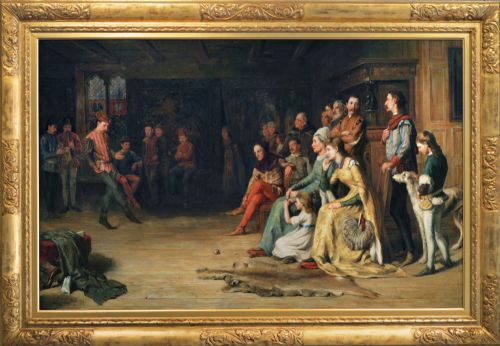
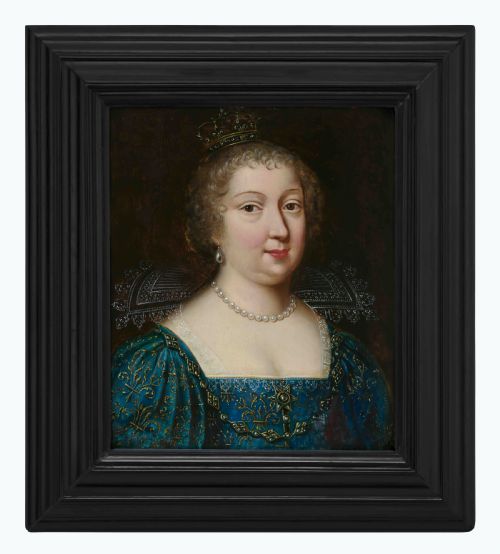
The phrase antique court painting gathers formal portraits of nobility, interior palace scenes and romantic compositions from European and Asian traditions. These works span the seventeenth to the nineteenth centuries, recording aristocratic life through oil on canvas, reverse painting on glass and framed ancestral scrolls.
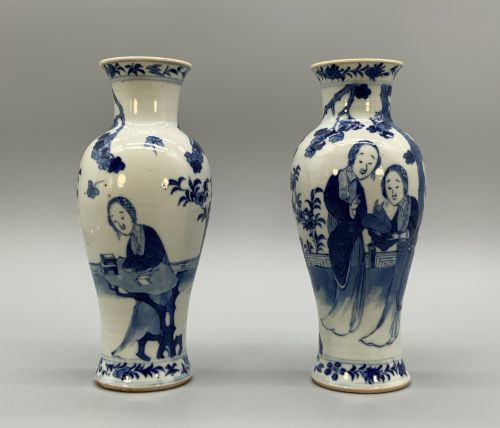
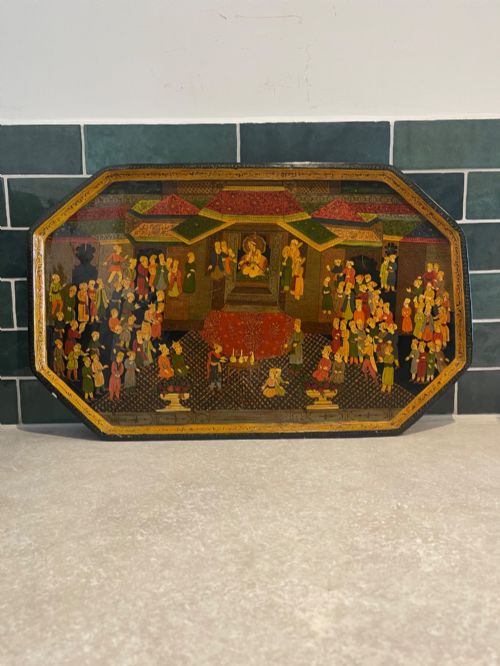
Buyers will encounter formal oils depicting dignitaries alongside decorative Chinese Canton porcelain and reverse glass compositions. The material record stretches from seventeenth-century European portraiture to nineteenth-century Qing Dynasty pieces and Indian gouache miniatures.
Materials and methods
Painters employed oil on canvas or wood panel, applying pigments with traditional binders to build layered compositions of figures and interior spaces. Reverse painting on glass required artists to apply details directly to the reverse side of the glass panel, creating a finished image viewed through the transparent front.
Asian export pieces and European porcelain incorporate hand-painted enamels and gold leaf applied to ceramic bodies or paper substrates. Skilled makers utilised mineral pigments for miniatures and gouache works, ensuring vibrant colour retention across centuries.
Listings combine seventeenth-century European oil on canvas portraits with nineteenth-century Chinese reverse glass paintings and Indian gouache miniatures.
Judging quality in court works
Quality rests in the precision of the brushwork and the anatomical accuracy of the figures portrayed. Master works display fine control over facial expressions, textile folds and interior perspective.
The depth of the palette and the preservation of the original surface determine the standing of a piece. Finer examples maintain crisp detail in gold leaf accents and enamel applications without later overpainting.
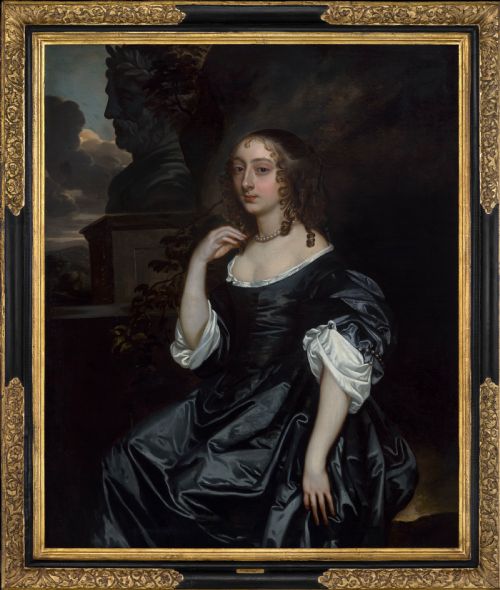
Sir Peter Lely·Henri and Charles Beaubrun·Pierre Gobert
The Antique Court Painting Glossary
- Famille Rose
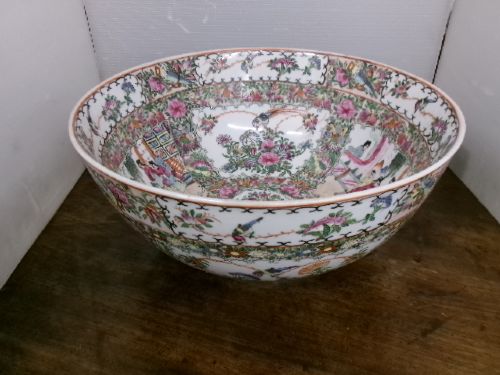
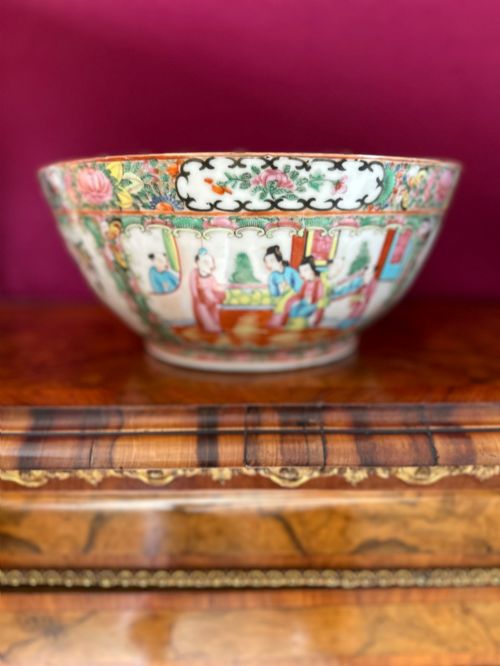
- A palette of opaque pink enamel introduced in Chinese ceramics during the Qing Dynasty. This colour scheme dominates many nineteenth-century Canton bowls and vases.
- Reverse Painting on Glass
- A technique where an image is painted directly onto the back of a glass panel to be viewed from the front. This method produces a glossy surface finish unique to certain Asian and European decorative works.
- Gouache
- An opaque water-based medium used in miniature painting. It provides solid matte colours suited to detailed Indian school portraits.
- Ancestral Scroll
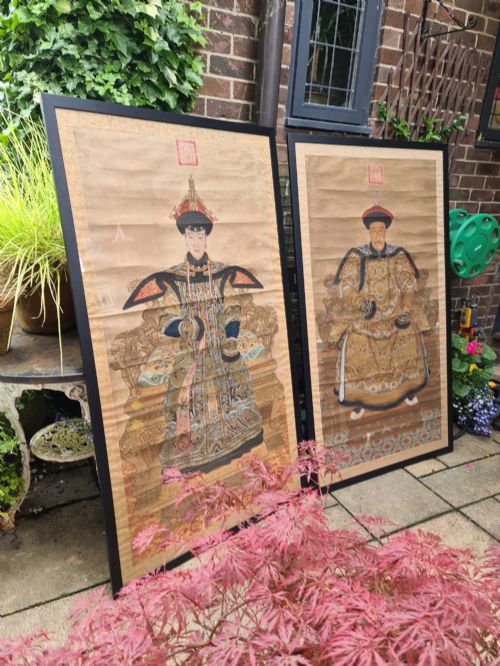
- A hanging painting commissioned to honour family lineage and dynastic heritage. These scrolls frequently feature formal seating arrangements of dignitaries.
Antique Court Painting: Frequently Asked Questions
What subjects appear in these paintings?
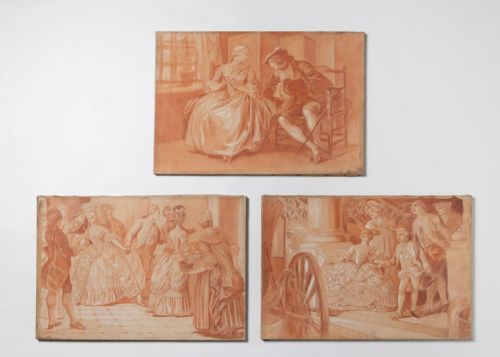
The subjects include European nobility, palace interiors, romantic courting couples and historical dignitaries. Many works record official status or leisurely aristocratic pursuits.
Asian examples add ancestral scrolls, court officials and domestic household scenes rendered on porcelain and glass.
How should I display a glass painting?
Reverse paintings on glass require stable indoor humidity away from direct sunlight to protect the fragile pigment layer behind the transparent pane. Hang them securely using appropriate wall fixings suited to the frame weight.
Avoid placing these pieces near heat sources that might cause the glass or backing materials to warp.
How do I identify the period of a work?
Dating relies on costume details, framing styles, and the specific pigments or ceramic bodies used in the construction. Seventeenth-century European portraits often feature specific lace collars and canvas weaves characteristic of the period.
Nineteenth-century Chinese export pieces display distinct famille rose palettes and Canton motifs associated with the Qing Dynasty.
Are these works always European?
The category encompasses diverse cultural traditions, including extensive Chinese export porcelain, ancestral scrolls, and Indian gouache miniatures alongside European oil paintings. Each regional tradition applies distinct materials to the theme of formal court life.
Collectors often mix these varied geographical origins within a single interior display.