

Antique Countryside Oil Artwork
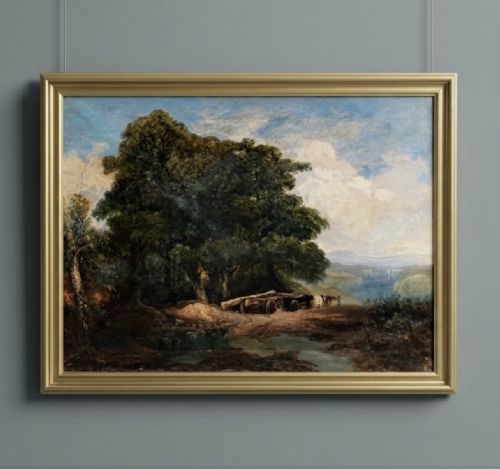
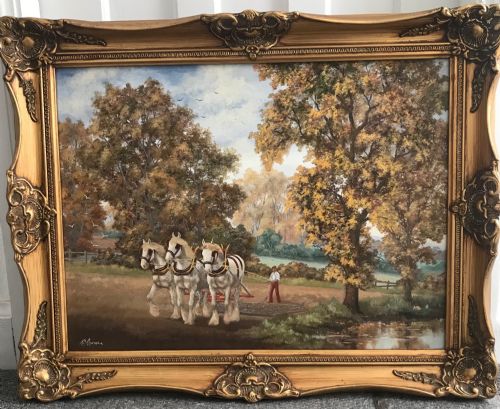
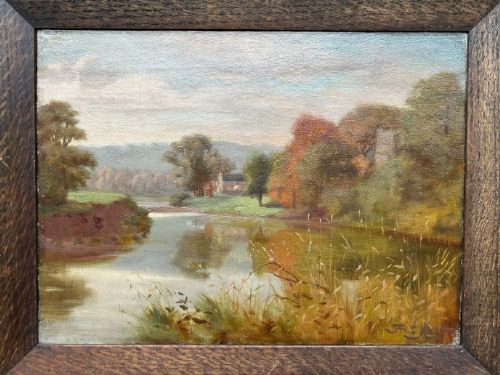
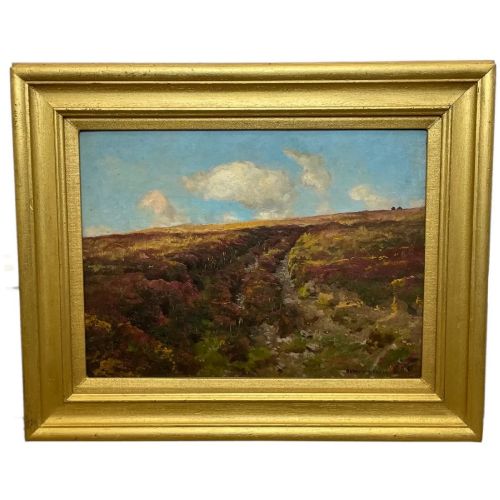
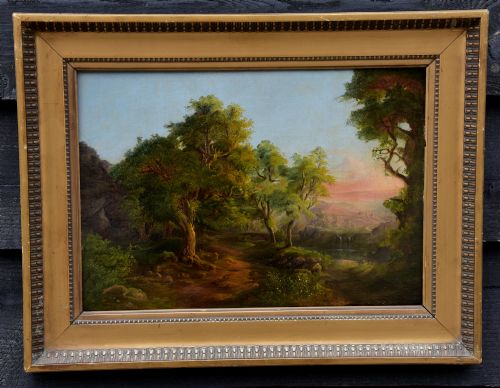
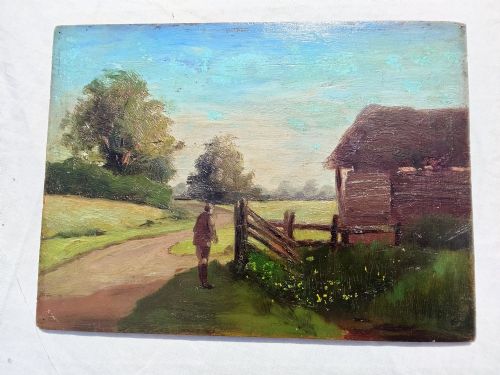
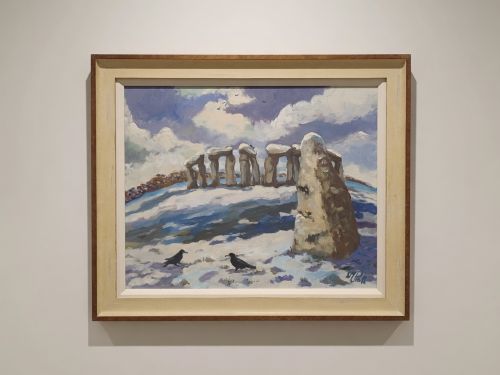
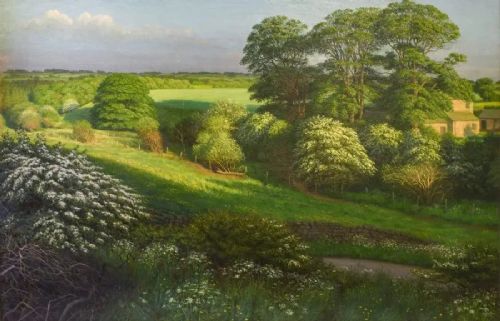
These antique countryside oil artwork pieces capture rustic valleys, rivers and woodland scenes through the textured medium of oil paint.
Antique Countryside Oil Artwork
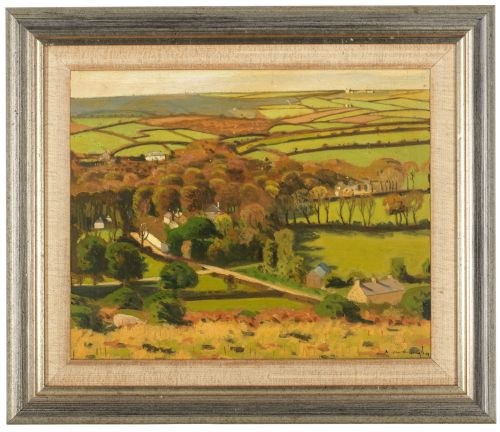
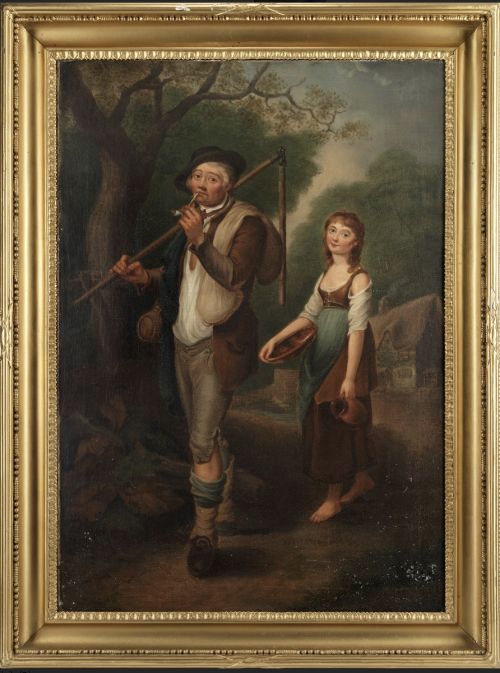
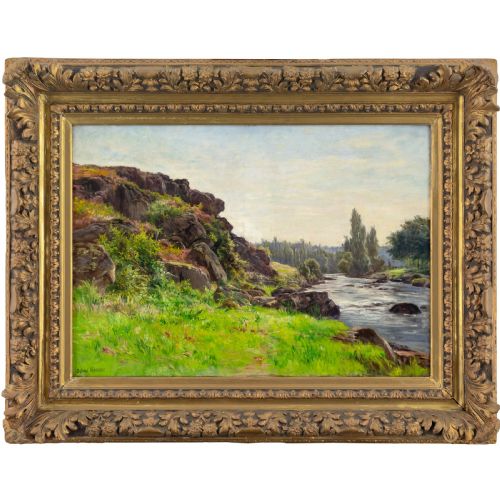
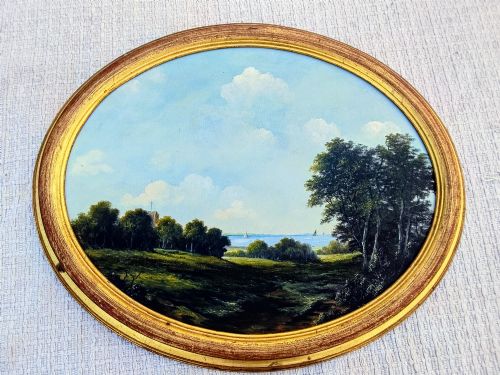
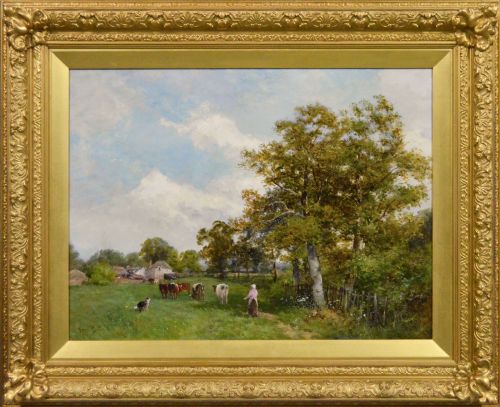
An antique countryside oil artwork brings pastoral views, woodland paths and riverbanks into the interior through framed canvas or wooden board paintings. These works span the nineteenth and twentieth centuries, encompassing Victorian pastoral scenes alongside later British and French impressionist interpretations.
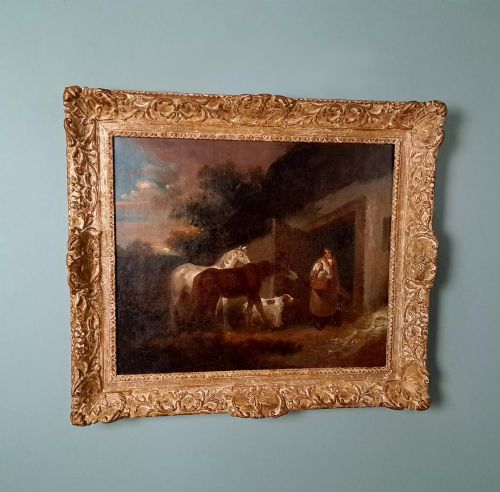
The most common examples on this page are nineteenth-century British school landscapes, often depicting cattle, cottages or figures beside rivers. Viewers also encounter twentieth-century panels and canvases recording rural scenes from Edwardian and later periods.
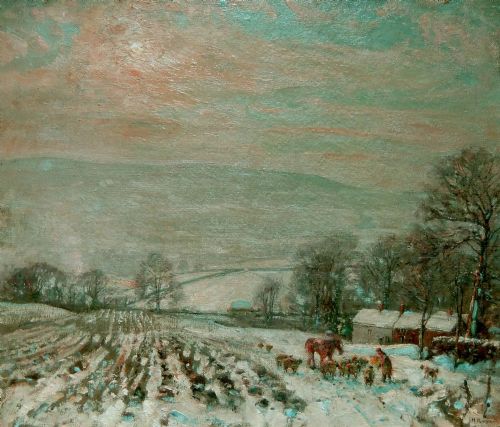
Subjects range from tranquil Welsh valleys and Devon moorlands to Normandy river views and winter pastures. Each piece reflects the painter's direct observation of rural topography and changing seasonal light.
How They Were Made
Artists painted primarily with oil pigments applied to woven canvas stretched over wooden frames, or directly onto prepared wooden panels and boards. Oil paint offered a rich viscosity that allowed creators to build up thick textures, known as impasto, or apply translucent glazes for skies and water.
Gilded wood frames completed the works, providing decorative borders that enhanced the depth and luminance of the painted rural scenes. These frames were frequently moulded and finished with gold leaf to complement domestic interiors of the period.
Current listings feature rural landscapes executed across the nineteenth and twentieth centuries, utilising canvas, wood panels and oil paint.
What Varies in Quality
The skill of the brushwork and the artist's command of atmospheric light distinguish superior canvases from routine studio output. A top-tier painting demonstrates confident handling of shadow and tone, capturing the specific texture of foliage, water or livestock rather than relying on formulaic repetition.
Provenance and attribution also elevate a work, particularly when signed by a documented member of regional schools or recognised nineteenth-century art societies. The integration of the composition and the preservation of the original painted surface significantly influence the standing of any piece.
Richard Sebastian Bond·William H Myers·Frederick Marriott·Arthur Wardle·William Joseph Shayer Senior·Herbert Royle·Thomas Barker of Bath·Gabriel Mathieu·David Bates·Harald Foss·Frederick Walker·Eric Brown·Henri Ottmann·Richard Redgrave·Ernest Higgins Rigg·Rene Levrel·Vernon DeBeauvoir Ward·Florence Adelina Hess·Alexander Wellwood Rattray·John Horace Hooper·Hubert Wellington·Charles Clair·Charles Walter Simpson·William Henry Mander·André Prévot-Valéri
The Antique Countryside Oil Artwork Glossary
- Impasto
- Paint applied thickly to a canvas or panel, standing proud of the surface and retaining the marks of the brush or palette knife. This technique introduces tangible physical depth and texture to elements like tree bark or turbulent water.
- Oil on Canvas
- Pigments bound in a drying oil, typically linseed, spread across a woven textile support. It remains the principal medium for these landscape works across the nineteenth and twentieth centuries.
- Wood Panel
- A rigid wooden support used by artists instead of fabric canvas. Panels offer a smooth, stable ground that frequently survives in excellent condition.
- Gilt Frame
- A wooden picture surround coated with a thin layer of gold leaf or metallic powder. These ornate borders frame the landscape and contribute to the historical context of the artwork.
- British School
- A designation for paintings produced by artists working in Britain whose specific individual identities remain unrecorded or uncertain. These works display the prevailing stylistic traits of their regional artistic community.
Antique Countryside Oil Artwork: Frequently Asked Questions
How do I hang a heavy oil painting?
Secure the hanging wire or rings directly into wooden wall studs using appropriate steel screws and heavy-duty picture hooks.
Ensure the weight of the framed canvas is evenly distributed across two points to maintain stability and protect the wall fixings over time.
How do I identify the period of a landscape?
Examine the style of the brushwork, the clothing of any figures depicted, and the construction methods of the stretcher frame behind the canvas.
Signatures, framing materials and exhibition labels on the reverse also provide reliable clues to the decade of creation.
Where should I place rural artwork at home?
Position paintings away from direct sunlight and excessive humidity sources like radiators to protect the canvas and oil pigments from cracking.
Choose wall spaces at eye level in rooms with stable ambient temperatures to preserve the physical integrity of the wood and paint.