

Victorian Pastoral Canvas Art
Victorian pastoral canvas art brings rural life, livestock and open landscapes into focus through nineteenth-century oils.
Victorian Pastoral Canvas Art
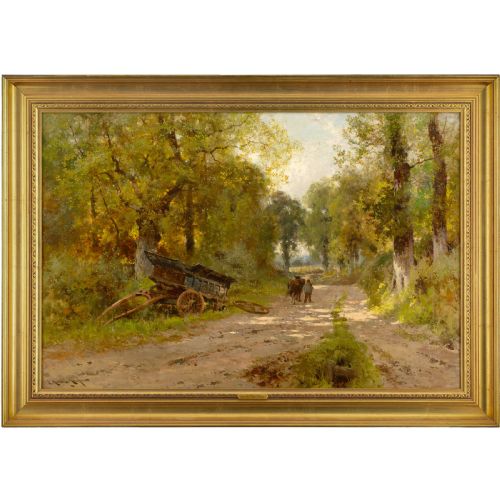
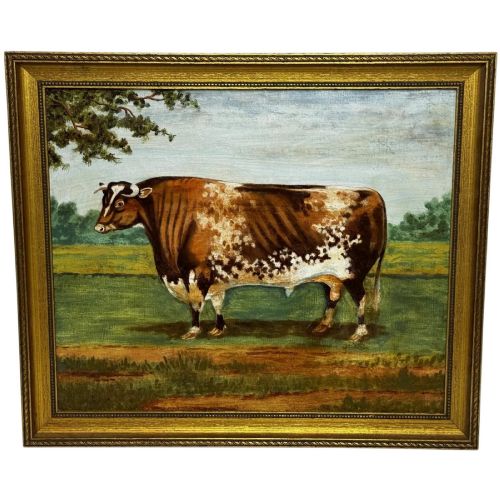
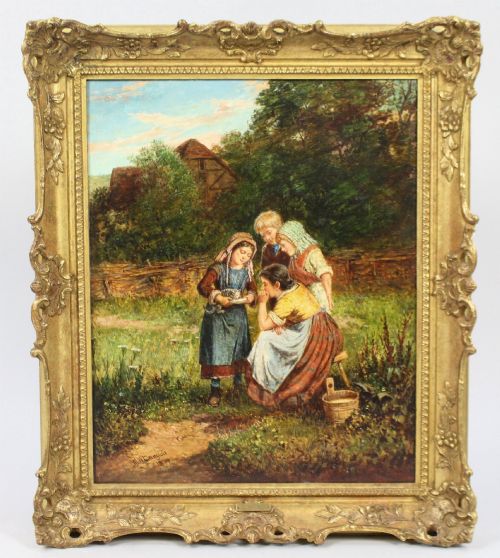
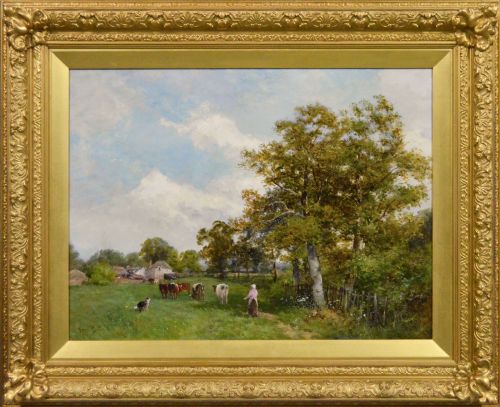
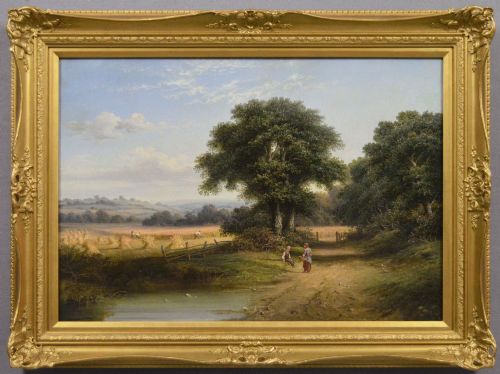
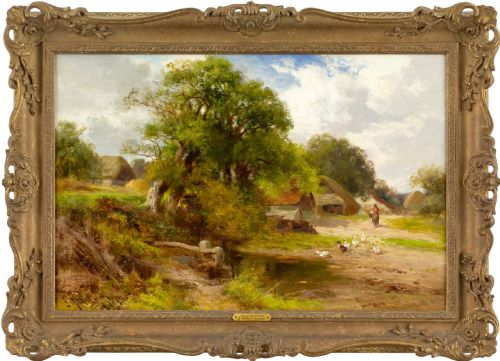
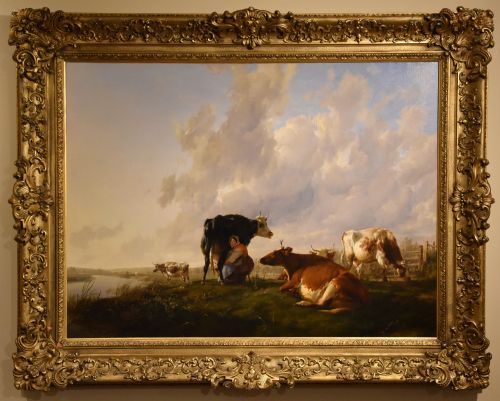
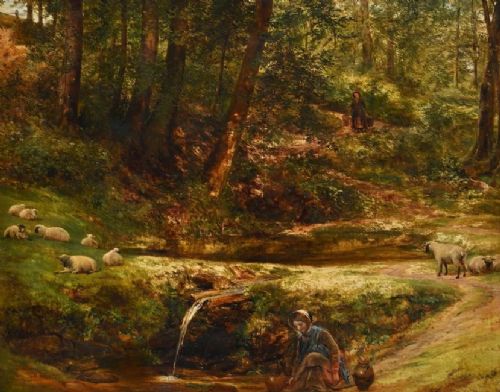
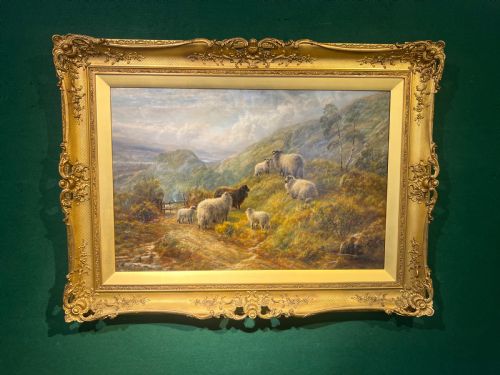
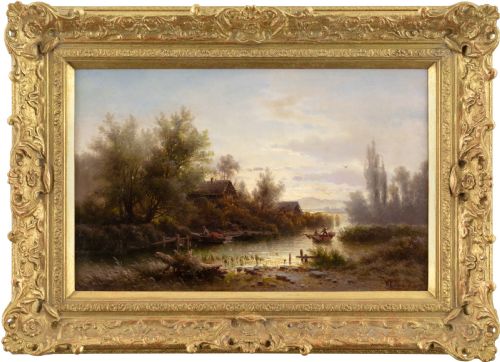
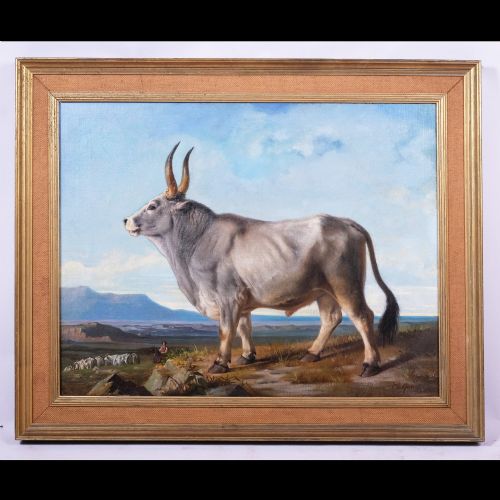
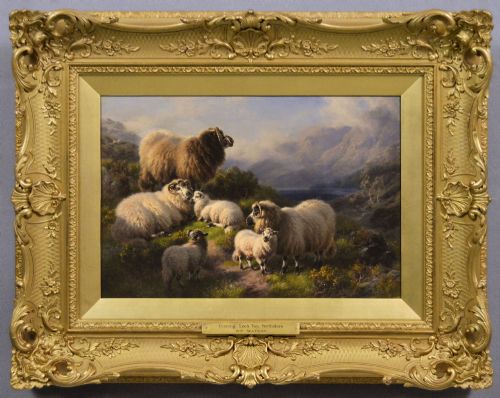
Victorian pastoral canvas art captures rural scenes, agricultural labour, and livestock in oil paint upon woven fabric supports. These works range from intimate depictions of farm animals to expansive river landscapes and harvesting views.
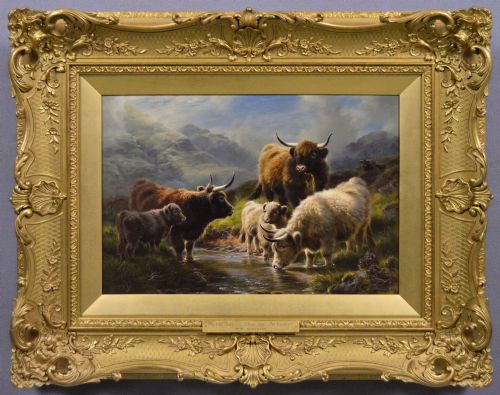
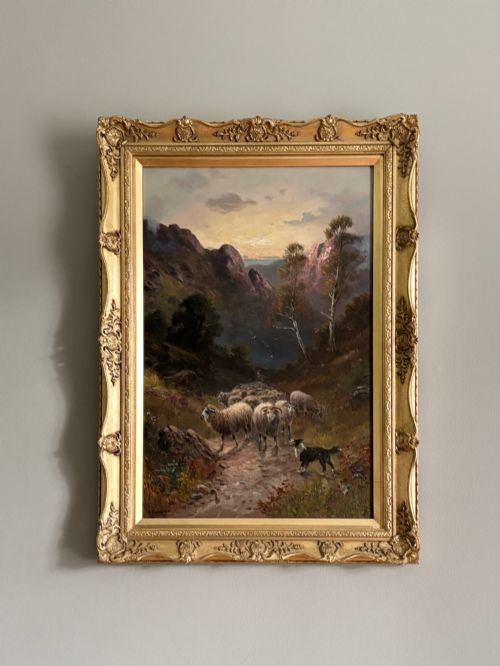
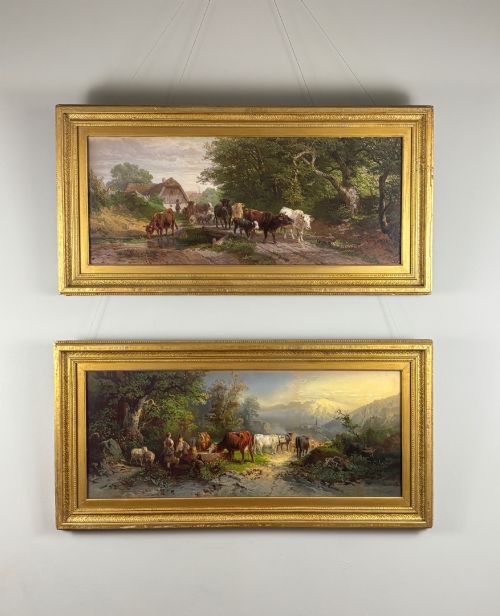
The most frequent version encountered on this page is the nineteenth-century oil painting on canvas depicting sheep, cattle, or figures near water, often framed in giltwood and gesso.
Makers recorded in these works include named British and continental artists working in realist, romantic, and symbolist modes during the Victorian era and the early twentieth century.
Materials and construction
These works utilise oil paint applied to woven canvas stretched over wooden frames, often accompanied by heavy gesso and giltwood frames.
Techniques combine layered oil pigments to build depth in landscapes and animal portraits, following nineteenth-century realist and romantic traditions.
Cows, sheep, goats, geese, kittens, and loyal collies quietly populate these pastoral canvases, outnumbering the human figures by a wide margin.
Judging quality
Quality rests in the precision of brushwork, the anatomical accuracy of livestock and figures, and the atmospheric harmony of the landscape.
Works by recognised artists commanding established biographical records demonstrate superior handling of light and texture compared to unsigned or provincial student pieces.
Eugène Verboeckhoven·John Horace Hooper·Mark William Langlois·David Bates·Thomas Sidney Cooper·William Watson Jnr·Johann Friedrich Voltz·John Emms·Sidney Richard Percy
The Victorian Pastoral Canvas Art Glossary
- Canvas
- A heavy woven fabric used as a support for oil paintings. It provides a textured surface that holds layered pigment.
- Giltwood
- Wood carved and covered with a thin layer of gold leaf or metallic gilt. It frames many nineteenth-century paintings.
- Gesso
- A plaster mixture applied to wooden frames or canvas grounds. It creates a smooth surface for subsequent gilding or painting.
- Realism
- An artistic movement focusing on everyday subjects and unidealised nature. It appears frequently in rural and agricultural scenes.
Victorian Pastoral Canvas Art: Frequently Asked Questions
What subjects appear in these paintings?
The compositions show flocks of sheep, herds of cattle, farm workers during harvests, and rural riversides. Animals and agricultural labour form the core of the imagery.
Scenes often draw from English, Scottish, Welsh, and continental countryside locations, reflecting nineteenth-century romantic and realist artistic traditions.
How should these oil paintings be displayed?
These works suit traditional spaces where their original giltwood frames complement period interiors. They require stable wall environments away from direct sunlight and damp conditions.
Direct heat sources should be avoided to prevent the canvas and gesso frames from drying out or cracking over time.
How are periods and dates identified?
Dates rely on artist biographical records, period framing styles, and signature evidence recorded on the canvas. Many pieces carry inscriptions or exhibition details on the reverse.
Stylistic indicators such as nineteenth-century realism or romanticism help place undated or indistinctly signed works within their proper era.
What is the difference between school and signed works?
Signed paintings bear the identifiable signature or monogram of a documented artist, allowing direct attribution and provenance tracking. Works attributed to a school represent pieces created in the style or workshop of a particular period without a master's signature.
Both categories utilise identical oil on canvas techniques, though signed pieces by known makers generally carry distinct art-historical documentation.