
Antique Country Oak Storage
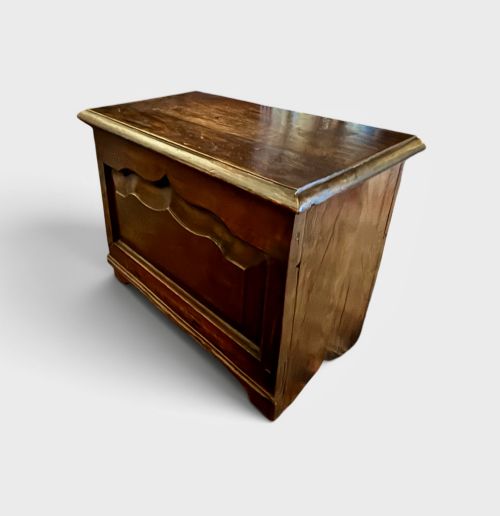
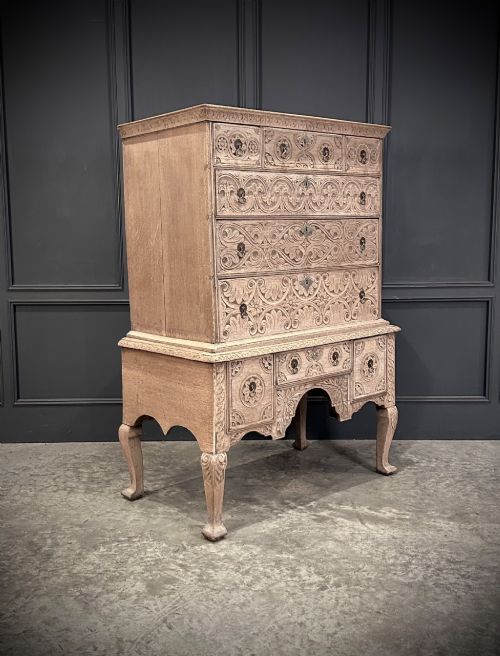
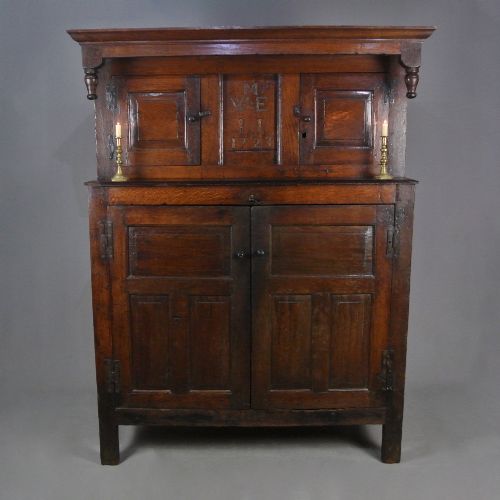
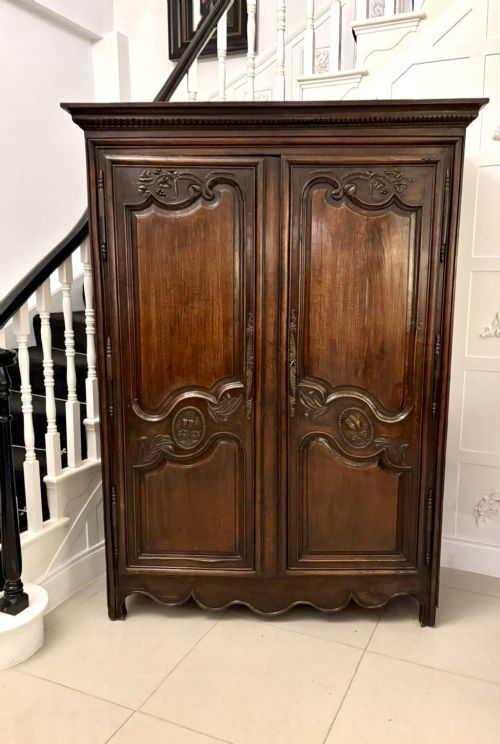
Antique country oak storage brings solid character and honest utility into a room, offering timeless places to stow belongings.
Antique Country Oak Storage
When a buyer looks for antique country oak storage, they encounter functional domestic furniture built to hold household goods, textiles, and provisions. The pieces span from the seventeenth century through the Georgian era and into the nineteenth and early twentieth centuries, reflecting rural traditions across England, Wales, and France.
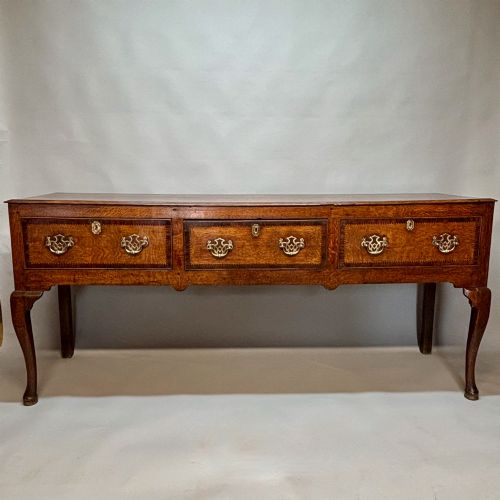
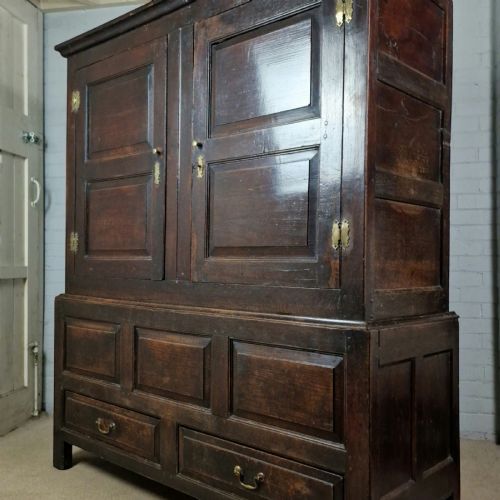
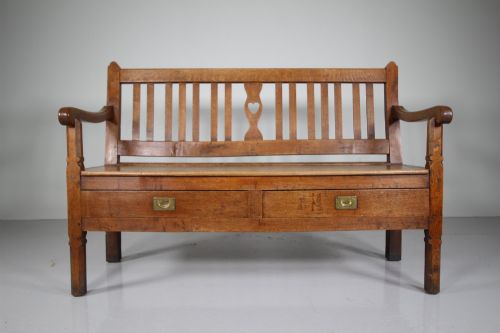
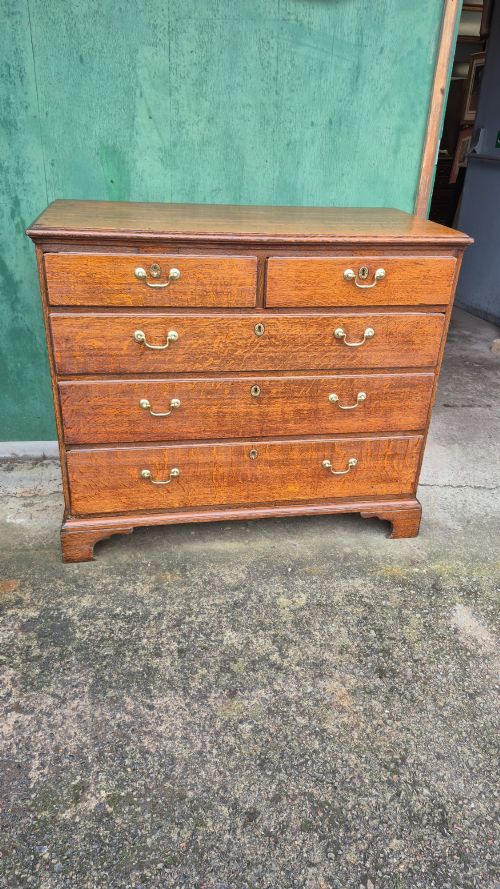
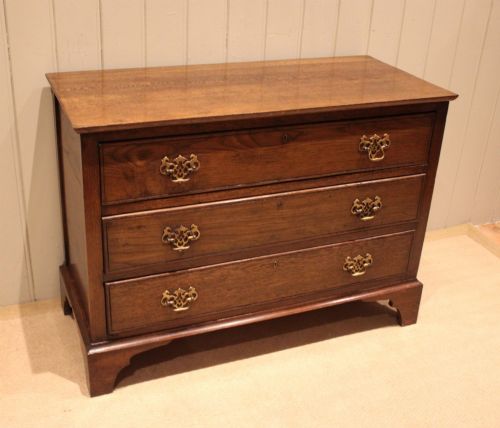
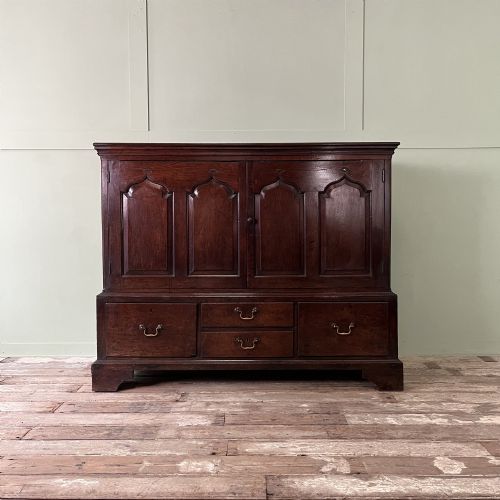
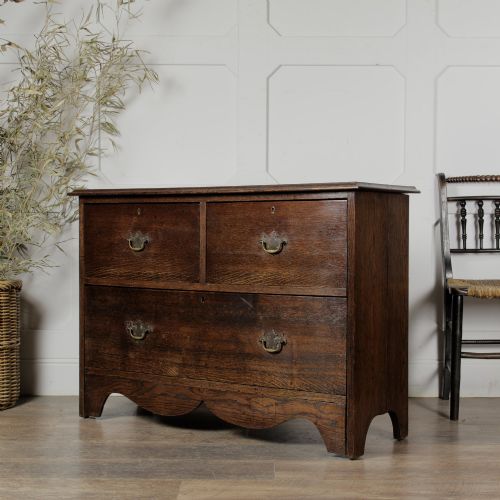
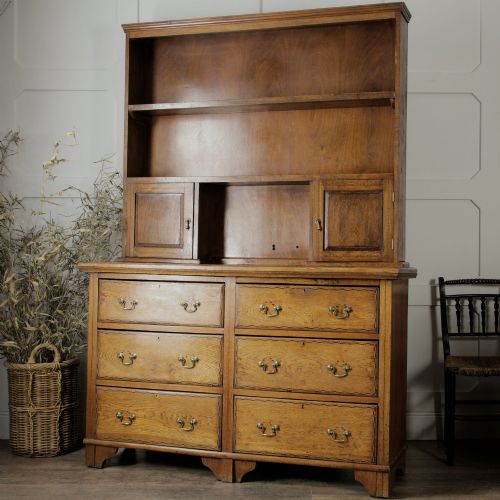
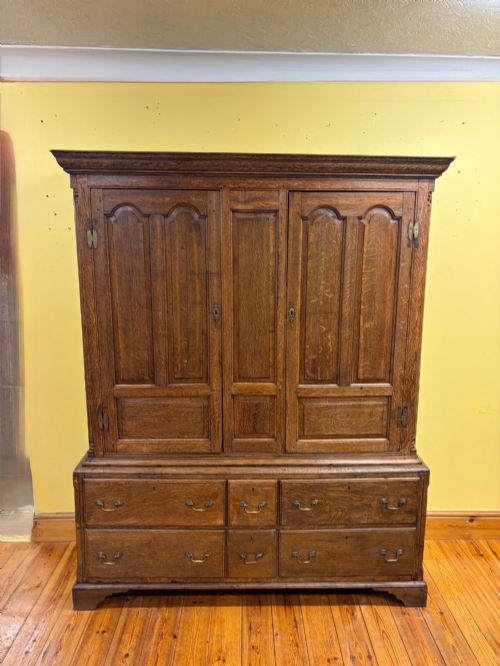
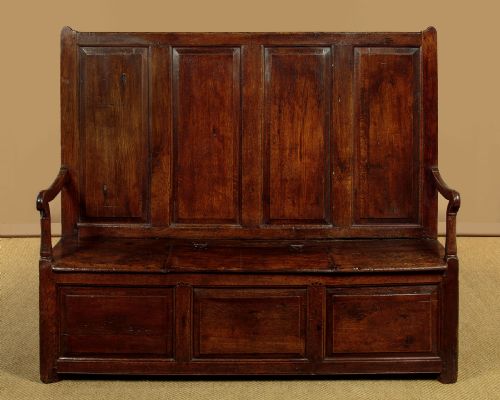
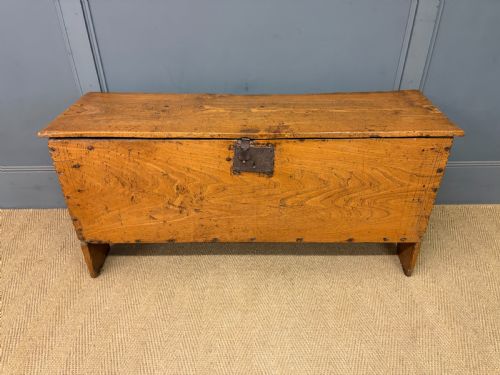
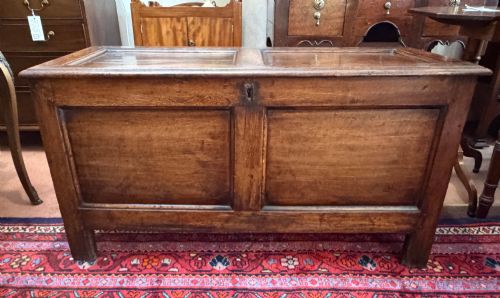
The most common forms on this page include robust chests, coffers, settles with storage seats, housekeeper cupboards, dressers, and low chests of drawers. Regional variations appear frequently, particularly Welsh vernacular pieces and French provincial armoires or enfilades, demonstrating local carpentry methods tailored to everyday life.
Domestic storage served central roles in homes before fitted closets existed, functioning as clothes presses, linen stores, and grain bins. Buyers select these items for their grounding presence and the tactile warmth of aged timber that has acquired deep patination over centuries of use.
Distinctions in Quality
Quality rests upon the integrity of the original construction and the preservation of surface patination. Pieces retaining their early hinges, original boards, and untouched timber surfaces command greater appreciation than those altered by heavy restoration or aggressive stripping.
Proportion and regional detail distinguish standard vernacular work from finer cabinetmaking. Well-balanced panels, crisp moulding profiles, and subtle grain selection separate humble utility items from exceptional country pieces designed for prosperous rural households.
Listings feature periods ranging from the seventeenth century through the Georgian era to the early twentieth century, utilising oak, elm, ash, and pine.
The Antique Country Oak Storage Glossary
- Cofer
- A large solid wooden chest with a lid, traditionally used for storing valuables, linen, and personal possessions before the widespread adoption of wardrobes.
- Settle
- A wooden bench featuring a high back, solid armrests, and a hinged seat concealing a storage compartment underneath.
- Housekeeper Cupboard
- A large vertical storage piece containing multiple doors and internal shelving or hooks, traditionally used in large country houses for storing linens and dry goods.
- Crossbanding
- A decorative technique where thin strips of veneer, often mahogany, are applied to the borders of drawer fronts or tabletops with the grain running perpendicular to the main panel.
- Enfilade
- A long low storage cabinet or sideboard featuring multiple doors in a continuous line, originating in French provincial dining rooms.
Antique Country Oak Storage: Frequently Asked Questions
What is a coffer?
A coffer is a heavy wooden chest constructed with thick panels and a hinged lid, serving as one of the earliest forms of household storage.
These pieces held textiles, documents, and valuables in domestic spaces long before dedicated wardrobes or chests of drawers became common.
How do I date an oak chest?
Dating an oak chest relies on examining construction marks, joint types, and hardware like hand-wrought iron hinges or brass escutcheons.
Early pieces from the seventeenth and eighteenth centuries often feature pegged frame-and-panel construction and hand- cleft boards rather than machine-sawn timber.
Where were Welsh settle benches used?
Welsh settle benches were traditionally placed near the hearth in farmhouse kitchens to block cold drafts while providing integrated seating.
The hinged seat lifted to reveal a deep compartment used for storing blankets, boots, or dry goods out of the way.
What is a dresser base?
A dresser base is a low wooden cabinet featuring drawers and cupboards below a flat surface, historically used for food preparation and serving.
Unlike tall dressers with plate racks attached above, these independent lower units functioned as versatile sideboards in country kitchens.
How do I care for antique oak?
Caring for antique oak involves maintaining stable indoor humidity and applying occasional natural beeswax to nourish the dry timber.
Avoiding direct sunlight and excessive heat protects the historic patina and prevents the solid wood panels from splitting.