

Antique Country Bench Table
An antique country bench table brings robust utility and honest timber warmth directly into a modern interior.
Antique Country Bench Table
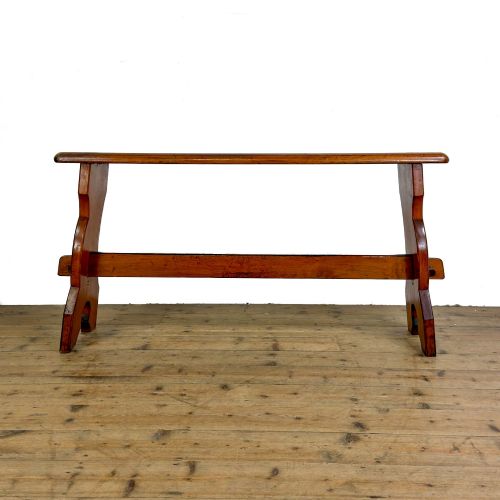
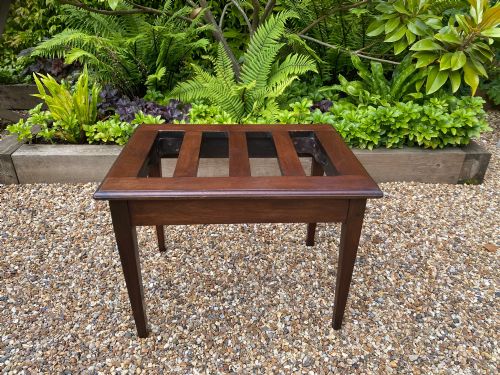
An antique country bench table encompasses practical utilitarian furniture from farmhouse kitchens, workshops, and dairies, including repurposed pig benches and low coffee tables. These pieces originate across the eighteenth, nineteenth, and early twentieth centuries, drawing on regional vernacular traditions from England, France, Wales, and Hungary.
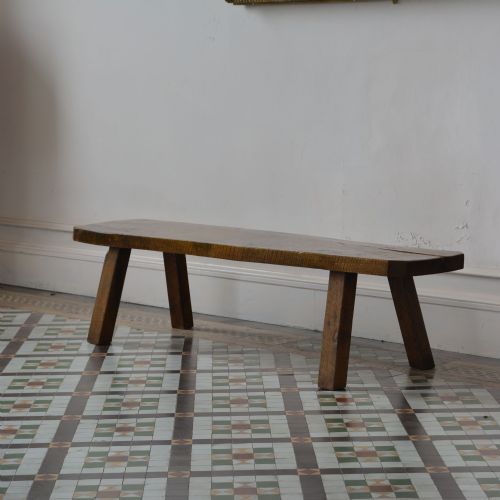
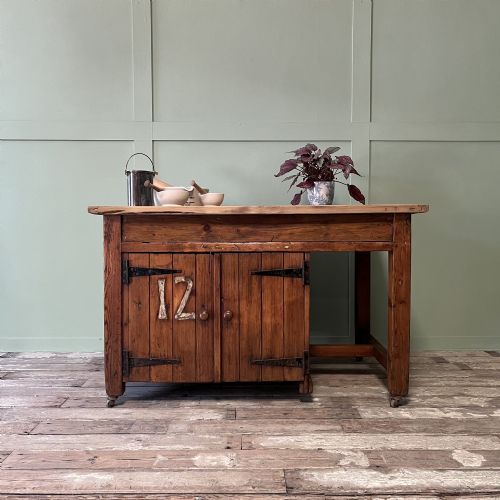
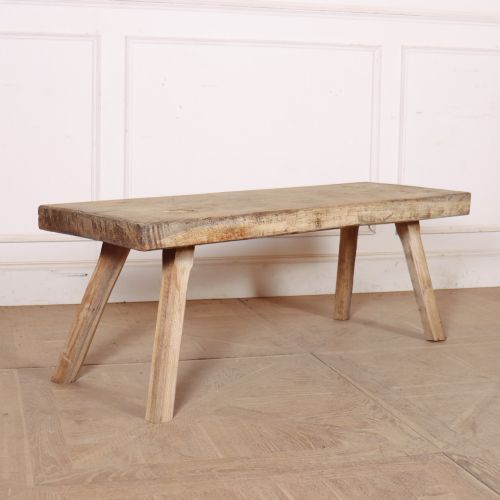
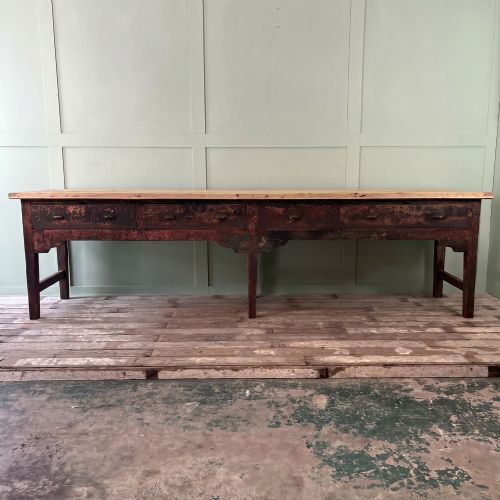
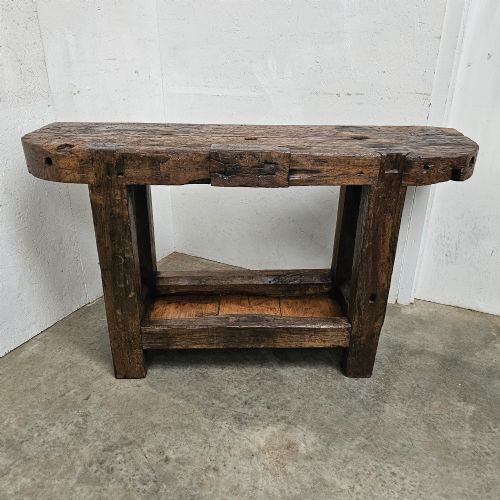
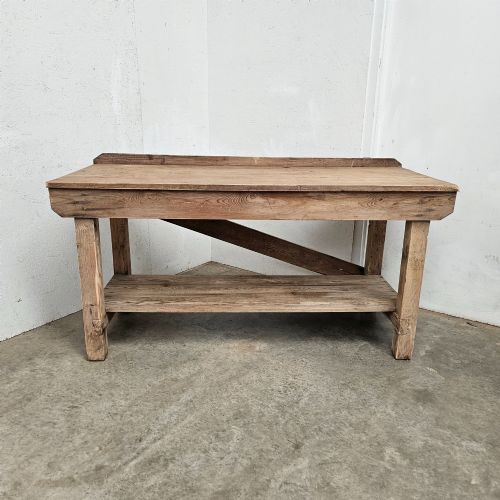
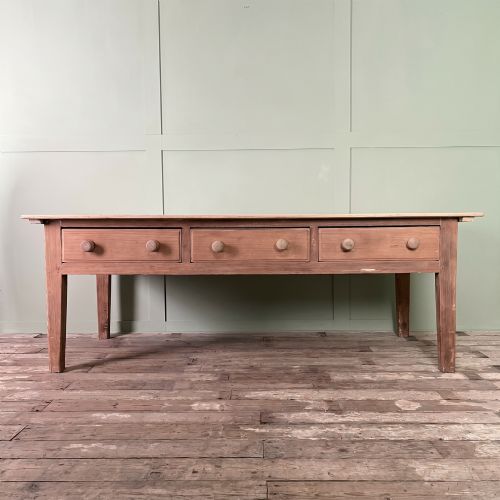
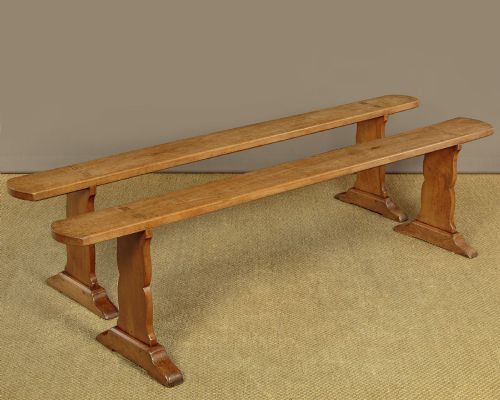
Buyers will most frequently encounter low coffee tables adapted from narrow oak pig benches or pine prep tables originally utilised for baking, cheese pressing, or potting. Forms range from long elm benches and sturdy trestles to robust workbenches complete with vices and broad planked tops.
The aesthetic is distinctly rustic, drawing on styles such as French Provincial, Georgian, and English Country. These items served demanding domestic and agricultural roles before transitioning into living spaces as focal points for seating and surface display.
How they were made
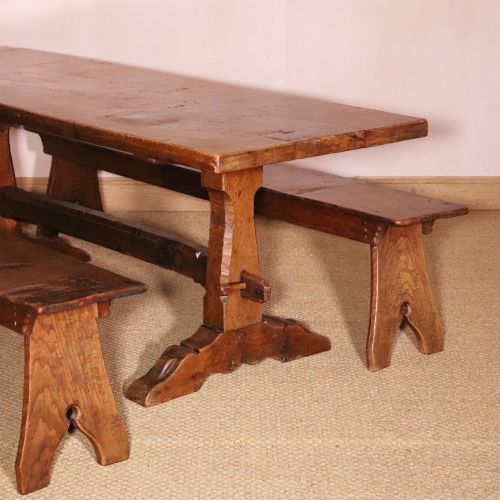
Makers relied on solid native timbers such as pine, oak, elm, ash, sycamore, cherrywood, and walnut, frequently selecting thick boards for hard-wearing top surfaces. Construction methods prioritized straightforward utility, utilising pegged joints, heavy trestle supports, and occasionally iron or brass bracing for structural stability.
Surfaces often show the honest marks of daily labour, sometimes finished with traditional paint, verdigris copper accents, or left as bare scrubbed wood. This straightforward craftsmanship prioritized durability above all else, resulting in robust forms that withstand centuries of practical use.
What varies in quality
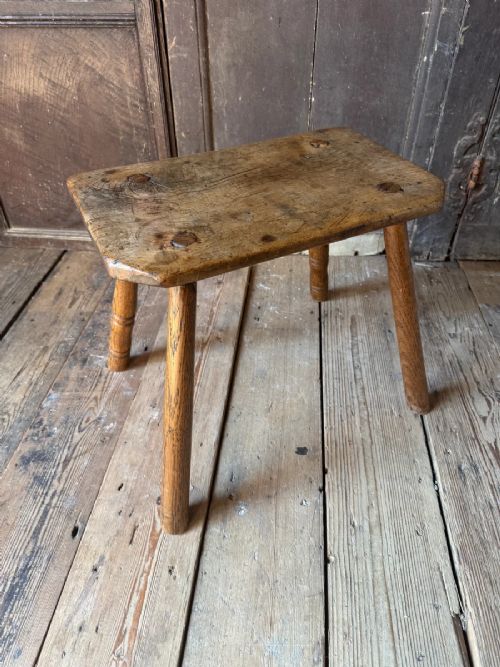
The calibre of an antique country bench table depends largely on the integrity of its timber and the depth of its natural surface patination. Examples retaining original scrubbed finishes or untouched historical paint showcase superior character compared to pieces that have undergone heavy modern restoration.
Structural honesty also defines the higher tiers, where original peg construction and unaltered proportions remain intact. Pieces that maintain their authentic utilitarian context, such as working vices on artisan benches or untouched dairy prep surfaces, hold greater distinction.
The Antique Country Bench Table Glossary
- Pig bench
- A narrow, low wooden bench historically utilised in agricultural settings for butchery preparation, now widely repurposed as a coffee table. These items feature long, narrow proportions and thick timber tops.
- Prep table
- A utilitarian work surface used in dairies, bakeries, or domestic kitchens for food preparation. They typically feature heavy pine or hardwood tops built to endure rigorous daily labour.
- Trestle table
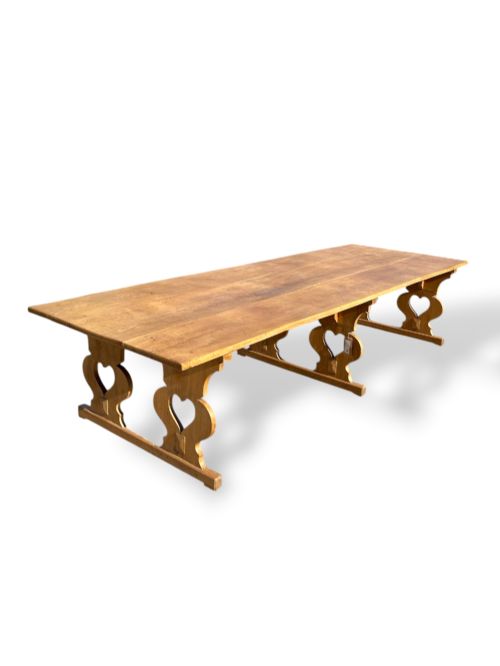
- A table design consisting of two or more support frames connected by a horizontal beam holding a broad plank top. This construction provides exceptional stability for long dining or refectory formats.
- Vernacular
- Everyday domestic or agricultural furniture built by local craftsmen using regional traditions and readily available native timbers. Such pieces reflect regional utility rather than high-style court design.
- Patina
- The deep surface sheen and mellow colour developed by aged timber through decades of handling, cleaning, and exposure to light. A rich patina indicates genuine age and long service.
Antique Country Bench Table: Frequently Asked Questions
How were antique country bench tables used originally?
These pieces served practical roles in rural life, acting as work surfaces for baking, potting, cheese pressing, and butchery. Many functioned as sturdy tables or long seating benches in farmhouses, dairies, and artisan workshops.
Over time, their robust construction made them adaptable to changing domestic needs, ultimately leading to their preservation in homes as coffee tables and low display surfaces.
How do I style a pig bench as a coffee table?
Due to their narrow proportions, pig benches fit neatly in front of low sofas or along narrower sitting room walls. Their long, low profile provides a stable surface for books and decorative objects without overwhelming the room.
Pairing the rustic timber grain with softer upholstery or modern seating creates a balanced interior contrast that highlights the age of the wood.
What woods should I expect to find?
The listings show a predominance of native utilitarian timbers including pine, oak, elm, sycamore, and cherrywood. Hardwoods like oak and elm offer exceptional durability for heavy-use surfaces.
Softer woods like pine are frequently found scrubbed clean or finished with historical paint. Each timber species contributes a distinct grain pattern and weight to the finished form.
How do I distinguish regional French styles from English ones?
French country pieces frequently utilise cherrywood, walnut, or fruitwoods with refined proportions typical of provincial workshops. Artisanal workbenches and bread prep tables often incorporate distinct regional joinery and integrated vices.
English and Welsh variants lean heavily on sturdy oak, elm, and pine construction, favouring simple planked tops and robust trestle or peg structures designed for agricultural utility.