

Antique Wood Coffee Table
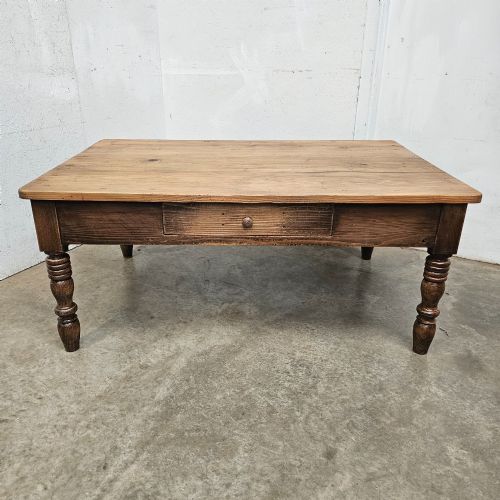
An antique wood coffee table brings substantial character and grain to a room, ranging from low mahogany forms to inlaid burr walnut designs.
Antique Wood Coffee Table
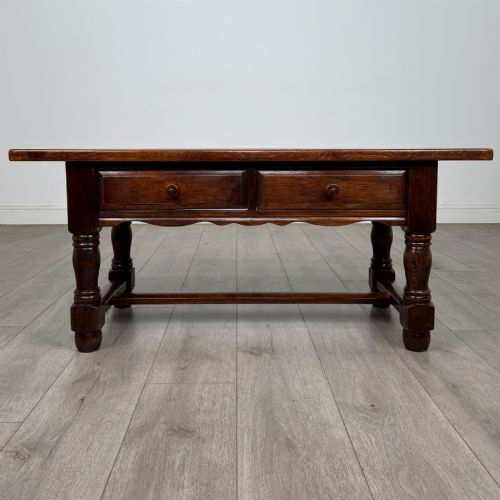
When you search for an antique wood coffee table, you encounter a wide selection of low surfaces, adapted trunks, and occasional tables originating from the nineteenth and early twentieth centuries. These pieces encompass vernacular farmhouse benches, formal Victorian and Georgian mahogany designs, and imported campaign or oriental low tables.
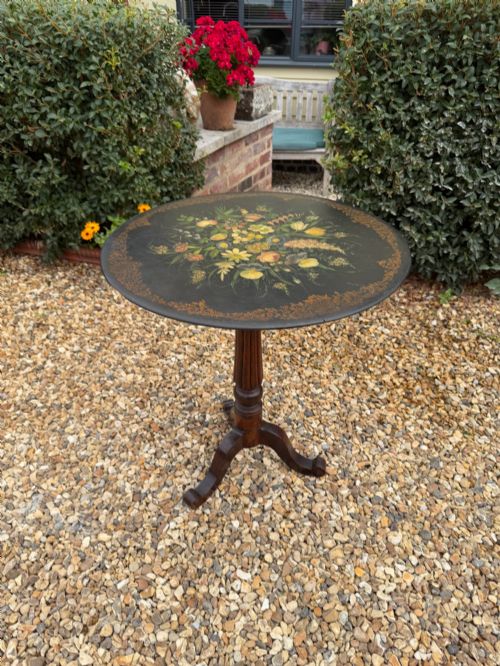
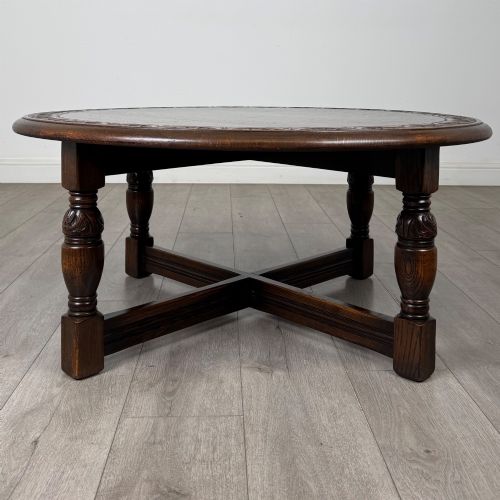
The versions you are most likely to meet on this page span Victorian and Edwardian periods alongside 1930s creations, frequently constructed from rich timbers like mahogany, walnut, and rosewood. Many began life as larger items, such as butler trays, chests, or side tables, later adapted to the low proportions suited to modern seating.
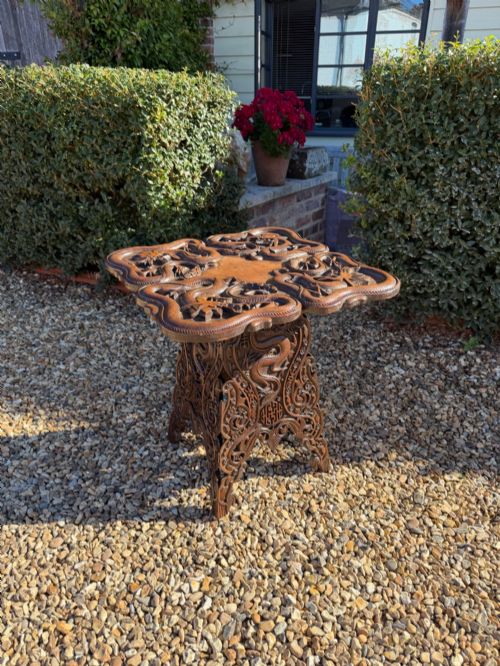
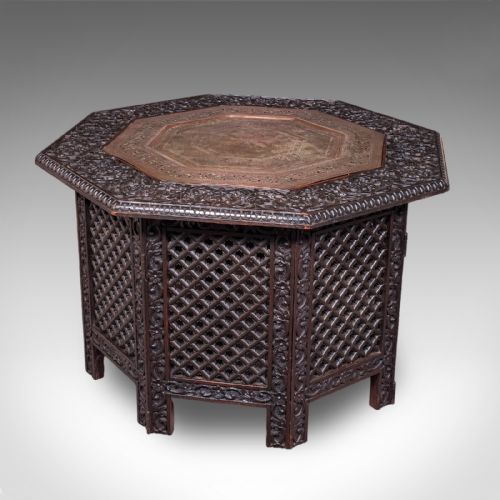
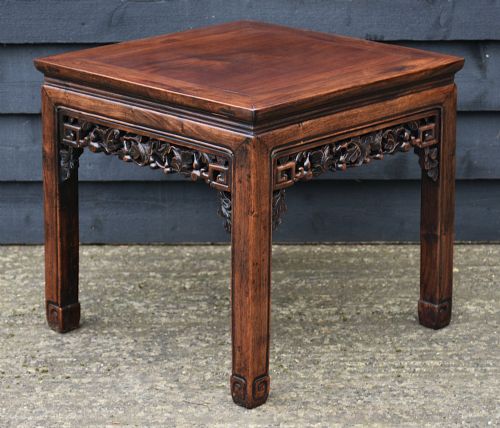
Regional and international varieties appear frequently among the listings, including Anglo-Indian tray tables, Chinese opium tables in rosewood and padouk, and French provincial cherry wood or giltwood tables with marble tops.
How They Were Made
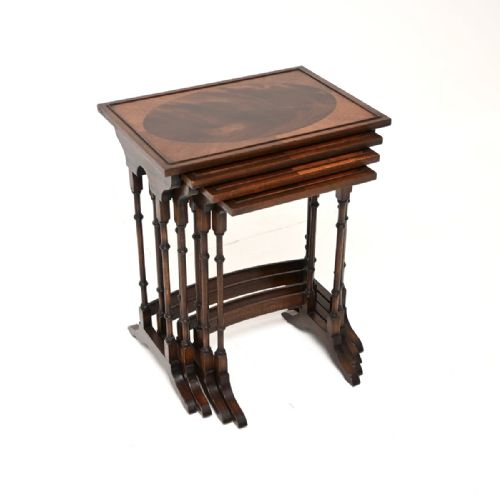
Cabinet makers utilised dense hardwoods such as mahogany, walnut, oak, and rosewood, often applying decorative veneers like burr walnut, yew oyster, and satinwood in geometric marquetry or parquetry patterns. Surface ornamentation relied heavily on hand-turned legs, carved dragon details, mother of pearl inlay, and brass campaign mounts.
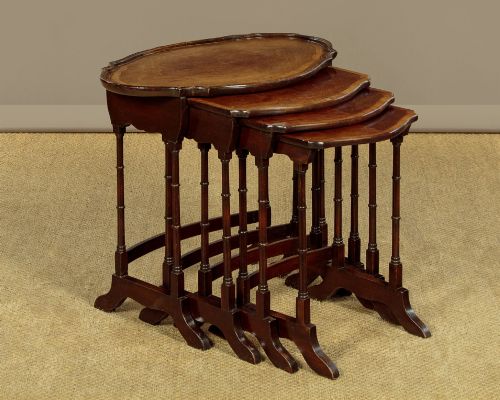
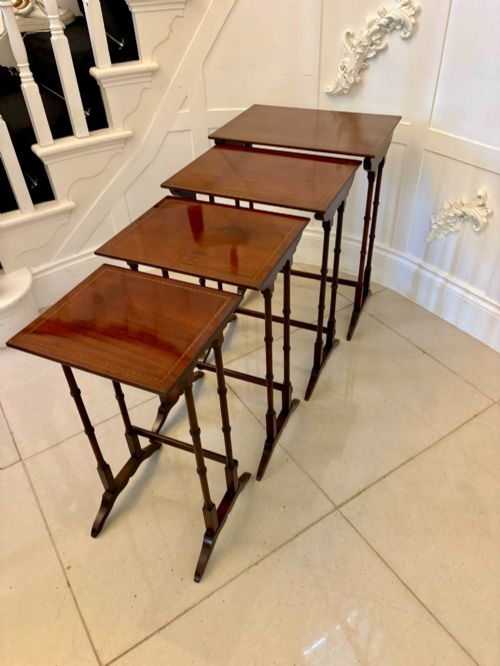
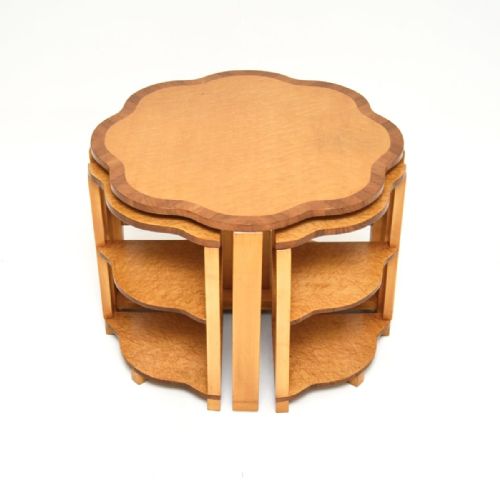
Construction techniques varied from traditional joinery in English and French provincial workshops to intricate fretwork panels and brass-bound corners on campaign trunks. French makers introduced giltwood and ormolu mounts to cherry wood and kingwood carcasses, while others incorporated functional elements like nested quartetto sets and folding butler tray stands.
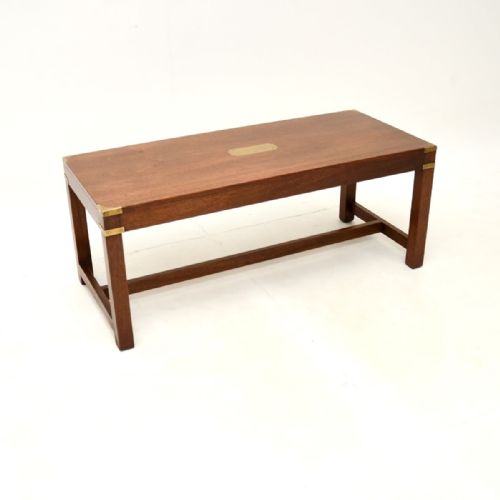
Several tables started life as travelling military trunks before settling down in peaceful sitting rooms.
What Varies In Quality
Quality rests upon the selection and matching of timber veneers, where finely figured burr walnut, rosewood, and yew oyster elevate a piece above standard plain hardwoods. The precision of inlaid marquetry and the crispness of hand-carved elements, such as turned legs and border details, distinguish workshop execution.
Proportion and structural integrity also dictate distinction, separating purposeful early conversions and nest assemblies from heavier, less balanced pieces. Original surface patination and authentic period mounts, including brass handles and marble tops, preserve the integrity of the original design.
Hille
The Antique Wood Coffee Table Glossary
- Quartetto
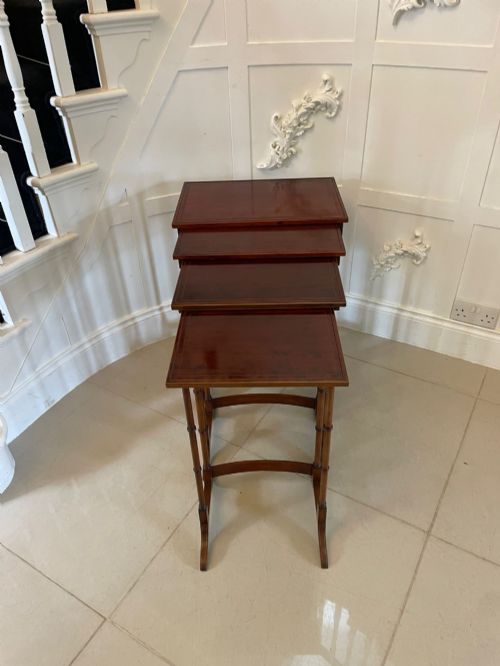
- A nested set of four small tables designed to stack together when not in use. These pieces often feature satinwood inlay and slender turned legs.
- Parquetry
- Geometric wood veneer patterns arranged in wooden floors or table tops. This technique creates visual texture using contrasting timbers.
- Opium Table
- A low, traditionally Chinese wooden table designed for domestic use. They frequently feature carved aprons or recessed legs.
- Campaign Trunk
- A portable storage chest made in sections with brass corners and recessed handles for military transport. Many survive adapted into low coffee tables.
- Marquetry
- Decorative veneer work forming pictures or patterns using various coloured woods. It requires considerable skill from the cabinet maker.
Antique Wood Coffee Table: Frequently Asked Questions
What is an antique wood coffee table?
An antique wood coffee table is a low surface fashioned from historical timbers and periods, encompassing purpose-built salon tables and adapted earlier items. They arrive from diverse traditions, including English mahogany designs and French provincial cherry wood.
Many listings originate from forms like side tables, chests, and campaign trunks that match contemporary seating heights. Their construction reflects the prevailing craftsmanship of the nineteenth and early twentieth centuries.
How were these tables used originally?
Many items began life serving different domestic or travel functions before finding new life as coffee tables. Butler trays, opium tables, and steamer trunks served specific holding and storage purposes in homes or during transit.
Other examples functioned as small side, wine, or occasional tables in Victorian and Edwardian drawing rooms. Their sturdy construction allowed them to withstand daily service in diverse cultural settings.
How do I care for an antique wood table?
Maintenance requires protecting wooden surfaces from excessive moisture, direct heat sources, and strong sunlight. Regular dusting with a soft cloth preserves the natural finish without building up heavy chemical residues.
Wax polishing can nourish older hardwoods like walnut and mahogany periodically. Careful handling of inlaid sections and delicate veneers prevents accidental lifting or damage.
How can I tell the period?
Dating relies on observing timber choices, construction methods, and stylistic cues associated with specific eras. Victorian and Georgian pieces often display heavy mahogany or burr walnut, while Edwardian items lean toward lighter inlaid decorative work.
Art Deco and 1930s tables frequently feature figured walnut, maple, or streamlined geometric forms. Hardware styles and joinery details further assist in placing a piece within its historical decade.