




Carved Foot Coffee Table
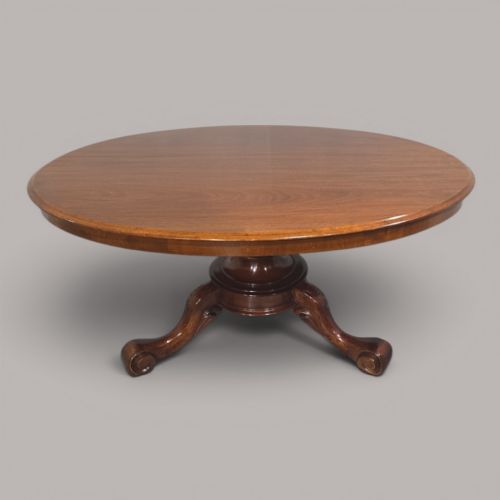
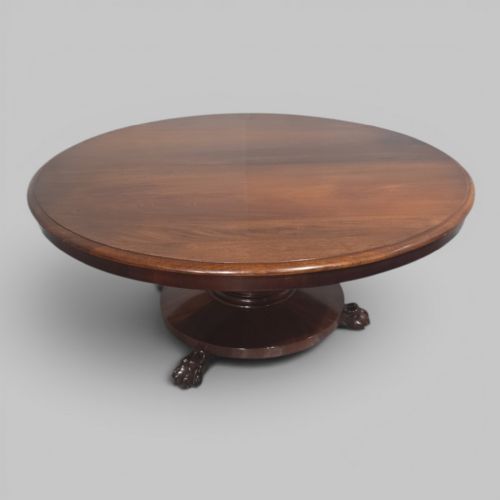
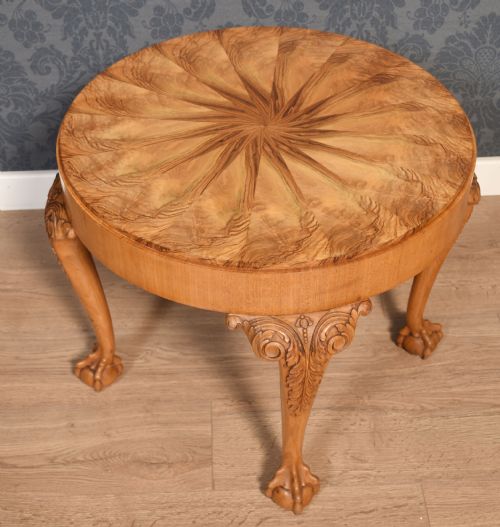
A carved foot coffee table brings solid timber grain and substantial form to a room, offering both practical surface space and traditional craftsmanship.
Carved Foot Coffee Table
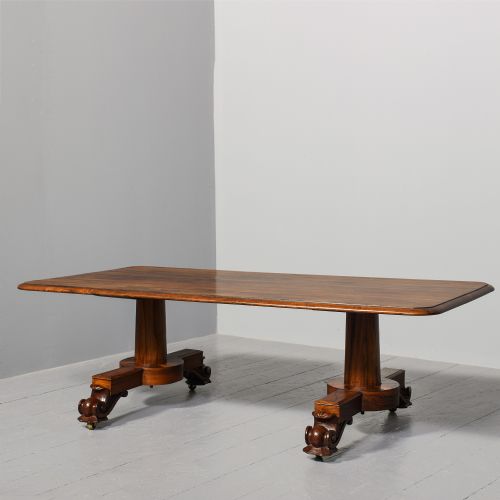
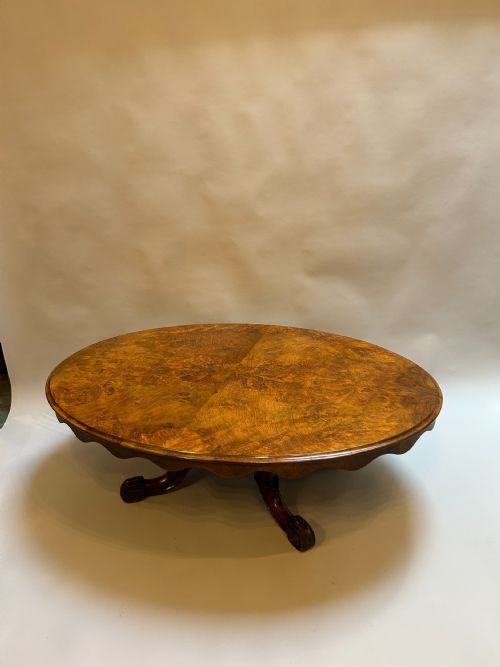
A carved foot coffee table combines low-level surface utility with decorative timber supports, drawing upon historical forms ranging from Georgian and Victorian to Chinese Qing Dynasty designs. These pieces often adapt earlier tables or footstools, utilising robust hardwoods like mahogany, walnut, and elm to create stable centrepieces for seating areas.
The selection here encompasses round, oval, and rectangular occasional forms, spanning the nineteenth and twentieth centuries including revival styles. Buyers encounter both substantial grand scale items and smaller low tables, reflecting diverse regional aesthetics and historical periods.
Materials and construction methods
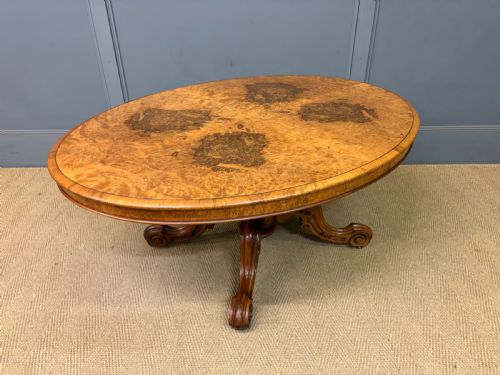
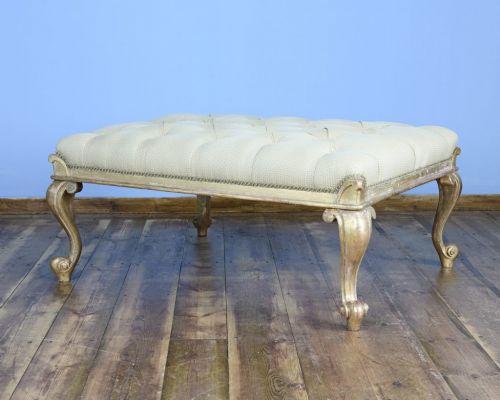
Construction relies upon dense timbers such as mahogany, walnut, burr walnut, and rosewood, chosen for their rich grain patterns and durability. Selected pieces also incorporate brass elements or parcel gilt highlights to accentuate the carved details.
Joinery methods reflect traditional cabinet-making practices suited to heavy hardwoods, ensuring structural integrity across large surfaces and ornate scroll-end or carved foot supports.
An opium table listed here has quietly traded the smoky dens of the Qing Dynasty for a peaceful second career holding afternoon tea.
Distinguishing quality and execution
Quality rests in the crispness of the timber carving and the selection of figured veneers, such as burr walnut or figured mahogany, which display superior natural grain movement. The harmony between the top surface and the execution of the carved feet dictates the overall refinement of the piece.
Proportion and scale also separate standard production from exceptional examples, particularly in grand scale items or revival pieces where balance determines visual success.
The Carved Foot Coffee Table Glossary
- Huali
- A fragrant, dense Chinese hardwood utilised in traditional furniture making. It displays deep colour and strong grain characteristics found in Qing Dynasty low tables.
- Occasional table
- A small, movable table designed for specific, intermittent uses rather than permanent placement. These items often double as coffee tables in modern domestic settings.
Carved Foot Coffee Table: Frequently Asked Questions
What periods do these coffee tables come from?
The selection spans from Georgian and Regency eras through the Victorian period and into the twentieth century, including revival styles.
Items also incorporate earlier Asian designs, reflecting various historical woodworking traditions.
How do I care for a walnut coffee table?
Maintain the timber by keeping the surface clean and away from direct heat sources and excessive moisture.
Regular polishing with appropriate beeswax helps preserve the natural lustre of the wood grain.
Are these tables converted from older items?
Certain low tables and coffee tables originate from earlier functional forms, such as traditional kang tables or footstools adapted for modern seating arrangements.
These conversions utilise existing antique timber frames to serve contemporary domestic layouts.
What woods are commonly used in these pieces?
Cabinet makers utilised durable hardwoods including mahogany, walnut, burr walnut, rosewood, and elm.
These materials were chosen both for structural strength and for decorative grain presentation.