
Wood Coffee Table
A wood coffee table brings solid grounding and historical character to a room, offering everything from Edwardian nests to campaign trunks.
Wood Coffee Table
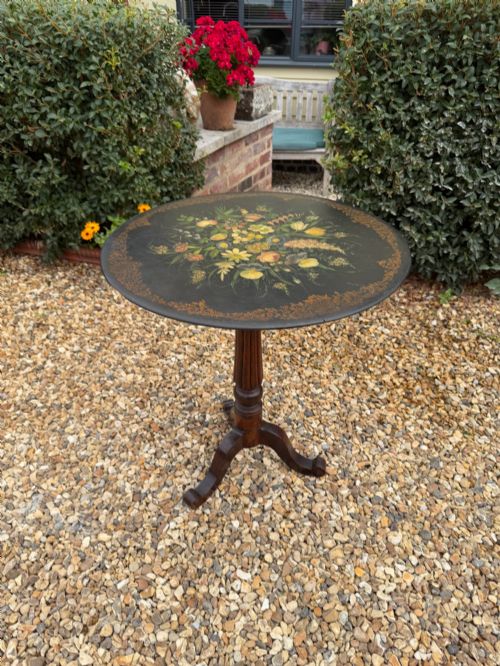
A wood coffee table serves as a central anchor in a living space, uniting practical surface area with period craftsmanship. When exploring this selection, buyers encounter formats ranging from low occasional tables and nests to adapted trunks and tea tables.
The selection draws heavily on Edwardian and nineteenth-century pieces alongside 1930s designs. Common forms include side tables, quartetto nests, and low tables adapted from broader utilitarian roots.
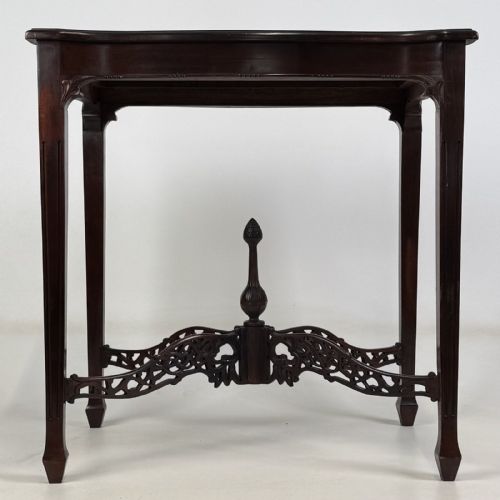
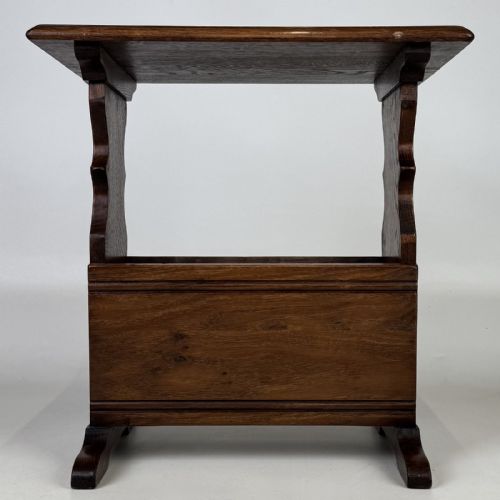
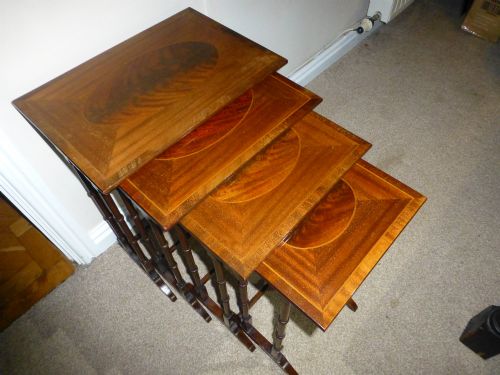
Mahogany, oak, and pine dominate the offerings, frequently accompanied by walnut, teak, and camphor wood. These timbers carry the distinct patination of their respective eras, whether finished with satinwood inlay or left as rustic farmhouse pine.
How wood coffee tables were made
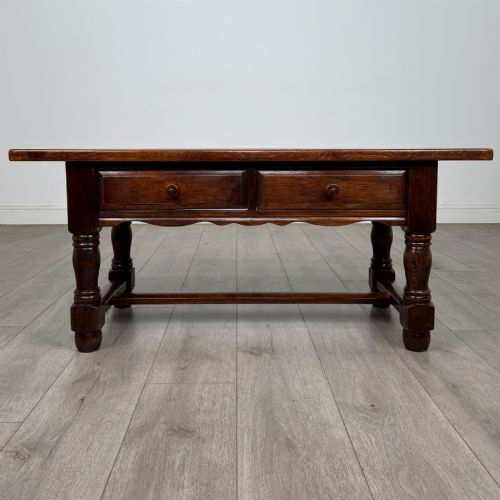
Construction relies on traditional joinery applied to domestic and exotic hardwoods. Cabinetmakers utilised solid timber alongside robust veneers, securing joints with dovetails and pegging where appropriate.
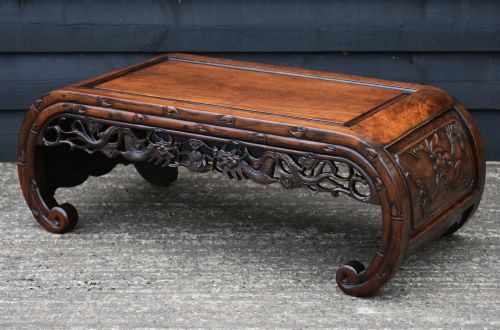
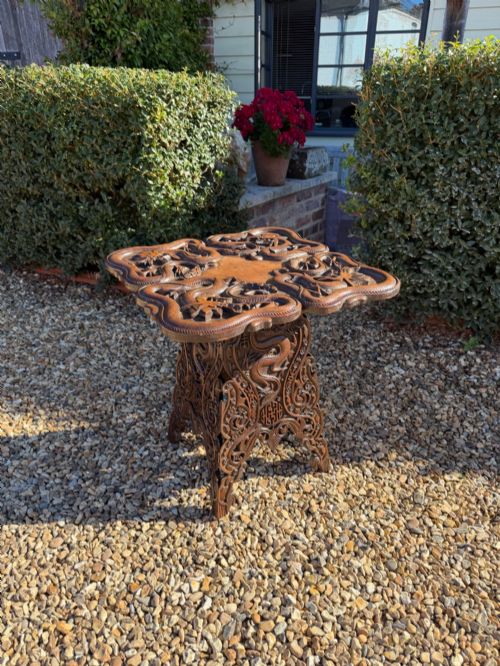
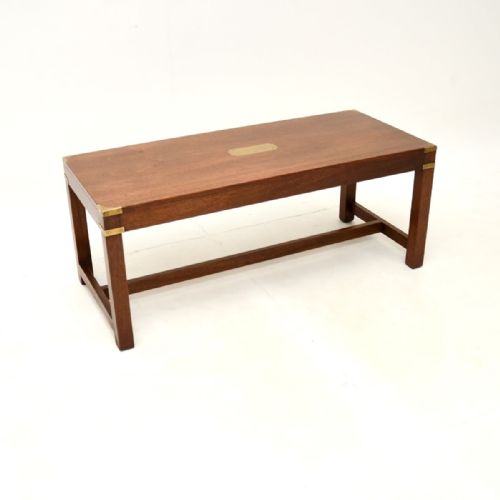
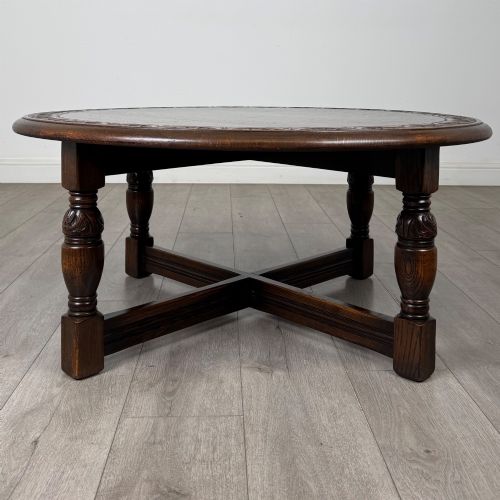
Surface ornamentation involved intricate inlay work such as satinwood stringing, parquetry, and brass mounts. Many pieces incorporate turned legs, carved details, or inset metal panels reflecting regional workshops from Britain to Asia.
Listings feature woods including mahogany, oak, pine, walnut, and camphor, spanning periods from the nineteenth century through the 1930s.
What varies in quality
Quality rests in the selection of timber and the precision of the construction. Superior examples display carefully matched grain patterns, tight joinery, and refined secondary details like inlaid banding or solid brass hardware.
The sophistication of the design sets finer tiers apart, distinguishing standard utilitarian items from bespoke quartetto nests and tables featuring intricate carving or specialised regional inlays.
The Wood Coffee Table Glossary
- Quartetto
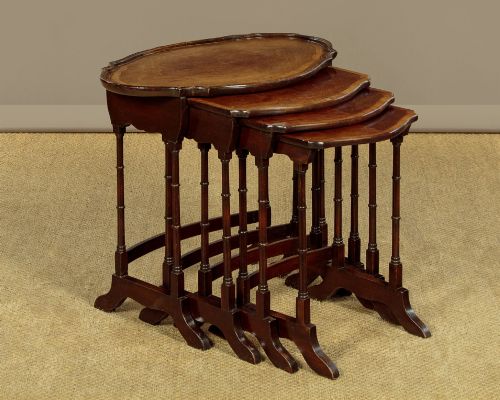
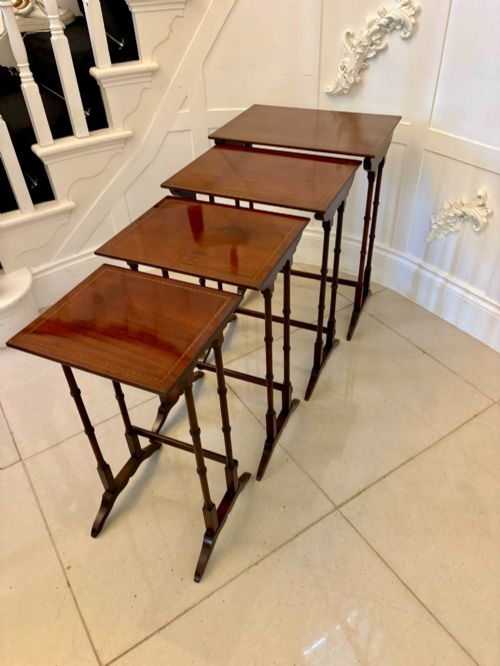
- A nested set of four matching tables designed to stack beneath one another. They became particularly popular during the Edwardian period for entertaining.
- Campaign style
- Portable furniture constructed with brass corners, recessed handles, and dismantling frames for military transport. It utilises sturdy hardwoods like mahogany and camphor.
- Parquetry
- A geometric mosaic of wood pieces used for surface decoration on tabletops. This technique creates patterned tops through contrasting timber tones.
- Butlers tray
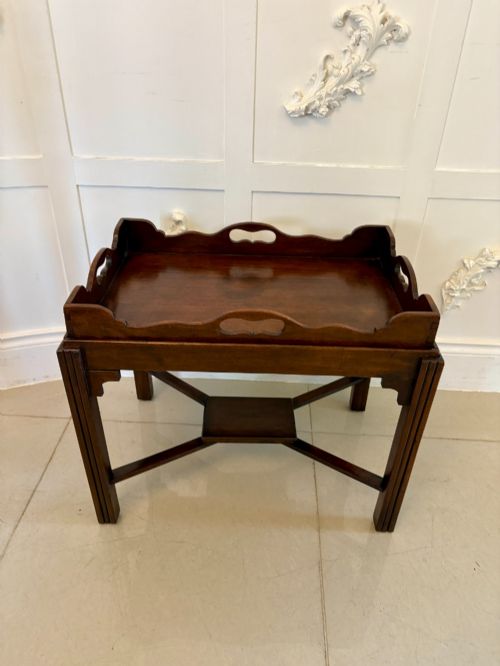
- A removable wooden tray with hinged or fixed sides, originally designed for carrying service items. It typically rests upon a folding wooden stand.
- Hibachi
- A traditional Japanese heating device or low brazier often adapted into a low occasional table. These pieces frequently feature integrated metal liners and box construction.
Wood Coffee Table: Frequently Asked Questions
How do I identify an Edwardian table?
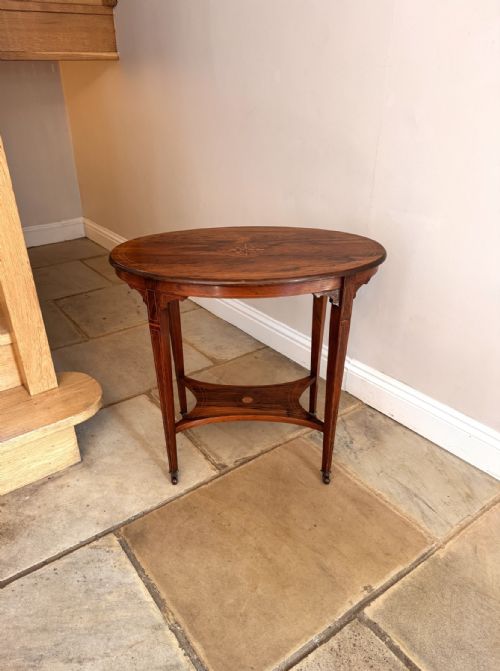
Edwardian pieces often feature lighter timbers like mahogany, delicate satinwood inlay, and turned legs. They frequently take the form of nests or occasional tables.
Proportions tend to be refined and lighter in scale compared to heavier Victorian counterparts, reflecting changing domestic fashions at the start of the twentieth century.
What is a campaign trunk?
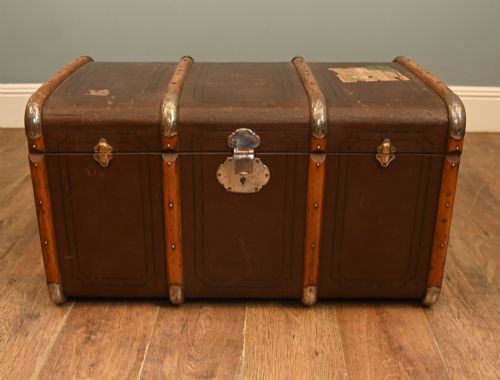
A campaign trunk is a travel chest fitted with brass corners, edge binding, and recessed carrying handles. They were built for military officers on the move.
Constructed from durable woods like camphor or mahogany, these trunks now function effectively as low coffee tables with internal storage.
How do I care for antique wood?
Maintain antique wooden surfaces by dusting regularly with a soft, dry cloth. Avoid placing tables near direct heat sources or strong sunlight.
Applying a traditional beeswax polish periodically helps nourish the timber and preserve the historic finish without building up heavy chemical layers.
Are nest of tables practical?
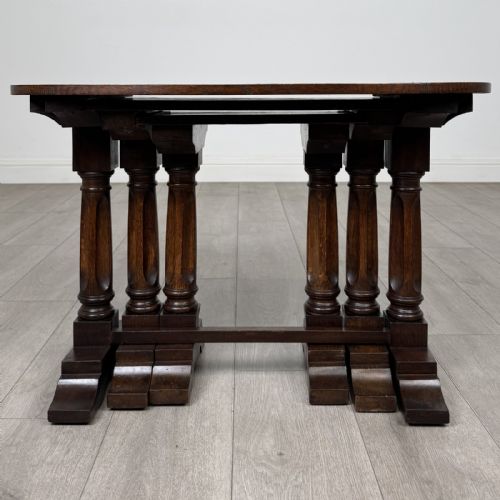
A nest of tables provides multiple surfaces that tuck away neatly when floor space is needed. They suit modern living rooms by offering flexible placement.
Sets range from compact Edwardian quartetto tables to larger graduated arrangements in oak or mahogany.