
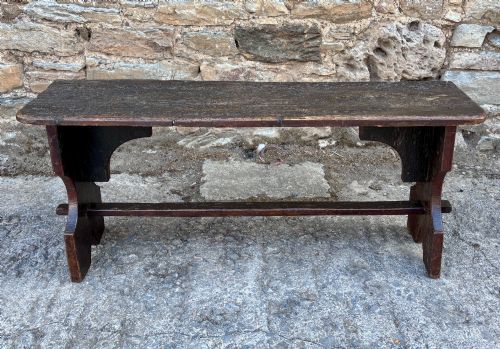
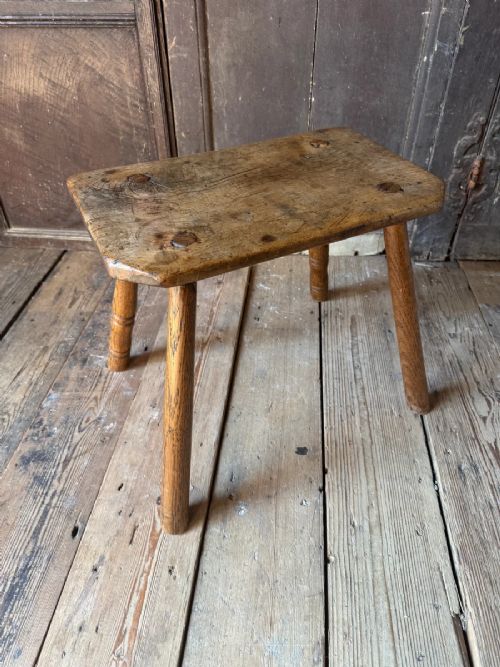
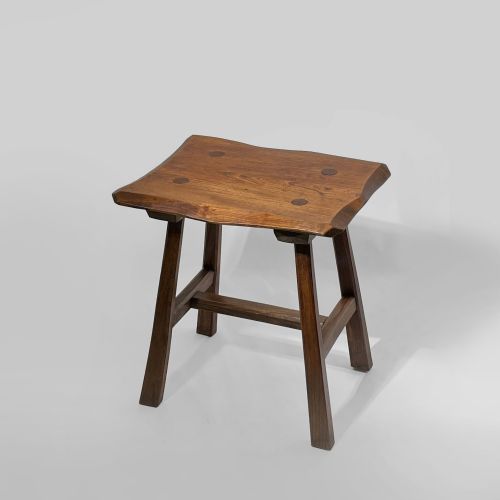
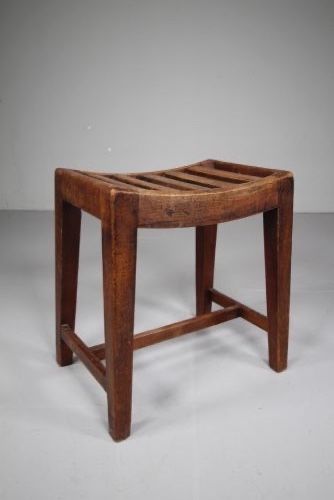
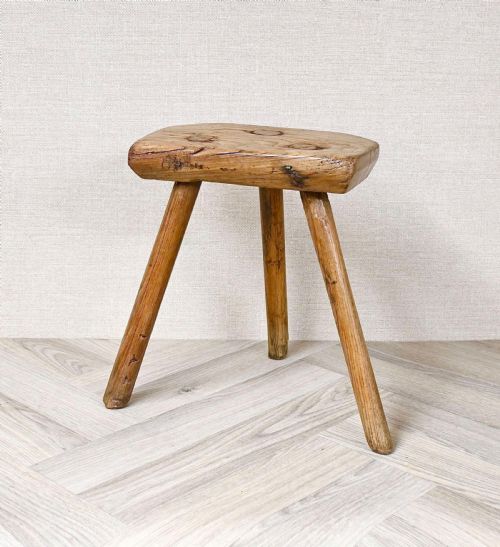


Traditional Timber Low Bench
A traditional timber low bench offers practical surface space and low seating, shaped by regional makers from honest woods.
Traditional Timber Low Bench
A traditional timber low bench brings low-slung utility to a room, drawing on forms made for everyday use in past centuries. Buyers searching for a traditional timber low bench will find practical low seating and low tables suited to modern living spaces.
The pieces on this page span several eras, from the eighteenth century through the Edwardian period. Forms range from rustic stools and milking stools to low coffee tables and plank-top trestle tables.
Origins vary widely across the selection, encompassing English vernacular pieces alongside Chinese traditional designs and tribal work. This mix reflects how different cultures utilised sturdy local timbers for low furniture.
How they were made
Constructed from solid woods such as oak, elm, ash, sycamore, mahogany, pine, and teak, these pieces rely on the natural strength of timber. Makers selected hardwoods for durability, utilising simple joinery and plank construction to build items intended for hard daily work.
Surface treatments range from natural waxed timbers to ebonised finishes and woven rattan elements. The tooling marks and patination left by early makers demonstrate traditional hand-working methods without industrial shortcuts.
One listed item is an original pine pig scratch from 1890, proving that historical livestock comfort was taken very seriously.
What varies in quality
Quality rests in the integrity of the timber and the honesty of the construction. Pieces shaped from dense hardwoods like elm, oak, and huanghuali exhibit superior structural longevity compared to softer woods.
The character of the surface patination dictates the visual appeal. Examples that retain their original unblemished timber grain and honest wear demonstrate greater desirability among collectors.
The Traditional Timber Low Bench Glossary
- Vernacular
- Everyday furniture made by local craftsmen for practical use rather than following high-style court designs. These items reflect regional traditions and available materials.
- Plank-top
- A surface constructed from solid wooden boards joined side by side. This method provides a stable and heavy top for benches and trestle tables.
- Patina
- The surface sheen and colour developed by timber over decades of handling, exposure to light, and waxing. A rich patina indicates age and natural use.
- Hardwood
- Timber derived from broad-leaved trees such as oak, ash, elm, and mahogany. These woods offer high density and resilience for furniture making.
Traditional Timber Low Bench: Frequently Asked Questions
What is a traditional timber low bench?
A traditional timber low bench is a low-slung seating or surface piece made from solid woods like oak, elm, and pine. These items draw on historical forms used in domestic and agricultural settings.
They serve multiple purposes in contemporary interiors as coffee tables, low seats, or display surfaces. Their modest height makes them versatile additions to living areas.
How do I style a low wooden bench?
These pieces fit naturally into living spaces as low coffee tables or extra seating beside larger chairs. Their neutral wooden tones complement both rustic and minimalist schemes.
Keep the surface styling simple to let the historic timber grain and construction details remain the focal point. They pair well with textiles and ceramics.
How are different wood types identified?
Identifying timber involves looking at the grain pattern, colour, and weight of the piece. Hardwoods like oak and ash show distinct growth rings and heavy density.
Softer timbers such as pine present a lighter weight and paler colour, often showing knots and simpler grain structures. Handling pieces regularly helps train the eye for these distinctions.
How old are these low benches?
The selection spans from the eighteenth century through the Edwardian era and the early twentieth century. Dating relies on construction methods, tool marks, and the natural ageing of the timber.
Earlier pieces often display hand-sawn boards and pegged joinery, while later examples incorporate slightly more standardised manufacturing techniques. Each piece carries markers specific to its period of origin.