
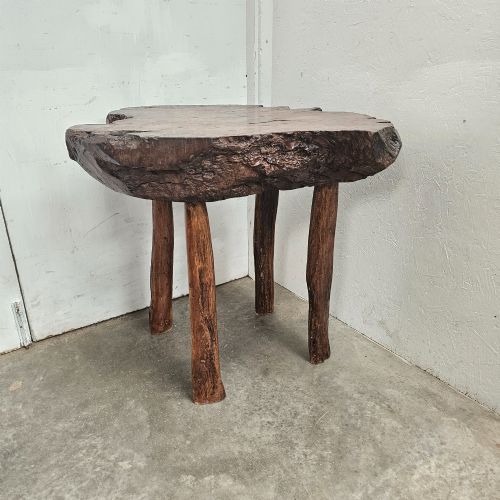
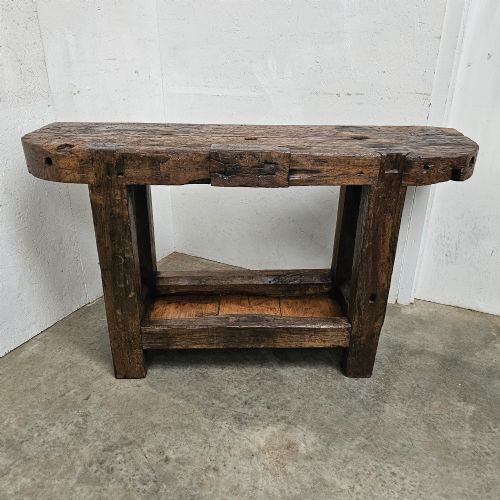


Primitive Rustic Wooden Table
A primitive rustic wooden table brings unpretentious character and honest utility into a modern room through centuries of utilitarian design.
Primitive Rustic Wooden Table
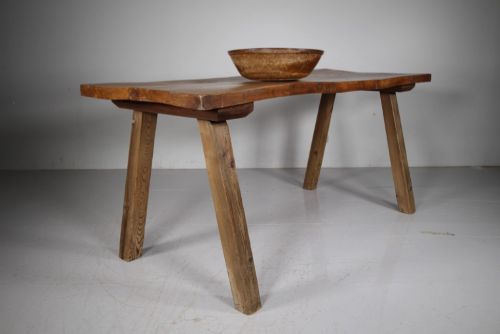
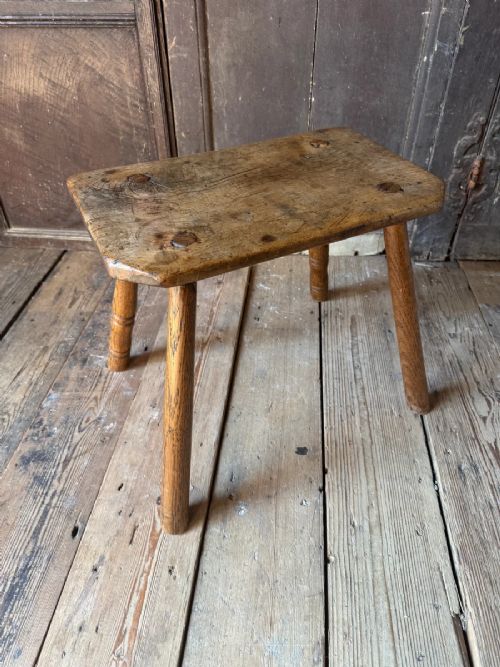
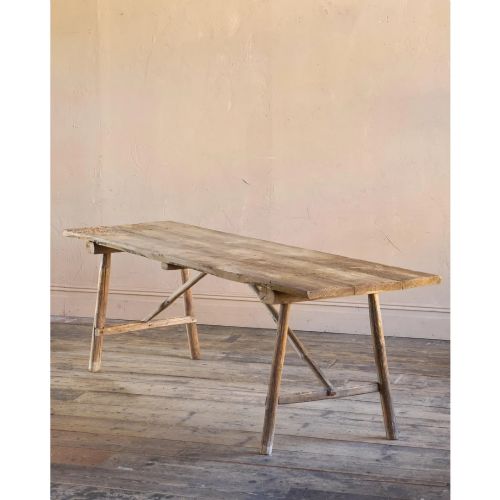
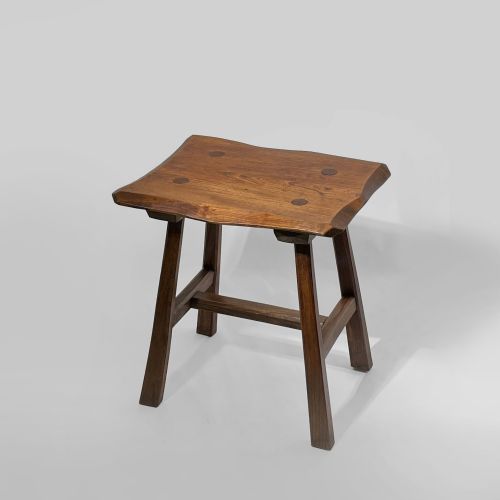
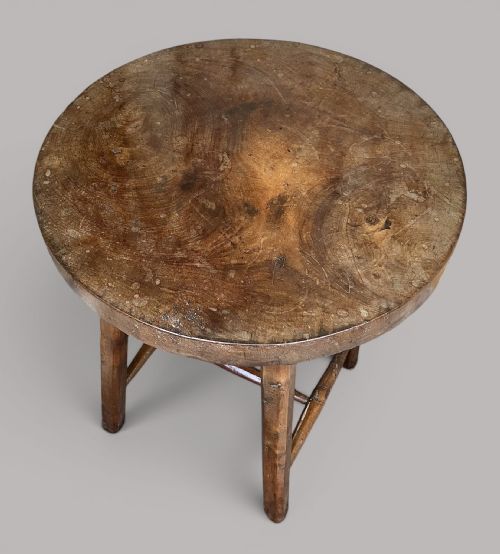
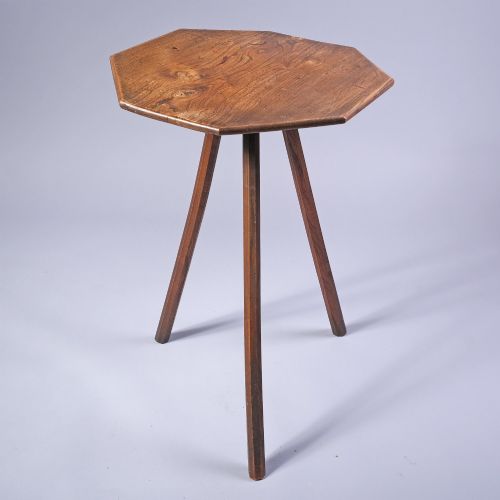
A primitive rustic wooden table encompasses everything from small occasional pieces to large dining surfaces and benches shaped by rural makers. These domestic and working objects emerge primarily from the nineteenth and eighteenth centuries, bearing the simple forms required for daily labour. You will frequently encounter dining tables, coffee tables, and work benches originating from English, French, and Spanish traditions.
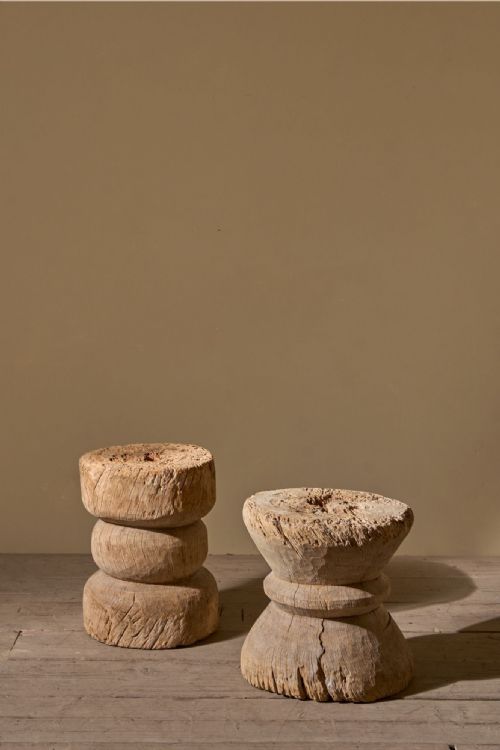
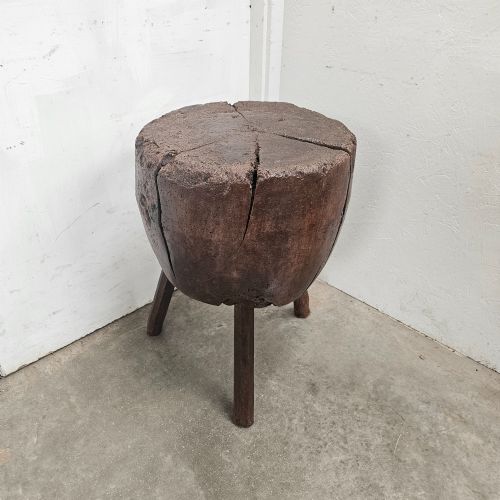
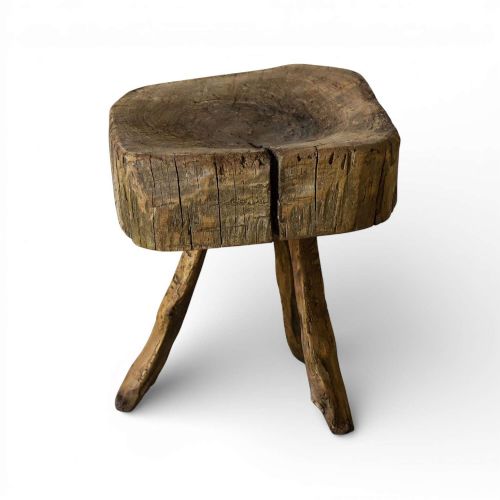
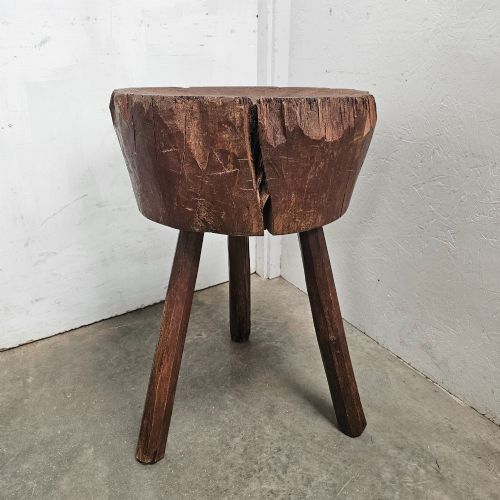
Makers constructed these pieces for function rather than display, utilising durable timbers suited to heavy domestic or agricultural use. The selection spans straightforward side tables, low stools, and substantial chopping blocks with distinct regional characteristics. Every piece reflects the vernacular style of its local area, whether built as a dairy table, a tavern surface, or a humble cobbler's bench.
What Varies in Quality
The distinction between ordinary utility items and exceptional survivals rests upon the integrity of the timber and the honesty of the surface patination. Superior examples retain their original structural members, such as unreplaced gnarled legs or untouched cleated tops, without heavy modern interventions. The depth of wear across the wood tells a true story of its working life.
Proportion and balance also set finer pieces apart, as rural makers balanced sheer utility with pleasing domestic scale. Pieces that maintain their original height and unaltered bases possess greater presence in a room than those compromised by later alterations. The choice of more resilient woods like oak, elm, or walnut often signals a more substantial commission.
Current listings feature pieces built from oak, elm, pine, ash, sycamore, and beech across the eighteenth and nineteenth centuries.
The Primitive Rustic Wooden Table Glossary
- Vernacular
- Everyday objects designed and built by local craftsmen for practical use rather than following high-style academic architectural or furniture fashions. This tradition relies on regional materials and traditional local methods.
- Trestle
- A structural support consisting of a horizontal beam fixed to two or more spreading legs, commonly used to hold heavy table tops. This form allowed for easy dismantling and sturdy weight distribution in large dining surfaces.
- Cleated
- Having transverse wooden strips fastened across the ends of a plank top to prevent warping and splitting. This method accommodated the natural movement of solid timber over decades of fluctuating humidity.
- Patina
- The deep surface sheen and colour developed by wood over years of handling, polishing, and exposure to light. It serves as a primary indicator of age and honest preservation.
- Pig bench
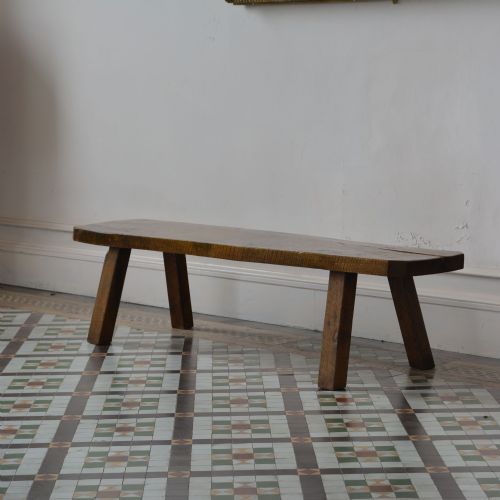
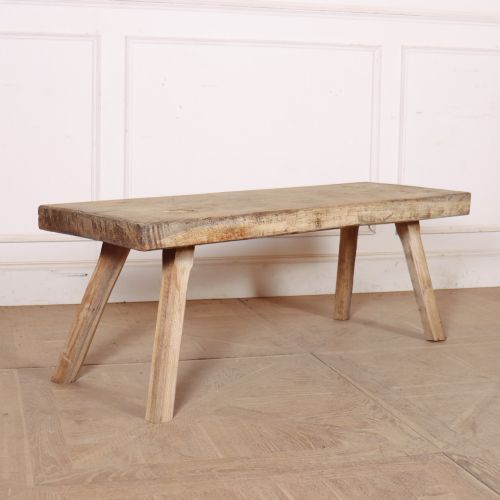
- A low, narrow wooden form historically utilised for butchery or agricultural labour, now repurposed as a low coffee table. These narrow surfaces display robust construction and deep utility wear.
Primitive Rustic Wooden Table: Frequently Asked Questions
What is a primitive rustic wooden table?
A primitive rustic wooden table is a functional domestic or working surface built by regional craftsmen using traditional methods and local timbers. These pieces prioritize simple utility over decorative refinement.
They originate mostly from the eighteenth and nineteenth centuries, taking forms such as dining tables, work benches, and low coffee tables shaped by rural life.
How do I use a pig bench at home?
A pig bench makes a sturdy low coffee table or a narrow display surface in a hallway or living room. Its low height and elongated proportions fit well in front of a sofa.
The thick wooden top and heavy legs bring texture and history to modern interiors without dominating the floor space.
Are these tables made from solid wood?
These pieces are constructed entirely from solid timbers such as oak, elm, ash, pine, and sycamore. Makers used thick planks for tops and sturdy branches or turned posts for legs.
Solid construction ensured the tables could endure heavy daily tasks in dairies, kitchens, and workshops.
How do I tell an 18th century table from a 19th century one?
Dating relies on observing construction details, timber characteristics, and the depth of surface wear accumulated over generations. Earlier pieces often display wider single boards and hand-hewn framing marks.
Comparing the joinery methods and regional styles helps place a piece within its approximate period of origin.