



Vintage Rustic Stool Table
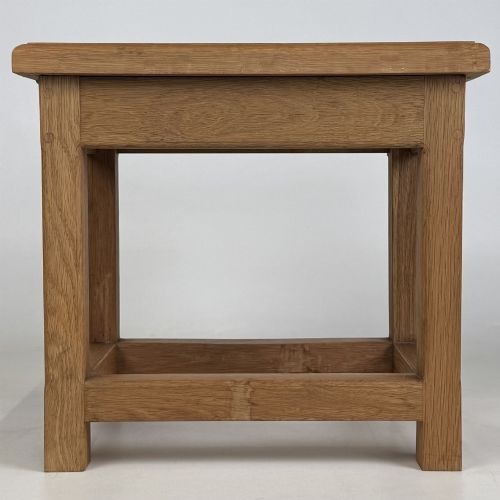
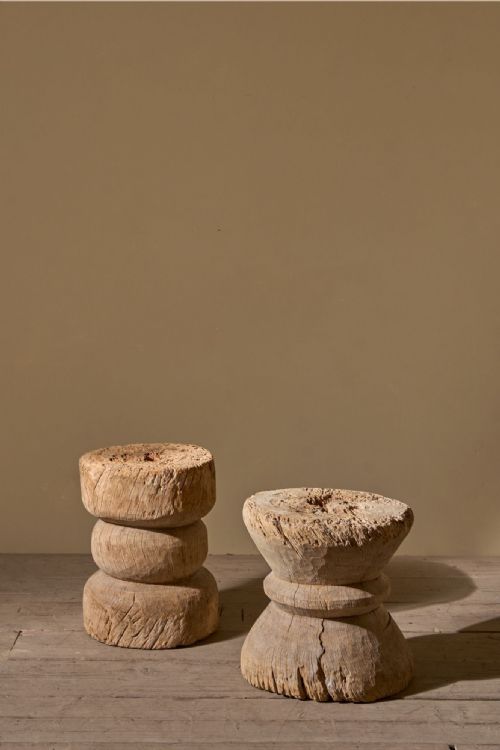
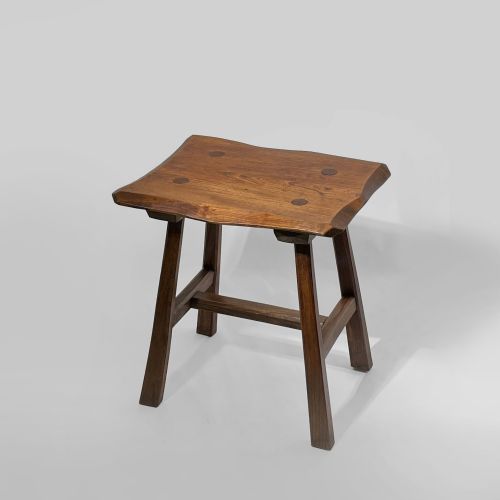
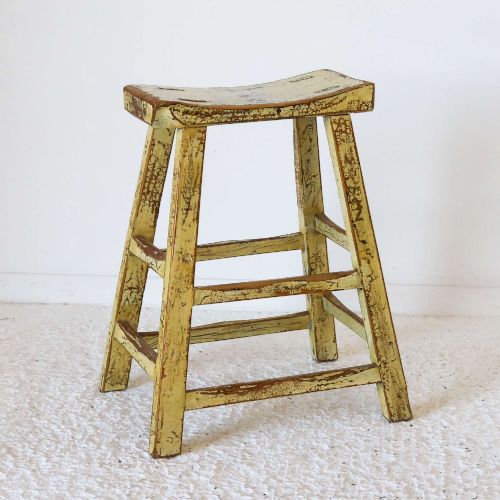
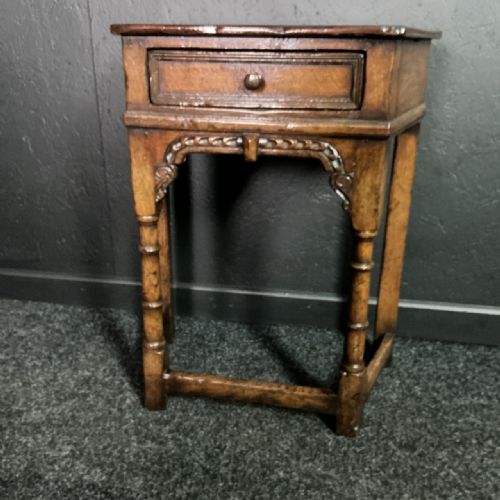
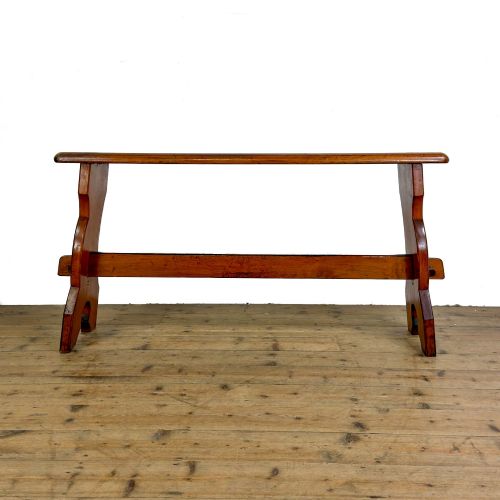
These vintage rustic stool table pieces bring practical utilitarian charm and honest character into a room.
Vintage Rustic Stool Table
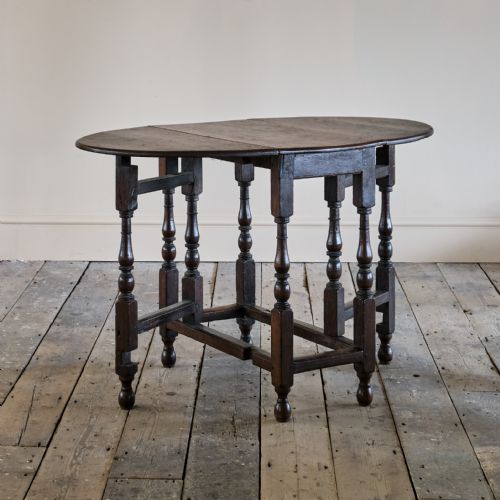
When searching for a vintage rustic stool table, buyers encounter versatile low seating and occasional tables originating from the Georgian period through the early twentieth century. These domestic and working objects bridge the boundary between seating and surface, serving multiple functions in a traditional interior.
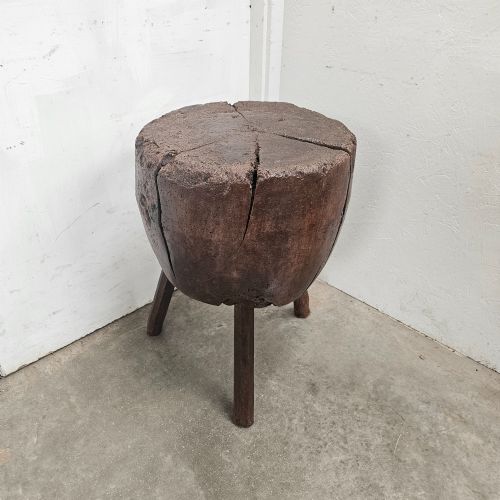
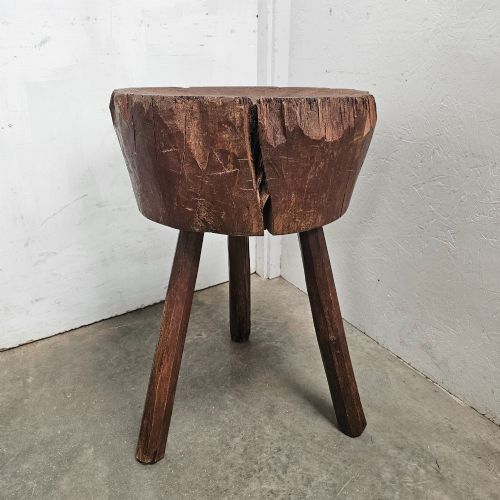
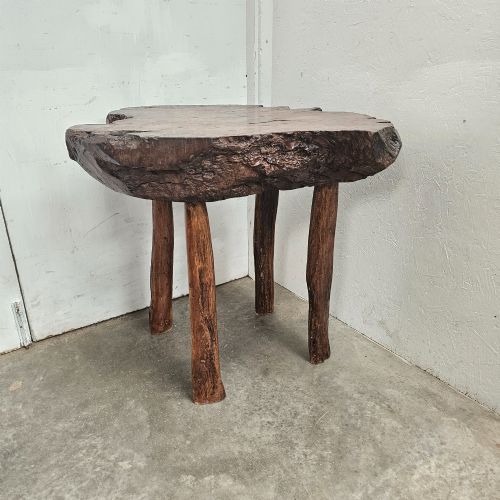
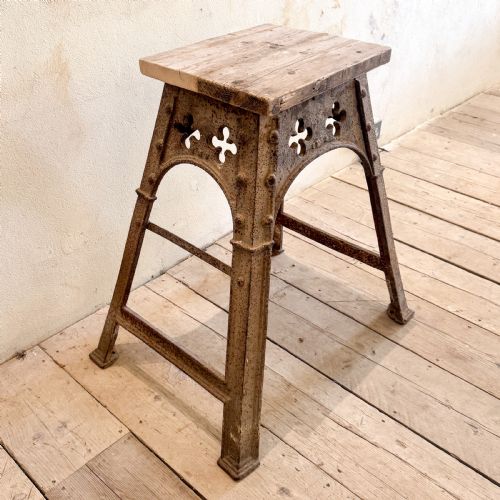
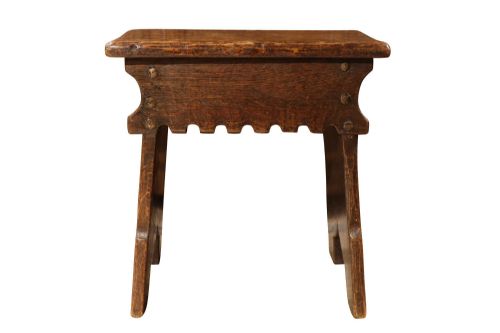
The selections available range from solid elm joint stools and pine organ benches to French beech game blocks and tree trunk chopping blocks. Oak, ash, and miscellaneous hardwoods appear frequently across various vernacular styles.
Most examples lean towards rustic folk art, primitive country, and French country aesthetics, reflecting utilitarian manufacture rather than formal workshop production. Buyers often select these compact items for use as side tables, plant stands, or occasional seating.
What varies in quality
The distinction between ordinary and superior examples lies in the integrity of the timber and the depth of natural patination accumulated over generations. Untouched original surfaces command greater interest than pieces stripped or heavily restored in modern times.
Structural honesty and heavier proportions elevate specific items, such as thick five-plank oak stools or substantial tree trunk game blocks. Finer craftsmanship appears in details like pegged joints, careful turning, and the selection of figured burr timber.
Materials recorded across the inventory include oak, elm, beech, pine, ash, and thuya.
The Vintage Rustic Stool Table Glossary
- Joint stool
- A sturdy wooden stool constructed with mortise and tenon joints, commonly used for seating or as a small surface in early homes.
- Game block
- A heavy section of tree trunk or solid hardwood utilised in butchery and game preparation, prized for its chunky proportions and utilitarian surface.
- Pegged construction
- A traditional method of joining wooden elements using wooden pins or trunnels rather than metal nails or modern adhesives.
- Live edge
- A natural edge of a wood slab where the outer contour of the tree remains visible and unworked in the finished piece.
- Vernacular style
- Domestic or utilitarian architecture and furniture made by local craftspeople using regional materials without academic architectural pretension.
Vintage Rustic Stool Table: Frequently Asked Questions
How were these stool tables originally used?
These pieces served practical daily functions as work surfaces, milking seats, and auxiliary stands in homes, workshops, and farmhouses.
Their sturdy construction allowed them to withstand heavy daily labour, from butchery to organ playing.
What woods should I expect to find?
Common timbers include oak, elm, beech, pine, and ash, selected for their local availability and strength.
Solid hardwoods dominate the selection, often finished simply to highlight the natural grain.
How do I date an antique stool table?
Dating relies on examining construction techniques such as pegged joints, tool marks, and the style of any turned elements.
Wear patterns and the depth of the timber's patina also provide reliable indicators of age.
Are these pieces suitable for modern living?
Their compact size makes them ideal as occasional side tables, bedside surfaces, or extra low seating in contemporary spaces.
They introduce texture and historical character without dominating a room.