
Antique Country Artwork
Antique country artwork brings the quiet charm of rural life, farmsteads and open landscapes directly onto your walls through period paintings and watercolours.

Antique Country Artwork
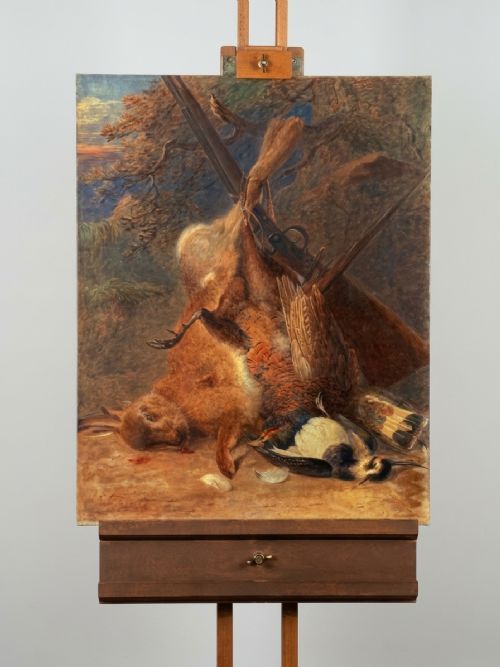
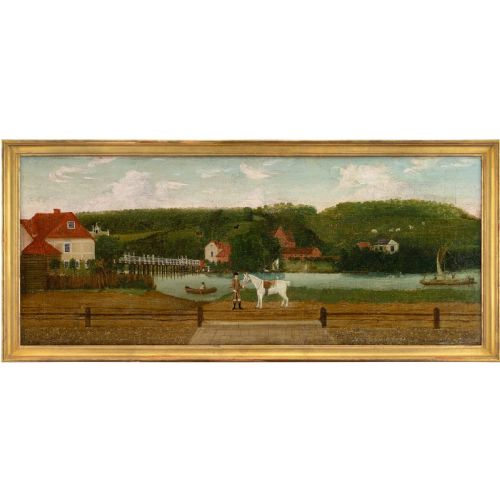
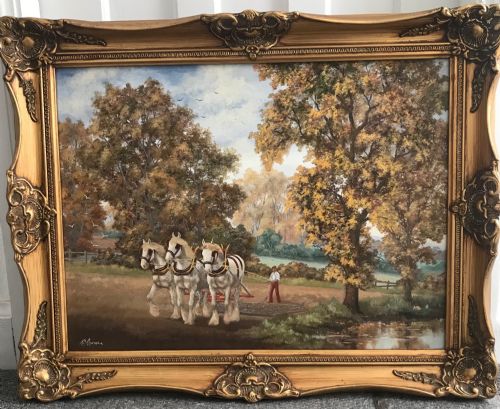
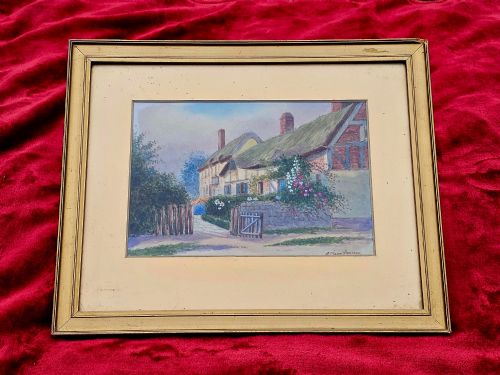
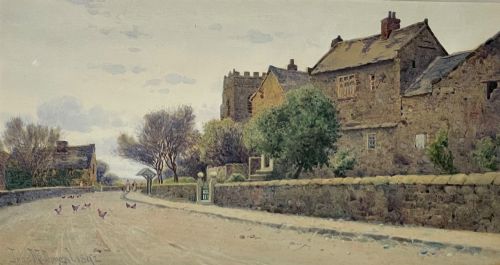
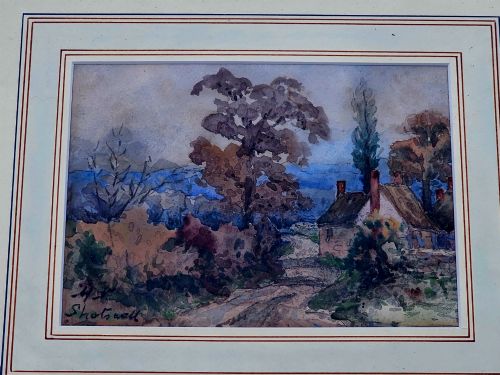
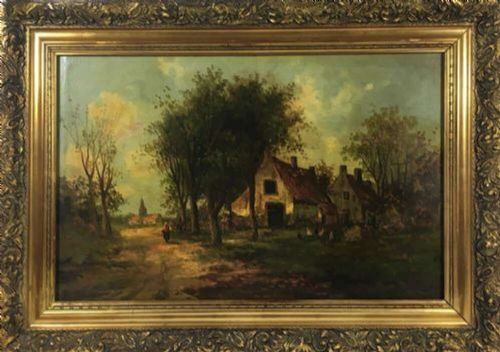
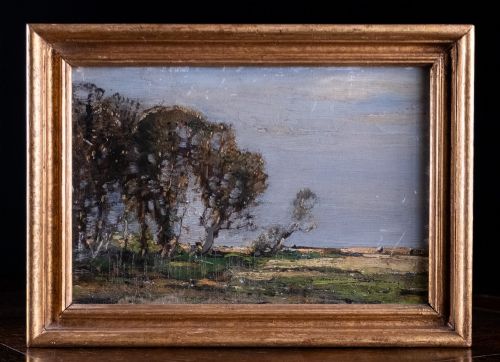
When you search for antique country artwork, you encounter visual records of rural life spanning the nineteenth and early twentieth centuries. These pieces capture quiet landscapes, village cottages, agricultural scenes and domestic animals in their natural surroundings.
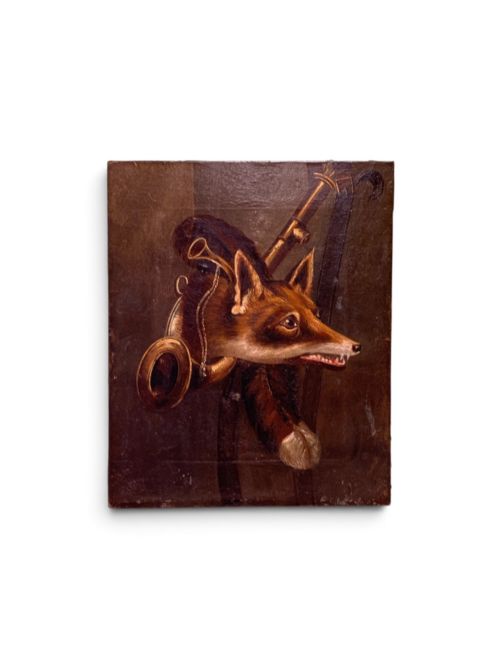
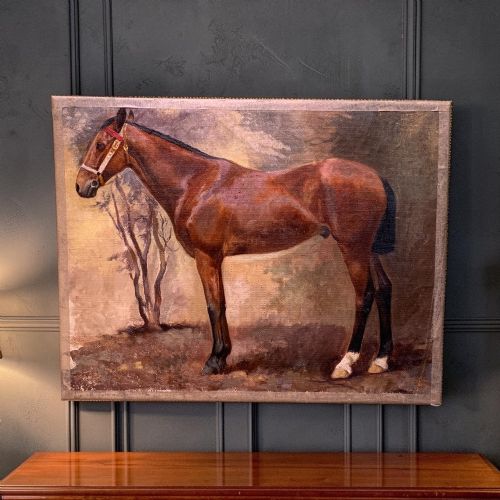
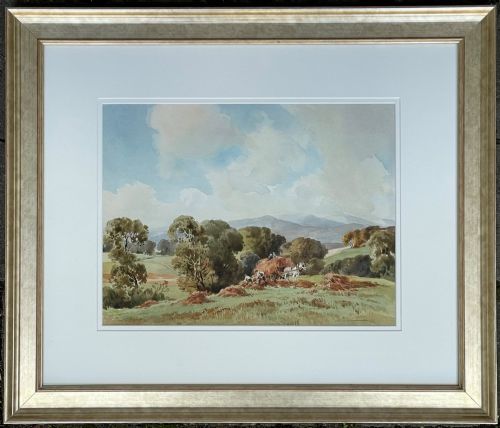
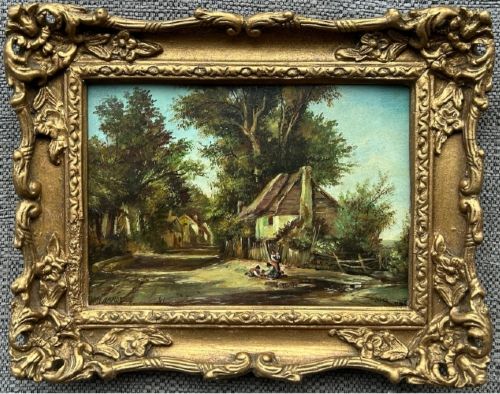
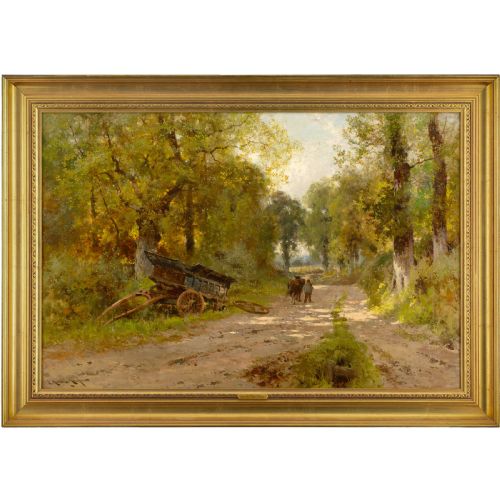
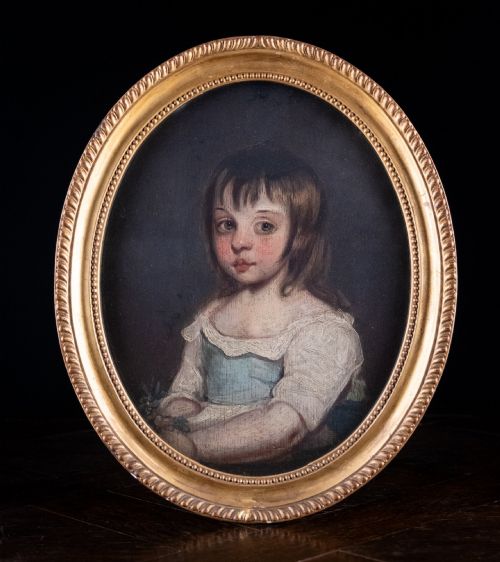
You are most likely to meet oil paintings on canvas or board, alongside watercolours on paper from the Victorian and Edwardian eras. Common subjects range from harvest fields and farmyard animals to intimate pastoral portraits.
The makers and artists behind these works include both named regional painters and members of various British and European schools. Their output preserves a distinct record of country living before industrial changes transformed the landscape.
Materials and technique
Artists relied primarily on oil paint applied to canvas, wooden panels, or card, building rich textures and deep tones. Watercolours on paper offered a lighter, more immediate medium for capturing changing rural light and weather.
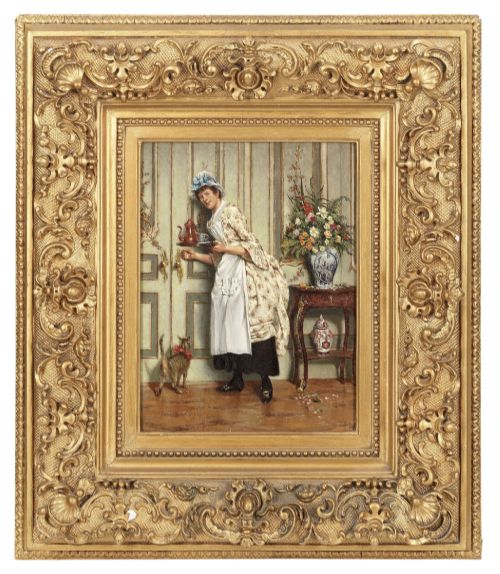
Many works sit within original gilt wood or giltwood frames that complement the palette of the picture. The physical support often reveals the period of creation, from traditional stretched canvas to sturdy wooden boards.
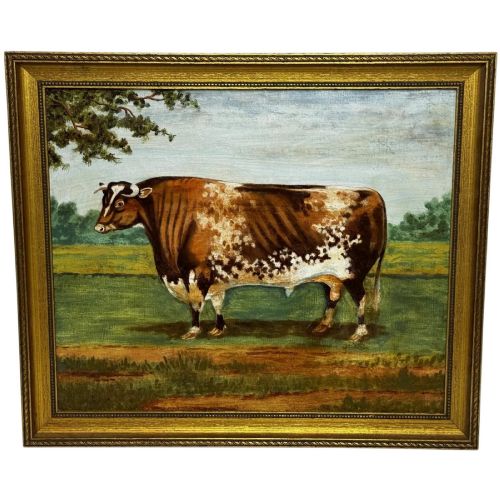
Prized shorthorn bulls and watchful spaniels share gallery space with quiet cottage paths, proving country life had plenty of character.
Distinctions in quality
Quality rests in the handling of light, shadow and perspective, which separates observational painting from formulaic output. The dexterity of brushwork in foliage, animal anatomy or human figures indicates the hand of a skilled practitioner.
Compositional balance and the preservation of the original surface condition dictate the standing of a piece. Works retaining their initial framing and stable paint layers without heavy restoration hold greater visual integrity.
Percy Lancaster·William Howard Hardy·John Horace Hooper·A Marie Parsons·John McDougal·Kershaw Schofield·Stephen Samuel Lewin·Arthur Gue·Henry Silkstone Hopwood·Robert John Hammond·Walter Heath Williams·Robert W Macbeth·Robert Thorne Waite·John Smith Atherton·Howard Helmick·George Augustus Holmes·Thomas Sidney Cooper·Joseph H Barnes·Ernest Arthur Rowe·Frederick Walker·Frederick James Kerr
The Antique Country Artwork Glossary
- Watercolour
- A painting method where fine pigment is suspended in a water-based solution on paper. This technique produces translucent washes suited to atmospheric landscapes.
- Oil on Canvas
- Pigment mixed with drying oils applied to a stretched woven fabric support. This combination allows for rich blending and textured detail.
- Provincial Naive
- Art created outside mainstream academic traditions, often displaying charming simplicity in perspective and form. These works offer direct insight into folk traditions.
- Gilt Wood
- Carved timber finished with a thin layer of gold leaf or metallic gilding. It provides a traditional decorative border for period paintings.
Antique Country Artwork: Frequently Asked Questions
What subjects appear in country artwork?
These pieces frequently depict agricultural scenes, harvest fields, farmyard animals and rural cottages. Domestic animals such as horses, cattle and gundogs also feature prominently.
The human element often includes figures working the land, villagers on paths, or quiet domestic interiors. Together, these subjects document the rhythm of rural life across past centuries.
How do I date an oil painting?
Dating relies on examining the physical support, such as the weave of the canvas, the type of wooden board, or the composition of the frame. Stylistic clues within the clothing and landscape details also point to specific decades.
Signatures, inscriptions on the reverse, and artist biographical records help narrow the period further. Comparative analysis with dated works from the same school confirms the timeline.
Where should I hang these paintings?
These works suit traditional living spaces, dining rooms, and hallways where their pastoral themes can create a warm atmosphere. Pairing them with natural wood furnishings enhances their historical character.
Avoid placing them in direct sunlight or areas with high humidity to protect the paint surface and paper supports. Proper placement ensures the longevity of both canvas and watercolour pieces.
How do I care for antique watercolours?
Watercolours require framing behind glass with acid-free mounts to prevent paper degradation and fading from light exposure. Keeping them away from moisture prevents foxing and mould growth.
Regular inspection of the backing board ensures no trapped humidity damages the pigment over time. Gentle dusting of the frame is usually all the routine maintenance required.