
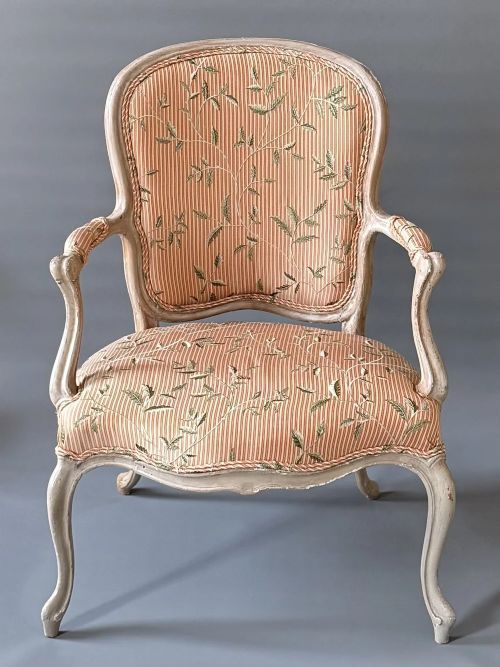
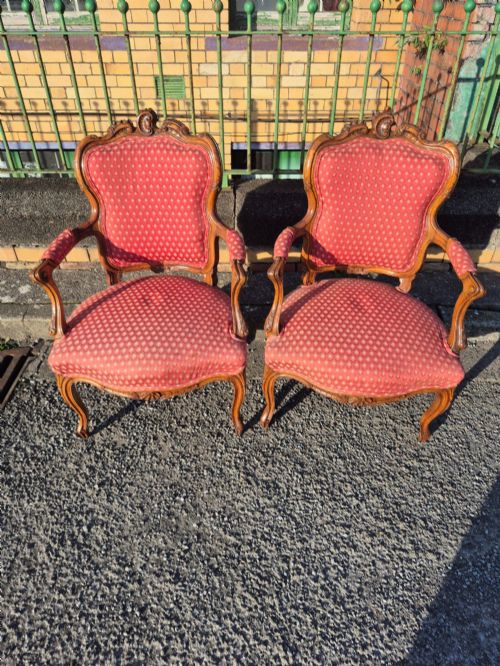
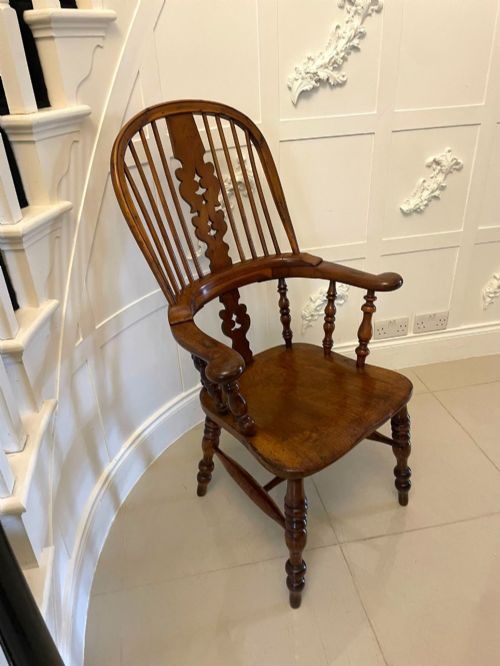
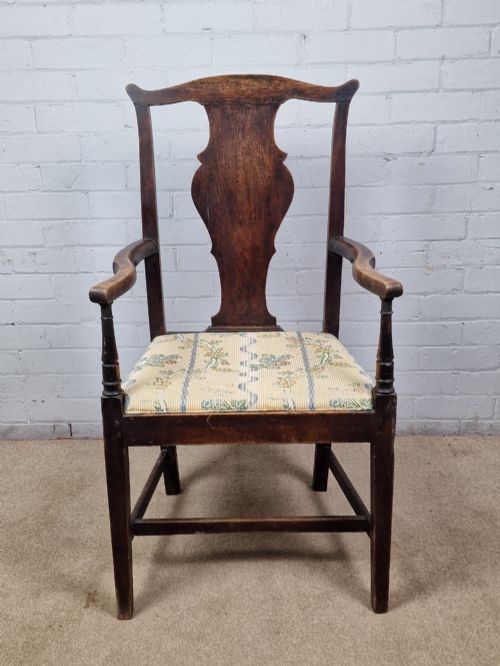

Antique Country Arm Chair
An antique country arm chair brings domestic warmth to a room, offering sturdy vernacular forms built for comfort rather than salon display.
Antique Country Arm Chair
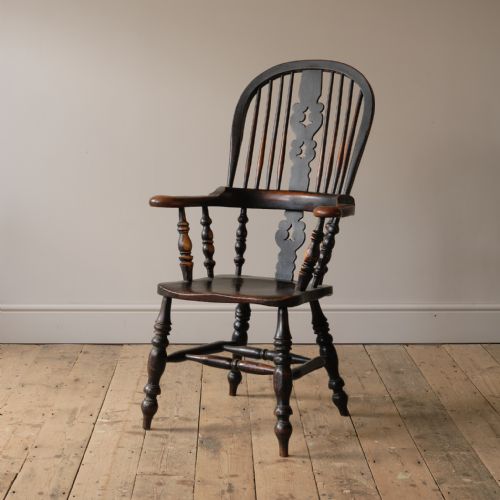
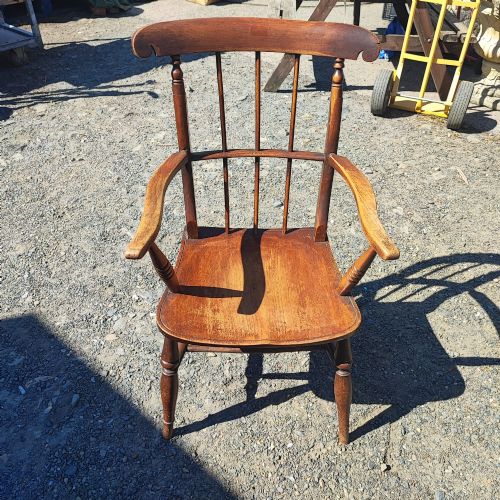
An antique country arm chair encompasses diverse utilitarian seating from the eighteenth and nineteenth centuries, including Windsor types, ladderbacks, and robust library models.
These pieces originated in farmhouses, cottages, and country estates, designed for everyday domestic use rather than formal entertaining.
How They Were Made
Local timbers dictate the construction, combining tough hardwoods such as oak and fruitwood for frames with resilient elm for carved seats.
Joinery relies on traditional methods like bodgert-turned spindles fitted into solid plank seats and steam-bent wooden bows.
Listings feature regional variations in elm, ash, fruitwood, and oak across 18th-century, Victorian, and Edwardian periods.
What Varies in Quality
Proportion and the integrity of the timber separate honest utility chairs from lesser examples, with superior pieces showing minimal replacement parts and deep patination.
The refinement of the turning on spindles and arm supports marks the difference between simple regional workshop output and more ambitious vernacular design.
Howard and Sons·Gillows
The Antique Country Arm Chair Glossary
- Windsor chair
- A wooden chair built with a thick solid seat into which the legs and back spindles are separately inserted. The design relies on the strength of turned uprights and a bentwood bow.
- Smoker's bow
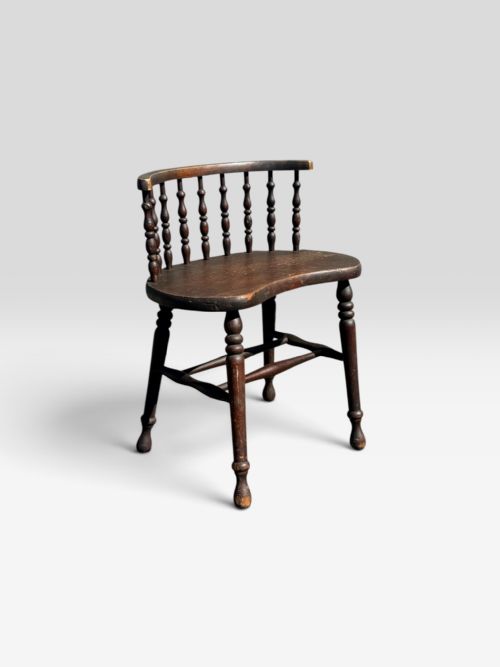
- A low-backed Windsor variant featuring a continuous curved arm rail resting on short spindles. It was common in country inns and farmhouse kitchens.
- Ladderback
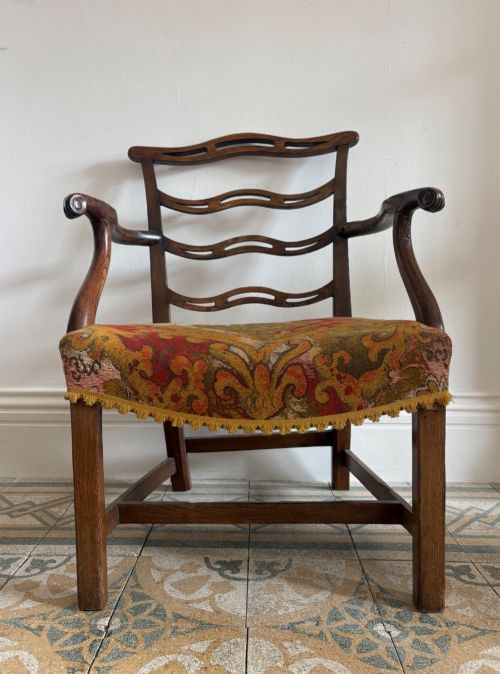
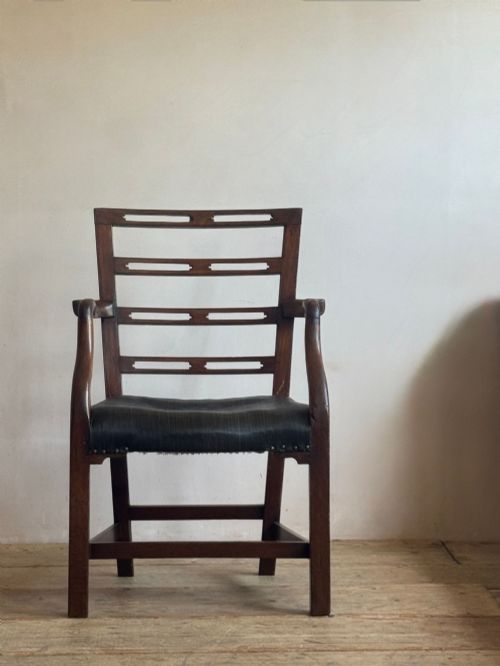
- A chair with horizontal slats set between the rear upright posts. These slats are often subtly curved to fit the sitter's back.
- Lambing chair
- An enclosed high-backed armchair designed to shield the occupant from drafts. These examples frequently feature solid panelled lower sections and an integrated side pocket.
- Turners chair
- A heavy armchair constructed entirely of cylindrical turned posts and rails. This form follows a traditional seventeenth-century construction method.
Antique Country Arm Chair: Frequently Asked Questions
How do I identify a Windsor chair?
Look for a heavy solid wooden seat that anchors both the legs below and the spindles above. The back often incorporates a central splat or a steam-bent wooden hoop.
Traditional examples utilise contrasting native woods, pairing elm seats with ash or beech for the turned components.
Were these chairs used outdoors?
These pieces were built for interior domestic life in farmhouse kitchens, cottage parlours, and country house libraries. Their robust construction meant they withstood heavy daily use near hearths and dining tables.
While robust, their traditional hide, rush, or textile elements meant they remained indoor furniture rather than garden seating.
How should I care for an elm seat?
Elm is prone to movement as humidity changes, so keep the wood away from direct heat sources and sudden temperature shifts. Feed the dry timber sparingly with a traditional wax to maintain the surface.
Avoid modern liquid polishes that build up a silicone layer and trap dust within the grain and carved details.
What defines a country house style?
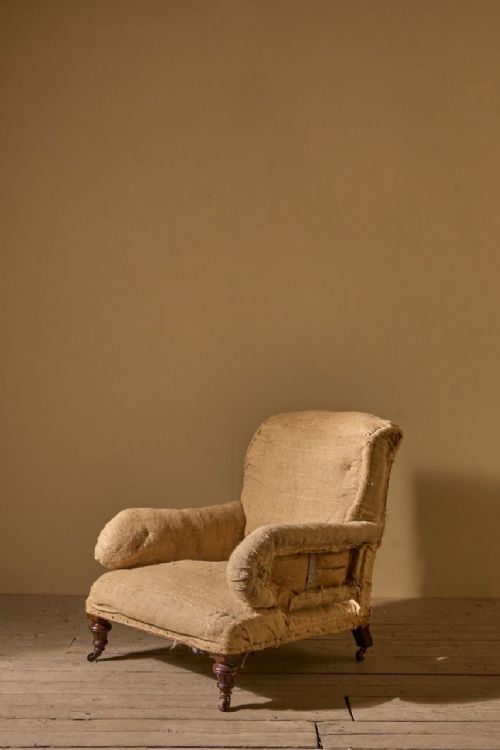
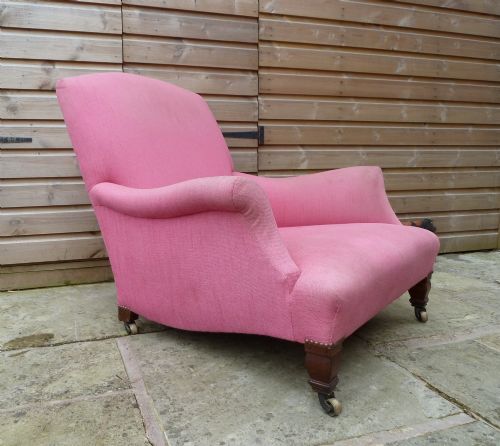
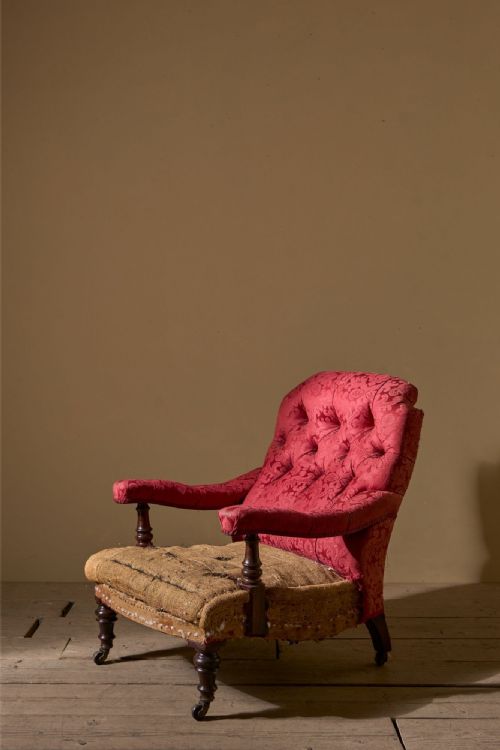
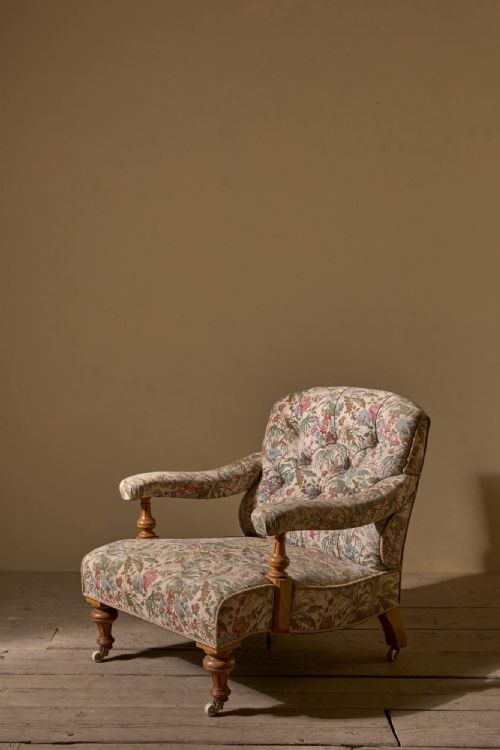
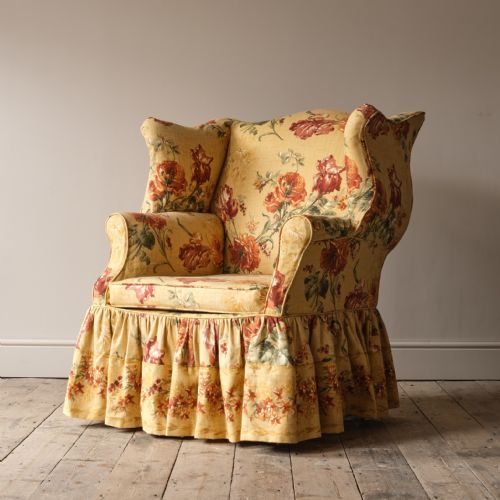
Country house seating prioritises relaxed domestic comfort over rigid formality, resulting in deep seats and generous proportions. Upholstered pieces often carry loose covers in calico, tapestry, or needlework.
Unupholstered wooden versions show the rich grain of fruitwood, oak, or laburnum developed through generations of handling.