


Wooden Windsor Arm Chair
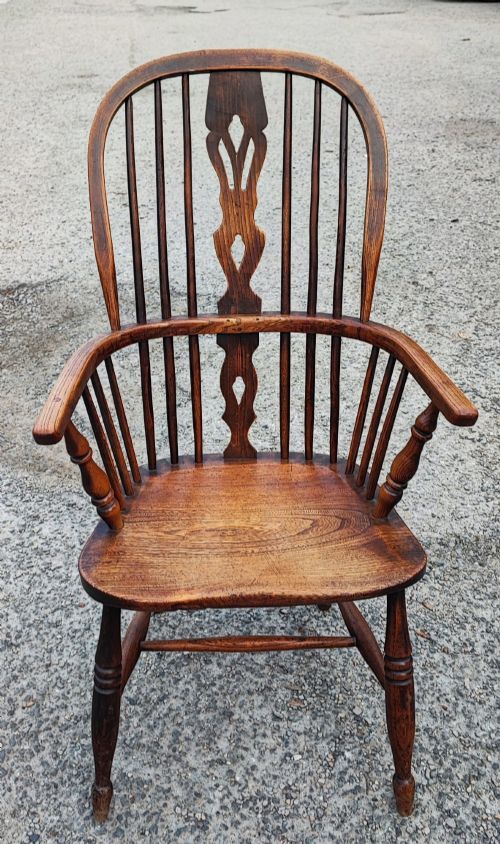
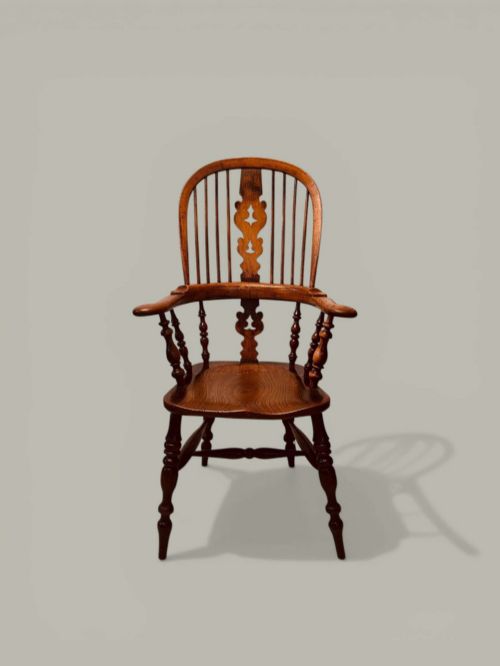
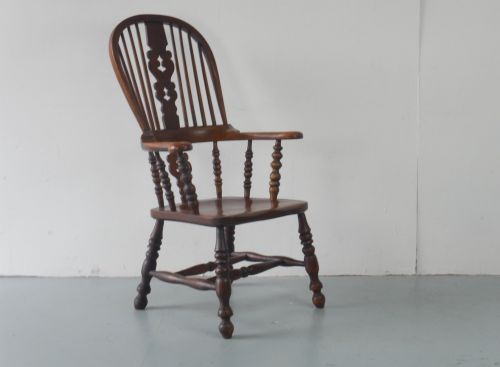
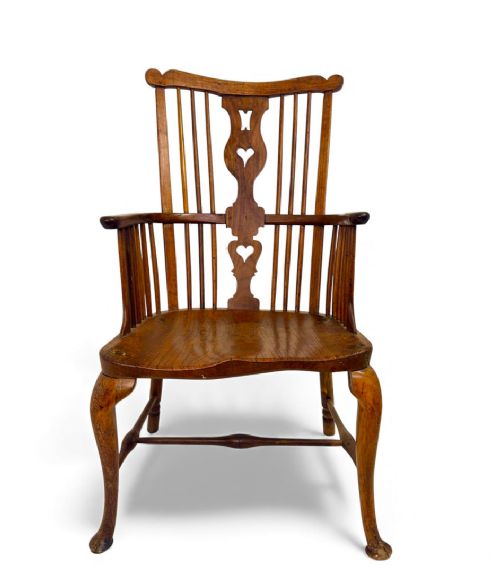
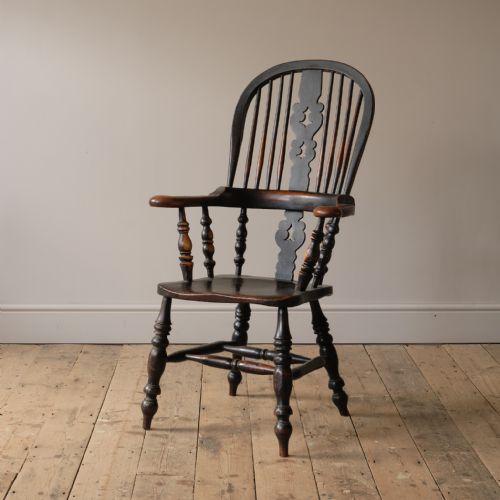
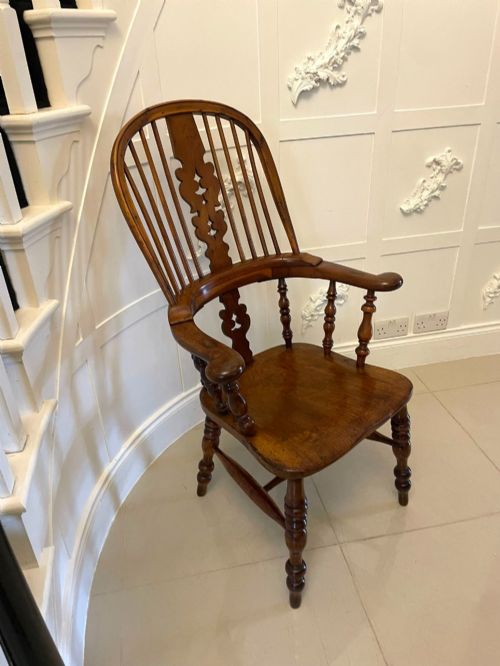
A wooden windsor arm chair offers honest vernacular seating, combining shaped elm seats with turned spindles for enduring country comfort.
Wooden Windsor Arm Chair
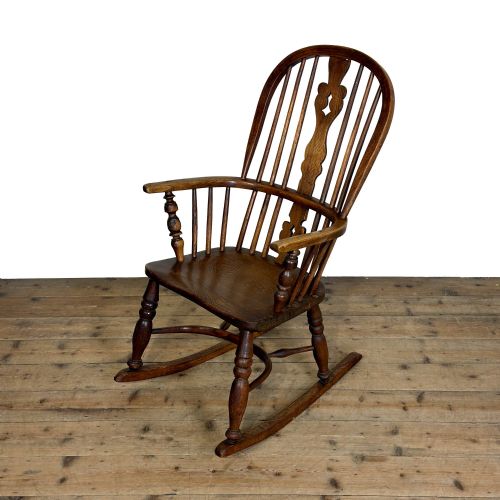
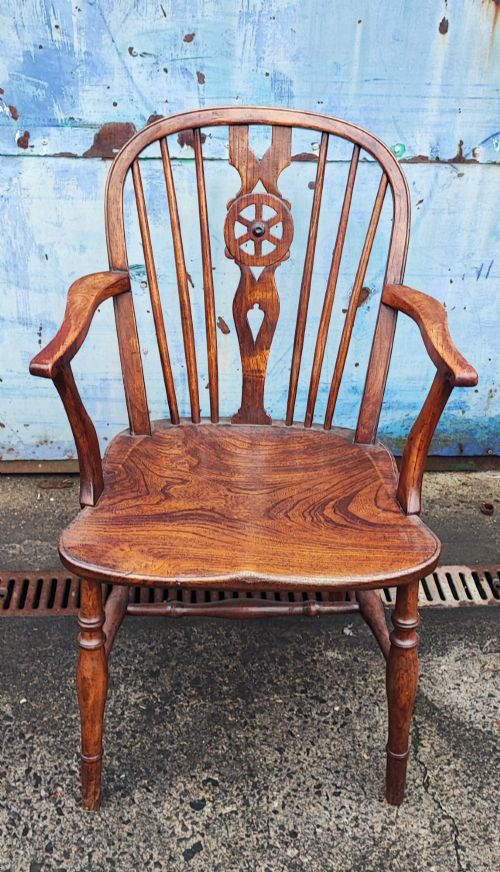
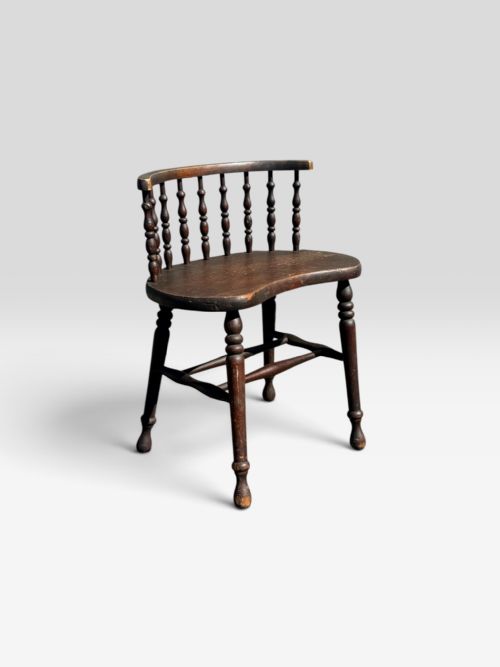
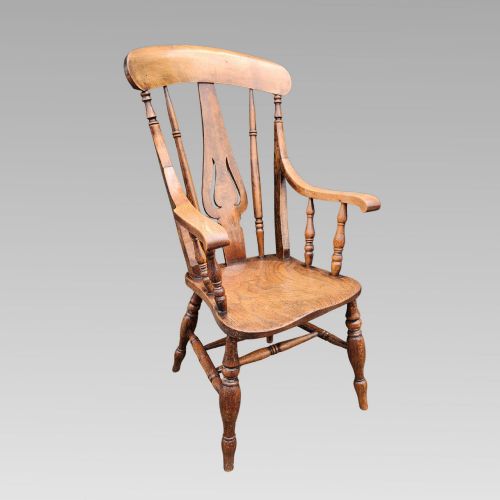
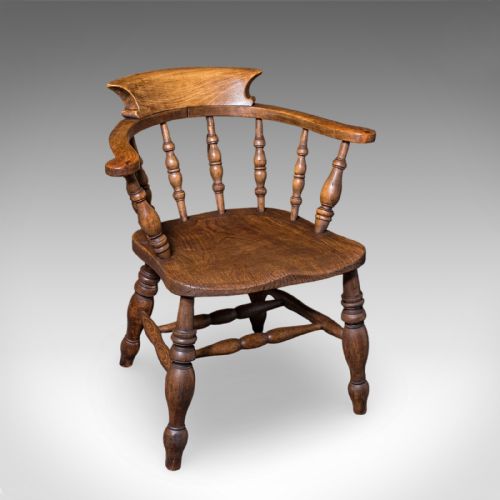
A wooden windsor arm chair brings together traditional seating from the Georgian, Victorian, and Edwardian eras, spanning regional variations across the English countryside. Buyers examining this selection encounter low stick backs, high backs, and robust broad arm formats designed for daily utility in farmhouses and country houses.
Regional diversity remains central to these pieces, with examples originating from the Thames Valley, Wales, Yorkshire, and the West Country. Forms range from simple spindle and lyre back farmhouse chairs to primitive comb back stick chairs and specialised rocking variations.
Materials and construction
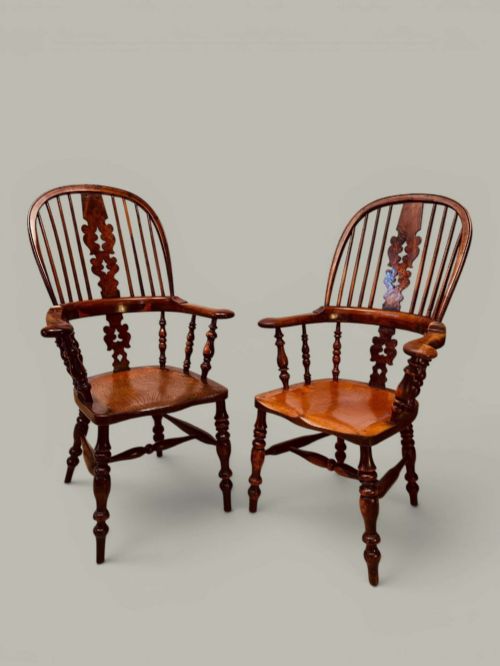
Construction relies on a traditional mix of timbers, pairing sculpted solid elm seats with ash or beech spindles and legs. Cabinetmakers utilised yew wood for finer high back and broad arm examples, occasionally incorporating fruitwood and mahogany to achieve varied grain patterns.
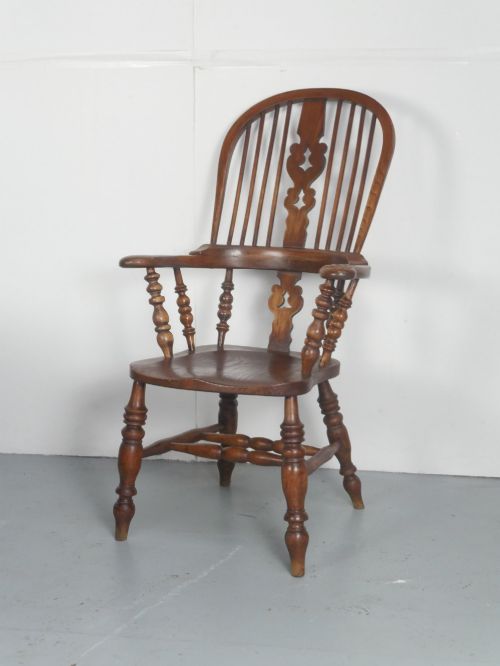
The defining structural method involves saddle-seated plank construction where legs and back stems are wedged directly into bored holes. Makers reinforced these joints through steam bending for bowbacks and comb backs, creating resilient frames without complex joinery.
Wooden Windsor Arm Chair Retail Price Guide 2026
Typical asking prices for wooden windsor arm chair among the pieces listed under this phrase on Sellingantiques today, from the lower quarter to the upper quarter. They describe what is for sale here now, not the wider market.
Listings feature elm, ash, yew, beech, and oak across Georgian, Victorian, and Edwardian periods.
Gradations of quality
Excellence in a wooden windsor arm chair rests upon the selection of timber and the depth of the seat carving. Deeper saddle seats sculpted from thick elm display superior hand-craftsmanship compared to shallow flat boards.
Proportion and wood figure dictate the higher tier of these chairs, particularly in yew wood specimens where richly figured grain elevates the piece. The harmony between turned undercarriages and steam-bent bows separates standard utilitarian seating from masterworks.
The Wooden Windsor Arm Chair Glossary
- Broad arm
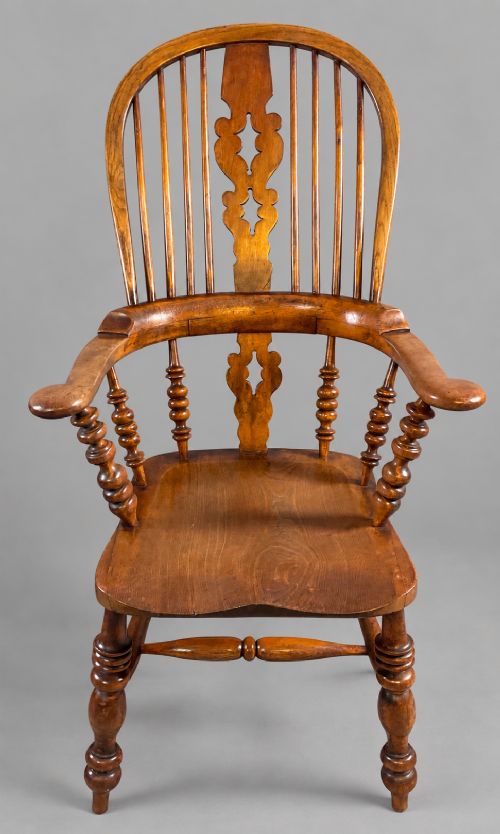
- A chair featuring an expanded, flat wooden armrest designed for writing or resting. This wider projection requires robust supporting spindles beneath.
- Comb back
- A chair back featuring an upper headrest rail supported by vertical sticks that resemble the teeth of a comb. This style often dates to earlier Georgian and primitive Welsh origins.
- Bowback
- A continuous bentwood rail forming the back and armrests in a single curved sweep. Steam bending allows the timber to maintain continuous tension.
- Smoker's bow
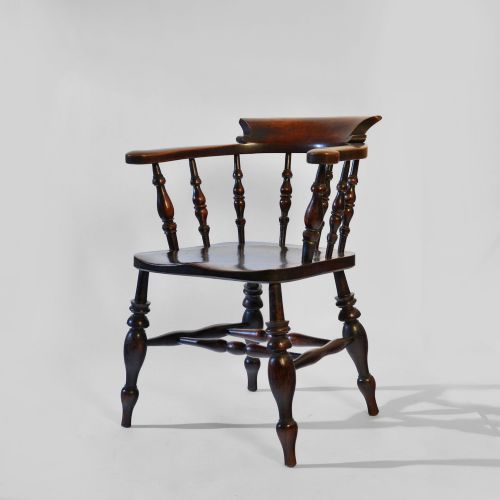
- A low-backed Windsor arm chair with a rounded rail running around the top, historically found in inns and parlours. These usually combine beech frames with elm seats.
- Undercarriage
- The assembly of turned legs and connecting stretchers beneath the seat. Stretcher rings provide vital lateral stability to the leg joints.
Wooden Windsor Arm Chair: Frequently Asked Questions
What defines a wooden windsor arm chair?
A wooden windsor arm chair is built with a solid carved wooden seat into which the legs and back components are tenoned directly. This distinct construction method separates it from framed upholstery.
Such chairs rely on turned spindles and bentwood parts rather than posts and rails, creating a resilient structure rooted in British country furniture traditions.
How do I date an older model?
Dating relies on examining the turning style of the legs, the wood species, and the wear patterns on the seat. Earlier Georgian and 18th-century examples often feature primitive comb backs and dense yew or ash timbers.
Victorian and Edwardian versions typically show standardised spindle turnings and darker finishes. Regional traits also help narrow down the period of manufacture.
Were these used at dining tables?
While many served in kitchens and farmhouse parlours, broad arm and rocking variants were primarily utilised for comfort by the fireside or for reading. Their generous proportions meant they functioned as independent seating.
Smaller hoop back and low stick versions paired more easily with dining tables, while captain's chairs served in studies and offices.
How do I care for the timber finish?
Maintaining the wood involves applying microcrystalline wax to nourish dry elm and ash surfaces without trapping moisture. Avoid placing the chair near direct heat sources that could cause the timber to split.
Gentle dusting with a soft cloth preserves the historic patina accumulated over generations of use.