




Antique Corridor Runner
An antique corridor runner brings depth and history to a long hallway, offering warmth underfoot through centuries-old weaves.
Antique Corridor Runner
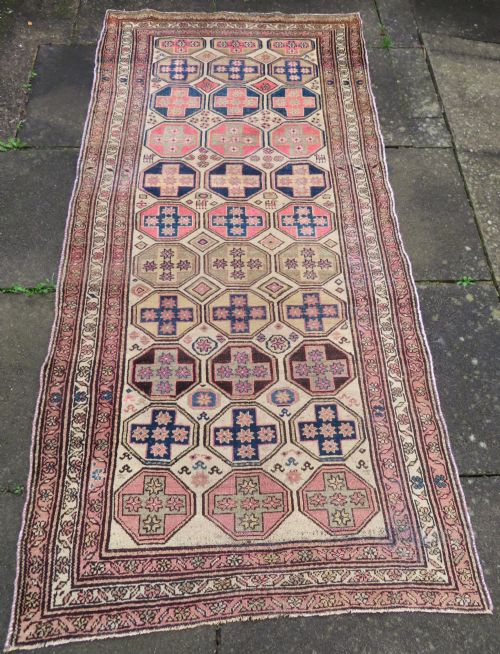
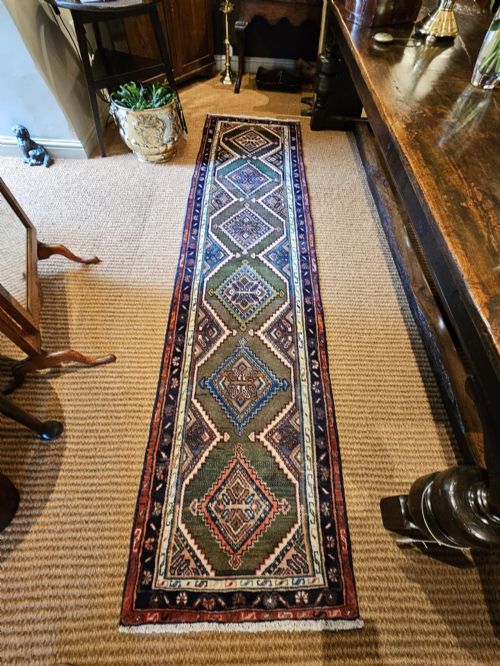
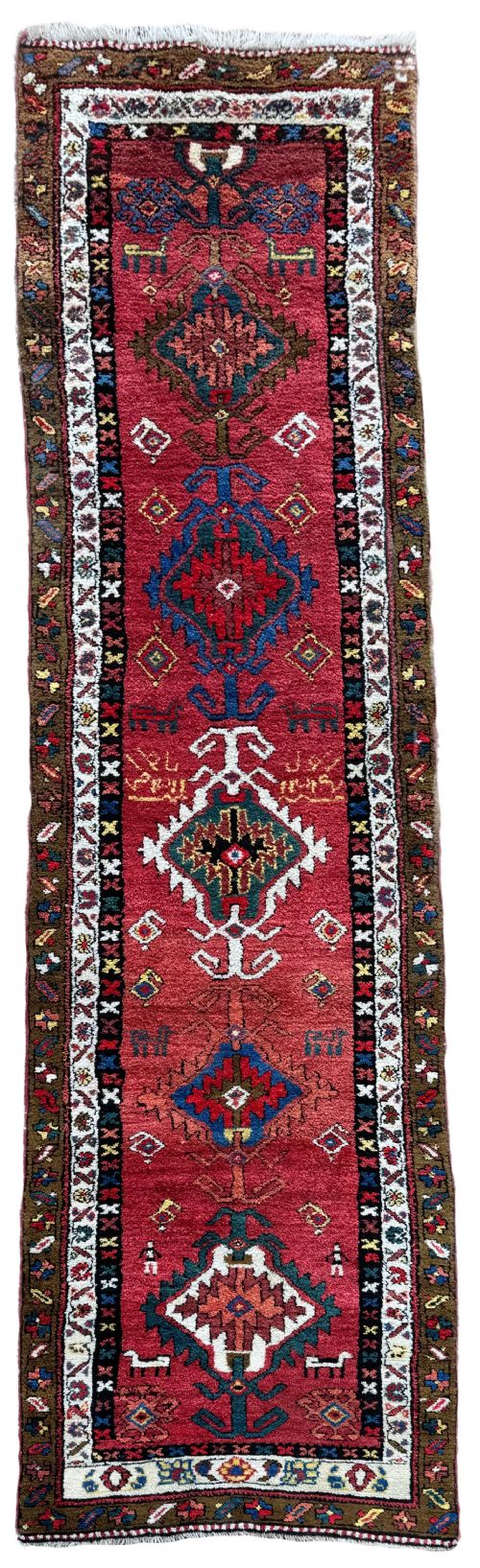
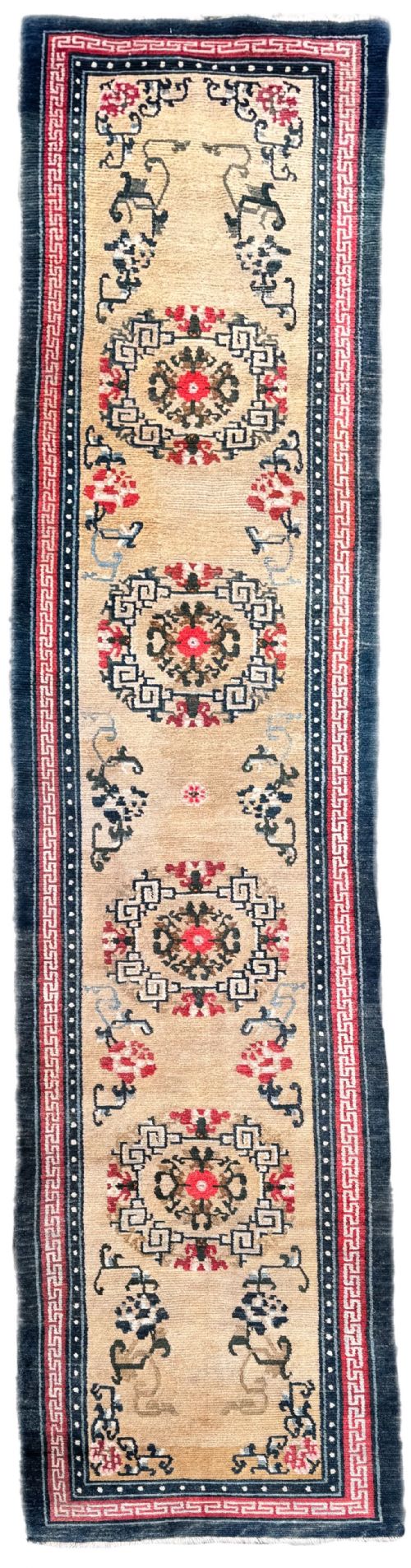
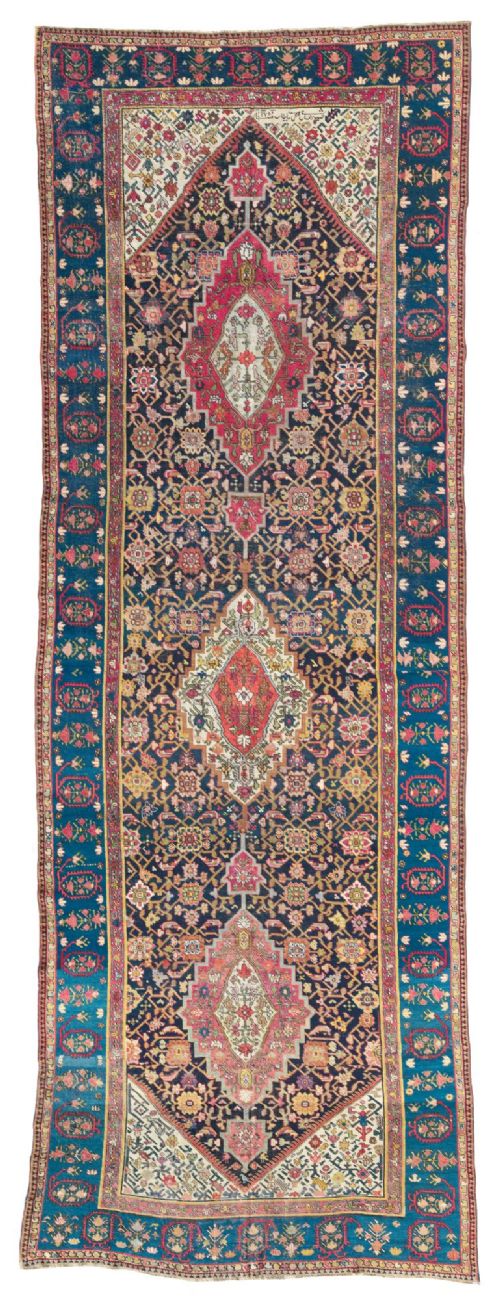
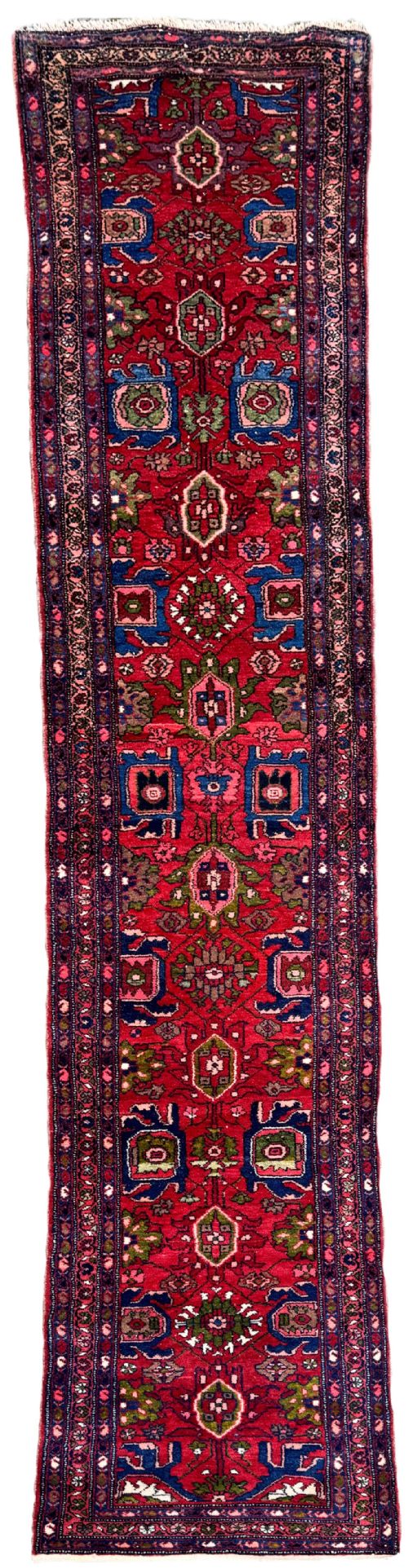
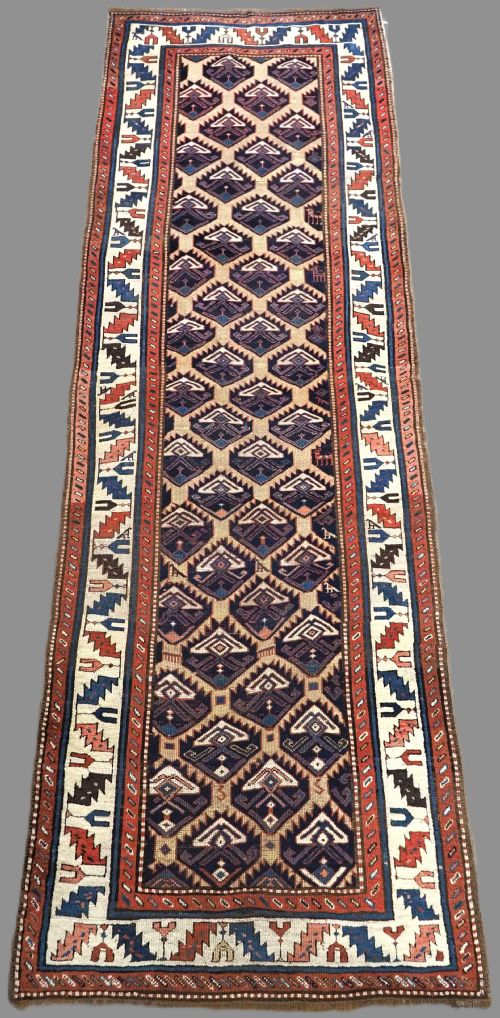
An antique corridor runner serves the specific architectural need for narrow, elongated floor coverings in hallways, landings and long passages. These pieces span production from the nineteenth century into the early twentieth century, originating primarily from Persian, Caucasian, Anatolian and Kurdish weaving traditions. The items appear in various formats, from narrow proportions designed for tight corridors to broader formats that function as long rugs.
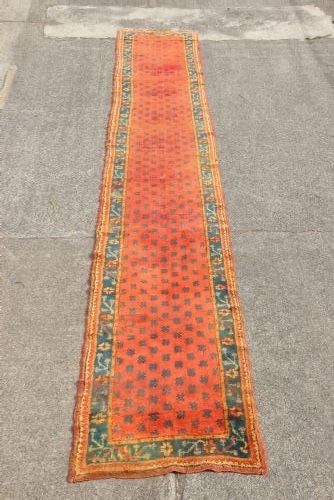
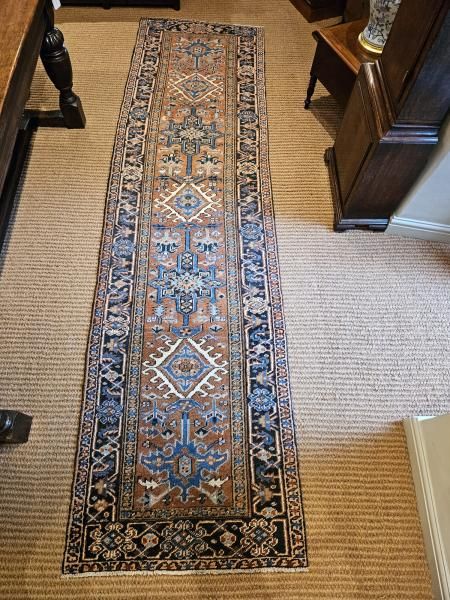
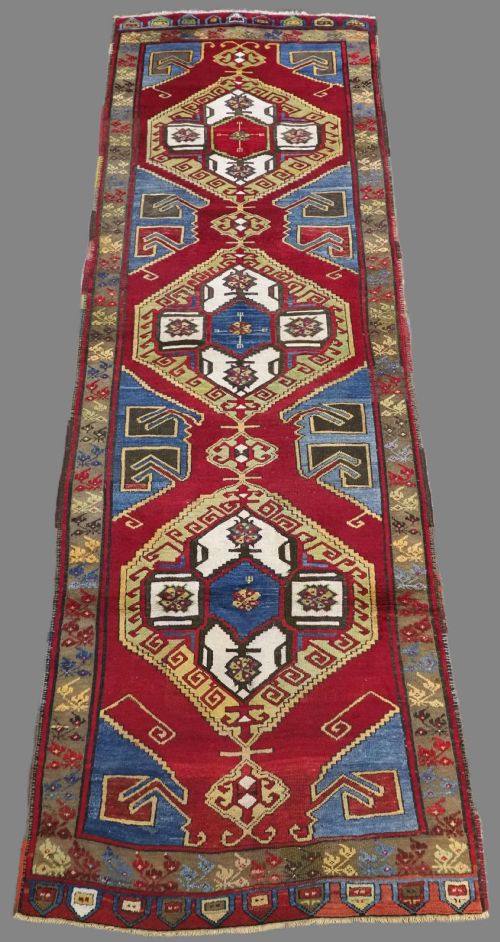
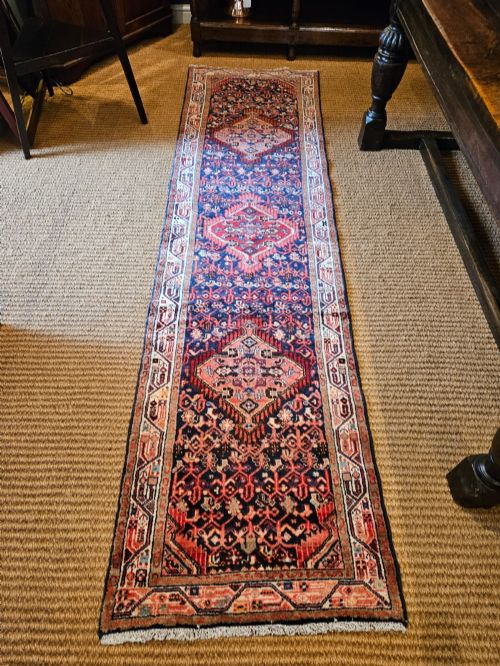
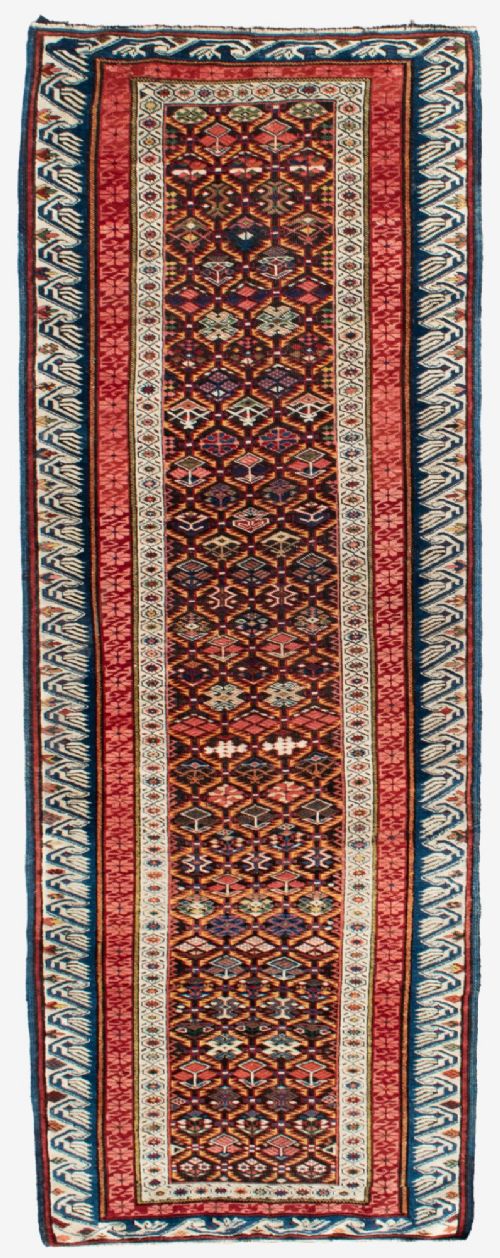
The selections on this page demonstrate the distinct regional designs of tribal and village weavers, encompassing Heriz, Ushak, Kurdish and Caucasian styles. Buyers encounter formats employing geometric medallions, all-over lattice patterns and repeating tribal motifs suited to linear spaces. These textiles bridge utilitarian room organisation and decorative floor art.
Materials and construction
The pieces rely primarily on wool and hand-spun wool for the pile, providing resilience for heavy-traffic areas in historic homes. Foundations commonly utilise cotton or wool structures to support the dense hand-knotting characteristic of these regional traditions. Natural dye sources yield the deep indigo blues, madder reds and earthy olive tones recorded across the inventory.
Weavers constructed these runners on upright vertical looms, utilising asymmetric or symmetric knotting techniques handed down through generations. The resulting textiles exhibit variations in pile density and edge finish depending on whether they originated from a settled village workshop or a nomadic tribal camp.
Some nineteenth-century tribal runners retain charming irregularities in straightness, reminding modern viewers that human hands guided every knot.
Assessing quality in corridor runners
Quality rests on the integrity of the foundation and the consistency of the hand-spun wool used for the pile. Higher-grade examples display greater knot density and precise execution of intricate geometric or floral motifs along the narrow format. The handling of natural dyes creates subtle abrash, where tonal shifts within a single colour band indicate the use of separate dye batches.
Structural preservation separates superior examples from heavily compromised pieces, though appropriate wear reflects the functional history of a hallway carpet. The crispness of drawing in tribal designs and the stability of the selvedges indicate the original skill level of the weaver. Balance in proportion across extended lengths remains a primary indicator of fine manufacture.
The Antique Corridor Runner Glossary
- Abrash
- Natural tonal variation within a single colour field, caused by differences in dye batches or hand-spun wool lots. This characteristic adds depth to the surface of older woven textiles.
- Kelleh
- A long, rectangular carpet format traditionally narrower than a standard room-size rug but wider than a typical runner. These pieces often served specific positioning requirements in reception rooms or long halls.
- Selvedge
- The finished side cords of a rug, formed by wrapping the weft threads to prevent the edges from fraying. Original intact selvedges indicate careful preservation.
- Pile
- The upright yarn surface of a rug formed by the cut ends of knots. The height and density of this layer determine the weight and durability of the textile.
- Mina Khani
- A traditional repeating geometric or floral pattern composed of daisy-like blossoms linked by curved vines. This design frequently appears across Kurdish and Persian village weaving traditions.
Antique Corridor Runner: Frequently Asked Questions
Where should I place a corridor runner?
These long formats suit high-traffic hallways, narrow landings and corridors where floorboards require protection and warmth. Their elongated proportions guide the eye through transitional spaces in a home.
Positioning furniture slightly off the edges allows the full length of the design to remain visible. They function effectively on both wooden flooring and fitted underlays.
How do I clean an antique runner?
Routine maintenance involves gentle vacuuming without a rotating brush bar to protect the hand-spun wool pile and older foundation threads. Professional specialist cleaning remains necessary for deeper maintenance to preserve natural dyes.
Avoiding excessive moisture and direct sunlight prevents fibre degradation and colour fading over decades of domestic use.
How do I identify the origin of a runner?
Regional attribution relies on examining specific motifs, border arrangements, knotting structures and colour palettes characteristic of areas like Heriz, Ushak or the Caucasus. Tribal pieces often feature spontaneous geometric devices and boteh motifs.
Village productions tend towards structured medallions and repeating lattices executed within specific ethnic weaving communities.
Do these runners handle heavy foot traffic?
The dense construction of hand-spun wool pile over sturdy foundations provides natural resilience suited to domestic corridors. Historic runners survived decades of heavy use precisely because wool fibres offer high tensile strength.
Utilising a quality underlay beneath the textile absorbs impact and prevents sliding during daily passage.