

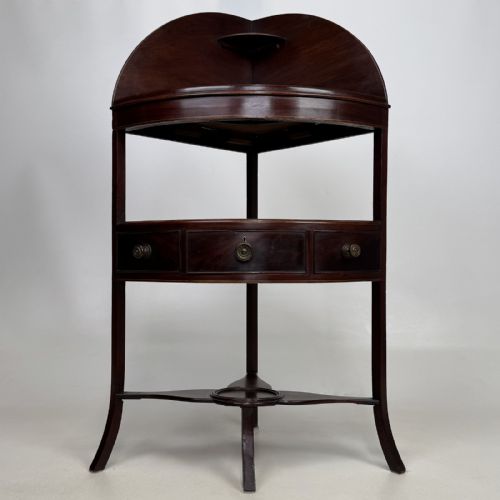
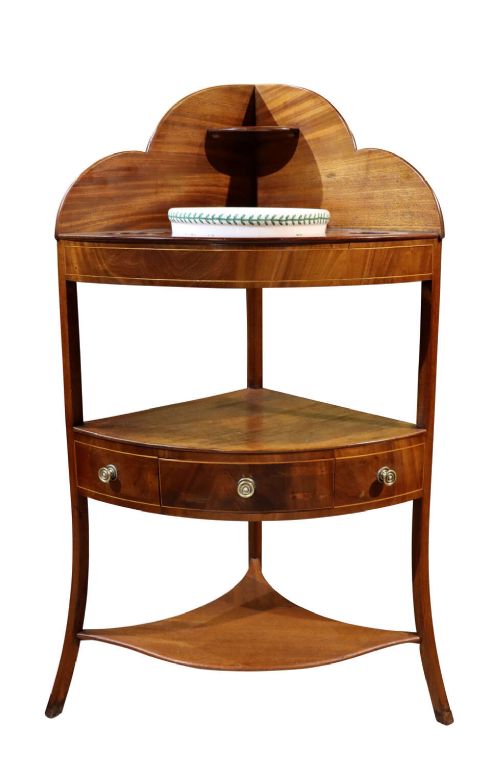
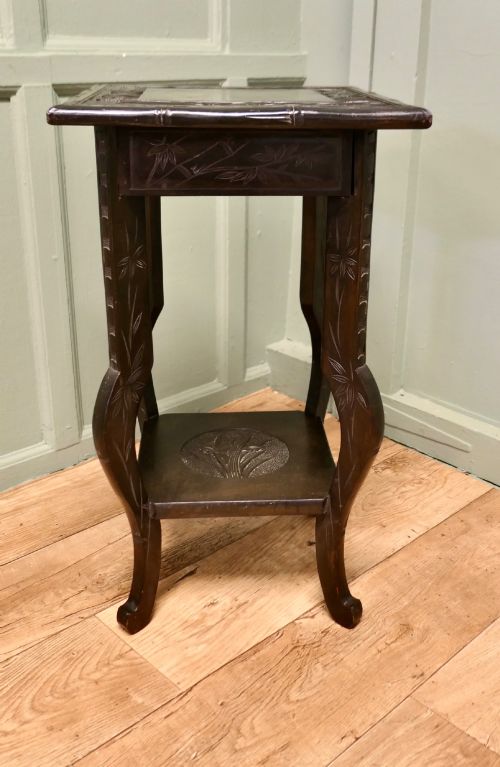
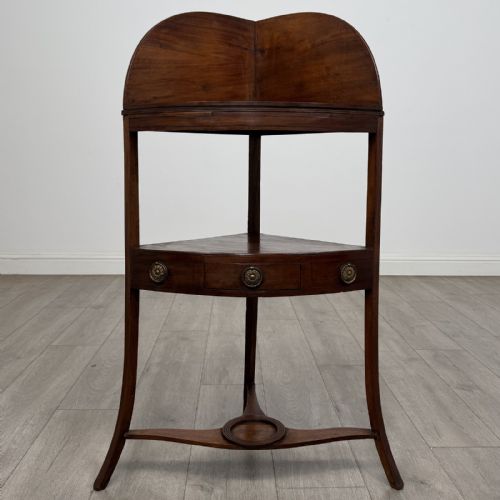

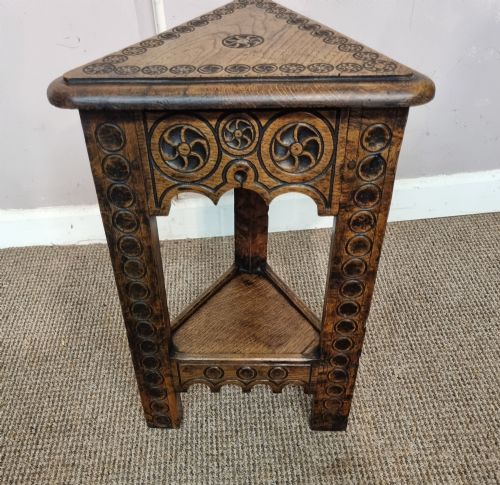
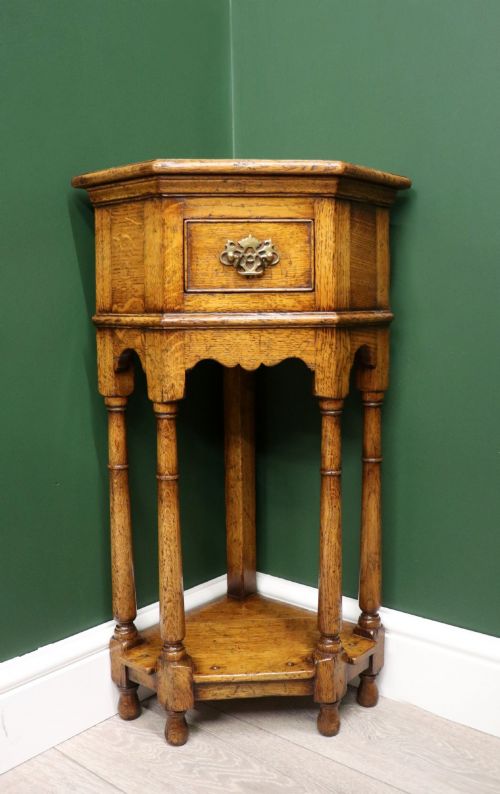

Antique Corner Plant Stand
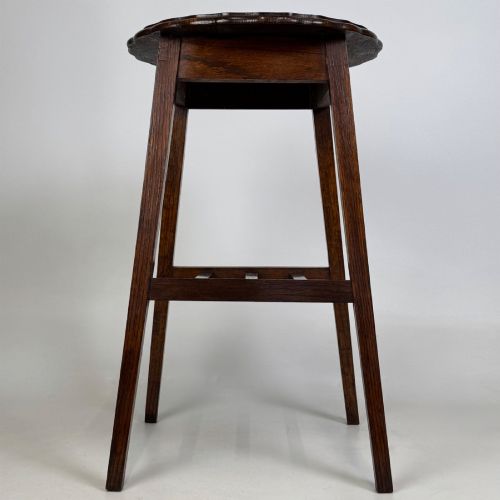
An antique corner plant stand fits neatly into unused domestic angles to display foliage and small objects.
Antique Corner Plant Stand
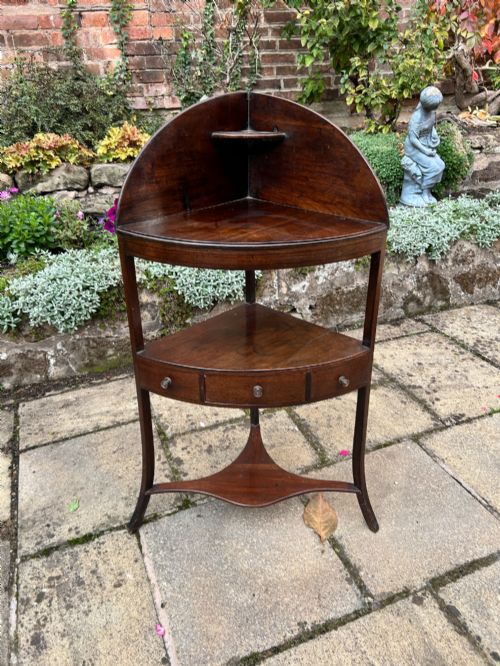
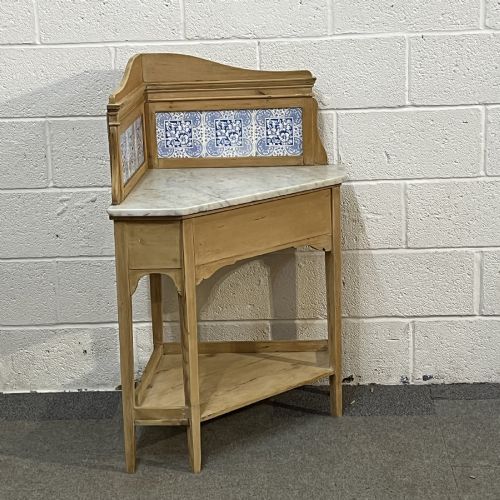
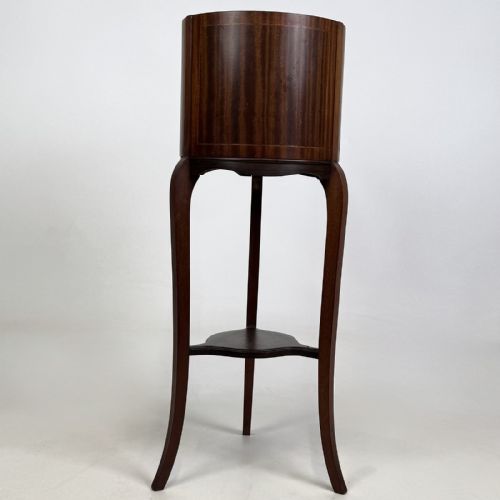
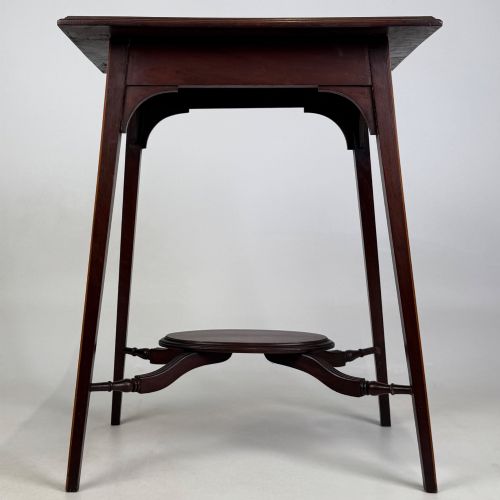
An antique corner plant stand serves to elevate greenery and decorative items within the angles of a room, making use of awkward spatial junctions. The items seen in this category often span various historical periods including the Georgian era, the Victorian period, and the Edwardian years.
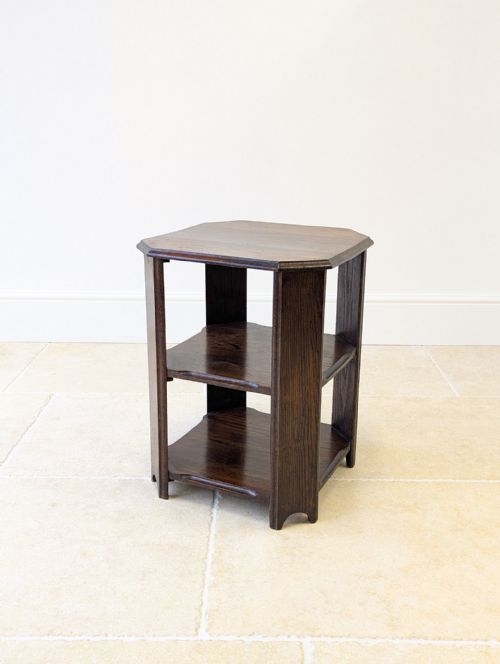
Buyers frequently encounter tiered forms, triangular designs, and bow front shapes adapted to fit corners. Many pieces share structural traits with corner washstands, wig stands, and small occasional tables from the nineteenth and early twentieth centuries.
How they were made
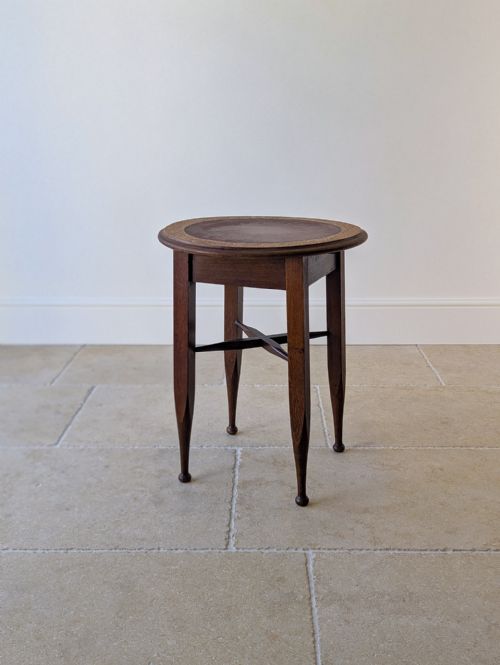
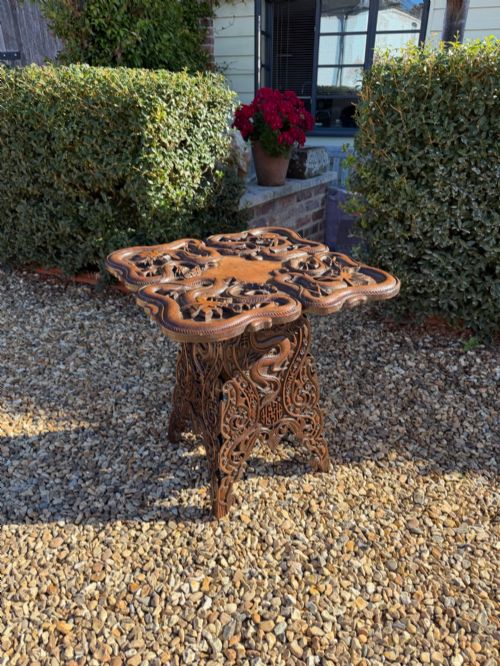
Cabinet makers utilised solid timbers like mahogany, oak, walnut, and satinwood, frequently employing turned legs, carved details, and inlaid veneers. Ebonised wood and bamboo also appear across nineteenth-century examples.
Metal elements emerge in wrought iron and brass constructions, including painted pot stands and riveted slatted iron frames. Artisans combined joinery and metalworking techniques suited to the specific demands of load-bearing plant furniture.
Antique Corner Plant Stand Retail Price Guide 2026
Typical asking prices for corner plant stand among the pieces listed under this phrase on Sellingantiques today, from the lower quarter to the upper quarter. They describe what is for sale here now, not the wider market.
Historical periods represented span from the eighteenth-century George III era through to Edwardian and Art Nouveau designs.
What varies in quality
The refinement of timber selection and the precision of joinery separate standard examples from finer works. Superior items display careful grain matching, crisp carving, and robust structural framing capable of supporting heavy pots.
Design sophistication also dictates the grade of a piece, with harmonious proportions, balanced tier spacing, and subtle decorative inlay marking out superior production standards.
Liberty of London·Liberty & Co.
The Antique Corner Plant Stand Glossary
- Bow front
- A convex curved cabinet or table front that softens angular room placement. This shaping is common on Georgian washstands adapted for display.
- Tiered
- Having multiple levels or shelves arranged vertically one above another. Such construction maximises display space within a compact footprint.
- Washstand
- A piece of furniture originally designed for personal washing utensils featuring cut-outs in the top surface. These frequently double as plant or lamp tables today.
- Aesthetic Movement
- A late nineteenth-century design style emphasising visual beauty over narrative function. Pieces often incorporate bamboo or ebonised wood.
- Arts & Crafts
- A movement focused on traditional craftsmanship and honest construction using visible timber joints. Items from this tradition display straightforward utility.
Antique Corner Plant Stand: Frequently Asked Questions
What were corner plant stands used for?
These stands held heavy ceramic pots, trailing greenery, and decorative basins in domestic rooms.
Over time, many washstands and wig stands found a second life holding lamps and trailing flora in household corners.
How do I spot a Georgian stand?
Georgian pieces typically feature solid mahogany construction, tripod or multi-legged supports, and circular cut-outs intended for basins.
Cabinet makers of the eighteenth century focused on sturdy triangular frames designed to fit snugly into ninety-degree wall angles.
Are iron stands stable for plants?
Wrought iron and riveted slatted iron stands offer robust support for heavy, damp ceramic pots.
Metal constructions withstand moisture from watering far better than unprotected softwood alternatives.
How do I fit one into a room?
Position your stand in an empty room angle to draw the eye upward and utilise dead space.
Tiered examples allow you to arrange trailing plants and smaller decorative objects across multiple vertical levels.