

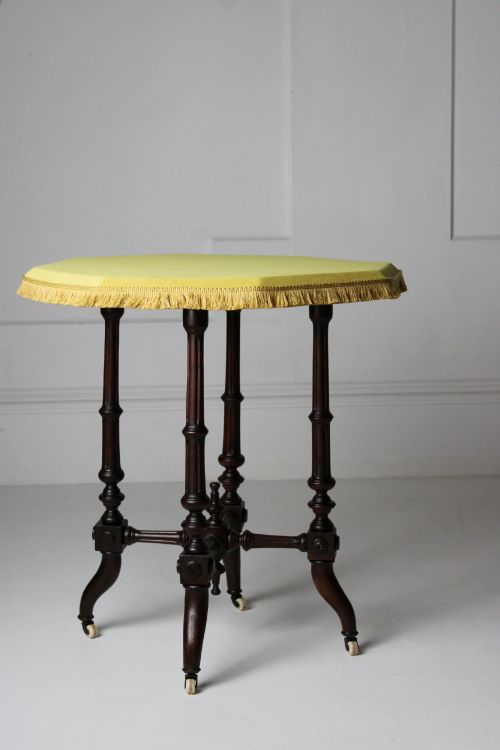
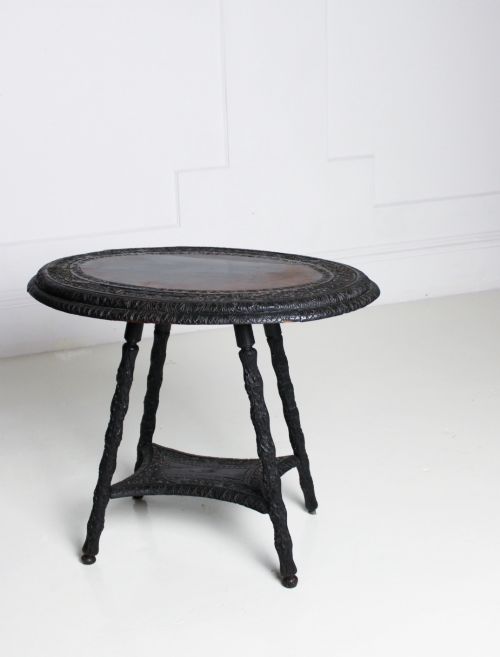
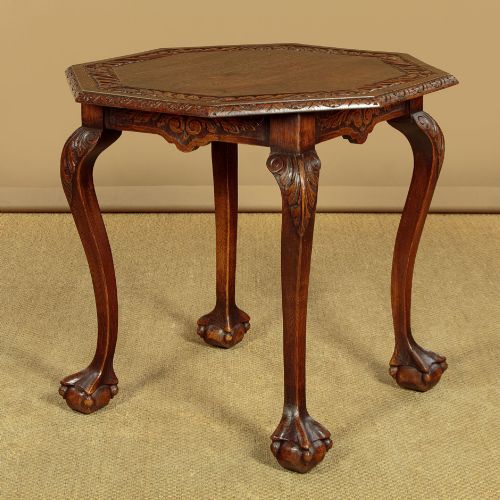

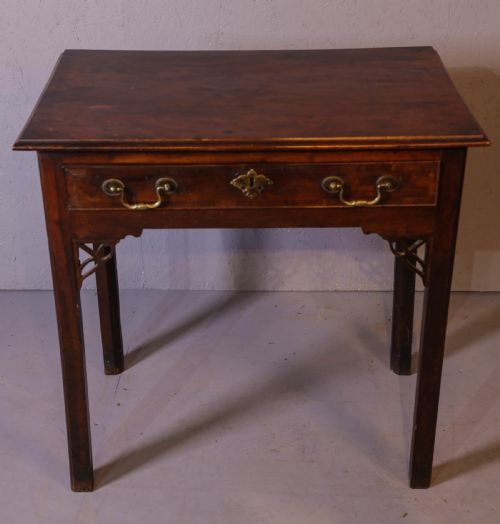
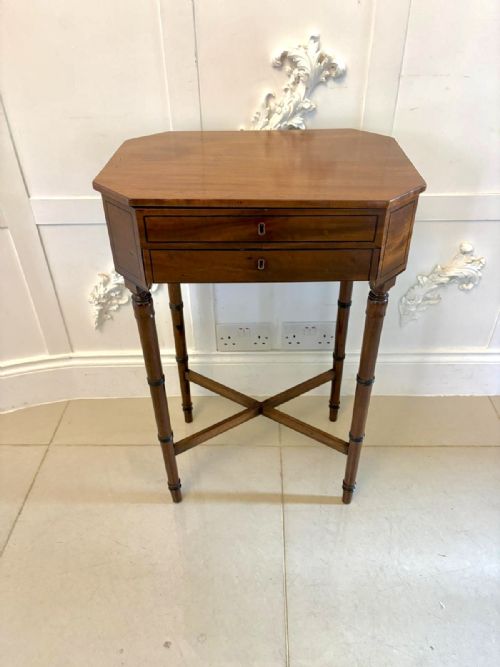

Antique Corner Accent Table
An antique corner accent table fits neatly into neglected spaces while bringing timber character and period craftsmanship into a room.
Antique Corner Accent Table
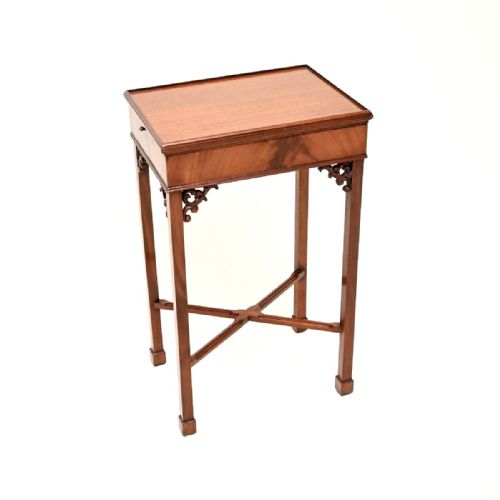
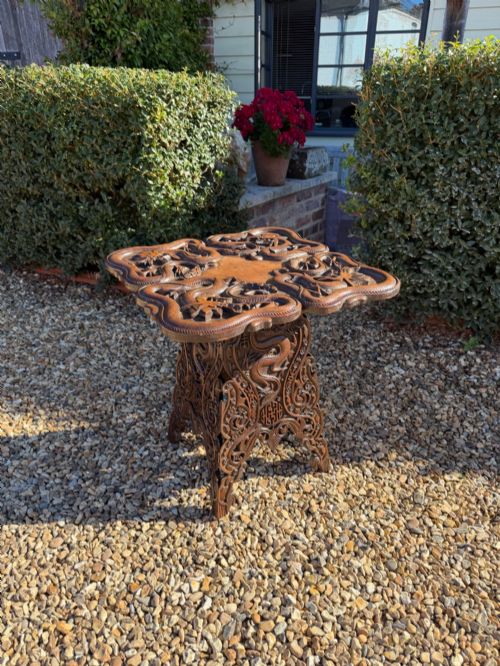
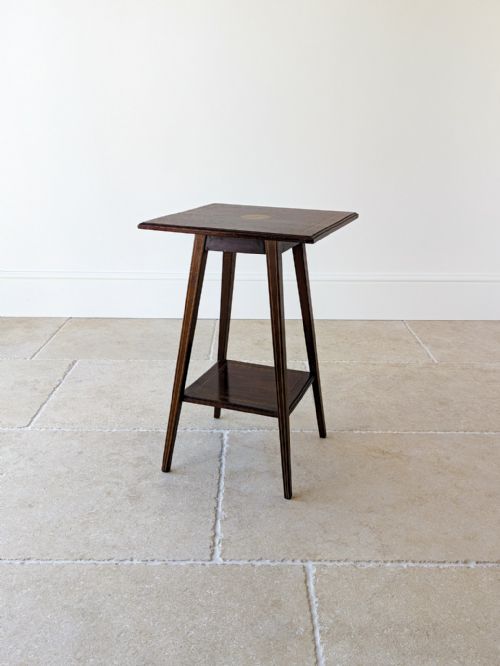
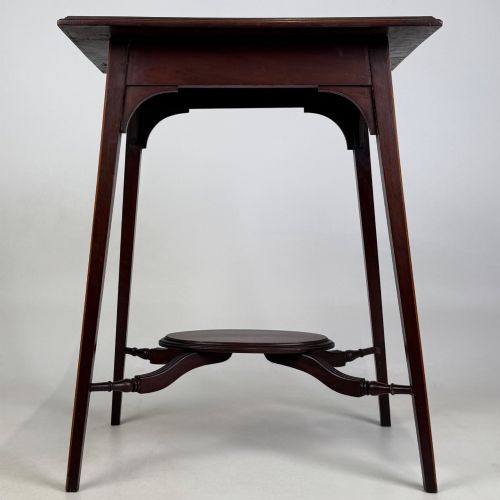
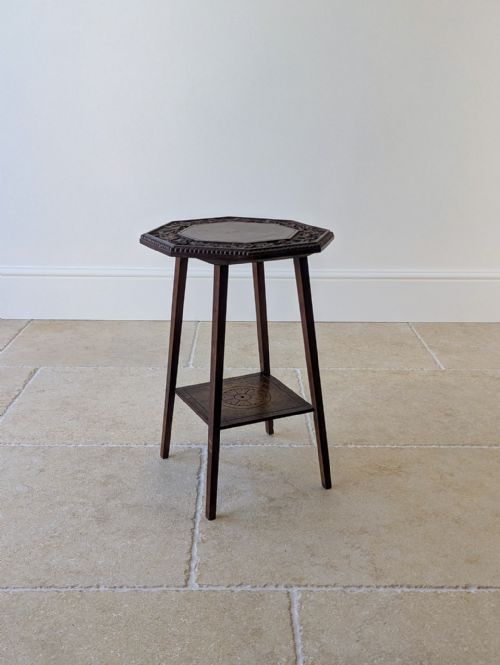
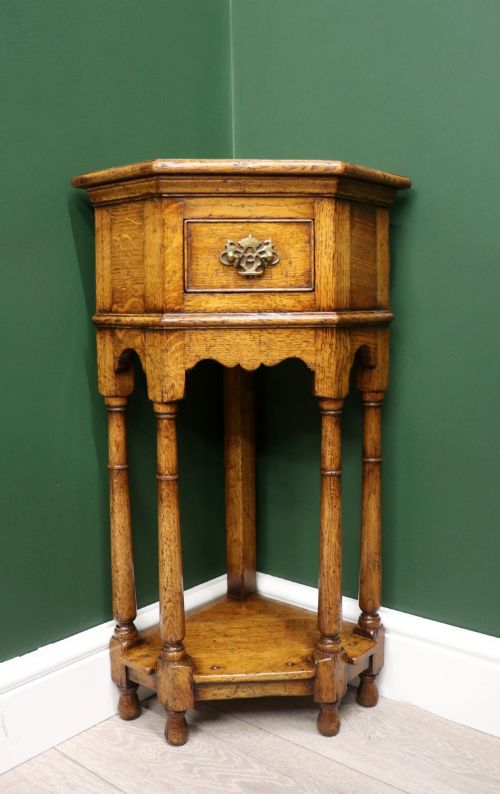
An antique corner accent table is designed to utilise awkward angles and unused junctions within a room, most frequently appearing in mahogany, oak, and walnut across periods spanning the Georgian era through to the Edwardian decades.
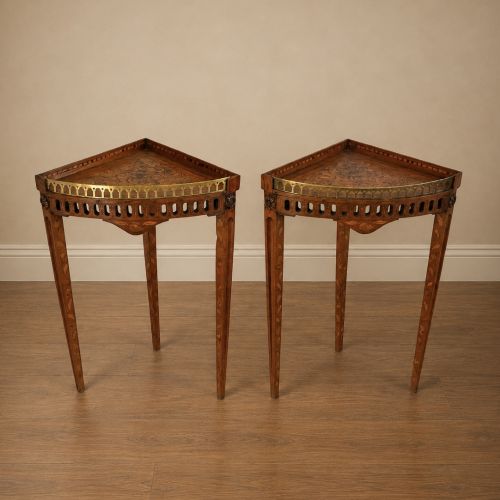
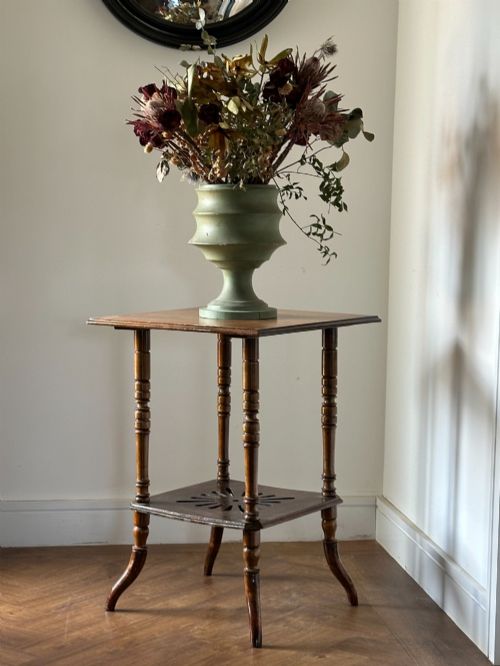
The selections on this page encompass varied occasional forms, including drop leaf lamp tables, folding corner tables with brass galleries, and tiered plant stands.
Buyers will most commonly encounter Edwardian and Victorian iterations, alongside earlier Georgian examples featuring inlaid marquetry or carved tripod legs.
How they were made
Cabinetmakers utilised dense timbers such as mahogany, walnut, oak, and rosewood, often enriching surfaces with boxwood inlay, satinwood banding, or intricate bone details.
Structural elements rely on traditional joinery, complemented by turned legs, barley twist supports, and occasional brass galleries or marble tops.
What varies in quality
The distinction between standard production and superior craftsmanship lies in the selection of timber figures, such as burr yew or rich mahogany grain, and the precision of inlaid marquetry work.
Liberty & Co.·E.W Godwin
The Antique Corner Accent Table Glossary
- Marquetry
- Decorative patterns created by fitting thin slices of wood and other materials into a veneered surface. This technique allows for elaborate floral or geometric designs across table tops.
- Gallery
- A raised ornamental border, often pierced brass or turned wood, running along the edge of a table top. It prevents items from sliding off the surface.
- Tripod table
- A small occasional table supported by a central pillar above three spreading legs. This form gained immense popularity during the Georgian period.
- Whatnot
- An open set of multi-tiered shelves designed for displaying ornaments or holding books. These pieces make efficient use of vertical space in corner arrangements.
- Drop leaf
- A table top designed with hinged flaps that fold down when not in use. This mechanism allows the furniture to adapt to tighter interior layouts.
Antique Corner Accent Table: Frequently Asked Questions
How do I use a corner accent table?
These tables slide into neglected room angles to hold lamps, plants, or decorative objects without crowding primary walkways.
They serve equally well beside seating or as standalone display surfaces in hallways.
What woods were used for these?
Cabinetmakers primarily employed mahogany, oak, and walnut, while finer pieces incorporate satinwood, rosewood, yew, and boxwood.
Contrasting veneers and marquetry inlay frequently add decorative contrast to the primary timber.
Are these tables sturdy enough for daily use?
Traditional joinery and dense hardwoods provide substantial structural integrity for everyday placement.
Care should be taken with folding mechanisms, drop leaves, and delicate brass galleries during repositioning.