

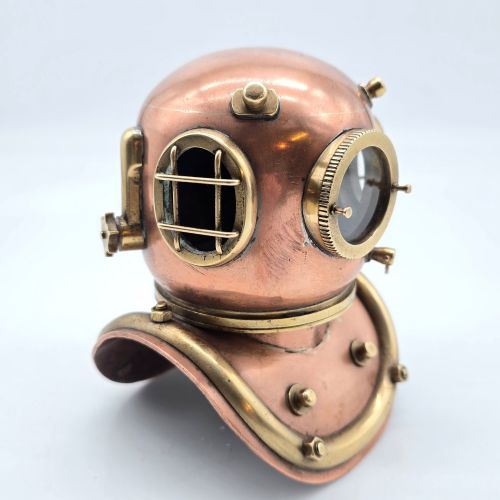
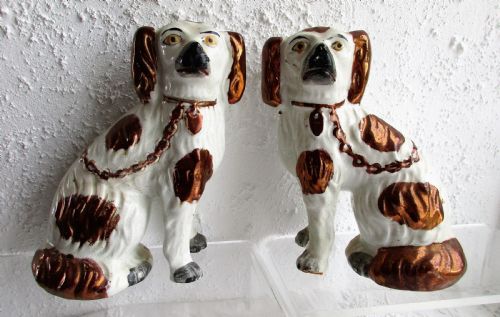


Antique Copper Ornament
These antique copper ornament pieces span utilitarian animal forms to decorative architectural finials, bringing rich metallic warmth and distinct historical character to interiors.
Antique Copper Ornament
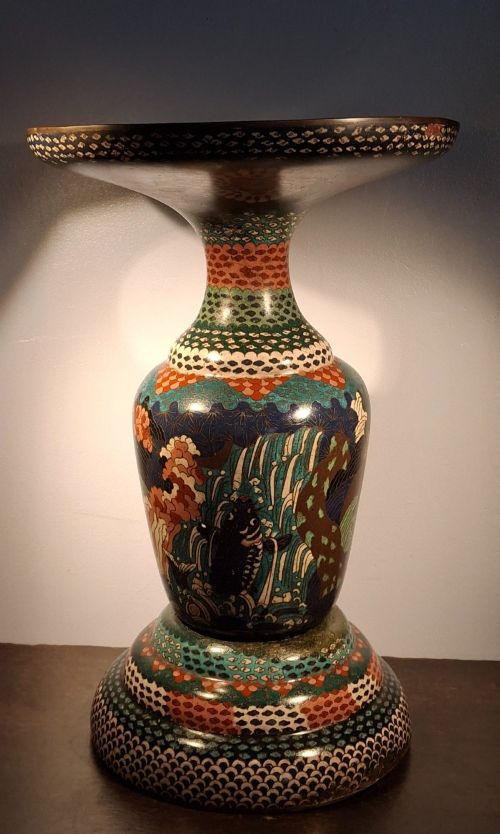
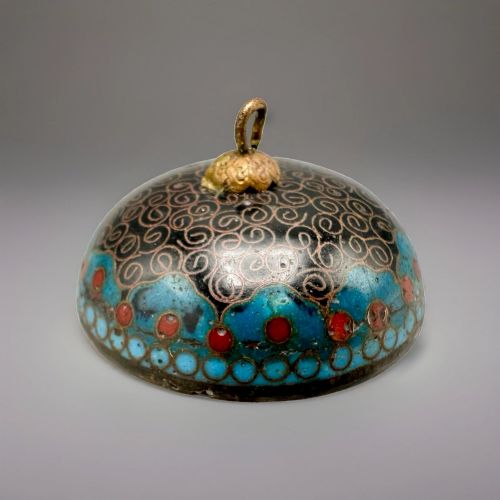
When you search for an antique copper ornament, you encounter a diverse gathering of metalwork, ceramics with metallic finishes, and sculptural objects. The selection ranges from architectural weather vanes and fireside accessories to animal sculptures and decorative vessels.
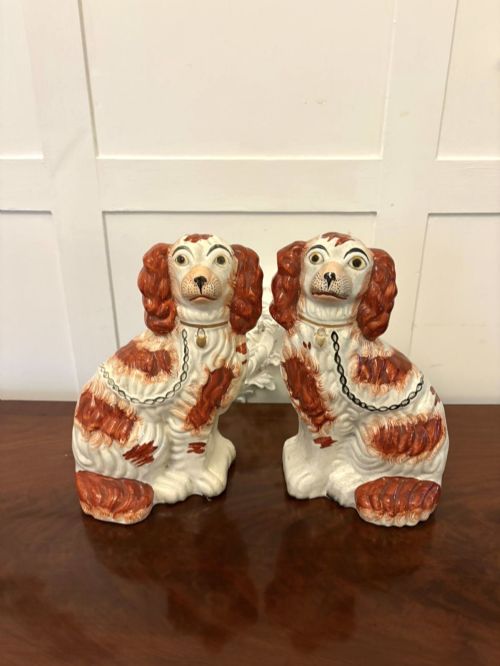
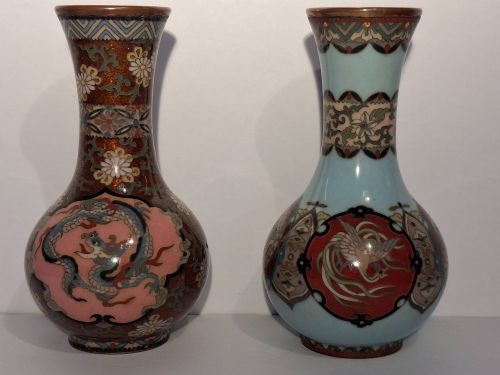
Victorian and early twentieth-century examples dominate the offerings, showing distinct influences from English folk art, Japanese Meiji design, and French decorative traditions. Figurative subjects, particularly cockerels, dogs, and lions, appear frequently alongside nautical and utilitarian forms.
How they were made
The construction relies heavily on hammered or sheet copper, often combined with brass, iron, or mixed metals for structural stability and visual contrast. Weather vanes and architectural finials utilise sheet metal shaped by hand, while sculptural pieces employ casting techniques.
Certain ornamental ceramics achieve their metallic appearance through specialised copper lustre glazes applied to earthenware bodies. Enamel work and hand-painted details further enhance selected decorative figures and vessels from the period.
Antique Copper Ornament Retail Price Guide 2026
Typical asking prices for copper ornament among the pieces listed under this phrase on Sellingantiques today, from the lower quarter to the upper quarter. They describe what is for sale here now, not the wider market.
One curious offering preserves a glimpse of domestic sentiment: a coppered baby shoe turned into a fireside trinket around nineteen hundred.
What varies in quality
The distinction between ordinary and superior items lies in the crispness of the hand-shaping and the depth of the metal patina. Pieces with clean rivet work, deliberate tool marks, and well-preserved surface textures demonstrate superior craftsmanship.
The Antique Copper Ornament Glossary
- Copper lustre
- A ceramic glaze technique incorporating copper to produce an iridescent, metallic sheen upon an earthenware body. This finish was widely used on nineteenth-century decorative pottery and figurines.
- Weather vane
- An architectural device mounted on roofs to show the direction of the wind, typically featuring a silhouette figure made of sheet copper. Early examples often depict cockerels or maritime subjects.
- Finial
- A decorative element used to emphasise the apex of a dome, gable, or architectural feature. Metal finials from the nineteenth century often take sculptural or geometric forms.
- Mixed metal
- An artisanal technique combining different metallic alloys, such as copper, brass, and bronze, within a single decorative object. This approach highlights contrasting colours and textures across the piece.
- Folk art
- Utilitarian and decorative objects created by self-trained makers using traditional local techniques. These pieces often prioritise expressive character over strict academic proportions.
Antique Copper Ornament: Frequently Asked Questions
What is an antique copper ornament?
An antique copper ornament is a decorative object fashioned primarily from copper or finished with a copper lustre glaze, dating from the nineteenth or early twentieth century.
These items encompass various forms, including architectural weather vanes, fireside pieces, animal sculptures, and decorative vessels originating from English, French, and Asian workshops.
What is copper lustre pottery?
Copper lustre pottery is a type of ceramic ware treated with a metallic glaze that creates a reflective, iridescent copper finish upon an earthenware or ceramic base.
Pots and decorative animal figurines produced with this technique gained popularity during the Victorian period for their bright, light-catching surface quality.
How do I care for antique copper?
Caring for antique copper involves dusting gently with a soft cloth and avoiding harsh chemical cleaners that strip away historical patination.
Stable indoor humidity levels help preserve both exposed metal surfaces and glazed ceramic bodies from unnecessary deterioration over time.
How do I date a copper ornament?
Dating a copper ornament requires examining the method of construction, tool marks left by the maker, and the style of the base materials used.
Victorian and early twentieth-century pieces often display specific manufacturing techniques, regional design motifs, and natural wear patterns characteristic of their era of production.