
Antique Copper Fireside
Antique copper fireside pieces bring warmth and industrial honesty to a hearth through heavy gauge metal and practical utility.
Antique Copper Fireside
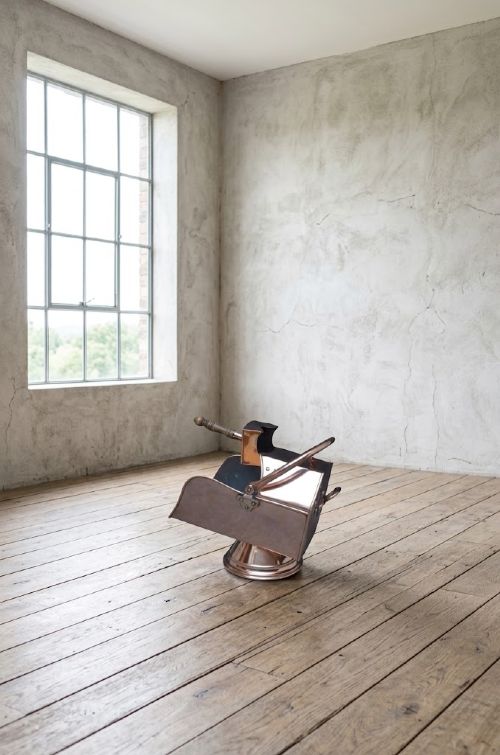
When searching for antique copper fireside pieces, collectors look at heavy vessels designed to store coal, logs, and kindling near a hearth. These functional items range from simple utilitarian buckets to decorative coal scuttles and helmets.
The pieces most commonly met on this page belong to the Victorian era, alongside Georgian examples and later Arts and Crafts or Art Nouveau designs. Form follows function closely, resulting in robust bins, kettles, and scuttles shaped for daily domestic use.
How they were made
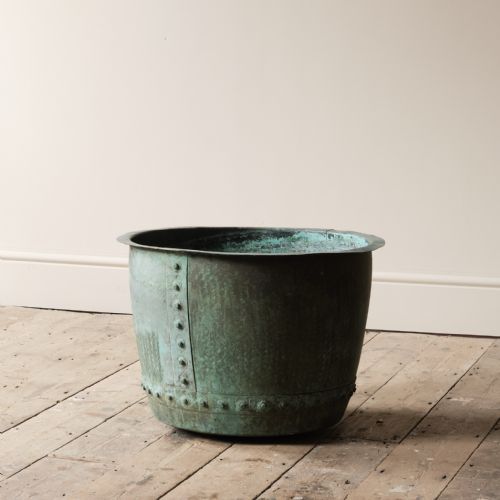
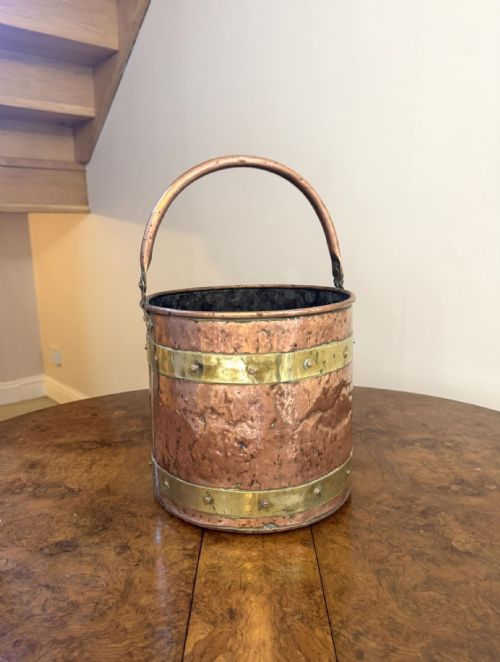
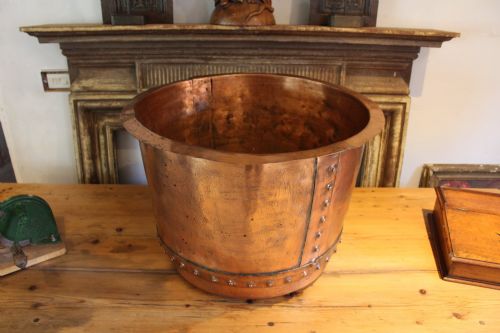
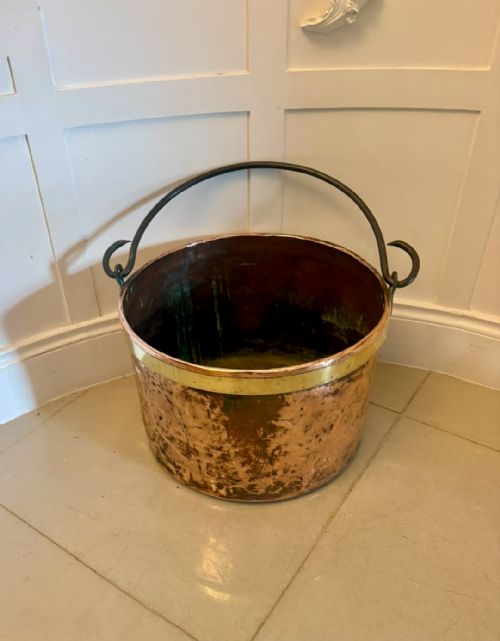
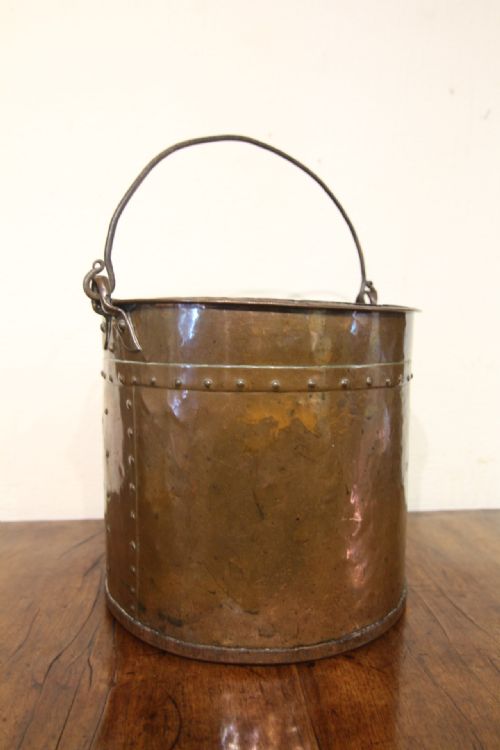
Makers utilised sheet copper beaten or riveted into shape, often combining the warm metal with contrasting brass bands and iron handles for structural strength. Rivets held heavy seams together before modern welding techniques, leaving visible rows of metal fastenings that define the industrial aesthetic.
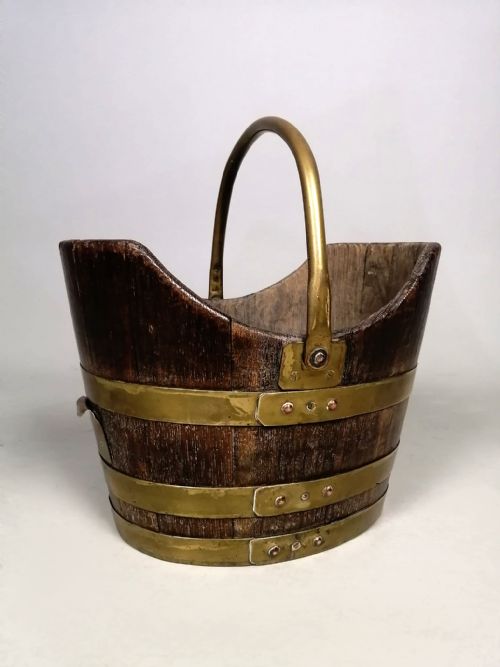
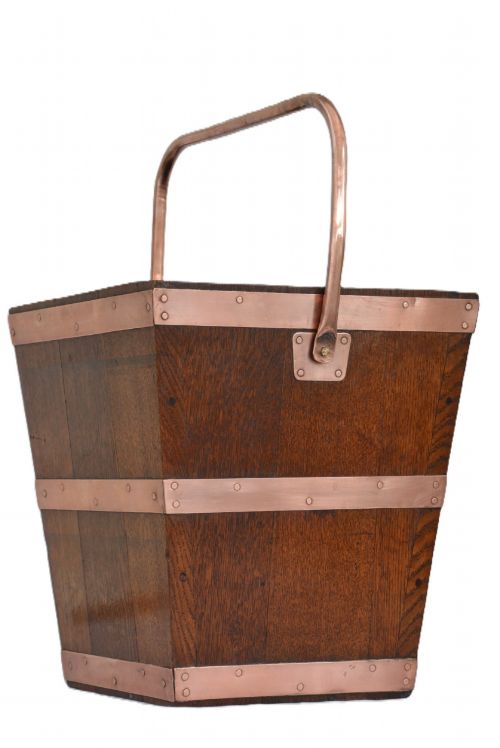
Handles and fittings frequently incorporated wrought iron, cast iron, or sturdy oak, providing a rigid frame to support the weight of heavy coal and timber. Hand finishing on the metal surface gave each vessel subtle tool marks rather than uniform machine perfection.
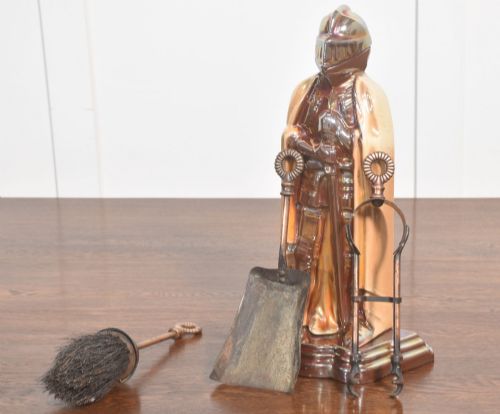
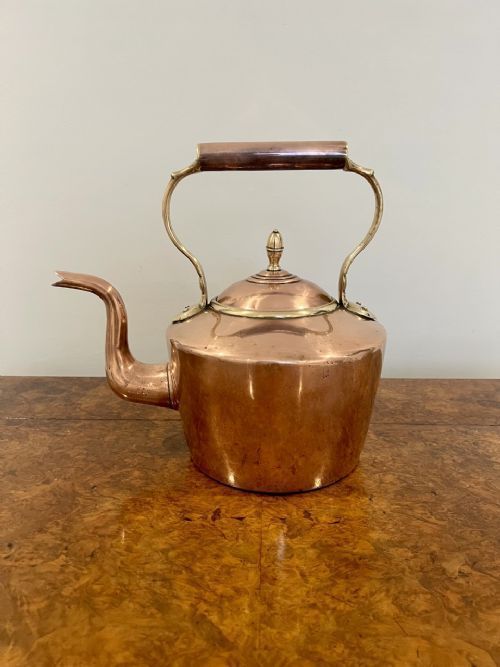
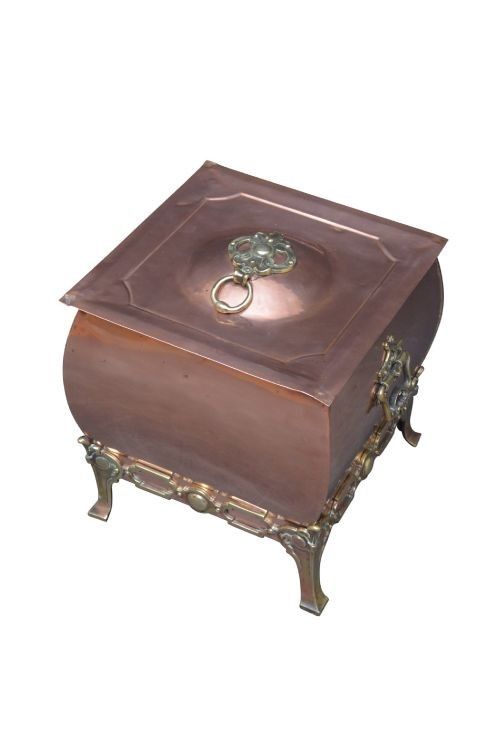
Object forms span helmet scuttles, log bins, kettles, and complete fireside companion sets.
What varies in quality
Quality rests heavily on the thickness of the copper gauge and the integrity of the original construction rather than decorative flourishes. Vessels with heavy riveted seams and robust iron or brass mounts hold their structural form better over generations of use.
Proportion and the preservation of original surfaces also separate standard utility items from finer examples. Pieces retaining their genuine iron frames, paired companion sets, or untouched patination show superior craftsmanship.
Percy Metal Works London
The Antique Copper Fireside Glossary
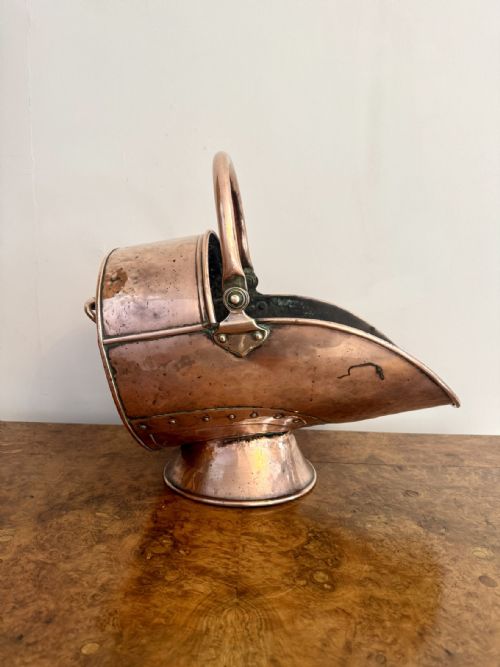
- Helmet coal scuttle
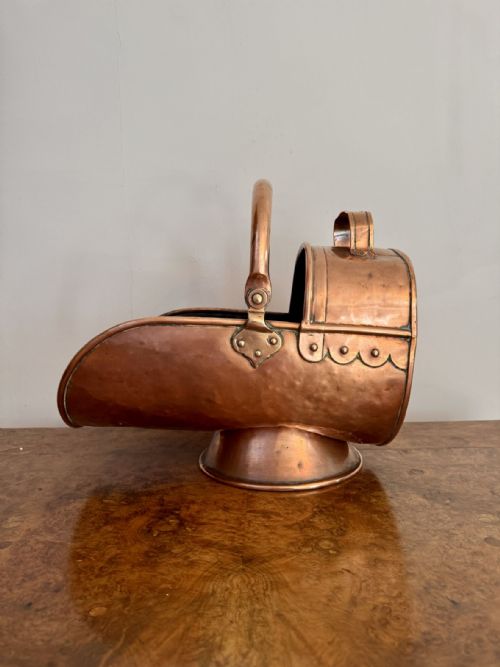
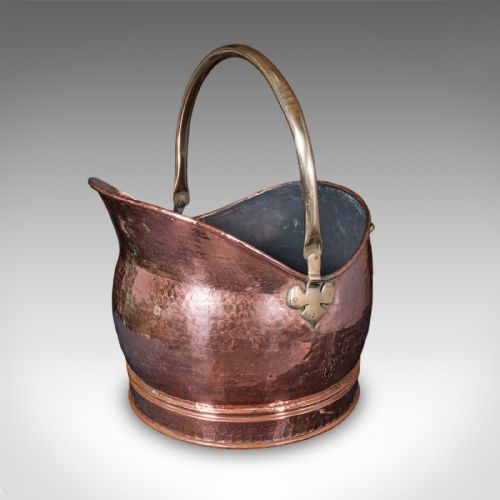
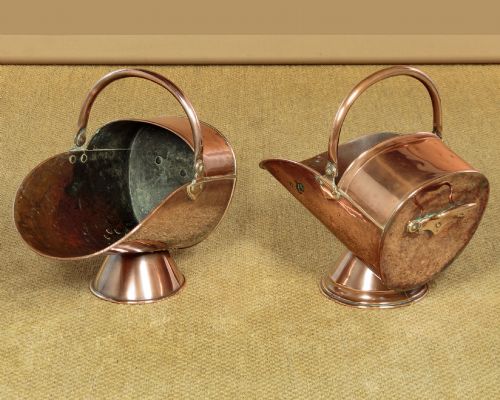
- A traditional coal container featuring a flared, slanted opening reminiscent of a classic helmet shape. This design allowed fuel to be poured directly onto the fire with minimal spillage.
- Coal bin
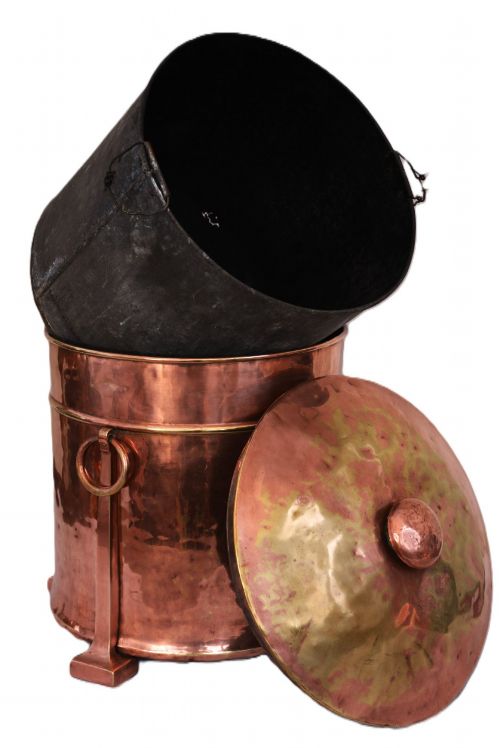
- A large, flat-bottomed container used for storing bulk coal supplies beside the hearth. These often included lids and sturdy side handles for lifting.
- Riveted copper
- Metal sheets joined together with overlapping mechanical fasteners rather than solder. This technique ensures immense durability under heavy loads of logs and coal.
- Fireside companion set
- A collection of functional tools such as pokers, tongs, and shovels housed together near the fireplace. They served the daily maintenance of open coal and wood fires.
- Log bin
- A deep vessel designed specifically to hold dry firewood logs. They frequently appear with brass banding or original iron frames to reinforce the body.
Antique Copper Fireside: Frequently Asked Questions
What were antique copper fireside buckets used for?
These vessels served as practical containers for holding coal, peat, and logs close to the fireplace for daily refuelling. They kept hearth areas tidy while keeping fuel within easy reach of the homeowner.
Over time, many of these utilitarian containers transitioned into decorative interior items, often repurposed as plant pots or umbrella stands once central heating replaced open hearths.
How do I date an antique copper fireside piece?
Dating relies on observing construction methods, handle attachments, and stylistic traits typical of specific periods like the Georgian or Victorian eras. Hand-beated bodies, heavy riveted seams, and wrought iron mounts generally point towards earlier nineteenth-century or eighteenth-century manufacture.
Later Edwardian and Arts and Crafts examples often display softer machine rolling, integrated bracket feet, or stylised Art Nouveau motifs. Matching the vessel shape against documented forms helps narrow down the decade of creation.
Can I still use an antique copper coal scuttle?
Most antique copper vessels remain structurally robust enough to hold logs, kindling, or magazines beside a modern fireplace. The thick gauge copper and riveted joints were built to withstand heavy daily wear.
Care should be taken to check for internal moisture damage or historical repairs before exposing the metal to wet fuel or damp wood. Lining the base protects the historic interior from unnecessary scratching.
How do I clean antique copper safely?
Maintenance requires gentle dusting and occasional cleaning with a mild, non-abrasive metal cleaner specifically formulated for copper. Aggressive polishing strips away the natural patination that accumulates over centuries.
Leaving the dark, warm tones untouched preserves the historical character and depth of the metal surface. Proper preservation avoids harsh chemical dips that can weaken older riveted seams.