

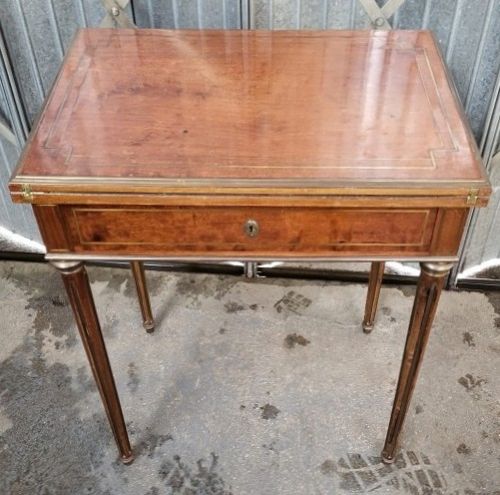


Antique Convertible Table
An antique convertible table transforms from a seat into a surface, offering dual purpose within domestic spaces through clever pivoting mechanisms.
Antique Convertible Table
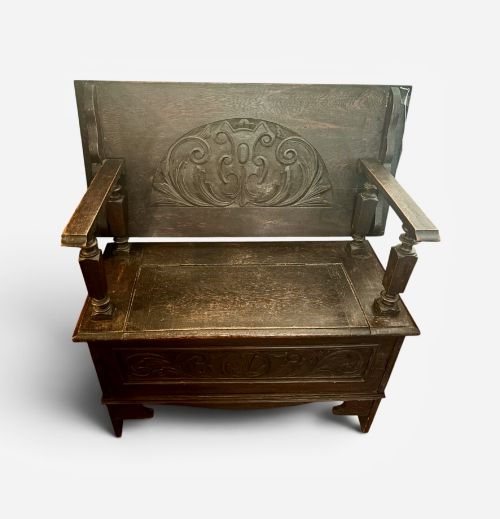
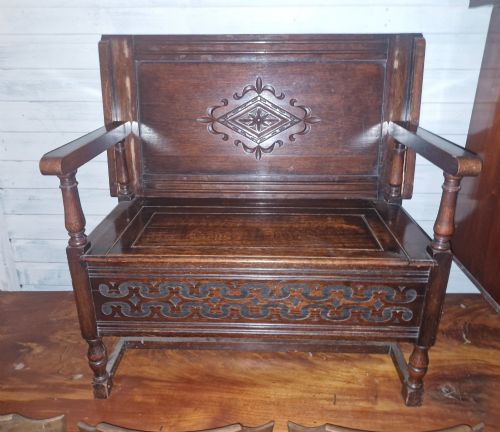
An antique convertible table takes various forms, most commonly appearing as an oak monk's bench where the back tilts over to form a table top. These dual-purpose items served historical households by saving space in smaller rooms, functioning simultaneously as seating and dining or working surfaces.
Materials and Construction
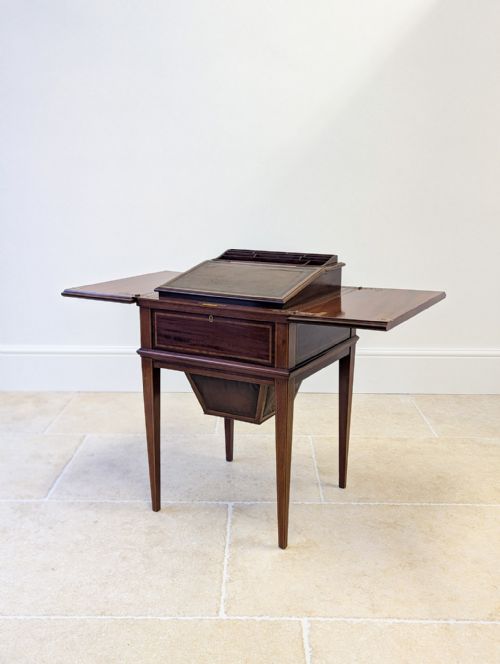
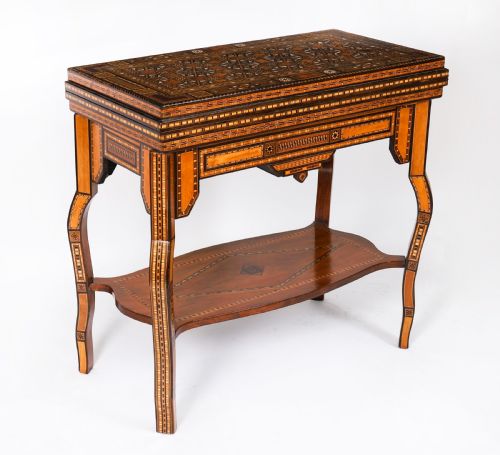
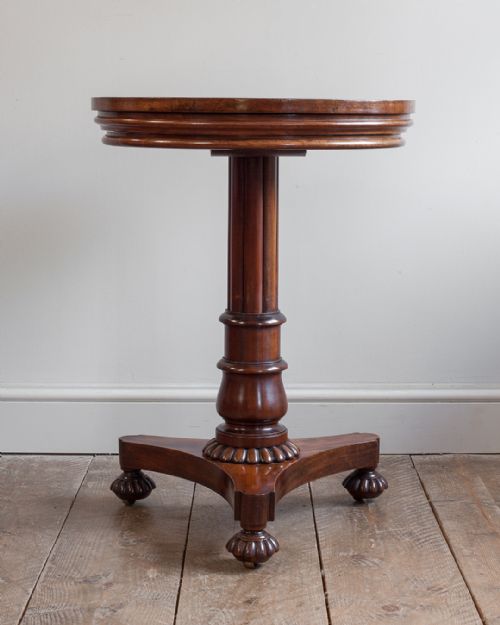
Carpenters relied heavily on solid oak for benches and chair tables, utilising its robust grain to support the stress placed on pivoting joints and folding mechanisms. Mahogany and walnut appear in later metamorphic tables, often enhanced with marquetry or inlay work.
Joinery techniques include panelled construction and pegged joints, which allow wooden elements to shift without breaking under regular transformation. Brass hardware frequently secures folding mechanisms and supports the movement of multi-functional furniture.
A shepherd working in Catalan fields and a seventeenth-century monk both relied on clever folding furniture to save precious space.
Assessing Craftsmanship
Quality rests upon the smooth operation of the conversion mechanism and the integrity of the original timber joints. Pieces that retain their original hinges and timber surfaces without excessive replacement parts stand at the upper end of the range.
Carving depth and clarity distinguish standard production from superior examples, particularly on oak monk's benches where panels display detailed motifs. The balance of proportions when the piece shifts from seat to table indicates the maker's precision.
The Antique Convertible Table Glossary
- Monk's bench
- A multi-functional oak seat featuring a pivoting back that folds flat over the arms to create a table top. This form dates back centuries and remains a primary find within this category.
- Metamorphic table
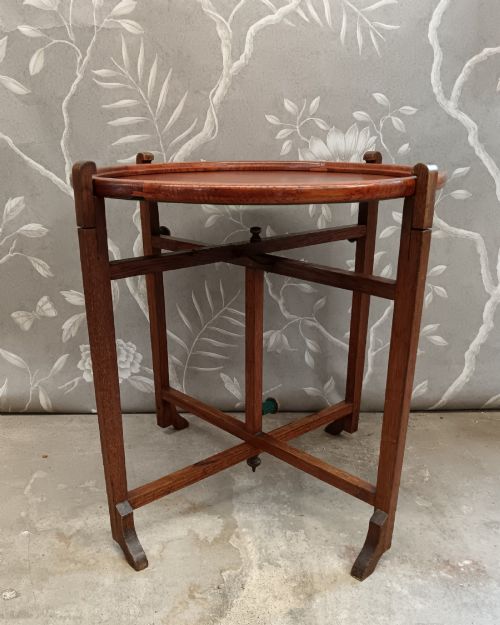
- A piece of furniture designed to transform from one object into another, such as a side table turning into a writing desk or screen. These utilise clever hinges and folding leaves.
- Chair table
- An early seating form with a large solid top attached to the back, which tilts down to form a table for dining or work. They were constructed primarily from oak and pine.
- Settle
- A wooden bench with high backs and solid arms, sometimes incorporating storage beneath the lift-up seat. They often share characteristics with convertible tables.
- Jacobean Revival
- A nineteenth-century style mimicking seventeenth-century woodwork, characterised by dark oak, geometric moulding, and heavy carving. Many monk's benches follow this aesthetic.
Antique Convertible Table: Frequently Asked Questions
How do you operate a monk's bench?
Operating a monk's bench involves tilting the panelled backrest forward until it rests horizontally upon the arms. This action transforms the upright seat into a flat surface suitable for writing or dining.
Internal pivots or wooden pegs secure the back in position, allowing the user to reverse the movement easily when seating is required again.
What woods were used for these tables?
Oak is the predominant material found in early and revival convertible seating, valued for its strength and durability. Pine also appears in vernacular country pieces.
Finer metamorphic writing and card tables utilise mahogany and walnut, frequently incorporating decorative inlay, satinwood, or brass fittings to highlight their refined status.
How do I date a convertible table?
Dating relies on examining the timber species, construction joinery, and stylistic details such as carving motifs or hardware. Seventeenth-century examples feature pegged oak joints and heavy panels, while Victorian pieces often display revival carving.
Edwardian and later metamorphic tables incorporate more complex brass hinges and varied cabinet timbers like mahogany or satinwood.