
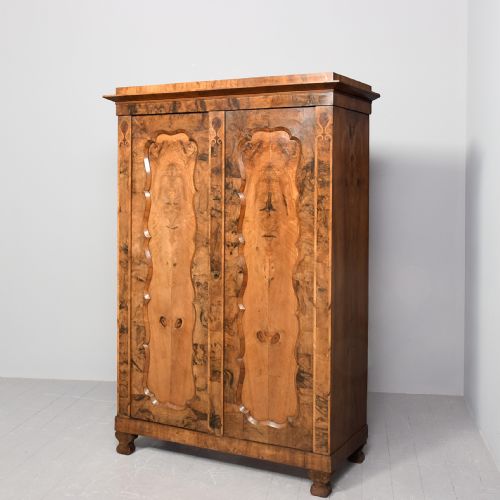


Antique Continental Wardrobe Cabinet
These antique continental wardrobe cabinet pieces bring grand storage and rich European timber to a room.
Antique Continental Wardrobe Cabinet
An antique continental wardrobe cabinet encompasses large storage furniture originating from European workshops, spanning from the seventeenth century through to the end of the nineteenth century. Buyers seek these pieces for their commanding presence and generous internal capacity, which suits both traditional and modern interiors.
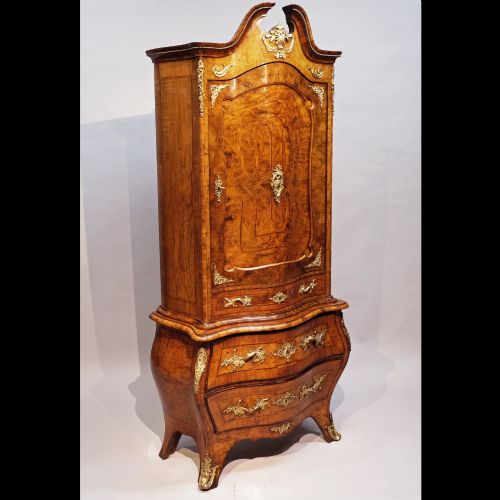
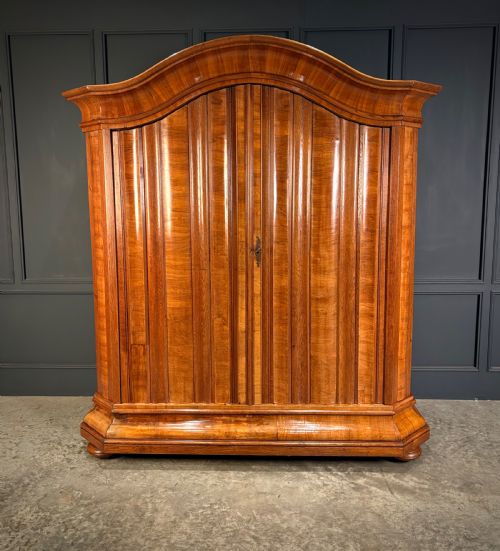
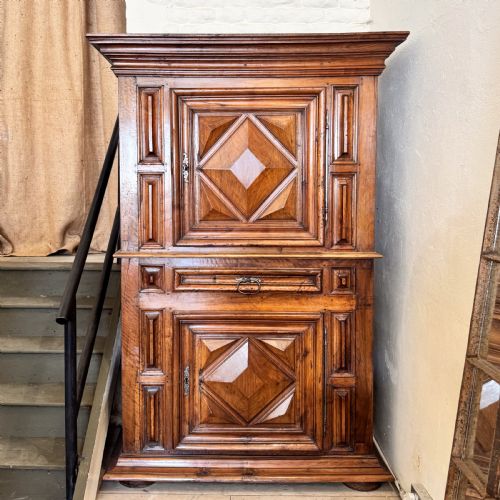
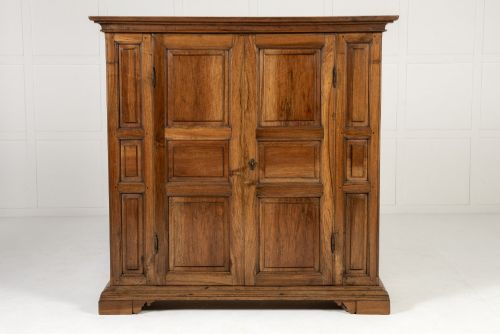
Regional styles include Biedermeier, Italian Baroque, Dutch Rococo, and rustic European designs. The nineteenth-century examples and eighteenth-century walnut pieces appear most frequently in this collection.
Materials and construction methods
Joinery techniques relied on traditional panel construction and heavy framing to support the substantial doors and large proportions of these armoires and cupboards. Surface decoration ranges from simple painted finishes to elaborate rococo carvings and ormolu mounts.
Listings feature walnut, oak, pine, and mahogany, with periods spanning from the seventeenth century to the late nineteenth century.
Distinctions in quality
The hierarchy of quality rests on the selection of timber, particularly the richness of figured walnut or burr veneers and the depth of the grain. Superior pieces display refined proportions and crisp carving that reflect the hand of a skilled maker.
Execution of decorative details, from brass mounts to painted marriage scenes, determines the standing of a cabinet. Original hardware and sound structural integrity elevate the piece above utilitarian storage items.
The Antique Continental Wardrobe Cabinet Glossary
- Armoire
- A tall wardrobe or cupboard, typically featuring large doors enclosing hanging space or shelves. These pieces often serve as the primary storage furniture in a bedroom or hallway.
- Biedermeier
- A central European style spanning the nineteenth century, known for clean lines and rich veneers that highlight the natural grain of woods like mahogany and walnut.
- Ormolu
- Gilded bronze used for decorative mounts and hardware on fine furniture. It adds a contrasting metallic sheen to timber surfaces.
- Marriage cupboard
- A painted or decorated cupboard traditionally commissioned for a wedding. These regional pieces frequently display folk art motifs and dates.
- Burr walnut
- A prized wood veneer showing intricate swirling patterns formed by growths on the walnut tree. It creates a highly decorative surface on cabinet doors.
Antique Continental Wardrobe Cabinet: Frequently Asked Questions
How were these cabinets used originally?
Historically, households utilised these large cupboards for storing folded textiles, linen, and garments before fitted wardrobes became common. Their deep interiors and sturdy shelving accommodated the domestic requirements of large households.
In some regions, specific pieces like marriage cupboards served to store household linens brought to a union.
How do I fit a large armoire into a modern room?
Measuring both floor space and ceiling height is essential before introducing a continental wardrobe to a room, due to their impressive scale. Many examples feature substantial cornices and deep footprints that require adequate clearance.
Positioning the piece against a primary wall allows it to function as a focal point while providing concealed storage for modern wardrobes.
How can I tell the period of a cabinet?
Dating relies on stylistic clues, such as the curved motifs of Dutch Rococo or the restrained geometry of Biedermeier design. Timber choice and construction methods also indicate the era of manufacture, spanning from the seventeenth to the nineteenth century.
Examining the hinges, locks, and interior setup provides further context regarding the age and origin of the piece.