


Vintage Continental Storage Cabinet
These vintage continental storage cabinet pieces bring provincial European character and substantial timber work into any room.
Vintage Continental Storage Cabinet
A vintage continental storage cabinet encompasses a wide range of antique cupboards, armoires, chests of drawers, and side cabinets originating from European provinces. Buyers exploring this category encounter sturdy functional furniture designed for domestic storage across various centuries.
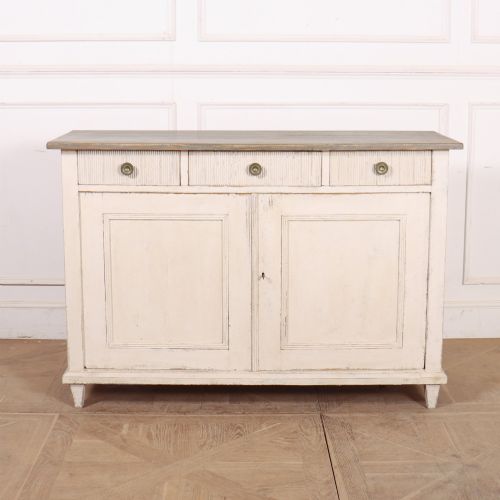
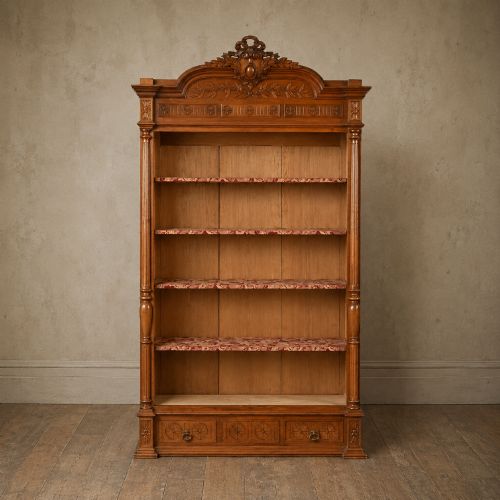
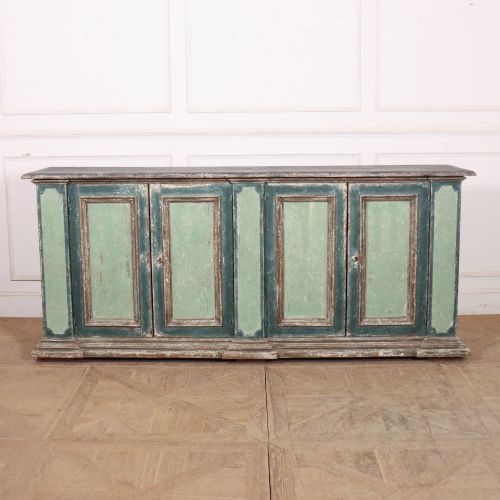
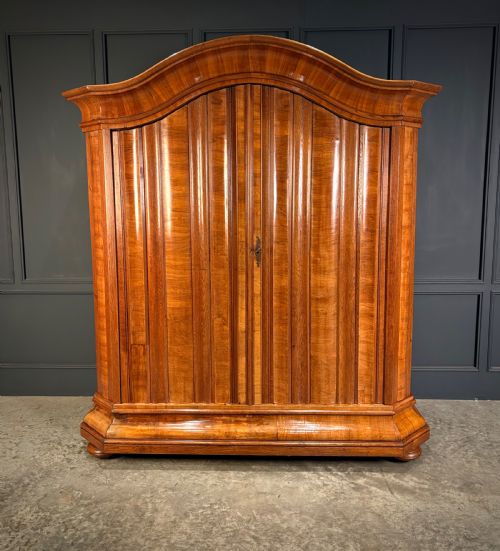
The pieces listed on this page range from walnut chests of drawers and painted cupboards to open library bookcases and side cabinets. Examples span from the eighteenth century through to the early twentieth century, showing diverse regional influences.
Italian provincial and French country pieces feature prominently alongside Dutch and general nineteenth-century continental items. These forms provide practical shelving and drawer space while displaying traditional regional woodworking traditions.
Materials and construction methods
Construction relies heavily on solid woods such as walnut, oak, and pine, often finished with paint, ebonising, or marquetry inlay. Iron and brass hardware provide functional hinges, handles, and key escutcheons across the various cabinet forms.
Surface decoration includes floral marquetry patterns and Carrara marble tops on specific pieces like commodes and side cabinets. Carved solid wood details appear on larger library bookcases and armoires, demonstrating traditional joinery techniques.
The inventory spans the eighteenth, nineteenth, and early twentieth centuries.
Assessing quality in continental storage furniture
Quality differentiates itself through the selection of timber, the preservation of original painted surfaces, and the intricacy of marquetry inlay. Pieces exhibiting untouched period finishes and robust solid wood construction stand apart from heavily restored alternatives.
The crispness of carved details and the integration of specialised materials like Carrara marble indicate higher levels of craftsmanship. Proportion, balance, and the retention of original brass or iron hardware further distinguish finer examples.
The Vintage Continental Storage Cabinet Glossary
- Commode
- A low chest of drawers or cabinet, often of French or Italian origin. These pieces frequently feature decorative marquetry or marble tops.
- Armoire
- A large freestanding wardrobe or cupboard used primarily for hanging or storing garments. They are typically built from heavy timber such as oak or walnut.
- Marquetry
- Decorative veneer work arranged in pictorial or geometric patterns using various coloured woods. It is applied to the exterior surfaces of finer cabinets and commodes.
- Ebonised wood
- Timber treated to imitate ebony, usually through a chemical staining or painting process. This finish appears on nineteenth-century pieces to create a dark, contrasting surface.
- Carrara marble
- A type of white or blue-grey marble quarried in Italy, commonly used for tabletops on commodes and side cabinets. It provides a durable and smooth stone surface.
Vintage Continental Storage Cabinet: Frequently Asked Questions
What rooms suit a continental storage cabinet?
These cabinets suit dining rooms, living spaces, and hallways where substantial storage and distinct provincial character are desired. Their diverse forms allow them to function as sideboards, bookcases, or linen cupboards depending on the interior layout.
Larger armoires and bookcases require adequate wall space and ceiling height, whereas smaller bedside cabinets or side tables fit easily into compact areas. The presence of wood tones, paintwork, or marble tops helps coordinate them with existing furniture.
How do I identify an eighteenth-century piece?
Eighteenth-century pieces typically display hand-cut joinery, pegged framing, and timber patination developed over centuries of use. Details such as simplified provincial moulding and early hardware help confirm the age.
Regional characteristics, such as Italian walnut construction or Dutch painted pine, provide further clues to the period and origin. Examining the interior secondary woods and backboards often reveals the manufacturing methods of the era.
Are painted finishes original on these cabinets?
Many cupboards and commodes retain original or early painted surfaces that show natural wear and craquelure over time. These finishes reflect traditional regional decoration found in French and Italian provincial workshops.
Distinguishing between period paint and later decoration involves inspecting the underlying timber and the depth of the pigment layers. Original paint adds significant character and historical value to pieces like country cupboards and buffets.
How should I care for antique walnut furniture?
Antique walnut furniture requires protection from direct sunlight and sudden humidity changes to prevent timber movement. Regular dusting with a soft, dry cloth maintains the surface without building up chemical residues.
Applying a traditional beeswax occasionally helps nourish the wood and preserve the natural patination. Avoid placing damp items or heavy heat sources directly onto the wooden or marble surfaces.