

Antique Continental Silver
Antique continental silver brings together intricate table ornaments, snuff boxes and walking sticks shaped across European workshops from the eighteenth century onward.
Antique Continental Silver
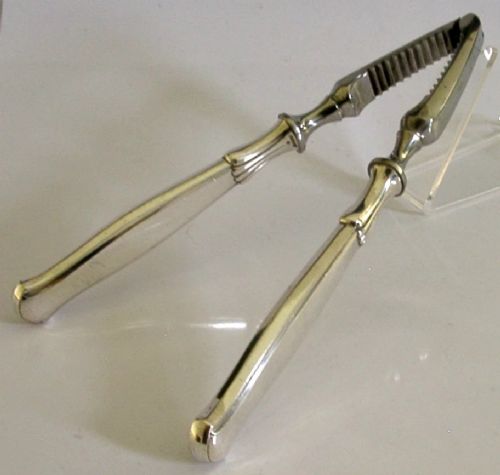
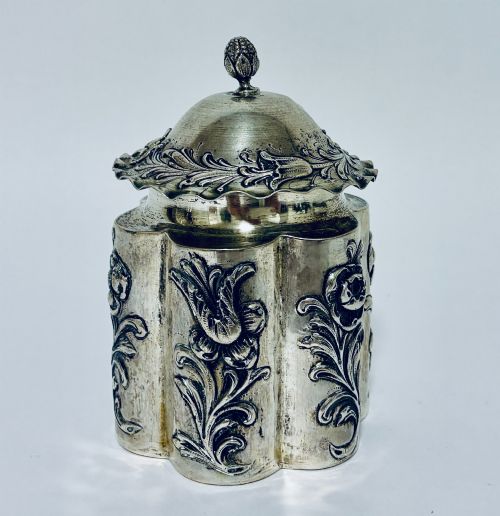
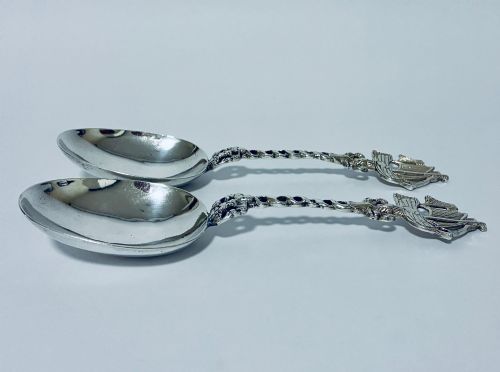
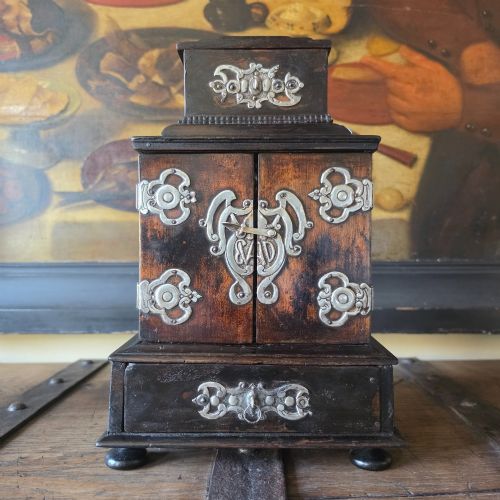
When you examine antique continental silver, you encounter a diverse array of metalwork originating from various European nations and spanning multiple eras. The selection encompasses functional items like desk boxes, tea caddies and sugar casting spoons, alongside purely decorative table ornaments and novelty figures.
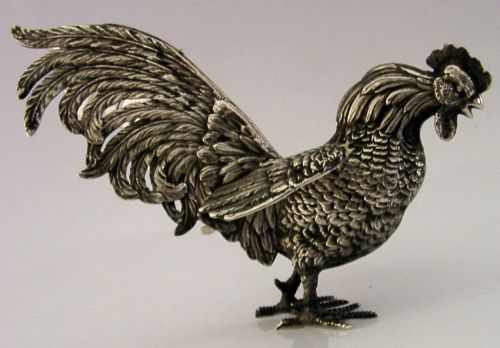
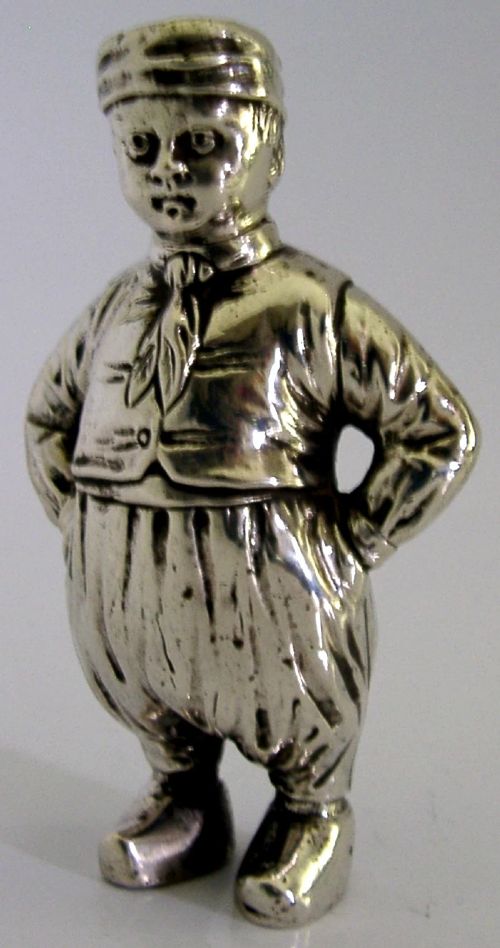
Many examples date from the nineteenth and early twentieth centuries, reflecting periods such as Victorian, Edwardian, Art Nouveau and Art Deco. Buyers often find smaller trinket pieces, snuff boxes and figural pepper pots shaped as animals like cockerels, owls and woodcocks.
The category also embraces larger items including serving trays, coin beakers, bowls and walking stick handles mounted on wood or ebonised shafts. Dutch and German workshops are particularly well represented in these forms, alongside Austro-Hungarian and Flemish pieces.
How they were made
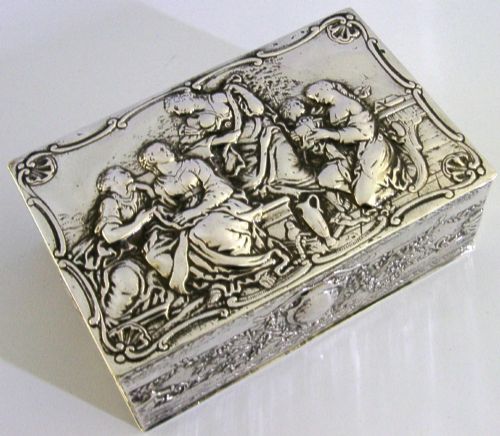
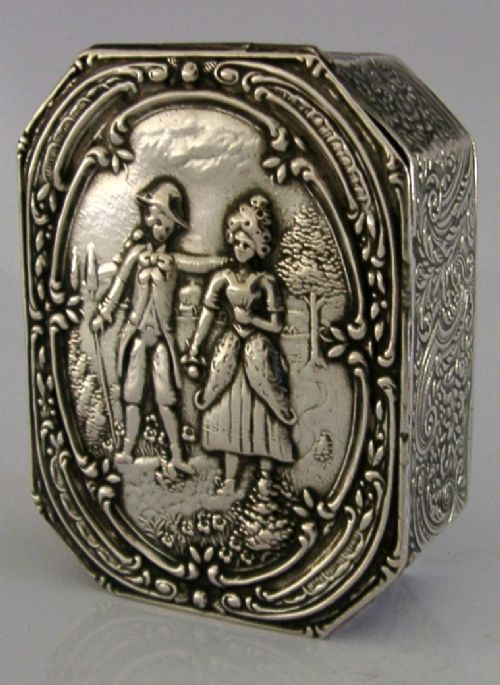
Silversmiths utilised solid silver, sterling silver and various lower fineness standards such as 800 and 833 silver to construct these objects. Techniques frequently involved repoussé work, where designs are hammered into relief from the reverse side, creating ornate panels and scenic reliefs on boxes and bowls.
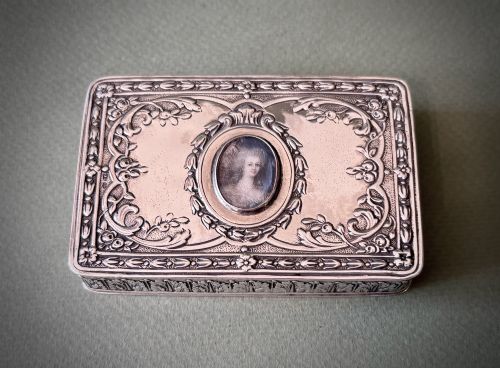
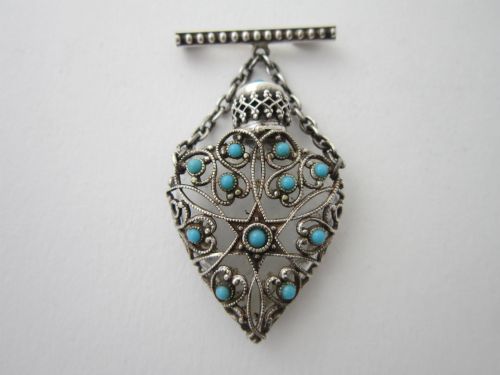
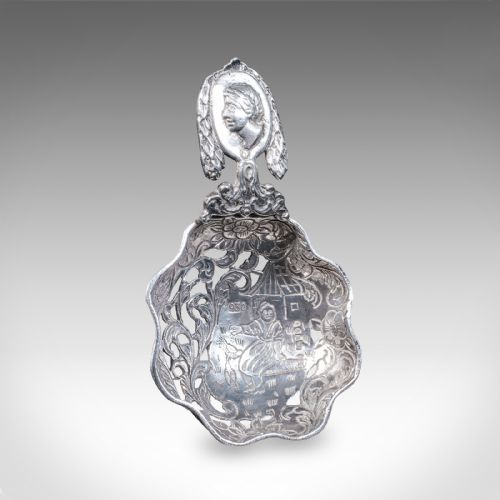
Enamel work, including blue guilloché surfaces, and glass or turquoise gemstone inserts frequently appear alongside the metal framework. Miniature models, filigree brooches and pierced fruit spoons demonstrate detailed soldering and casting methods employed by European artisans.
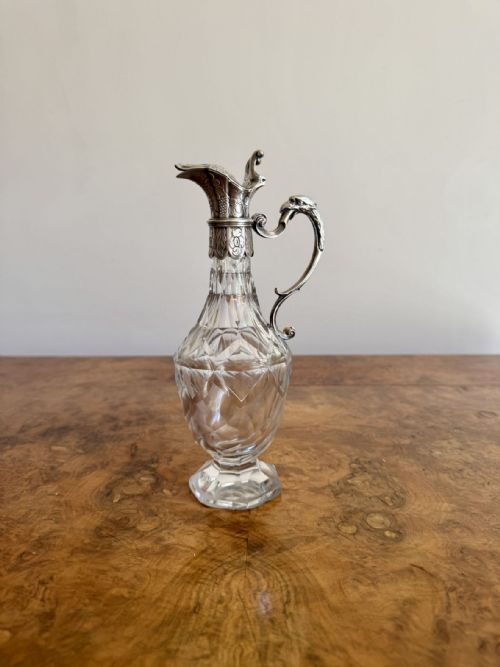
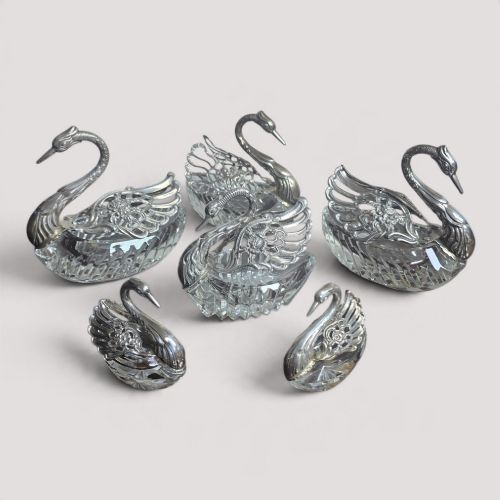
Wooden elements, such as turned handles on tea strainers and ebonised walking canes, combine with silver mountings. Cut glass bodies also integrate with silver collars and hinged lids in perfume bottles and swan dishes.
Antique Continental Silver Retail Price Guide 2026
Typical asking prices for continental silver among the pieces listed under this phrase on Sellingantiques today, from the lower quarter to the upper quarter. They describe what is for sale here now, not the wider market.
The selection includes functional snuff boxes and tea caddies alongside novelty animal figures shaped as chickens, owls and woodcocks.
What varies in quality
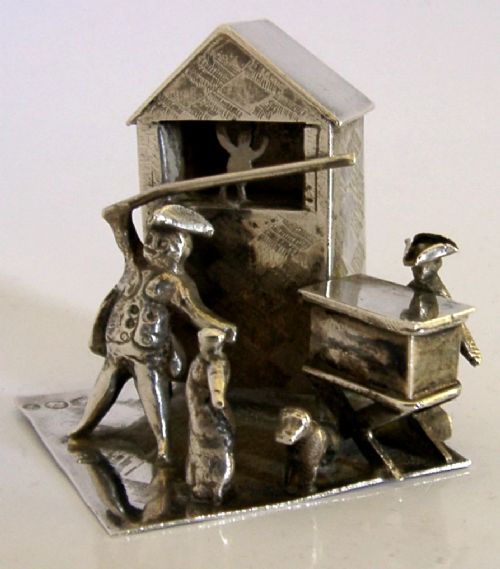
The standard of antique continental silver depends heavily on the crispness of the chasing and the depth of the repoussé relief. Finer pieces display sharply defined feathers on bird figures and clear architectural details on miniature models, whereas lesser examples show softened or blurred stamping.
The integrity of applied decoration, such as hand-painted enamel panels, gemstone pastes and filigree wirework, dictates the finer tier of craftsmanship. Intricate hinges on snuff boxes and desk boxes that close flush without play indicate superior original construction.
The quality is further elevated when secondary materials like cut glass, turquoise stones and turned wood remain undamaged and properly fitted to the silver mounts.
The Antique Continental Silver Glossary
- Repoussé
- A metalworking technique where the artisan hammers the design from the reverse side to form raised relief patterns on the surface. This method creates the dimensional scenes seen on many boxes and bowls.
- Guilloché
- An ornamental technique in which a precise, intricate pattern is mechanically engraved into a metal surface beneath a translucent enamel layer. It frequently appears on portable cases and mesh purses.
- Filigree
- Delicate jewellery-making work consisting of fine silver threads twisted and soldered together into open-work patterns. It is often found on lightweight decorative brooches.
- Vesta case
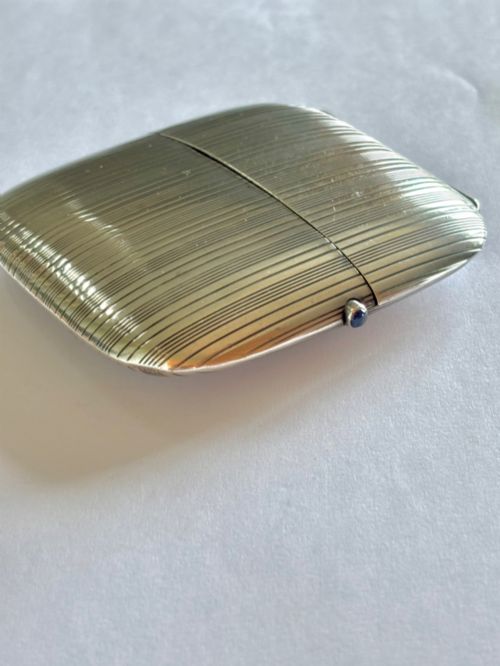
- A small pocket box designed to hold matches, typically fitted with a striking strip on the base. Continental versions often feature scenic relief designs.
- Hanau silver
- Silverware produced in the German town of Hanau, known for creating revivalist table ornaments and novelty animal figures. These items frequently employ historical styles from earlier centuries.
Antique Continental Silver: Frequently Asked Questions
What is 800 silver?
Silver marked as 800 contains eight hundred parts of pure silver per thousand by weight, with the remainder being copper or other metals. This standard was widely used across continental Europe for hollowware and decorative objects.
Items bearing this standard offer durability suited for larger table ornaments, desk boxes and walking stick handles while maintaining a substantial silver content.
How do I identify Hanau silver?
Hanau pieces often replicate seventeenth and eighteenth-century styles, featuring detailed animal figures, miniature models and ornate table boxes. They frequently carry pseudo-marks that mimic older hallmarks rather than official town marks.
Examining the weight, casting quality and stylistic exuberance helps distinguish these decorative European silver items from standard British domestic wares.
Are walking canes marked with silver?
Many nineteenth-century walking sticks feature solid silver or 800 silver handles mounted onto wooden or ebonised shafts. These handles often display repoussé work, niello decoration or figural designs.
Makers frequently stamped the metal near the lower edge of the handle or along the collar to indicate the silver content.
How should I clean antique silver?
Antique silver benefits from gentle cleaning using a soft cloth and specialist silver polish to remove tarnish without stripping surface detail. Avoid abrasive pads that can wear down delicate repoussé relief and fine chasing.
Pieces incorporating enamel, glass or wooden handles require particular care to ensure cleaning agents do not seep into joints or damage non-metal components.