


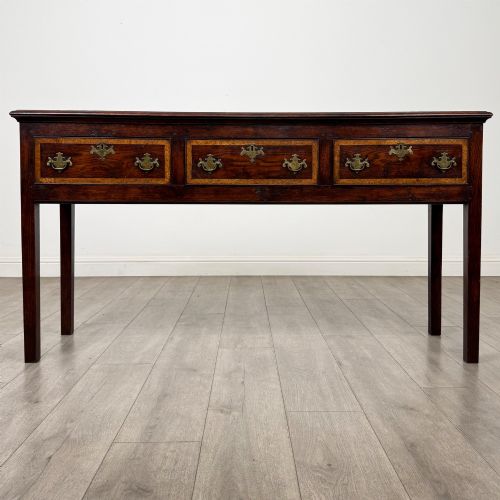
Antique Console Table Drawers
These antique console table drawers combine surface utility with fitted storage, spanning centuries of timber craftsmanship from Georgian oak to Victorian mahogany.
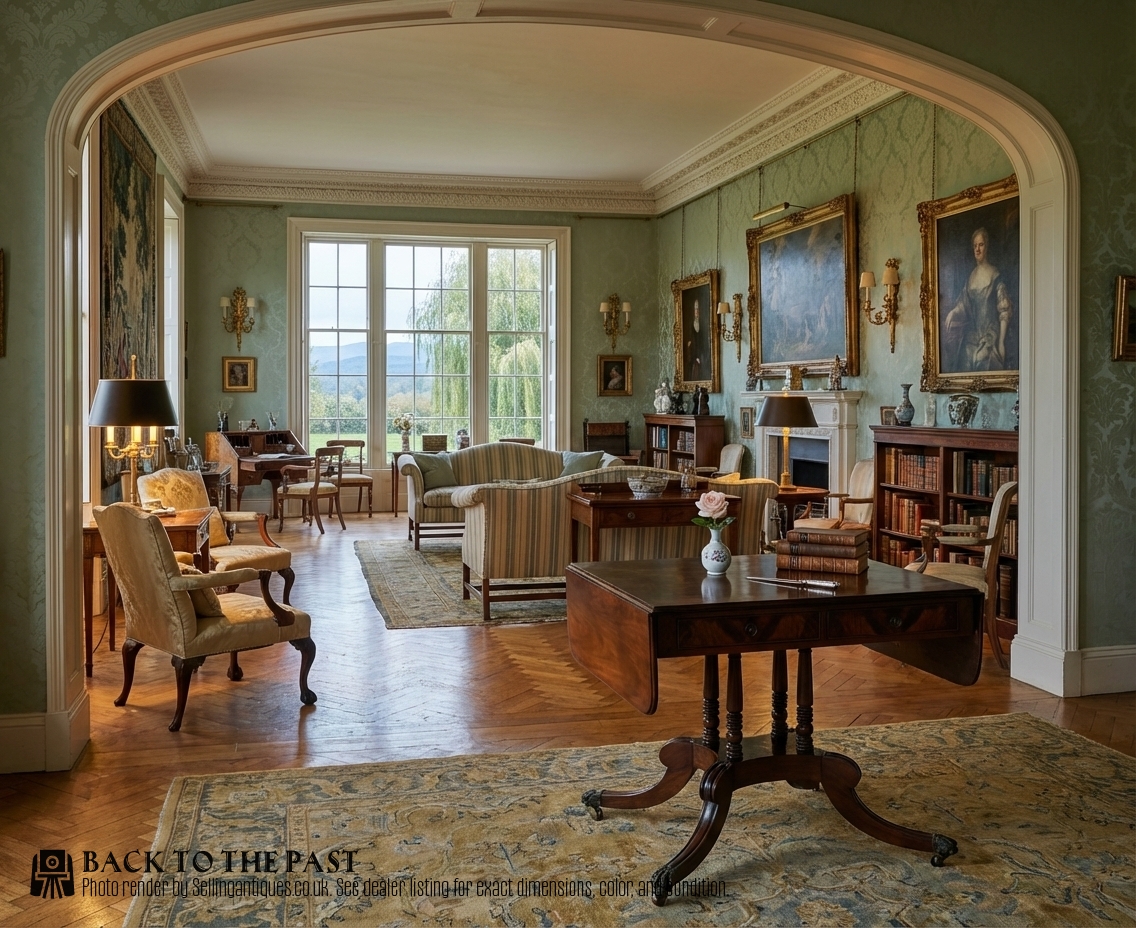
Antique Console Table Drawers
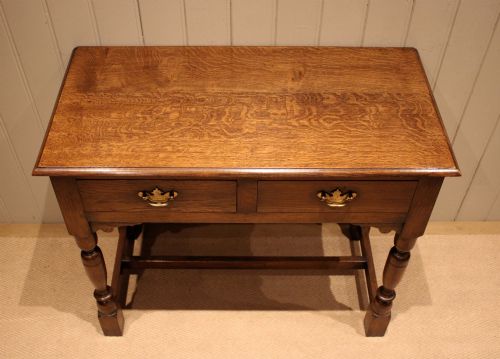
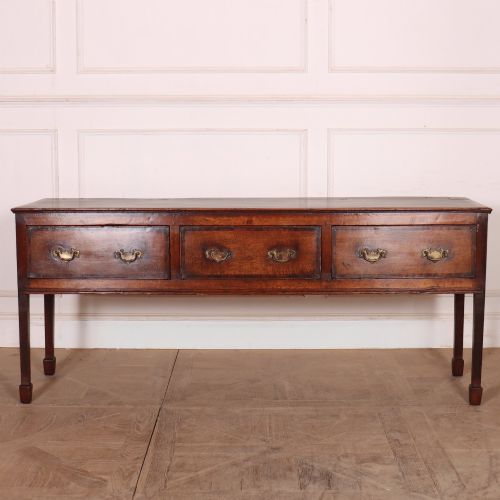
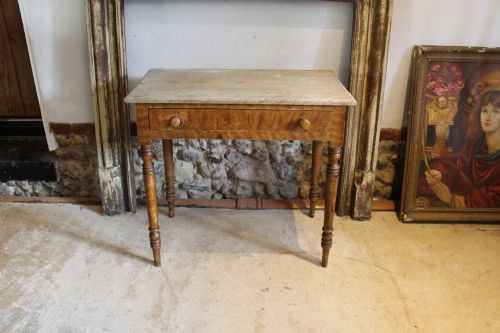
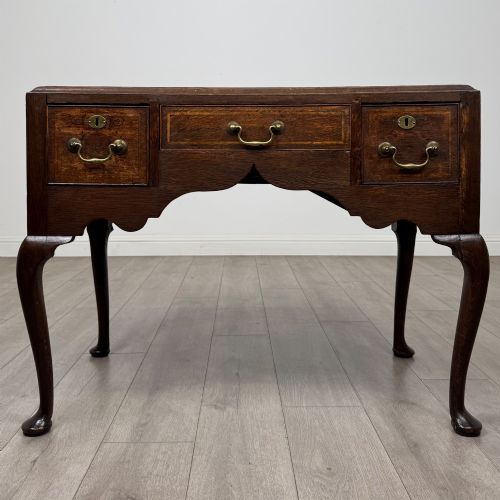
When you search for antique console table drawers, you encounter a varied selection of narrow furniture pieces designed to sit against a wall, often functioning as side tables, lowboys, or writing desks. The listings here span eras from the 17th century through the Georgian, Victorian, and Edwardian periods, reflecting changing domestic requirements for surface space and enclosed storage.
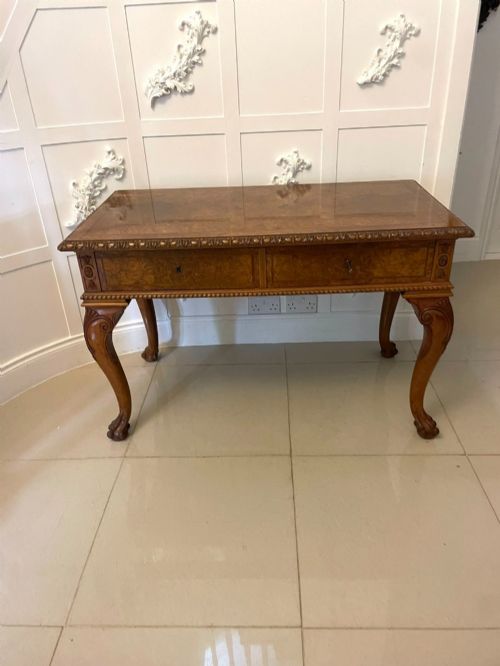
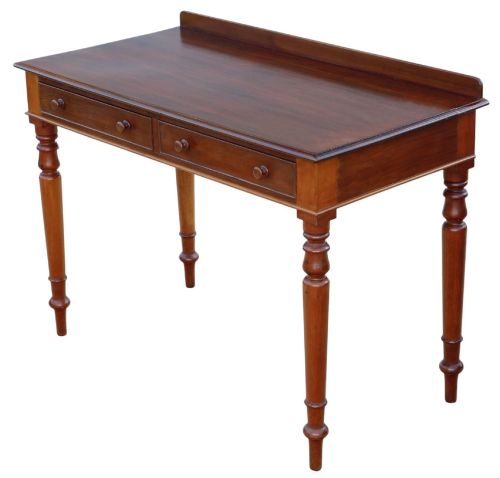
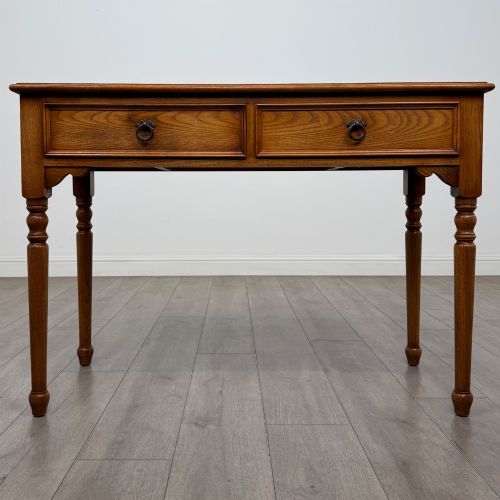
You are most likely to meet solid oak and mahogany examples originating from English workshops, alongside painted pine country pieces and burr walnut iterations. These items frequently overlap with side tables, dresser bases, and writing desks that incorporate one or more fitted drawers into their front friezes.
Materials and Construction
Cabinet makers utilised dense native timbers such as oak, mahogany, walnut, and elm, sometimes applying decorative veneers like burr walnut or flame mahogany to primary surfaces. Pine and pitch pine served frequently for secondary framing, drawer linings, and country pieces intended for everyday utility.
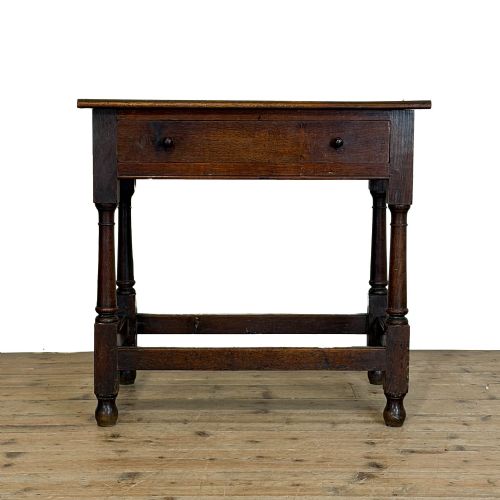
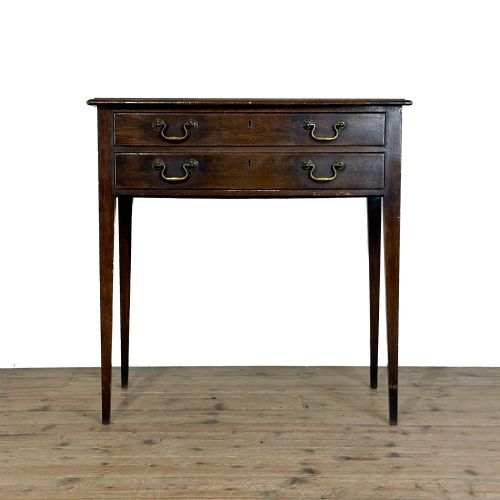
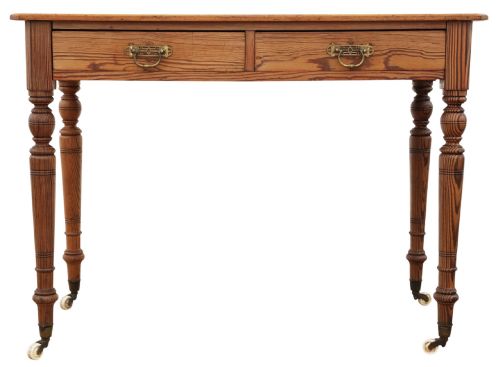
Construction relied upon traditional joinery techniques, incorporating hand-cut dovetails for drawer boxes and pegged mortise and tenon joints for structural stability. Drawer fronts were fitted with brass pull handles or knobs, and finishes ranged from clear wax polishes to scumble paint and decorative inlays.
Early nineteenth-century makers occasionally painted pine to look like exotic bamboo, proving that interior design trends for clever imitations are centuries old.
Evaluating the Pieces
Quality reveals itself in the selection of timber figures, such as highly figured mahogany or intricate burr walnut grain, and the crisp execution of hand-cut joinery. Superior examples maintain original hardware, uncompromised drawer linings, and proportional balance between the legs, frieze, and top.
Lower tiers of quality often involve later replacements of timber, mismatched hardware, or heavy refinishing that obscures the natural ageing of the wood. The presence of original painted surfaces, such as scumble or faux bamboo detailing, distinguishes specialist provincial work from standard production.
Heal and Son·Gillows
The Antique Console Table Drawers Glossary
- Console table
- A table designed to be fixed against a wall, historically supported by brackets or legs, providing a narrow surface for display.
- Lowboy
- A small seventeenth or eighteenth-century dressing or side table featuring one or more rows of drawers beneath a flat top.
- Frieze
- The horizontal band running directly beneath the tabletop, which typically houses the fitted drawers on these tables.
- Dresser base
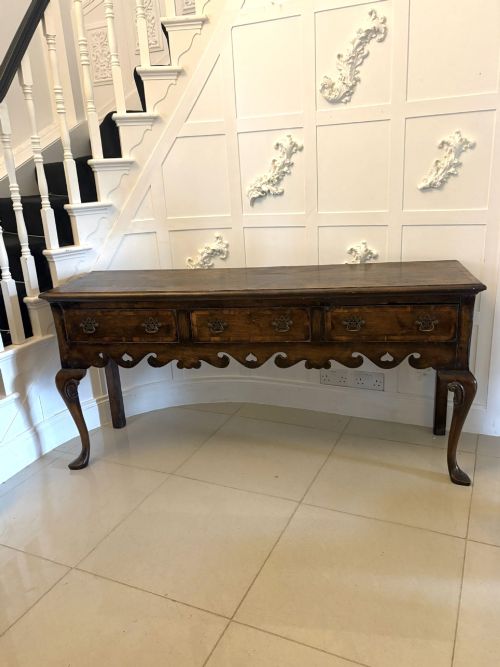
- A robust lower sideboard structure equipped with drawers and sometimes a lower potboard shelf, originating from kitchen and dining spaces.
- Sofa table
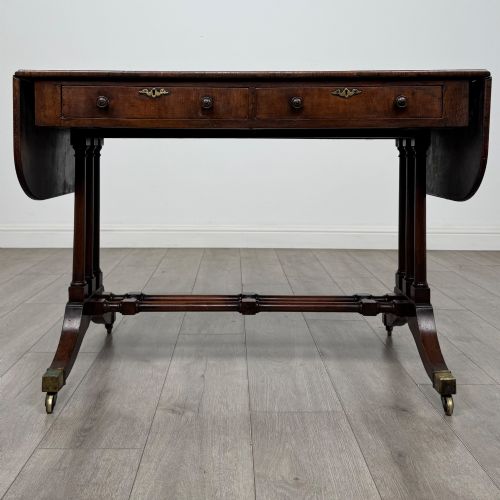
- A central table developed in the late eighteenth century, featuring drop leaves and paired drawer compartments accessed from the frieze.
- Scumble
- A decorative painting technique used to simulate wood grain or figure over a base coat, common on nineteenth-century pine furniture.
Antique Console Table Drawers: Frequently Asked Questions
What rooms suit these tables?
Their narrow profiles allow these tables to function effectively in hallways, living rooms, and bedrooms where floor space is limited. They provide a practical surface for lamps and decorative items while keeping smaller objects organised within the drawers.
In dining rooms or studies, similar forms serve as serving tables or writing desks. The inclusion of drawers makes them more versatile than standard console or side tables.
How do I spot a Georgian piece?
Georgian pieces often display specific timber choices like figured mahogany, walnut, or oak, combined with hand-cut dovetail joinery inside the drawers. Proportions tend to follow classical design rules, sometimes incorporating subtle brass pulls or inlaid stringing.
Examining the secondary woods inside the drawer boxes helps confirm the period manufacturing methods. Grain patterns and natural wear around the drawer runners also offer clues to age.
Are painted finishes original?
Certain pieces feature original scumble paint, faux bamboo decoration, or milk paint applied during the nineteenth century. These finishes show natural craquelure, wear patterns, and tonal variations consistent with age.
Modern repainting usually lacks this integrated wear and uniform patination. Inspecting the surface under good light reveals whether the paint layer is contemporary with the timber frame.
How should I maintain the wood?
Regular dusting with a soft, dry cloth prevents particulate accumulation on polished surfaces. Periodic application of quality beeswax feeds the timber and maintains a gentle sheen without building up heavy residues.
Keeping the furniture away from direct heat sources and strong sunlight protects the wood and veneers from drying out or splitting over time.