


Antique Condiment Server
These antique condiment server pieces bring traditional dining tables to life, offering everything from single mustard pots to elaborate multi-bottle cruet sets.
Antique Condiment Server
An antique condiment server encompasses functional tableware designed to hold sauces, mustards, pickles, and relishes during formal meals. When searching this phrase, buyers encounter diverse forms ranging from Georgian drum mustard pots to Edwardian silver-plated cruet sets.
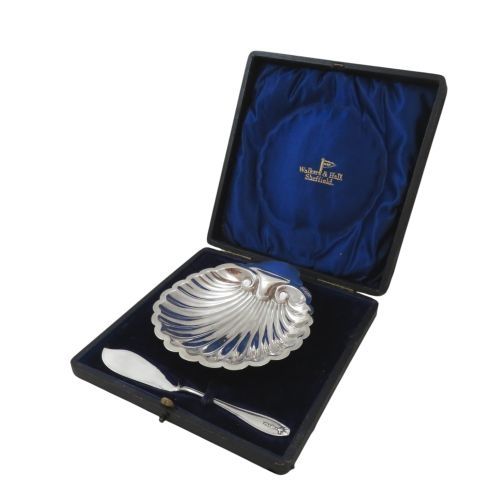
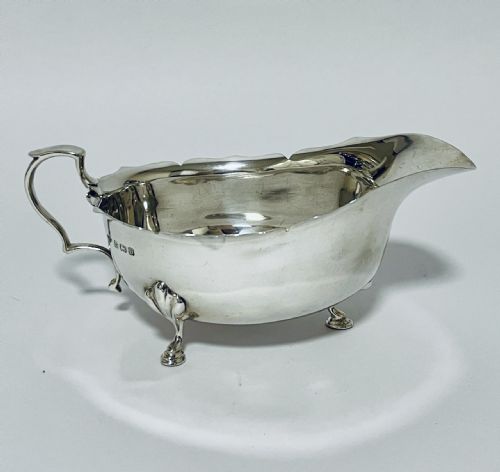
The objects span multiple centuries, appearing in periods such as the eighteenth century, Georgian era, Victorian period, and Edwardian times. Common configurations include butter dishes in cases, sauce boats, relish caddies, and revolving supper sets with lazy susans.
Originating across British, Scottish provincial, German, and Scandinavian workshops, these pieces reflect changing dining habits. Simpler single pots share space with elaborate novelty cruets and fitted servers equipped with original glass liners.
Materials and construction techniques
Metals form the structural backbone of these items, with makers utilising solid sterling silver and silver plate alongside specialised pieces featuring tin-glazed earthenware and soft-paste porcelain. Manufacturing methods include intricate piercing, casting, and hand-hammering as seen in Scottish provincial or English silver work.
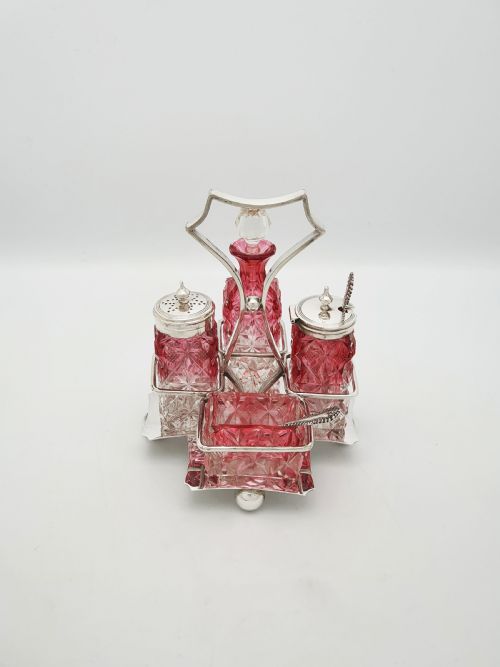
Glass is heavily integrated, particularly cut glass, cranberry glass, and cranberry flashed glass for vessels that hold jams, relishes, and condiments. Textile elements like silk and velvet occasionally line fitted presentation cases that house butter dishes and serving utensils.
Listings feature items spanning from the eighteenth century through the Edwardian period, utilising sterling silver, silver plate, and cut glass.
Distinctions in quality and execution
Quality rests heavily on the crispness of chased or pierced ornamentation, the weight of the silver, and the preservation of original components like glass liners. Pieces bearing clear hallmarks from recognised makers demonstrate superior craftsmanship compared to unmarked domestic wares.
The integrity of auxiliary elements, such as matching spoons, fitted velvet-lined cases, and undamaged cut glass inserts, separates standard utility items from exceptional collectors' examples.
Charles and George Fox·Charles Fox II·Robert Hennell I·Roberts and Belk·Elkington and Company
The Antique Condiment Server Glossary
- Cruet set
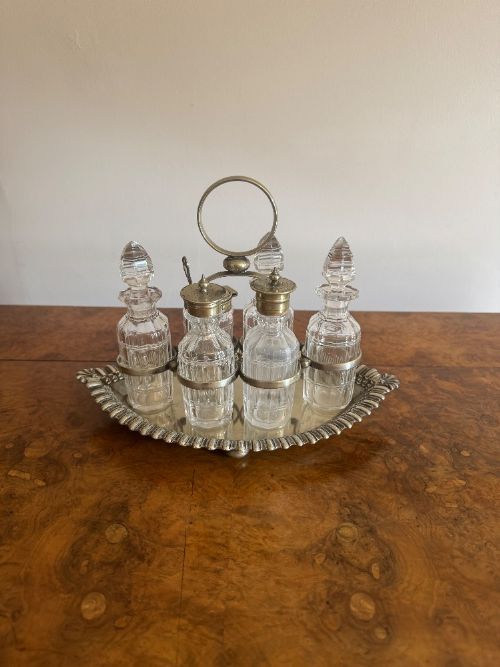
- A matched collection of bottles or jars mounted in a stand, used for holding vinegar, oil, mustard, and other condiments at the table.
- Mustard pot
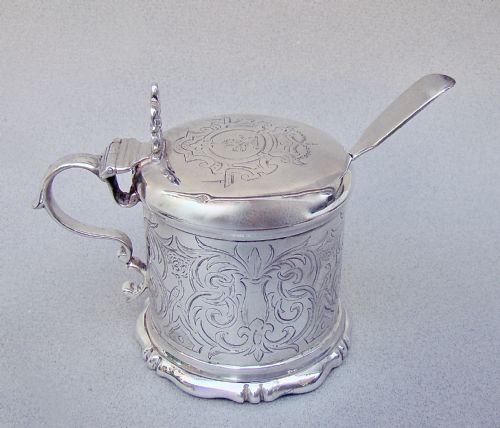
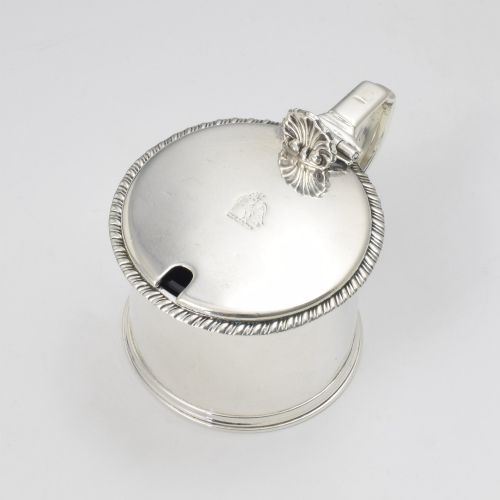
- A small covered jar, often featuring a blue glass liner and a dedicated spoon, designed to serve prepared mustard.
- Sauce boat
- An open vessel with a spout and handle used for serving gravies and liquid condiments.
- Sweetmeat presentier
- An elevated dish or tray designed for serving small confections, dried fruits, or sweet relishes.
- Soft-paste porcelain
- An artificial porcelain compound fired at lower temperatures, characteristic of eighteenth-century factories like Worcester and Coalport.
Antique Condiment Server: Frequently Asked Questions
What is a cruet set?
A cruet set is a table accessory comprising multiple glass bottles or jars held within a silver or plated metal frame. These sets typically held liquids and seasonings like oil, vinegar, and mustard for easy access during meals.
Over the centuries, frames evolved from simple portable stands to elaborate revolving structures and novelty designs featuring cut glass and cranberry glass inserts.
How do I use a mustard pot?
A mustard pot sits on the dining table as an individual serving vessel for prepared table mustard, usually accompanied by a small matching spoon. The lid keeps the condiment fresh and protects it between uses.
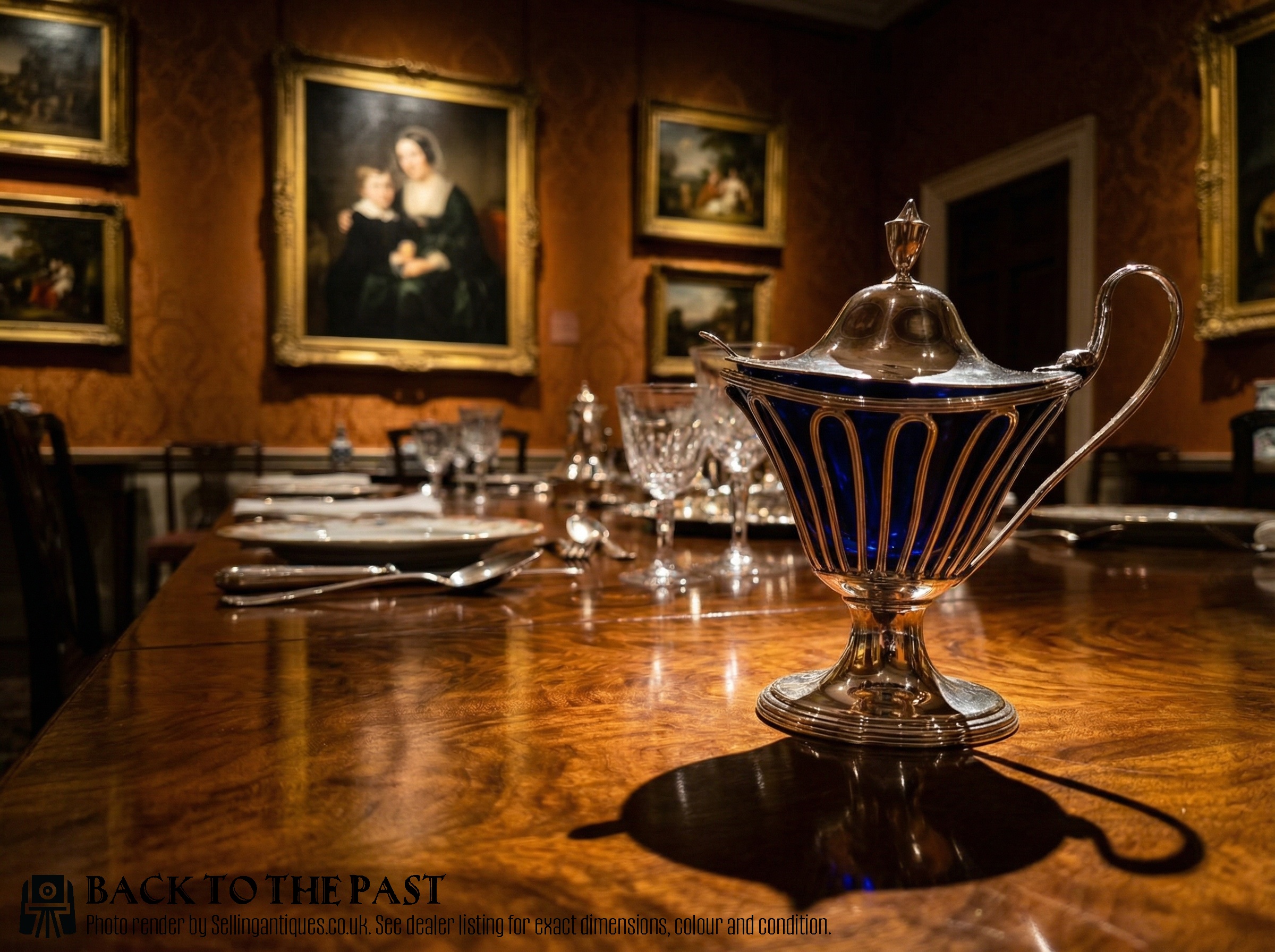
Many antique mustard pots contain removable blue glass liners designed to protect the sterling silver or silver plate from the corrosive nature of mustard.
Are glass liners original?
Original glass liners fit snugly within the pierced or solid walls of metal condiment servers and mustard pots. They are often made of cobalt blue or clear glass tailored specifically to the vessel's internal dimensions.
Because glass breaks easily over centuries of use, replacement liners are common, making the presence of an undamaged original liner a notable feature for collectors.
What is a sweetmeat dish?
A sweetmeat dish or presentier is a specialised server created for presenting sugary confections, nuts, or preserved fruits after a meal. These pieces reflect the formal dining customs of the eighteenth and nineteenth centuries.
They appear in various forms, including tin-glazed earthenware and decorative silver-plated dishes designed to showcase small delicacies.