




Antique Compote Stands
These antique compote stands elevate dessert service and display tables through raised porcelain, glass, and bronze forms.
Antique Compote Stands
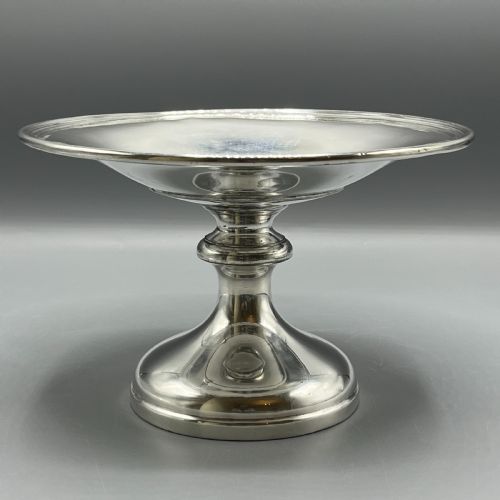
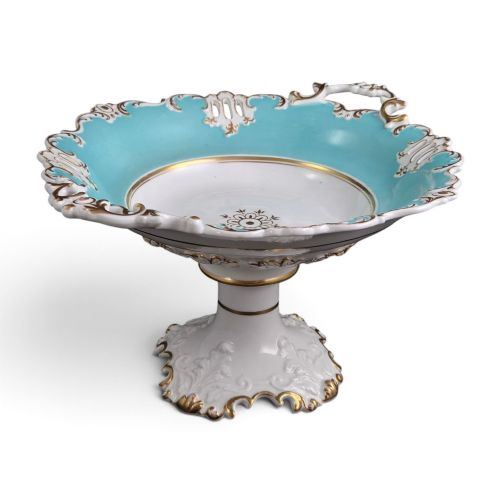
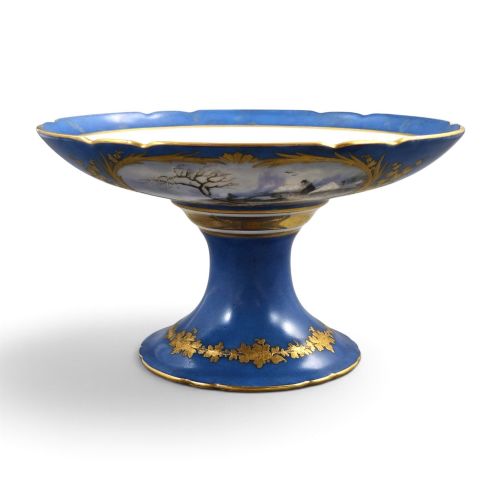
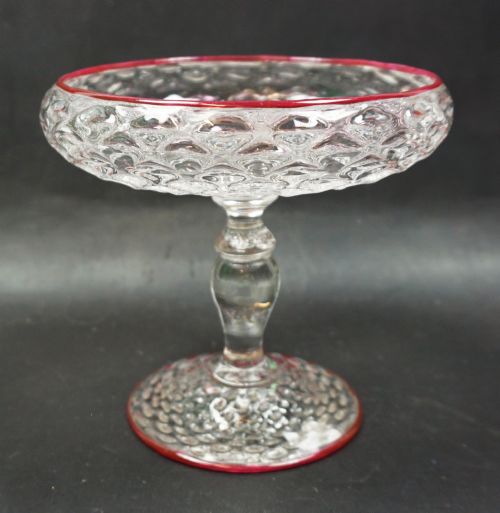
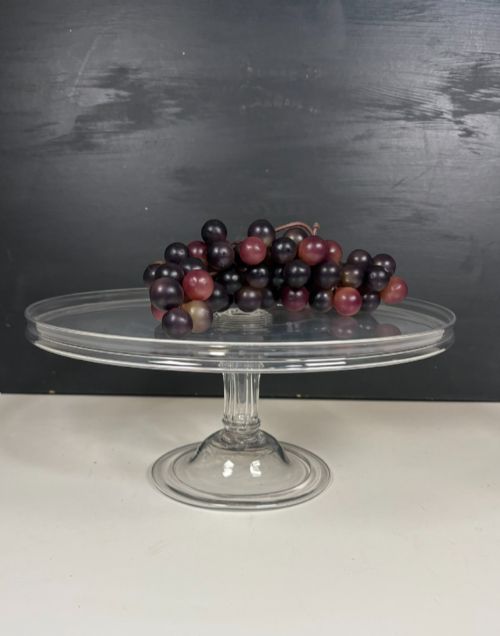
When searching for antique compote stands, buyers encounter pedestal dishes, comports, and tazzas designed for fruit and sweetmeats. These elevated vessels appear frequently as Victorian porcelain bowls or glass dishes resting upon central stems.
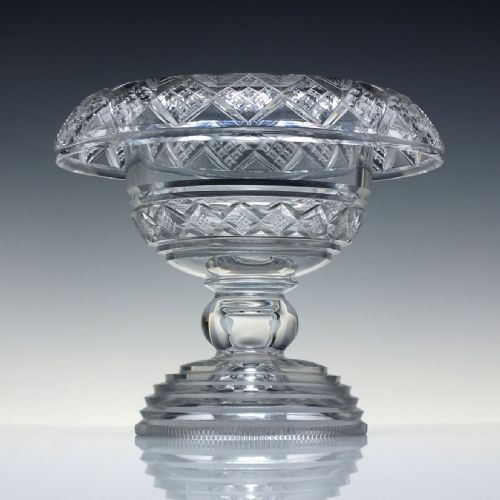
The selection ranges from George III glass tazzas to majolica comport bowls and French gilt bronze centrepieces. Forms span simple earthenware dishes on stands up to elaborate multi-figure porcelain centerpieces.
Origin points diverge across English, French, and Asian workshops, encompassing both formal dining table centrepieces and smaller dessert service items.
Materials and construction methods
Makers shaped these pieces from porcelain, earthenware, and ironstone, alongside lead glass and cut crystal. Ceramic examples often combine moulded bodies with hand-painted enamels, gilding, or applied floral details.
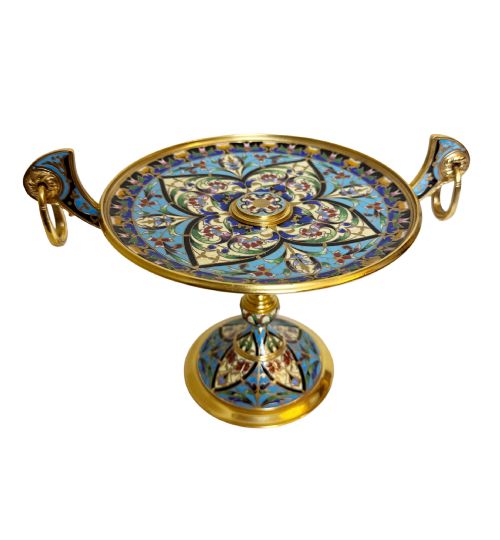
Metal components utilise gilt bronze, silver plating, and solid silver wirework, sometimes paired directly with mother-of-pearl or glass dishes. Foundries cast bronze elements using traditional lost-wax methods before applying mercury gilding or ormolu finishes.
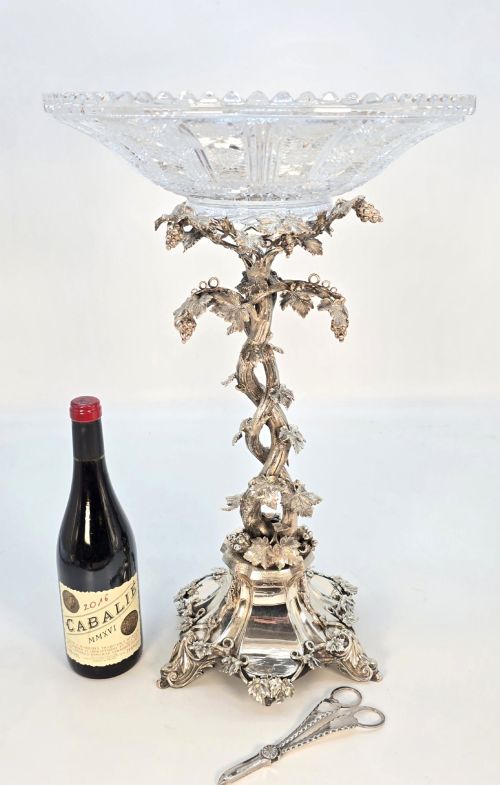
Glass vessels rely on blowing, mould-pressing, and deep wheel-cutting to achieve honeycombed textures, red cane inclusions, and etched grapevine motifs.
Antique Compote Stands Retail Price Guide 2026
Typical asking prices for compote stands among the pieces listed under this phrase on Sellingantiques today, from the lower quarter to the upper quarter. They describe what is for sale here now, not the wider market.
Current listings feature items from the Georgian period through the 20th century, encompassing porcelain, silver, glass, and bronze.
Assessing craftsmanship and execution
Quality rests upon the crispness of the casting in bronze mounts and the depth of wheel-cutting in crystal bowls. Finer ceramics display precise hand-painting, well-defined moulded figures such as putti and cherubs, and cleanly applied gold leaf.
Assembly methods also distinguish standard production from superior output, particularly in how securely metal stems join to porcelain or glass basins. Heavier gauge metals and genuine hand-chased surface details elevate individual pieces above routine factory output.
Coalport·Sèvres·Schierholz Plaue·Mason·Minton·Royal Worcester·Christofle·James Dixon And Sons·Moorcroft
The Antique Compote Stands Glossary
- Tazza
- A shallow bowl or dish mounted on a pedestal foot, used historically for serving small portions of food. These forms originate from Renaissance dining traditions.
- Comport
- A pedestal dish designed specifically for fruit or dessert service at the formal dining table. They frequently form part of larger matching dessert services.
- Ormolu
- Gilded bronze, produced by applying a mixture of mercury and gold to a bronze base and heating it. This technique creates a durable golden surface common in French pieces.
- Champlevé
- An enamelling technique where troughs are dug into a metal surface and filled with vitreous enamel powder before firing. The resulting design sits flush with the surrounding metal partitions.
- Majolica
- A type of earthenware glazed with tin-opacified lead glazes, known for bright coloured pigments. Victorian makers utilised this technique for naturalistic leaf and figure designs.
Antique Compote Stands: Frequently Asked Questions
How were these stands used originally?
These pieces functioned primarily during the dessert course of formal meals to present fruit, sweets, and confectioneries. Larger examples served as permanent table centrepieces filled with decorative displays.
Middle-class and aristocratic households alike utilised them to add vertical height and visual interest to dining room tables.
How do I date a glass or ceramic compote?
Dating relies on observing stylistic markers, factory backstamps, and manufacturing techniques like pontil marks on glass bases. Victorian pieces often display registration diamonds or specific maker ciphers.
Materials and decorative motifs also align with distinct periods, such as Rococo Revival curves or Edwardian refinement.
Can these stands hold food safely today?
Most antique stands function primarily as decorative objects or dry display vessels for fruit rather than for active serving. Older glazes, lead crystal compositions, and delicate gilt surfaces require gentle handling and hand washing.
Avoiding acidic foods prevents potential chemical interaction with historic metal mounts and fragile ceramic enamels.