



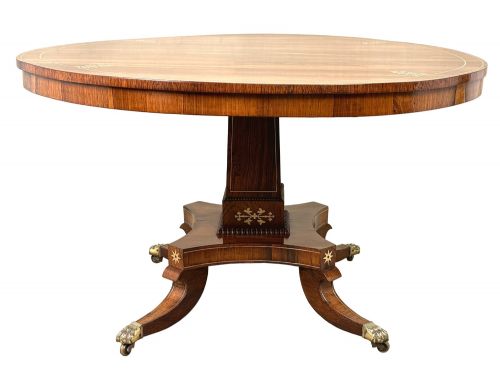
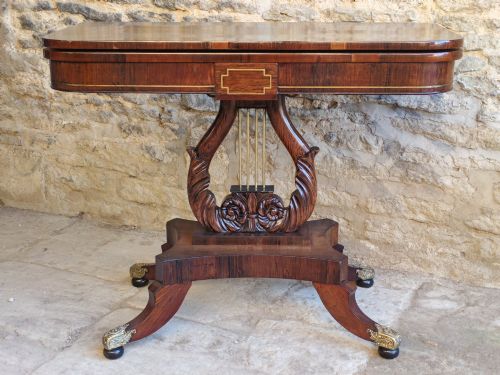
Inlaid Rosewood Pedestals
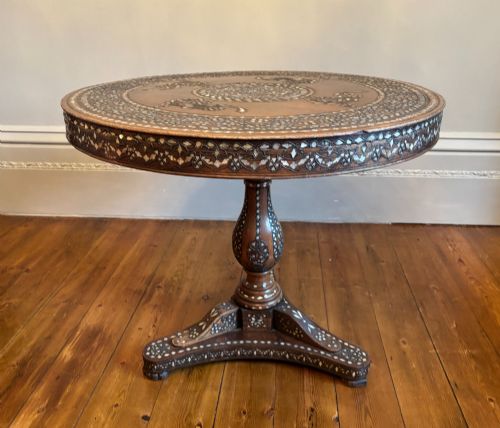
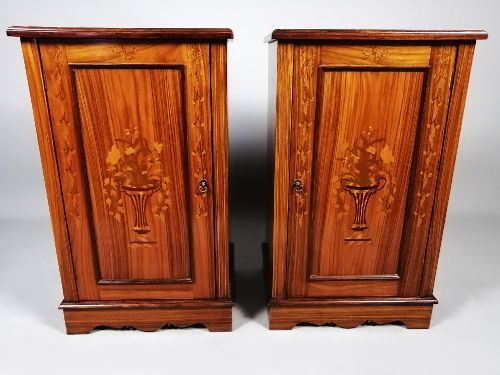
These inlaid rosewood pedestals and tables combine rich tropical timber with precise metal and wood ornamentation, offering functional elegance for period interiors.
Inlaid Rosewood Pedestals
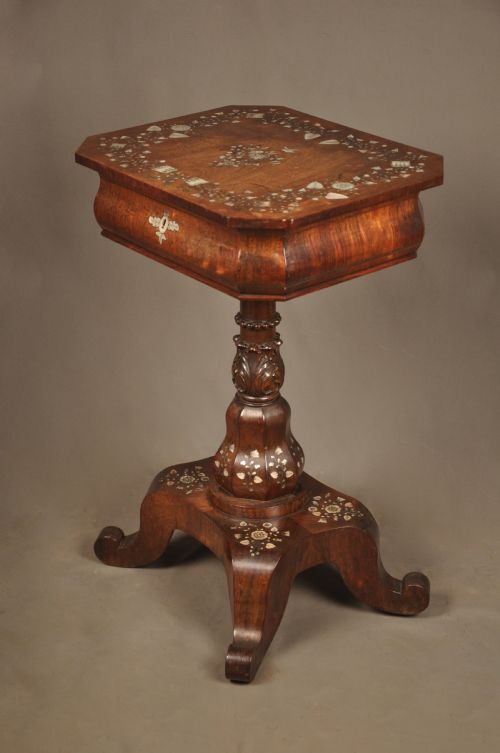
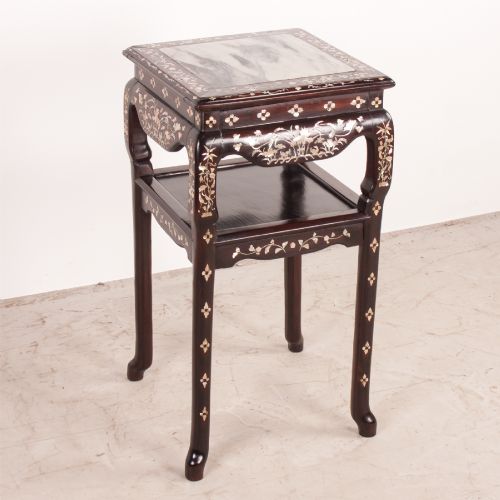
Inlaid rosewood pedestals encompass tables and cabinets supported by central columns or pillar bases, appearing primarily across Regency, Victorian, and Georgian eras.
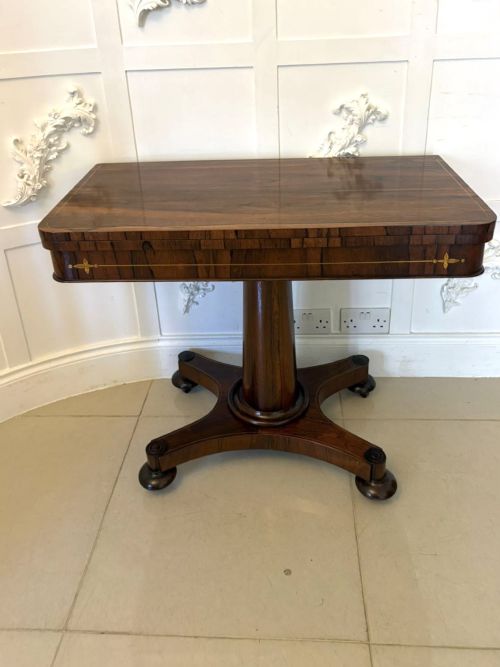
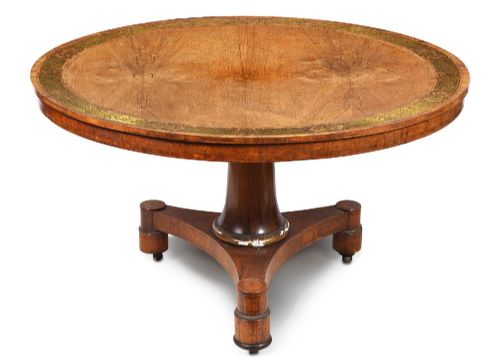
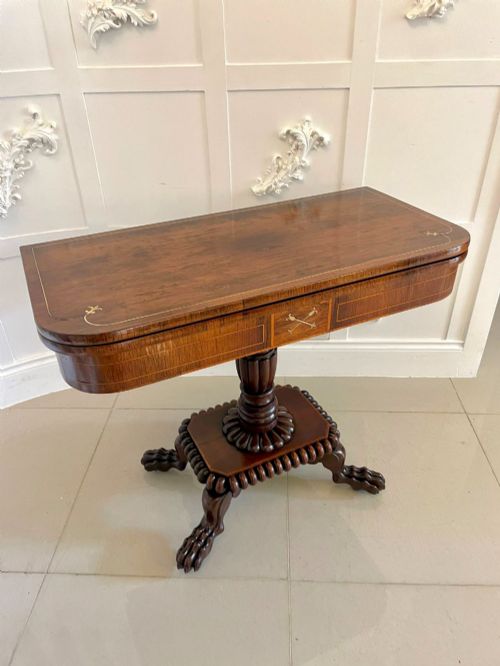
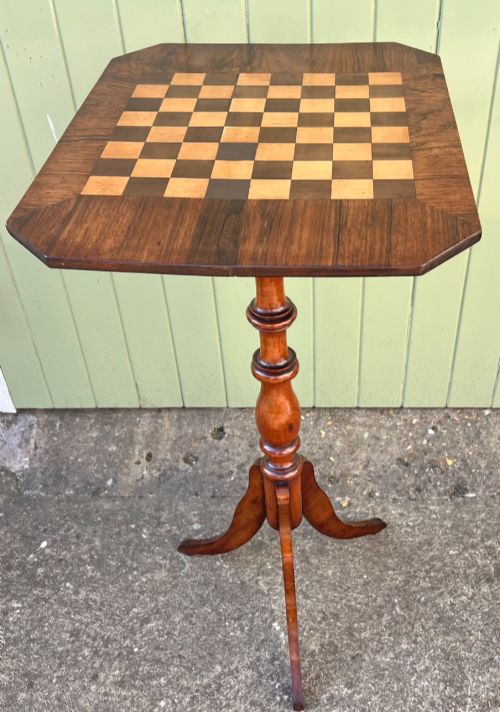
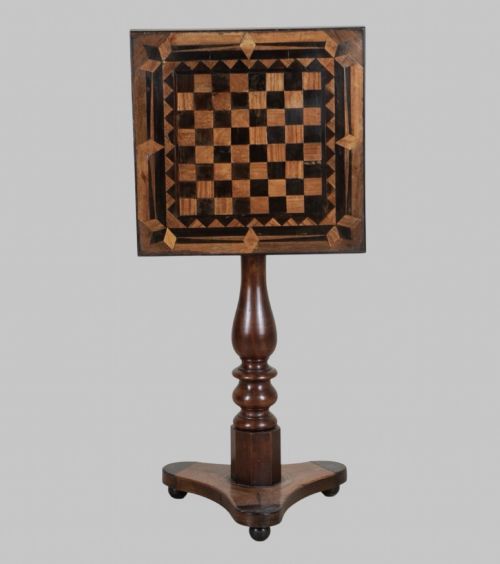
Card tables, games tables, and occasional tables dominate the selection, frequently featuring fold-over tops or circular platforms designed for drawing rooms.
Makers from the nineteenth century utilised architectural pedestal configurations, ranging from scroll bases to tripod supports, executed in dense dark timbers.
Craftsmanship and Proportion
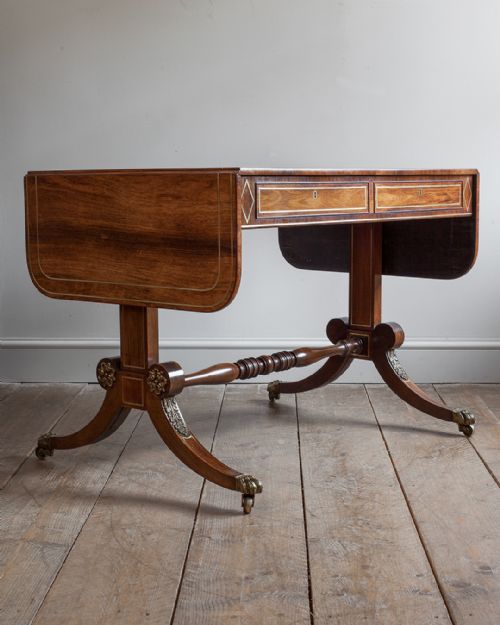
Superior examples display crispness in the brass stringing and tightness in the timber joints, whereas lesser pieces show uneven gaps around the marquetry.
The architectural balance of the pedestal base dictates overall execution, with finer items maintaining stability through weighted plinths and carved scrollwork.
Inlaid Rosewood Pedestals Retail Price Guide 2026
Typical asking prices for inlaid rosewood pedestals among the pieces listed under this phrase on Sellingantiques today, from the lower quarter to the upper quarter. They describe what is for sale here now, not the wider market.
Secret compartments occasionally hide within the friezes of card tables, built to store guineas and ivory gaming counters safely out of sight.
George Bullock
The Inlaid Rosewood Pedestals Glossary
- Marquetry
- Decorative veneer patterns assembled from various coloured woods to form pictorial or geometric designs on tabletops. This technique requires considerable skill to align grain directions and prevent shrinkage.
- Brass stringing
- Inlaid threads of brass sunk into narrow channels to outline the borders of rosewood panels. The metal catches candlelight or natural illumination.
- Card table
- A folding table with a baize-lined interior surface designed for evening gaming and card play. Many examples incorporate a rotating mechanism to support the opened leaf.
- Pedestal base
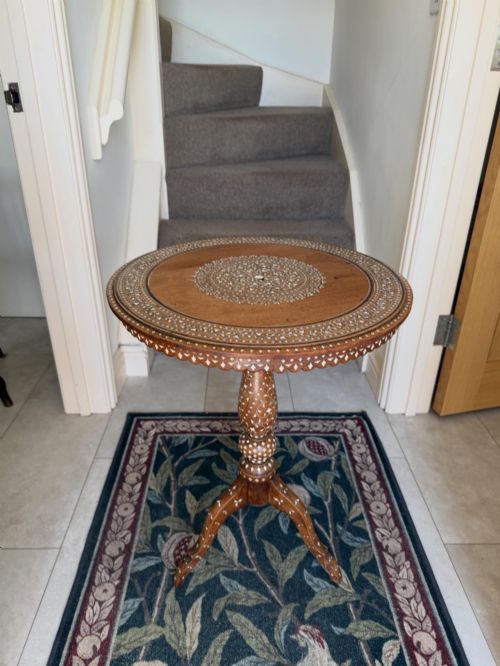
- A central column or pillar supporting a table top above a platform or feet. This configuration allowed maximum legroom for seated occupants.
- Specimen wood
- Furniture tops composed of numerous native and exotic timbers arranged in geometric mosaics. Collectors prize the natural colour variation achieved without synthetic stains.
Inlaid Rosewood Pedestals: Frequently Asked Questions
How do I identify a Regency rosewood table?
Regency tables generally date from the early nineteenth century and feature classical architectural motifs like brass stringing and scroll pedestal bases. The rosewood used is typically dark and heavily grained.
Examine the construction underneath to check for period joinery methods and original timber shrinkage before confirming the date.
What is the difference between a card table and a centre table?
Card tables possess hinged fold-over tops designed to open against a wall or float in a room for gaming. Centre tables stand permanently open with fixed tops intended to occupy the middle of a parlour.
Both forms utilise rosewood and pedestals, but their functional mechanics dictate how they were positioned historically.
How should I care for inlaid rosewood furniture?
Keep rosewood pieces away from direct heat sources and strong sunlight to prevent the dense timber from drying and cracking. Maintaining stable room humidity protects both the wood and the delicate brass or satinwood inlay.
Apply microcrystalline wax sparingly and buff with a soft cloth to preserve the natural sheen of the grain.
What distinguishes Victorian marquetry from earlier work?
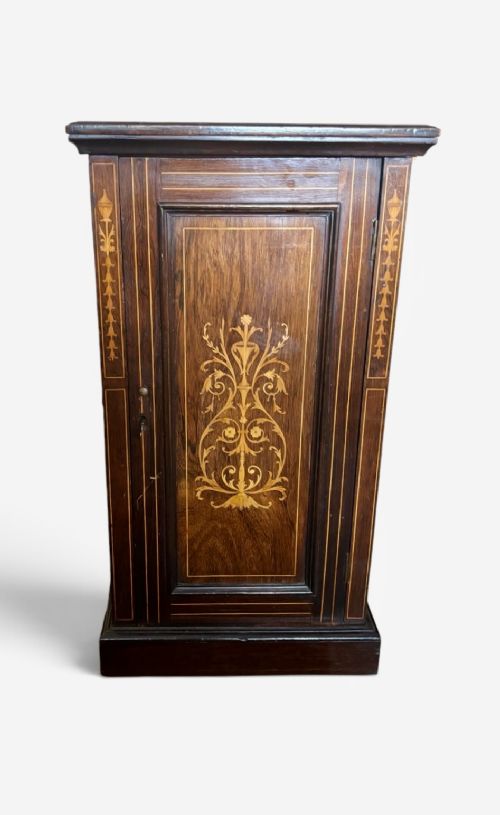
Victorian marquetry tends to incorporate lighter satinwood and varied exotic timbers into floral panels and elaborate cabinet doors. Earlier Georgian and Regency work favoured geometric brass stringing over pictorial wood inlay.
Comparing the border details and secondary woods helps clarify the specific period of manufacture.