




Classical Inlaid Pedestals
Classical inlaid pedestals are refined display stands and supporting furniture pieces that bring distinct architectural balance to a room.
Classical Inlaid Pedestals
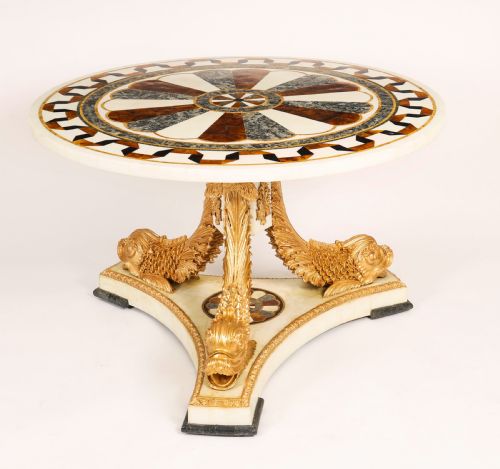
Classical inlaid pedestals encompass architectural supports, display stands, and occasional tables that reflect formal historical design. When searching for classical inlaid pedestals, buyers encounter items ranging from nineteenth century mahogany pedestals to twentieth century marble topped centre tables.
How they were made
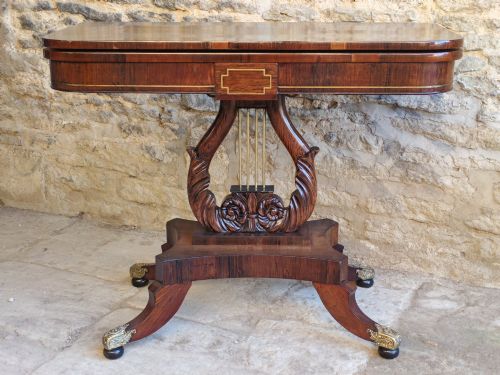
Cabinet makers utilised dense timbers like mahogany, rosewood, and satinwood as the structural foundation for these pieces. Artisans then applied intricate marquetry and line inlay using contrasting woods and boxwood details.
Many examples incorporate heavy stone elements, mounting polished marble tops or supporting items upon inlaid wood bases alongside brass and bronze hardware.
Classical Inlaid Pedestals Retail Price Guide 2026
Typical asking prices for classical inlaid pedestals among the pieces listed under this phrase on Sellingantiques today, from the lower quarter to the upper quarter. They describe what is for sale here now, not the wider market.
Listings feature items spanning the Georgian, Regency, Victorian, and twentieth century periods, utilising mahogany, rosewood, marble, and brass.
What varies in quality
Quality rests upon the precision of the marquetry and the crispness of the carved or turned wooden columns. Superior examples demonstrate seamless integration between the timber carcase and the decorative stone or brass elements.
The depth of historical style execution also sets pieces apart, with distinct revival pieces displaying greater sculptural ambition in their mounts and pillar supports.
Edwards & Roberts
The Classical Inlaid Pedestals Glossary
- Marquetry
- Decorative veneer work arranged in pictorial or geometric patterns on a wooden surface. This technique allows cabinet makers to create complex visual designs using contrasting timber species.
- Pedestal
- An upright architectural support or base for a statue, urn, or table top. These upright forms elevate display surfaces to a commanding height in a room.
- Neoclassical
- A style reviving classical Roman and Greek architectural motifs, symmetry, and restraint. It defines much of the decorative vocabulary seen on nineteenth century furniture.
- Tazza
- A small shallow cup or bowl mounted on a stem and foot, used for display. These decorative vessels sit atop stands to showcase fine materials.
Classical Inlaid Pedestals: Frequently Asked Questions
What periods do these pieces span?
The selection includes items from the Georgian and Regency eras through to Victorian and early twentieth century revivals.
Craftsmanship reflects the evolving tastes of these distinct historical periods.
Where were these pieces used?
They served primarily as formal display surfaces, architectural supports, and storage cabinets within grand domestic interiors.
Their substantial timber and stone construction suited principal reception rooms and studies.
How do I identify a revival style?
Revival pieces incorporate classical motifs like columns and marquetry while utilising manufacturing techniques typical of their actual production date.
Nineteenth and twentieth century makers frequently reinterpreted earlier Regency and Georgian aesthetics.
What materials are most common?
Mahogany and rosewood form the primary structural timbers, frequently enhanced by satinwood and boxwood inlay details.
Marble tops and bronze mounts appear on specific decorative display forms.