


Antique Commode Pot
An antique commode pot is a clever piece of hidden furniture, blending utility with fine cabinet-making to bring practical history into a modern bedroom.

Antique Commode Pot
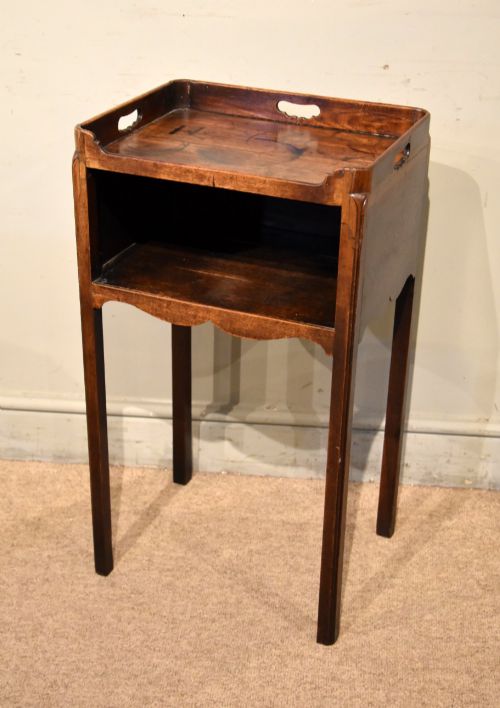
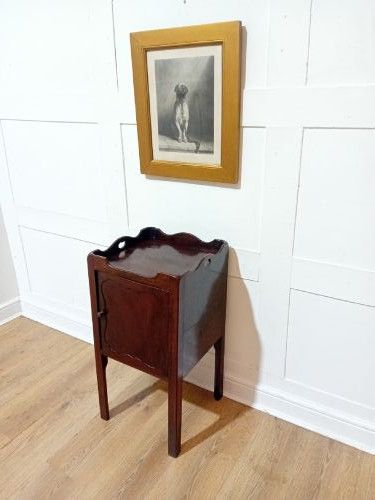
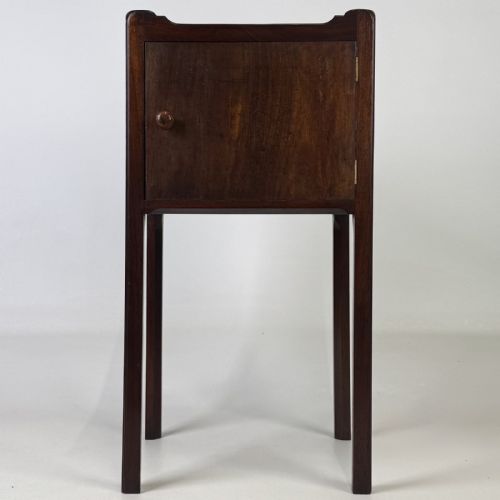
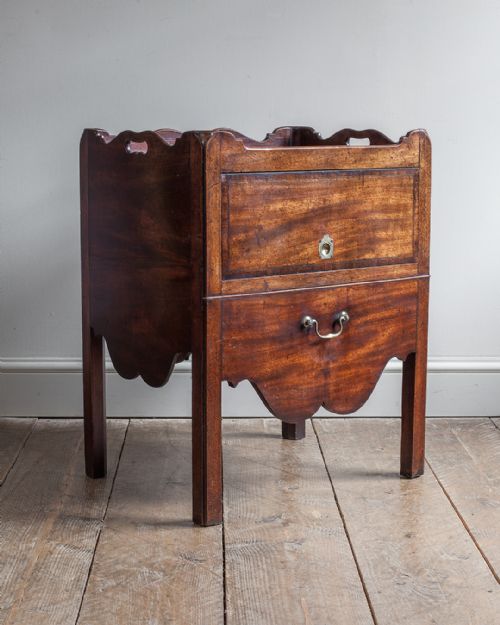
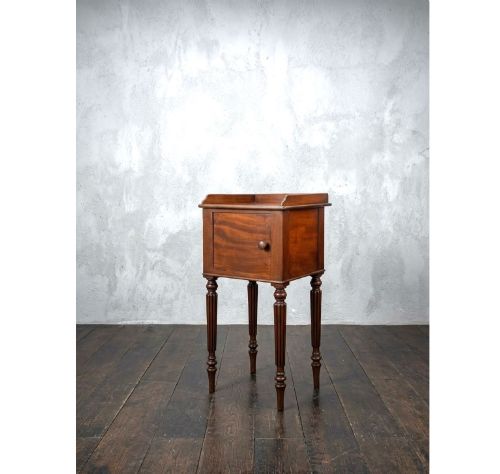
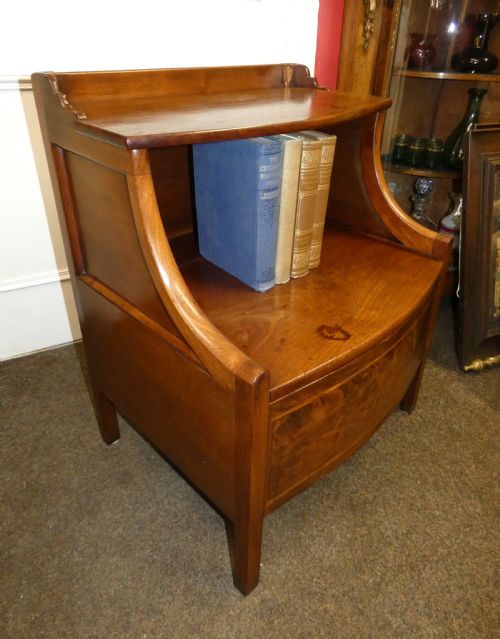
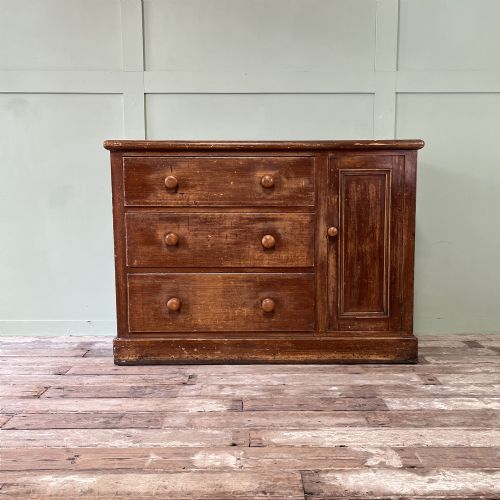
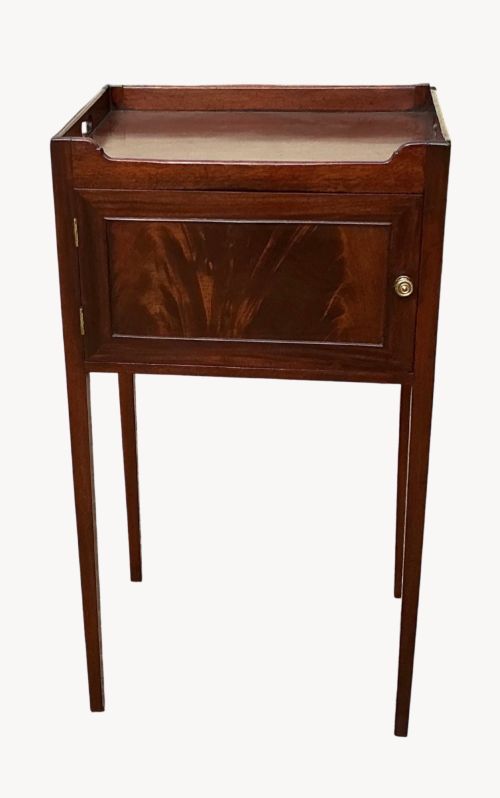
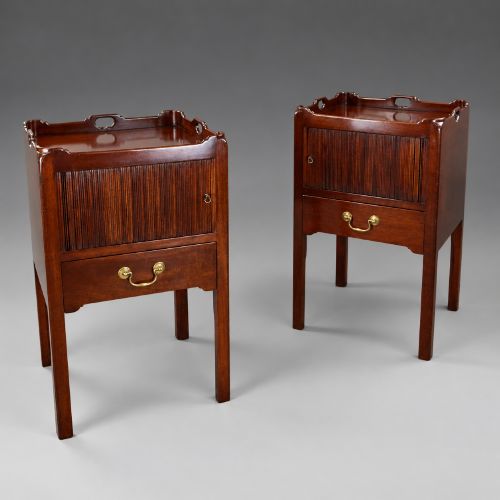
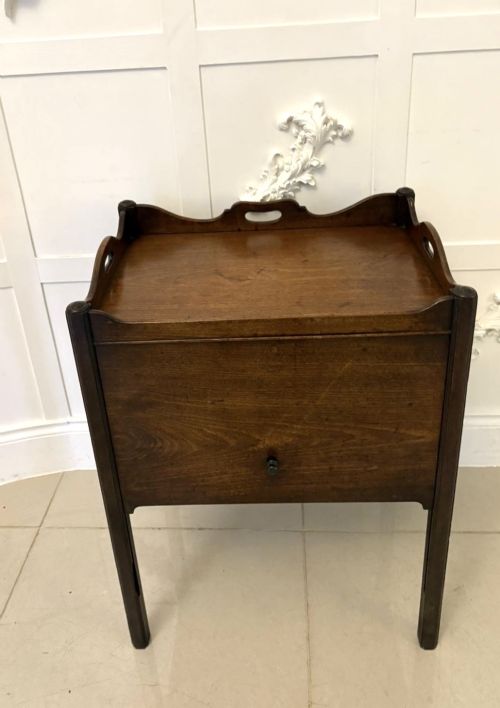
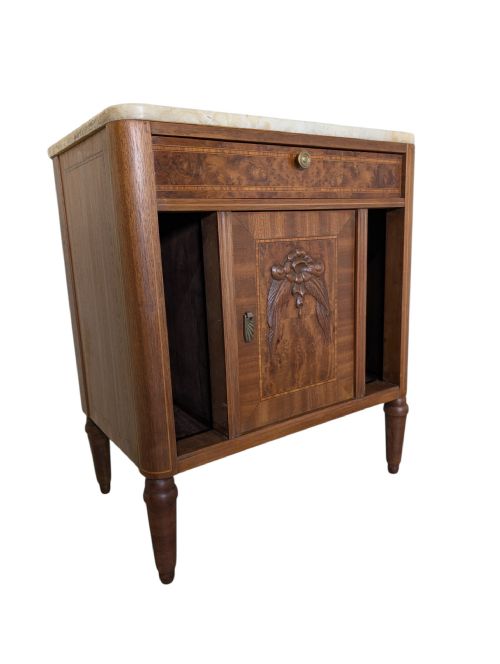
When you search for an antique commode pot, you encounter pieces designed to house chamber pots discreetly within domestic interiors, often taking the form of small bedside cabinets, cupboards, or close stools. The selection spans the eighteenth, nineteenth, and early twentieth centuries, drawing heavily on Georgian, Victorian, and Regency design.
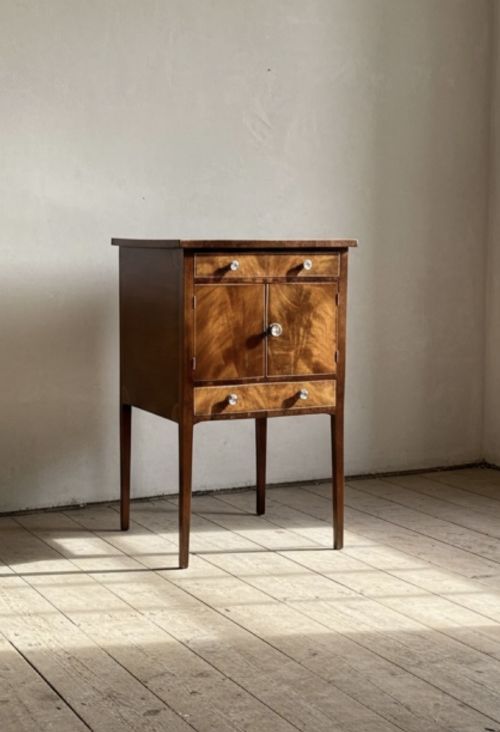
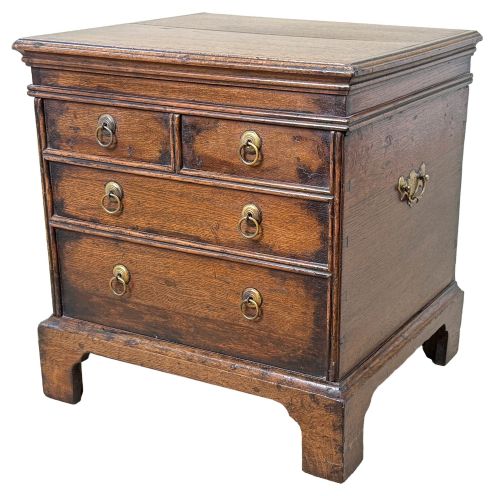
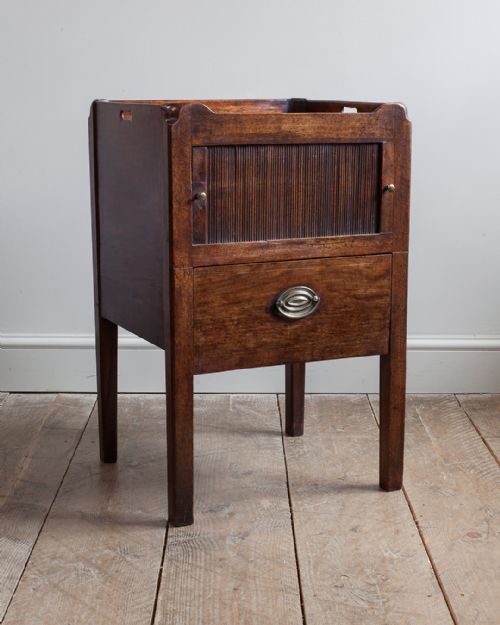
The version you meet most often on this page is the mahogany bedside cupboard or night table, alongside close stools disguised as small chests. These pieces evolved from utilitarian necessities into refined items of bedroom furniture, constructed from sturdy timbers and occasionally fitted with marble tops or tray tops.
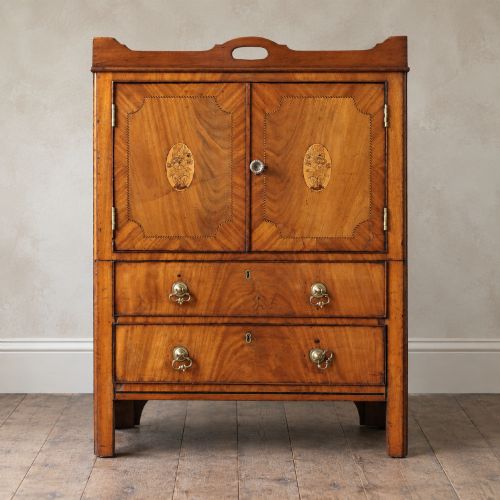
Makers and craftsmen of the period utilised walnut, oak, elm, and flame-mahogany veneer to disguise the interior function, resulting in outward appearances identical to standard bedside tables. Surviving examples demonstrate how domestic habits shifted while cabinet-making standards remained consistently high.
How these pieces were made
Cabinet-makers relied on solid hardwoods such as mahogany, oak, and walnut to build the foundational carcase, applying flame-mahogany veneer or burr walnut for decorative exterior surfaces. Joints were typically dovetailed to ensure structural integrity during daily use, while brass fittings provided durable handles and hinges.
Many eighteenth-century iterations incorporated tray tops with shaped galleries to secure objects placed upon them, whereas later Victorian examples frequently integrated marble tops. Interior compartments were engineered specifically to hold ceramic vessels securely out of sight.
Antique Commode Pot Retail Price Guide 2026
Typical asking prices for commode pot among the pieces listed under this phrase on Sellingantiques today, from the lower quarter to the upper quarter. They describe what is for sale here now, not the wider market.
Some eighteenth-century close stools disguised themselves so convincingly as small chests that even diligent guests sat upon them by complete accident.
What varies in quality
The division between standard workshop output and exceptional cabinet-making rests in the selection of timbers and the precision of the joinery. Finely figured flame-mahogany veneer and well-matched grains elevate a piece above simpler domestic units constructed from plain oak or elm.
Proportion and hardware integration also determine quality, as superior examples maintain clean architectural lines while concealing internal compartments seamlessly. Original brass handles and well-preserved ceramic liners separate untouched historical survivals from heavily altered pieces.
The Antique Commode Pot Glossary
- Close stool
- A piece of furniture enclosing a chamber pot, usually disguised as a small chest or cabinet. These items were essential bedroom furnishings before indoor plumbing became standard.
- Tray top
- A tabletop finished with a raised moulded edge or gallery to prevent items from rolling off. This feature is particularly common on eighteenth-century bedside tables.
- Flame-mahogany veneer
- A thin slice of wood cut from the branch forks of mahogany trees to create a distinctive flickering flame pattern. Cabinet-makers used it to adorn the drawer fronts and doors of high-end commode pots.
- Nightstand
- A small table or cupboard placed beside a bed for holding personal items. In earlier periods, these frequently doubled as commode pots.
- Cylindrical
- Having the shape of a cylinder rather than a traditional rectangular box. Regency and Victorian makers applied this curved form to bedside cupboards to soften room geometries.
Antique Commode Pot: Frequently Asked Questions
What is an antique commode pot?
An antique commode pot is a historical piece of bedroom furniture designed to conceal a chamber pot inside a cabinet, cupboard, or stool. These items allowed for private sanitation before modern plumbing.
Over centuries, craftsmen developed sophisticated disguises so the pieces resembled ordinary bedside tables or miniature chests. Today, they function primarily as decorative storage or bedside tables.
How do I use one today?
These pieces fit naturally beside a bed or sofa as functional cabinets with deep interior storage. The enclosed spaces suit books, charging cables, or general bedside clutter.
Tray-top and marble-top surfaces provide stable areas for lamps and glasses. They bring historical character and enclosed storage into contemporary rooms without looking out of place.
How do I date a commode pot?
Dating relies on identifying the primary timbers, construction methods, and prevailing architectural styles visible in the piece. Eighteenth-century examples often feature solid mahogany and tray tops, while Regency items favour cylindrical shapes and flame-mahogany veneers.
Victorian pieces frequently introduce white marble tops and heavier proportions. Comparing the interior carcass construction to known period standards clarifies the age further.
Were all commode pots made for bedrooms?
Most commode pots originated in bedrooms as private sanitary equipment, though some close stools resided in dressing rooms or dressing alcoves. Their discreet exterior designs allowed them to blend seamlessly with other case furniture.
By the twentieth century, the sanitary function largely disappeared, leaving behind versatile small cabinets and nightstands.