



Floral Earthenware Planter
These floral earthenware planter pieces bring character and botanical display to interiors through traditional ceramic craftsmanship.
Floral Earthenware Planter
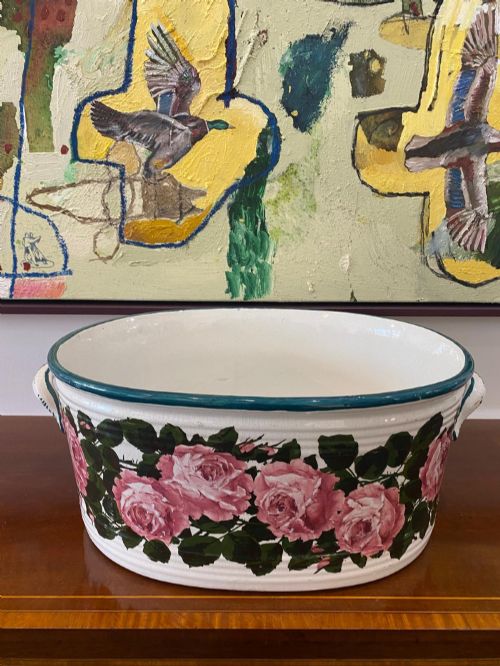
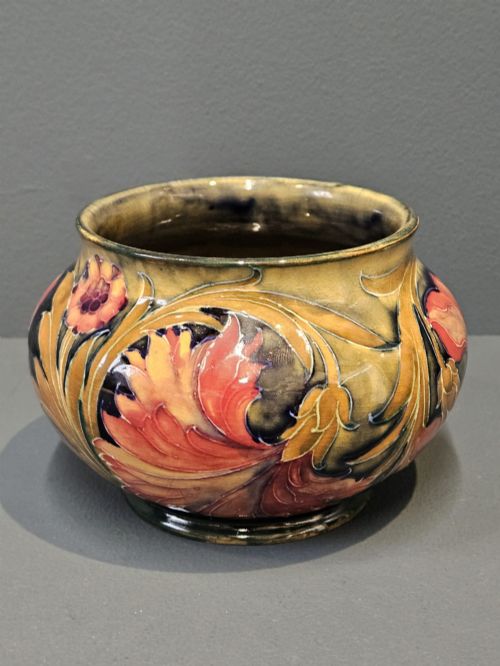
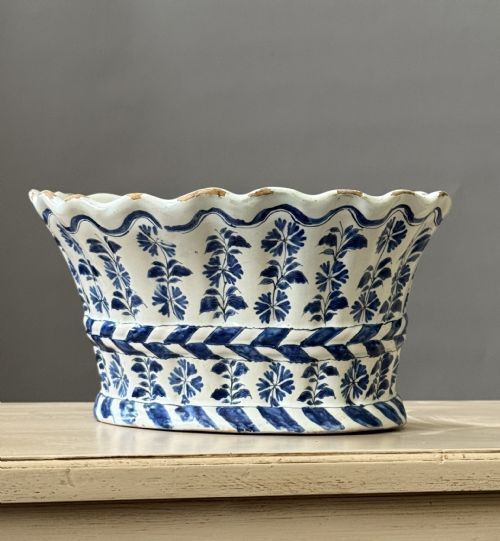
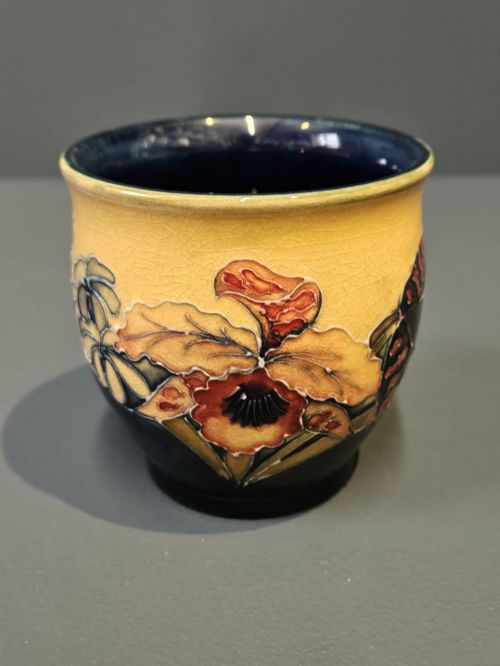
A floral earthenware planter encompasses ceramic vessels designed to hold plants and flowers, often taking the form of jardinières, footbaths, and bough pots. The selection on this page spans several eras, running from the eighteenth century through the Victorian period and into the early twentieth century.
Makers produced these items in various styles including Delftware, Art Nouveau, and Art Deco, alongside pieces in the Majolica taste. Forms range from single planters to large footbaths and pedestal stands intended for indoor display.
Victorian and Edwardian examples appear frequently alongside pieces from the nineteen-twenties and nineteen-thirties. Buyers encounter both British pottery and specialised works bearing recognizable factory names.
Materials and construction
Potters shaped these vessels from earthenware and ceramic bodies, applying glazes such as tin-glaze to seal the porous clay. Some pieces received hand-painted decoration, while others utilised coloured majolica glazes or occasional gold leaf highlights.
Manufacturing techniques evolved from eighteenth-century Delftware methods to nineteenth-century Staffordshire production and twentieth-century factory standards. Potters formed large vessels like footbaths and jardinières to support wet soil and heavy planting.
Floral Earthenware Planter Retail Price Guide 2026
Typical asking prices for floral earthenware planter among the pieces listed under this phrase on Sellingantiques today, from the lower quarter to the upper quarter. They describe what is for sale here now, not the wider market.
Object forms include jardinières, footbaths, bough pots, chamber pots, vases, and pedestals.
Assessing quality and execution
Quality in a floral earthenware planter depends upon the precision of the ceramic body and the depth of the glaze. Finer examples display crisp hand-painted details or rich majolica coloration without blurring or surface faults.
The distinction between standard production items and superior pieces often lies in the ambition of the form, such as three-handled designs or matched pedestal stands. Maker attribution also influences the standing of a piece within the range.
Wemyss·Burmantofts·Minton·Royal Doulton·George Jones·Copeland
The Floral Earthenware Planter Glossary
- Jardiniere
- A large ornamental pot or stand for holding plants or flowers. These vessels often feature glazed ceramic surfaces.
- Footbath
- A deep ceramic vessel traditionally used for washing feet but frequently repurposed as a large planter. Examples often include handles for lifting.
- Majolica
- A type of pottery glazed with tin opacified enamels and decorated with bright metallic oxide colours. This technique created rich, glossy finishes popular in the nineteenth century.
- Delftware
- Tin-glazed earthenware produced in Britain and the Netherlands, typically featuring blue and white decoration on a pale background. Early pieces date back to the eighteenth century.
- Bough pot
- A specialised ceramic vessel designed to hold cut tree branches or floral arrangements for interior decoration.
Floral Earthenware Planter: Frequently Asked Questions
What is a floral earthenware planter used for?
These vessels serve primarily to house potted plants, flowers, or cut stems within interior spaces. Larger forms like footbaths and jardinières function effectively as decorative centrepieces.
Historically, households utilised these ceramic pieces in reception rooms and hallways to bring greenery indoors. Today, collectors continue to use them for planting or display them empty as decorative objects.
How do I care for a ceramic planter?
Earthenware is a porous material, so placing a plastic liner inside the vessel protects the historic ceramic body from moisture damage. Avoid exposing antique pieces to freezing temperatures.
Cleaning requires only gentle dusting or wiping with a soft, damp cloth. Strong chemical cleaners can damage fragile glazes and hand-painted details.
How can I tell Victorian pieces apart?
Victorian items often display characteristic styles such as Majolica taste, heavy floral decoration, or early Art Nouveau influences. Examining the base can reveal factory marks or stylistic clues specific to the nineteenth century.
Manufacturing methods and glaze types also help distinguish Victorian production from earlier eighteenth-century Delftware or later twentieth-century Art Deco designs.
Are these planters suitable for modern gardens?
Most antique earthenware planters suit indoor use because historical glazes and porous bodies are vulnerable to frost and harsh weather. Placing them outside can cause the ceramic to crack.
Interior placement preserves the glaze and prevents structural deterioration, ensuring the piece remains stable for botanical display.