
Antique Commode Drawers
Antique commode drawers offer practical storage through centuries of varied timber craftsmanship, from Georgian mahogany to continental marble-topped design.
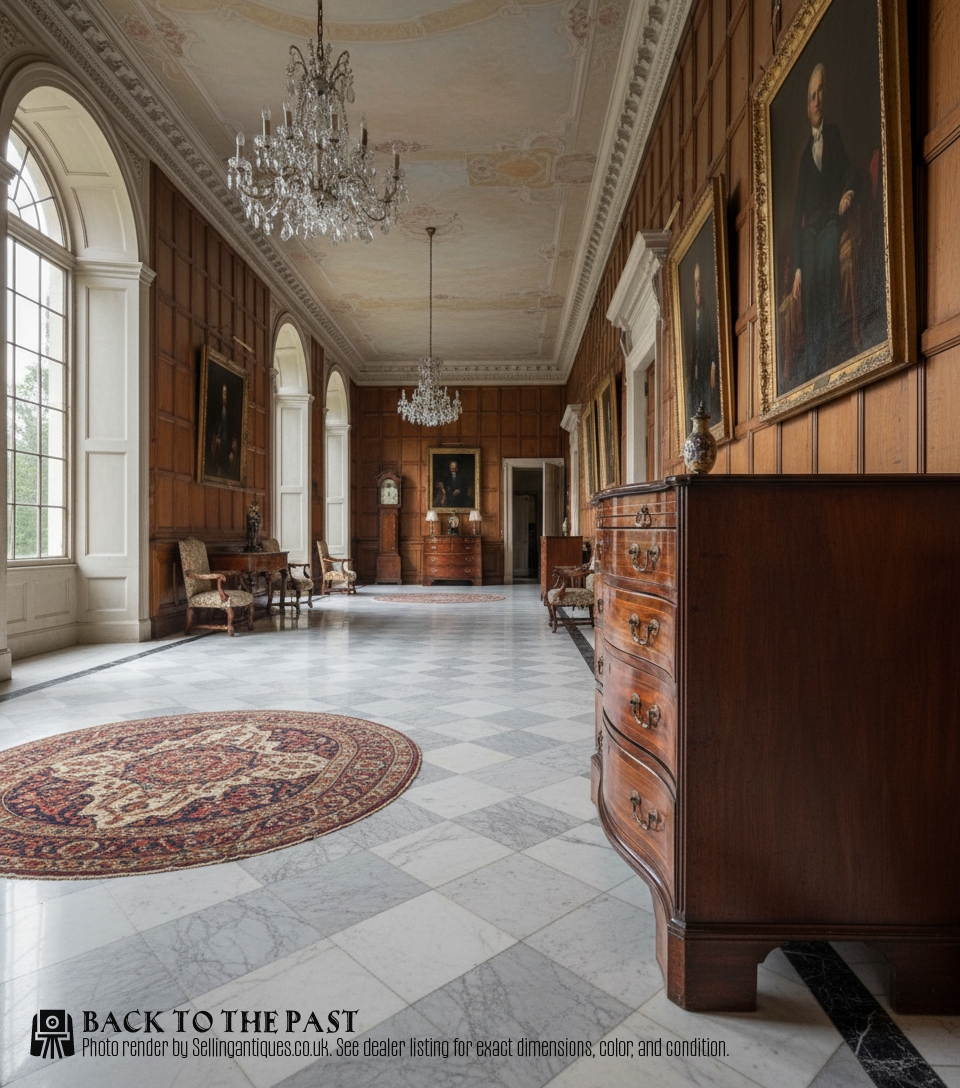
Antique Commode Drawers
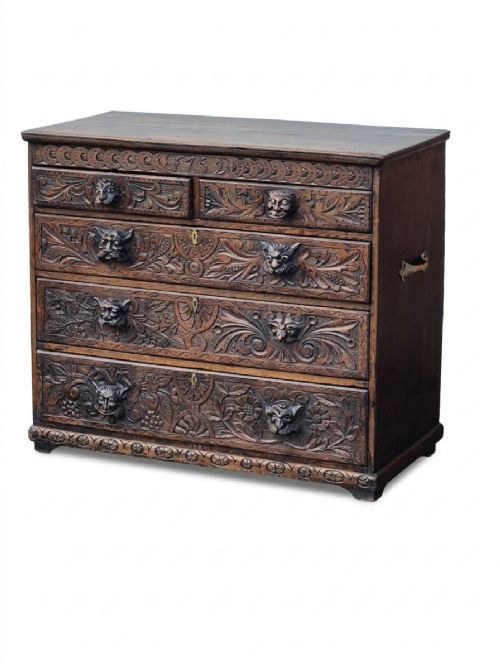
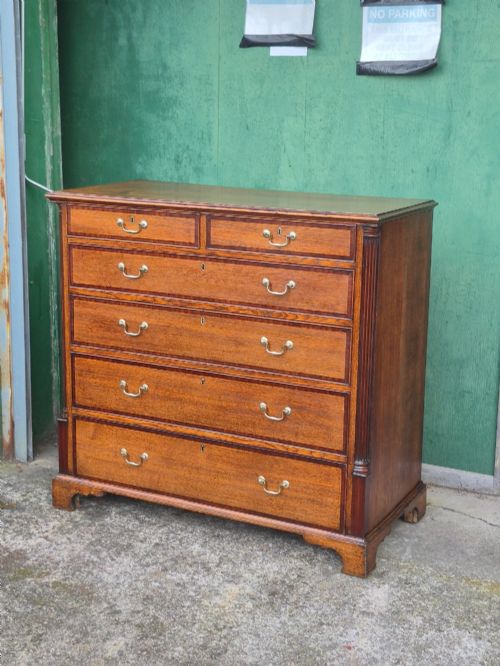
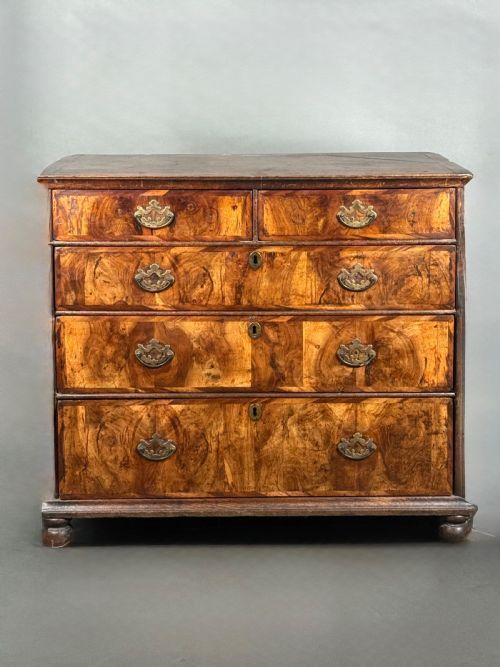
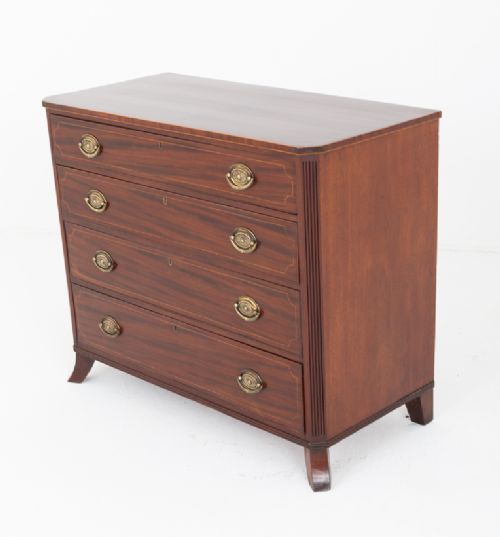
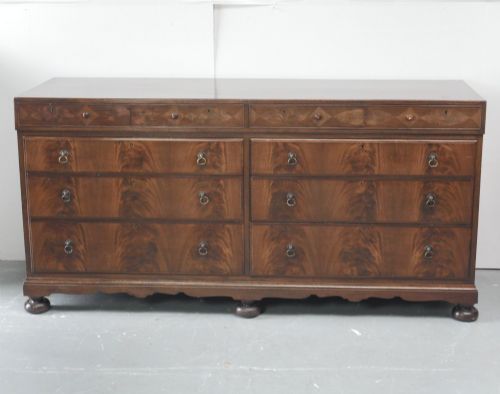
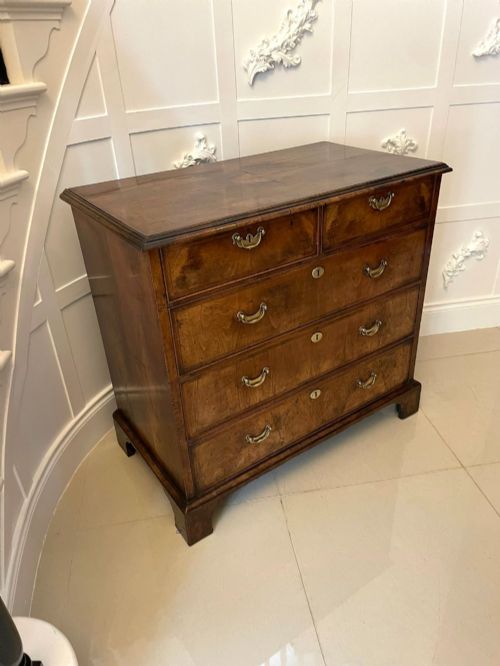
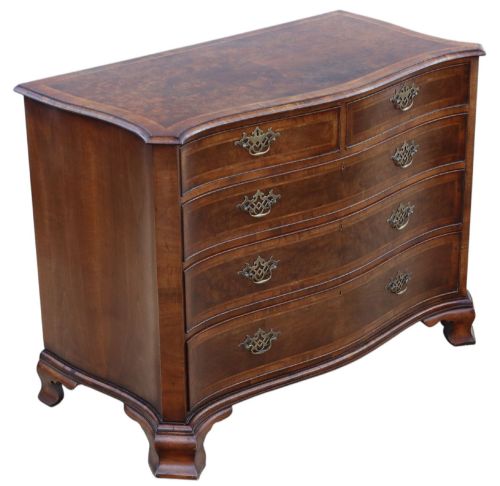
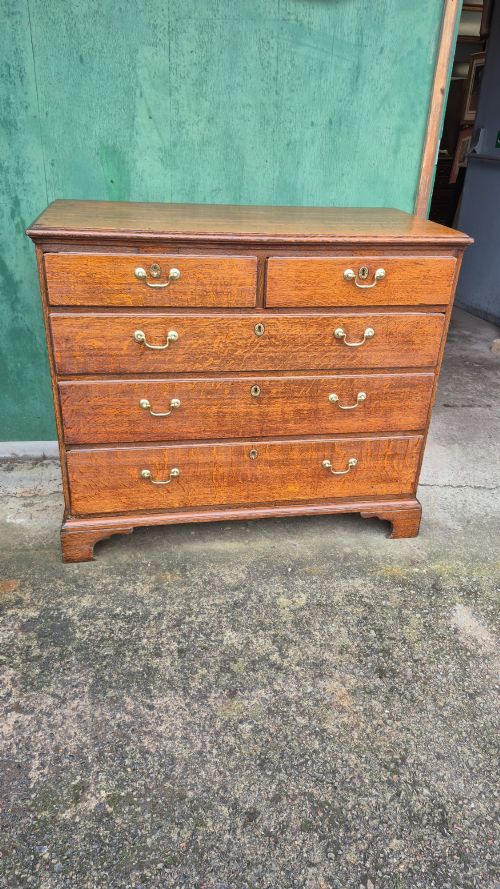
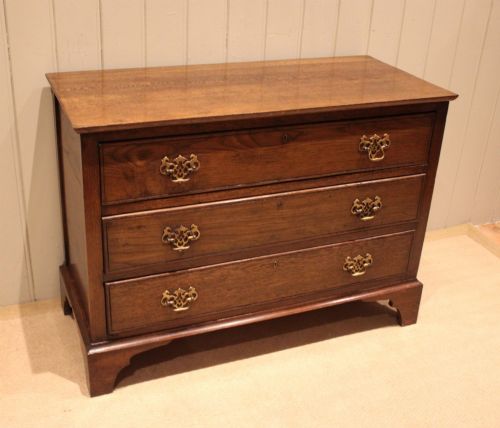
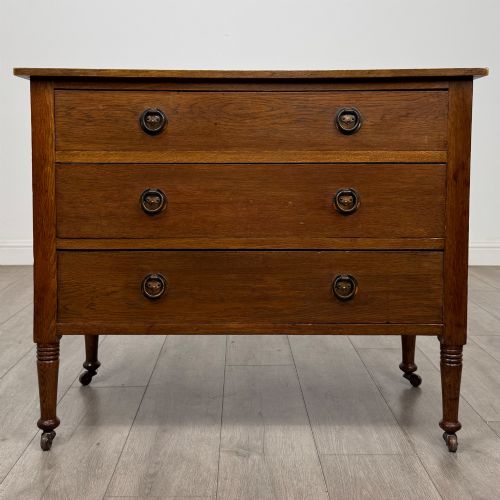
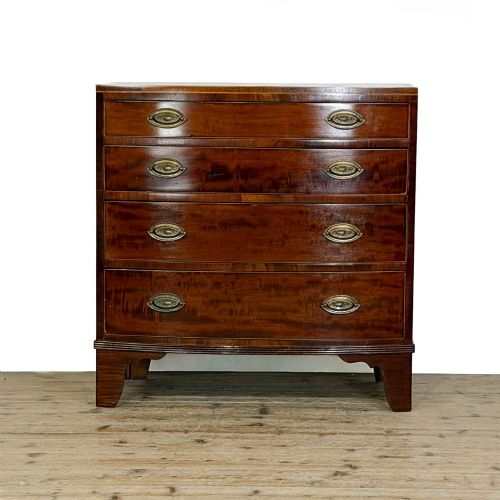
When searching for antique commode drawers, buyers examine pieces ranging from British chests in mahogany, oak and walnut to continental marble-topped commodes. The selection spans Georgian, Regency and Victorian periods alongside Edwardian and later twentieth-century examples.
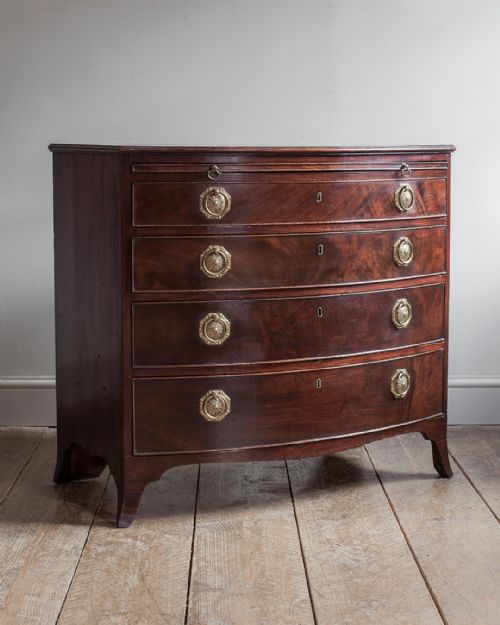
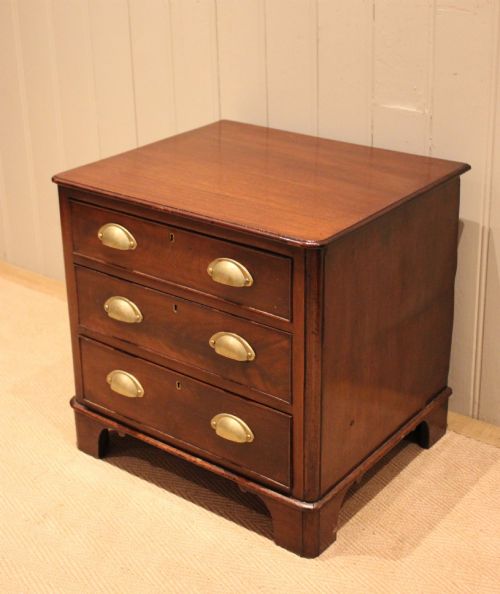
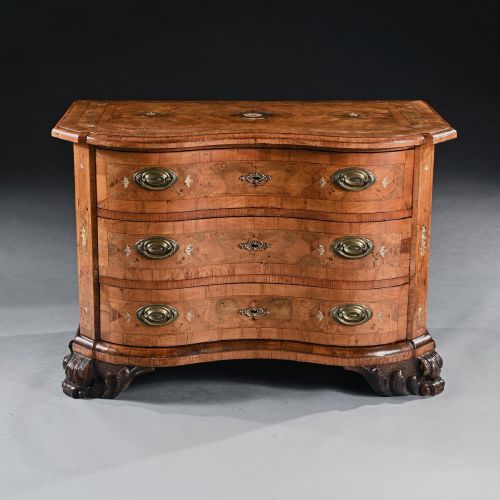
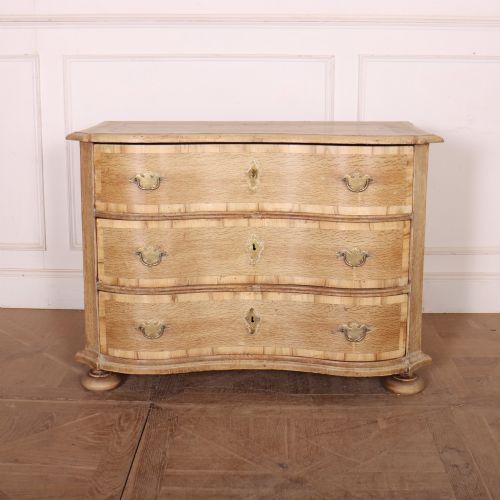
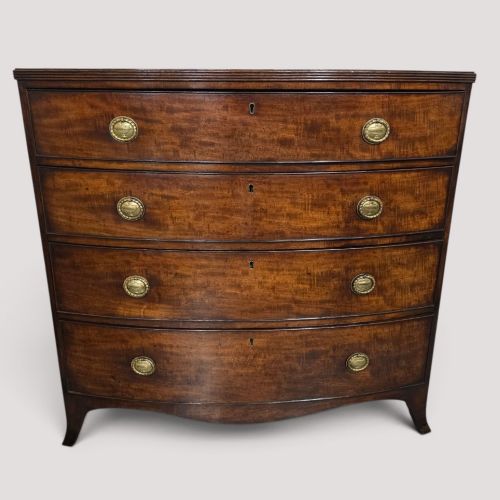
The dominant forms on this page include traditional upright chests of drawers, bow-fronted designs, and continental commodes featuring parquetry, marquetry, or stone surfaces. Pieces vary from compact bedside proportions to large multi-drawer bedroom furniture.
Origins stretch across Britain, France, Sweden, Germany and Austria, providing distinct regional interpretations of cabinet work. Buyers encounter vernacular pine alongside highly figured cabinet timbers intended for formal reception rooms.
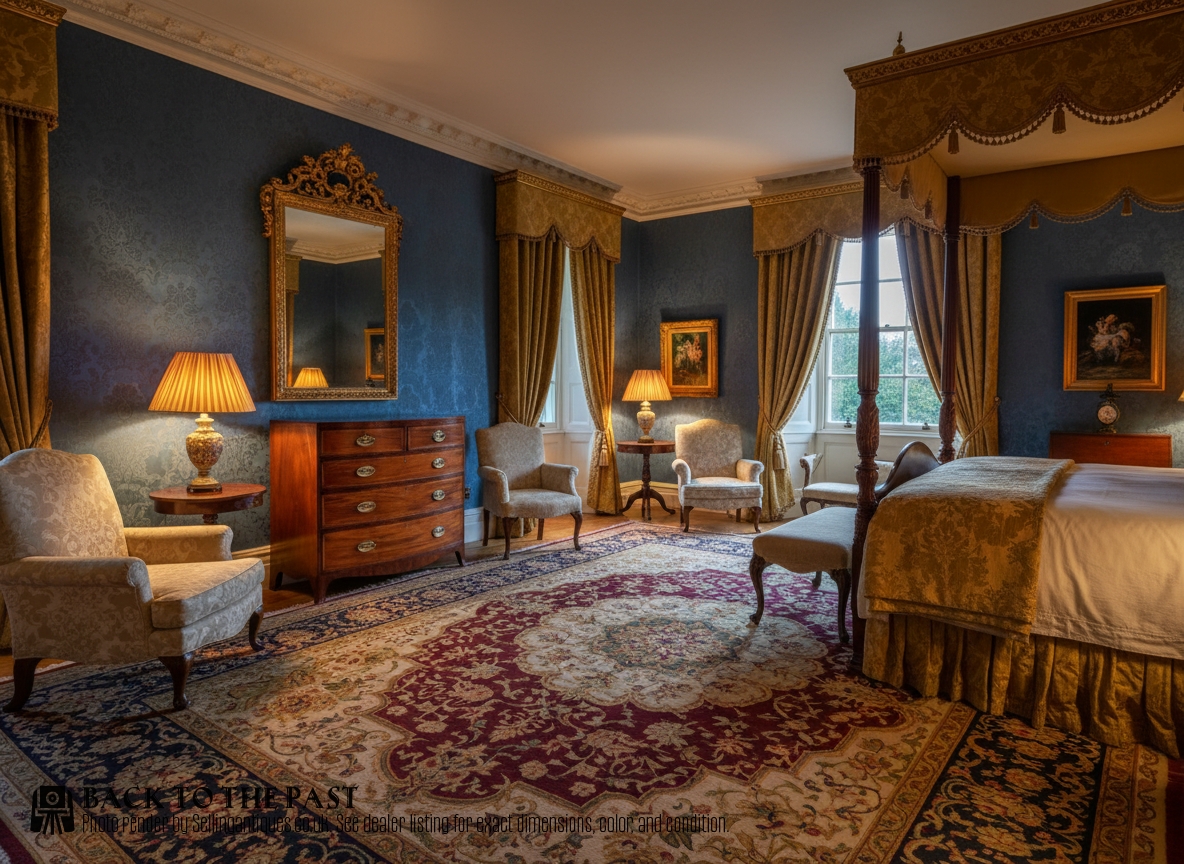
How They Were Made
Cabinet makers utilised structural timbers like oak and pine for carcasses and drawer linings, applying premium veneers such as flame mahogany, burr walnut and kingwood to external surfaces. Crossbanding and satinwood stringing often delineate drawer fronts and tabletops.
Decorative techniques incorporate intricate marquetry, pewter and ivory inlay, parquetry geometric patterns, and stencilling on simpler pine bodies. Ormolu mounts and cast brass handles complete continental and British pieces alike.
Antique Commode Drawers Retail Price Guide 2026
Typical asking prices for commode drawers among the pieces listed under this phrase on Sellingantiques today, from the lower quarter to the upper quarter. They describe what is for sale here now, not the wider market.
Listings feature oak, mahogany, walnut, kingwood and pine across British, French, Swedish and German origins.
What Varies in Quality
The grade of an antique commode rests upon the selection of timber figure, such as highly figured burr walnut or matched flame mahogany veneers. Superior examples display continuous grain alignment across drawer fronts and precise hand-cut dovetail joints in the drawer construction.
Execution of decorative elements defines the upper tiers of pieces, seen in crisp marquetry, well-fitted marble slabs, and original cast brass or ormolu mounts. Secondary woods and internal finish consistency further distinguish standard utility items from top-tier cabinet work.
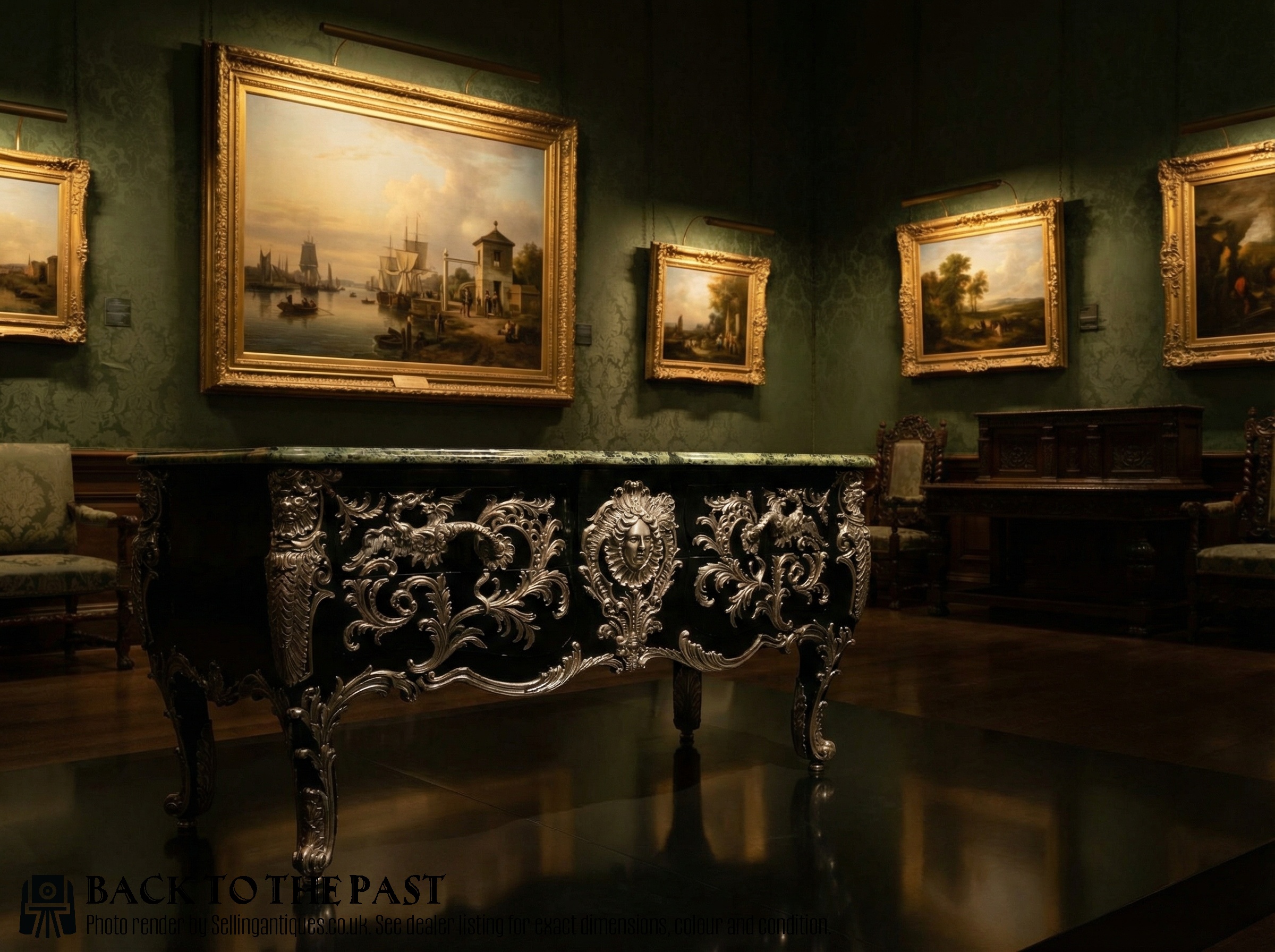
Whytock & Reid
The Antique Commode Drawers Glossary
- Bow front
- A convex curved cabinet front popular during the Georgian and Regency periods. This shape softens the profile of a standard chest.
- Marquetry
- Decorative veneer work forming pictures or patterns using various tinted woods, ivory or pewter. It appears frequently on continental commodes.
- Parquetry
- Geometric wood inlay resembling mosaic work, utilised on tabletops and drawer fronts. Artisans arrange contrasting timber squares or triangles.
- Ormolu
- Gilt-bronze mounts applied to furniture for decorative effect. French pieces frequently utilise these metal ornaments on corners and apron rails.
- Brushing slide
- A pull-out shelf integrated above the top drawer of Georgian chests. It served as a surface for folding clothes or writing.
Antique Commode Drawers: Frequently Asked Questions
How do I date an antique chest?
Dating relies on timber choices, construction methods, and stylistic cues present in the handles and feet.
Earlier pieces often exhibit hand-sawn oak linings and distinct period mouldings, while later nineteenth-century examples incorporate machine-prepared timber.
What is the difference between a chest and a commode?
British listings generally use chest of drawers for upright timber storage, while commode often denotes continental low cabinets.
Many continental commodes feature stone tops and decorative veneer patterns distinguishing them from standard British upright chests.
Are marble tops original to these pieces?
French and continental commodes frequently feature fitted marble slabs designed as an integral part of the piece.
These heavy stone surfaces provide durable utility while adding significant weight to the overall cabinet structure.
How should I care for antique veneer?
Protect delicate timbers by avoiding direct sunlight and maintaining stable room humidity levels.
Periodic application of suitable furniture wax preserves the finish without sealing the wood permanently.