
Antique Column Tables
Antique column tables bring architectural strength to domestic spaces, combining vertical form with practical surfaces.
Antique Column Tables
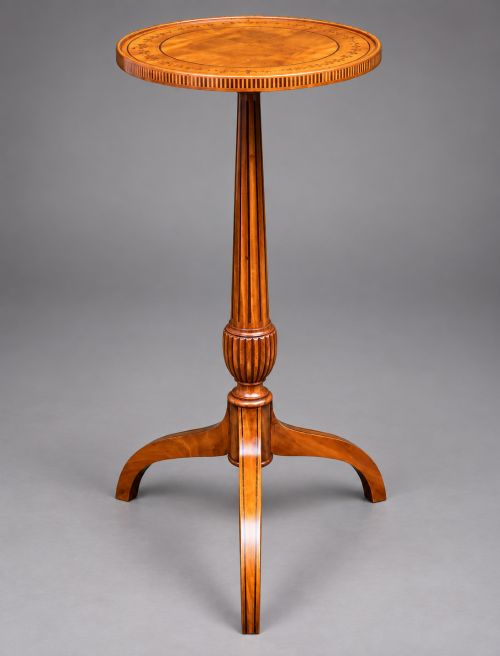
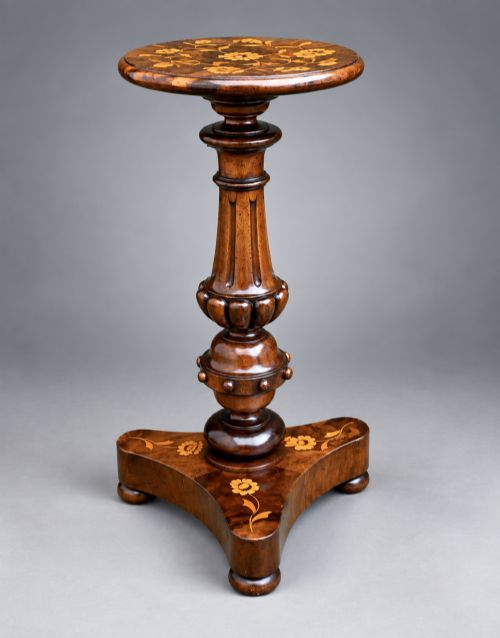
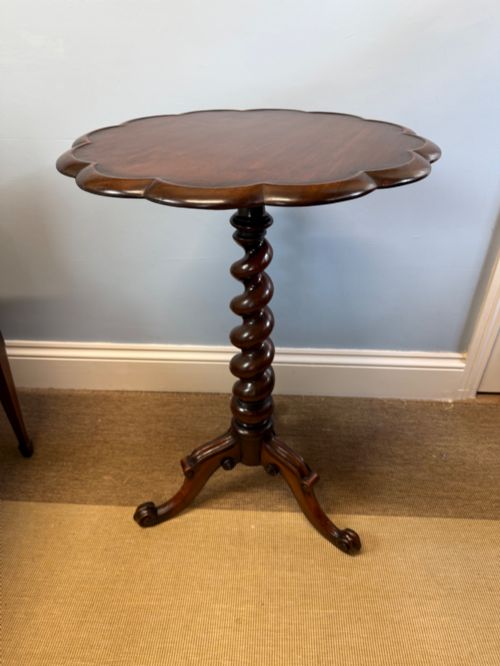
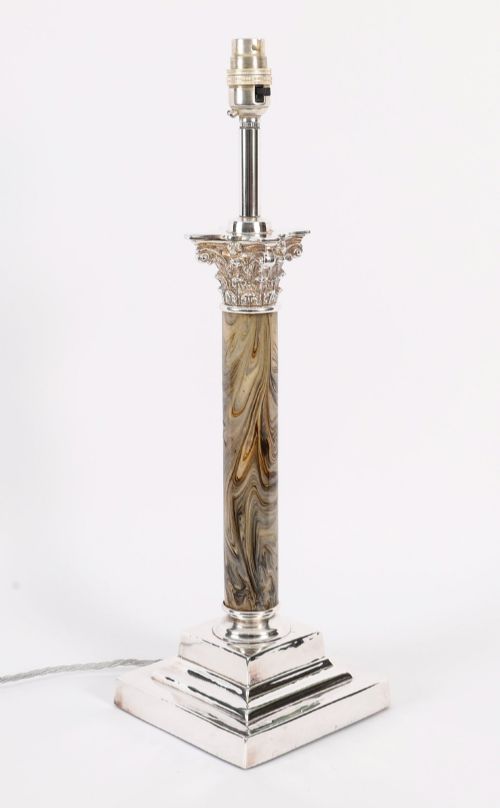
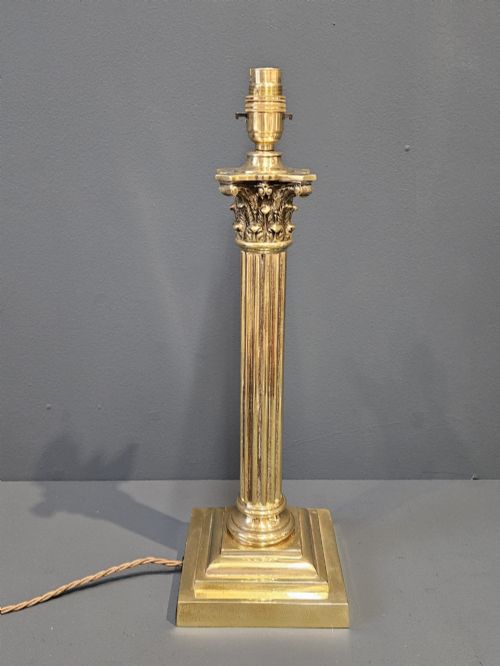
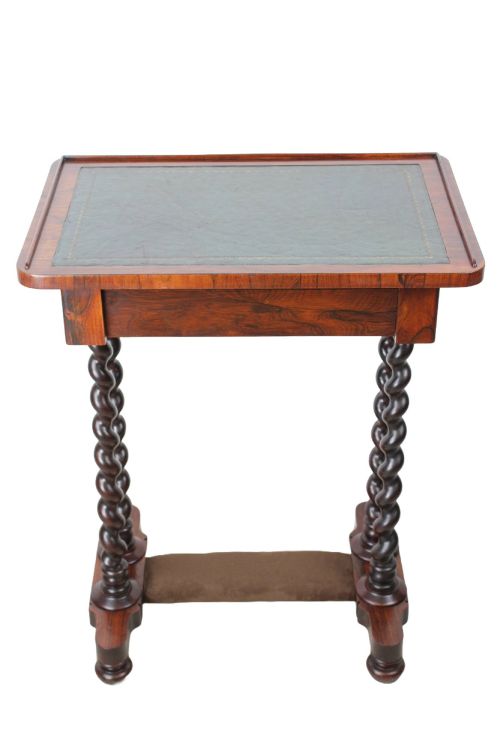
When searching for antique column tables, buyers encounter a diverse selection of supports, including lamp tables, plant stands, and occasional tables derived from architectural motifs. These pieces span Georgian, Regency, and Victorian periods, utilising single vertical pedestals or classical column shafts to elevate surfaces.
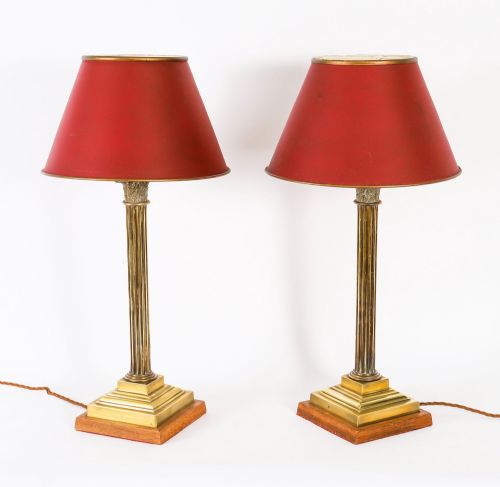
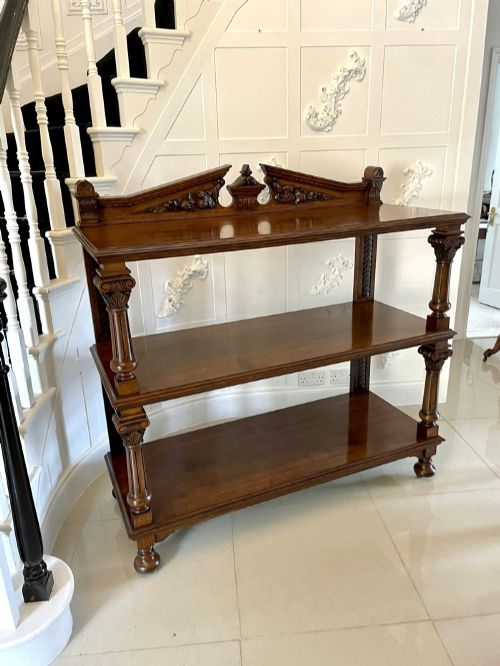
The most frequent examples on this page combine wood such as mahogany, oak, and burr walnut with occasional brass or marble lighting columns and plant stands. Forms range from small wine tables and tilt-top pedestals to larger side tables and dumbwaiters.
Origins stretch from the eighteenth century through the nineteenth century and into the Edwardian era, reflecting shifting domestic habits and tastes for Neoclassical and Revival designs.
How they were made
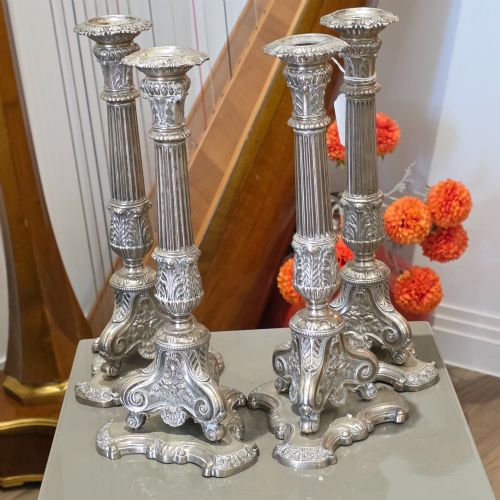
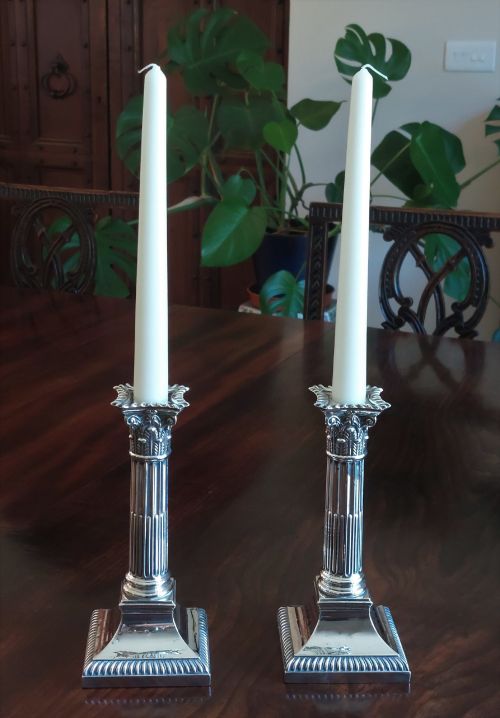
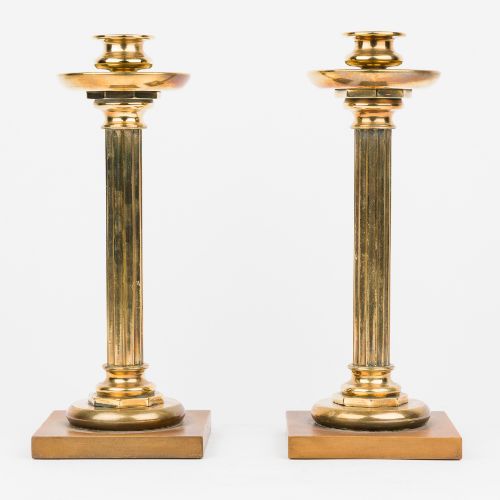
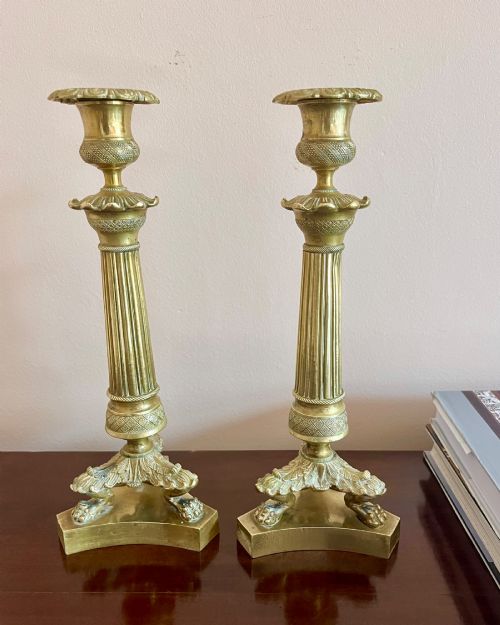
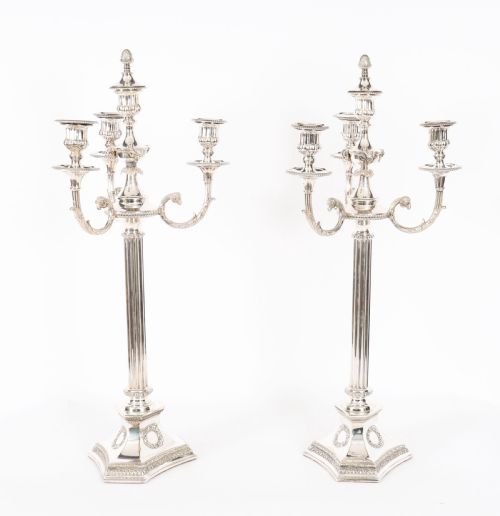
Cabinet makers constructed these pieces using solid timbers and veneers, employing mahogany, oak, walnut, and satinwood alongside turned and carved pedestals. Brass and silver plate form the structural elements of column table lamps and candlesticks, while marble provides weight and smooth top surfaces.
Joinery techniques include tripod bases, tilt-top mechanisms, and inlaid marquetry work, combining stability with decorative surface detail across tables, plant stands, and architectural lighting fixtures.
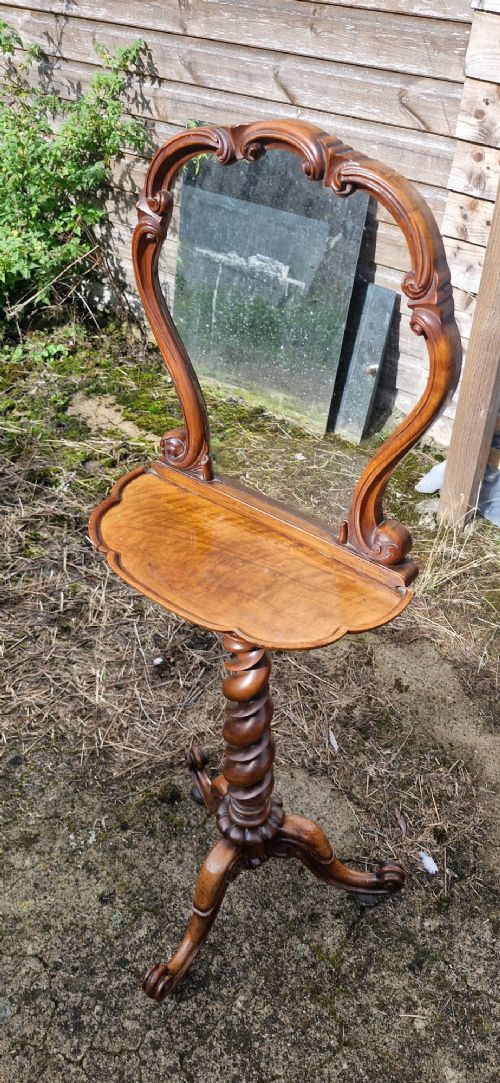
Some Victorian lamp tables include a hidden glass back to reflect candlelight, multiplying the illumination across the room.
What varies in quality
Quality rests in the crispness of the carving, the selection of timber grains such as burr walnut and figured mahogany, and the structural integrity of the central column or pedestal base. Superior items demonstrate precise joinery, balanced proportions, and well-preserved surface patination.
Lesser examples display utilitarian construction with plainer timbers, simpler turning, and heavier, less refined metal plating or secondary woods.
Gillow·Mappin & Webb
The Antique Column Tables Glossary
- Corinthian column
- A classical order defined by ornate capitals decorated with acanthus leaves. This motif appears frequently on nineteenth-century brass table lamps and candlesticks.
- Tilt-top table
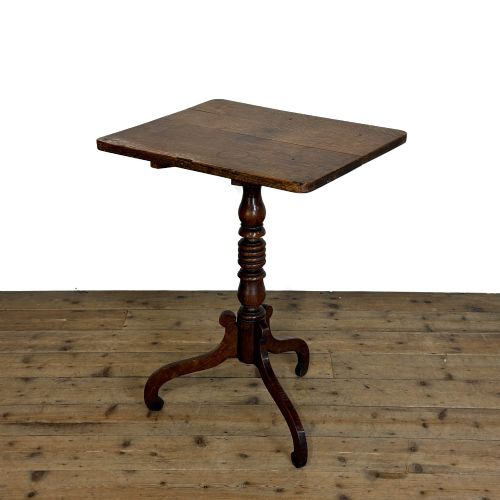
- A pedestal table featuring a mechanism that allows the surface to pivot to a vertical position when not in use. This design saved space in period interiors.
- Tripod base
- A three-legged support system commonly found on nineteenth-century lamp tables and wine tables. It ensured stability on uneven floorboards.
- Burr walnut
- A highly figured wood veneer harvested from tree growths, valued for its complex swirling patterns. Cabinet makers utilised it on top surfaces of Victorian lamp tables.
- Dumbwaiter
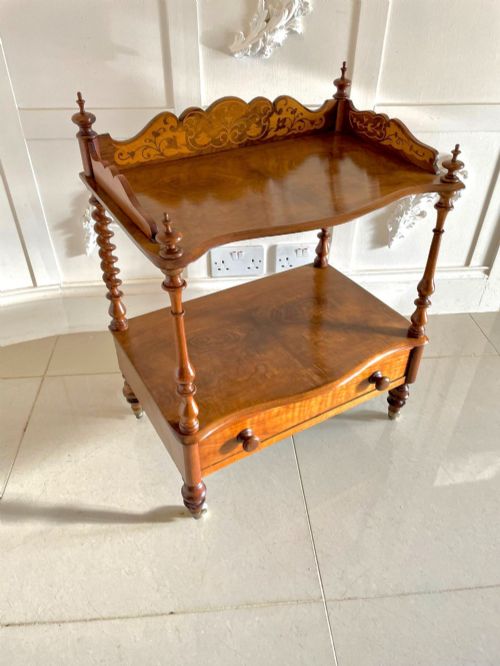
- A multi-tiered serving table supported by a central column. It provided accessible shelving for dining rooms before the widespread use of sideboards.
Antique Column Tables: Frequently Asked Questions
How were antique column tables used?
These pieces served multiple functions in period homes, from holding oil lamps and candles to displaying plants, beverages, or small decorative items. Occasional tables and wine tables moved easily around drawing rooms as needed.
Larger pedestal forms and dumbwaiters provided functional surface space for dining and entertaining without crowding the room.
How do I style a column table at home?
Place a mahogany or burr walnut lamp table beside a seating area to hold task lighting or decorative objects. Tall brass column lamps and plant stands work well in corners or empty architectural spaces.
Pairing different wood tones, such as oak and mahogany, adds depth while maintaining traditional character within a modern interior.
How do I tell different periods apart?
Georgian and Regency pieces often feature clean mahogany lines, tripod bases, and restrained classical proportions, sometimes attributed to workshops like Gillow. Victorian and Edwardian examples frequently introduce heavier carving, burr walnut veneers, inlaid satinwood, and silver-plated brass columns.
Later nineteenth-century and early twentieth-century pieces also embrace Revival styles, incorporating Neoclassical details and Arts and Crafts simplicity.